Canopy Walks and Forest Adventures in Uganda
July 31, 2026
How Far in Advance Should You Book Gorilla Permits?
August 1, 2026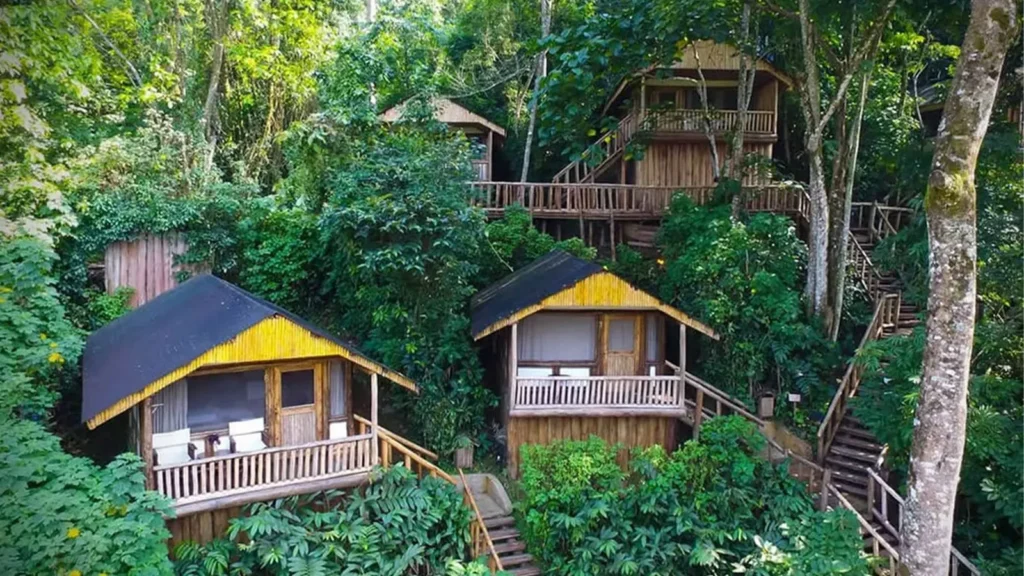
Volcanoes National Park vs Bwindi: Choosing Your Gorilla Trek
Volcanoes National Park vs Bwindi is the question almost every gorilla-trekking itinerary eventually comes down to, and it’s a harder call than the marketing from either country lets on. Both parks put you within metres of a wild mountain gorilla family for one closely guarded hour. Both charge a fee that funds real conservation work. Where they differ is everything around that hour: the price, the drive, the terrain underfoot, and what else you can build into the same trip. This guide sets out those differences plainly so you can pick the park that suits your itinerary, not just the one with the prettier brochure.
What the Permit Actually Buys You
A Rwanda gorilla permit costs $1,500 per person, set by the Rwanda Development Board, with discounted rates of roughly $500 for foreign residents and $200 for East African citizens. A Uganda permit for Bwindi Impenetrable National Park costs $800 for foreign non-residents, following a rise from $700, with lower tiers for residents and EAC citizens. Both permits include park entry, a ranger-guide team, and exactly one hour with a habituated gorilla family once your group finds one.
Rwanda limits itself to 112 permits a day across fourteen habituated families in Volcanoes National Park. Uganda spreads a larger allocation across roughly nineteen habituated families and four separate sectors in Bwindi, which is why permits there sell out less often outside peak months. Whichever park you choose, confirm the current fee before booking — both governments have adjusted prices within the past two years and are likely to again.
Volcanoes National Park, Rwanda: The Premium, Convenient Choice
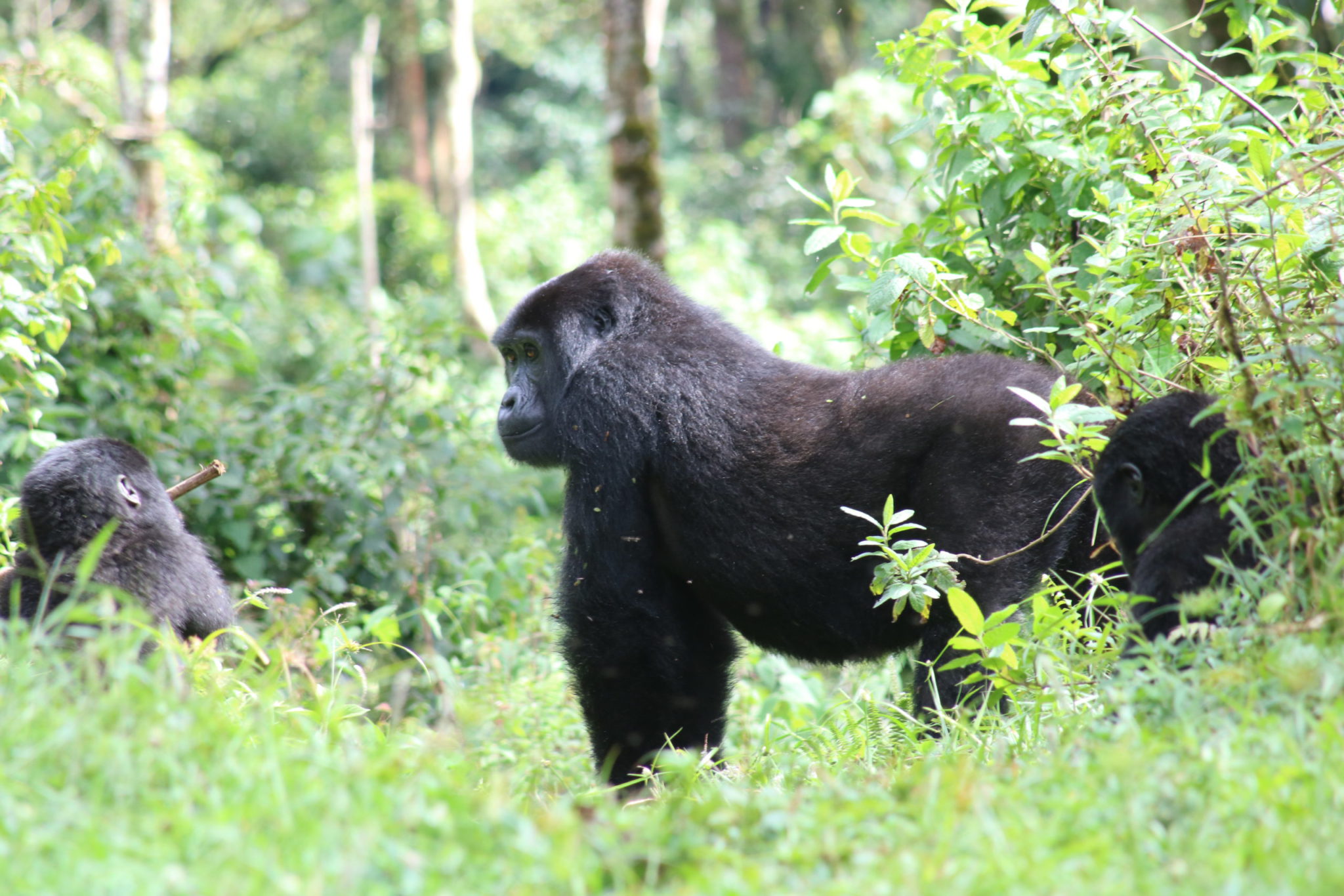
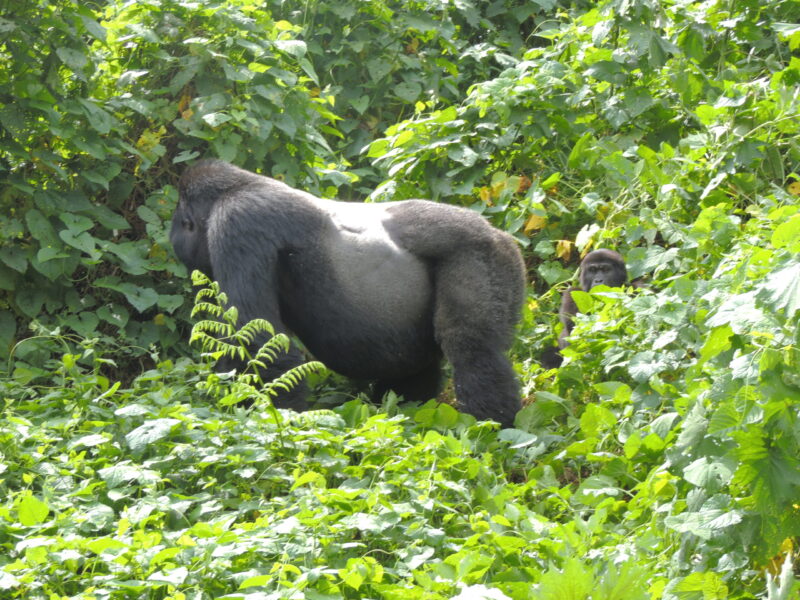
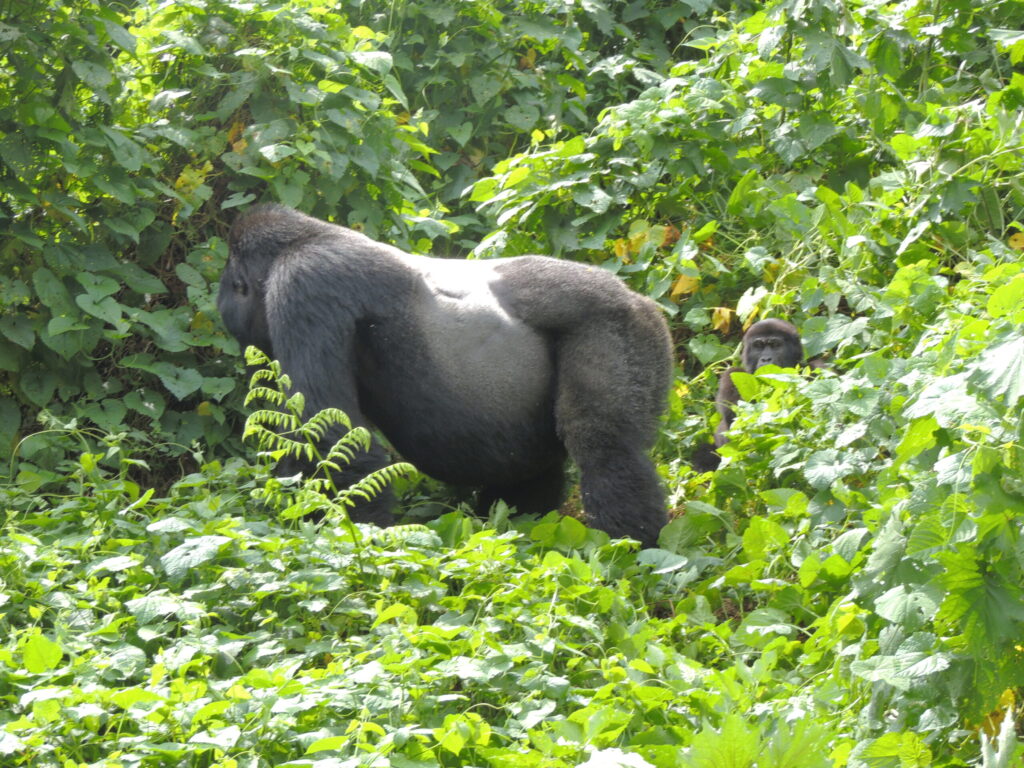
Bwindi Impenetrable National Parks
Volcanoes National Park sits near Musanze and Kinigi, roughly two to three hours from Kigali on good tarmac roads, which makes it the easiest gorilla trek to reach on the continent. The park itself climbs the lower slopes of the Virunga volcanoes, and treks often start with a steep initial climb through farmland before levelling into bamboo and Hagenia forest. Most treks run two to seven hours round trip, depending on where the gorilla family has moved overnight.
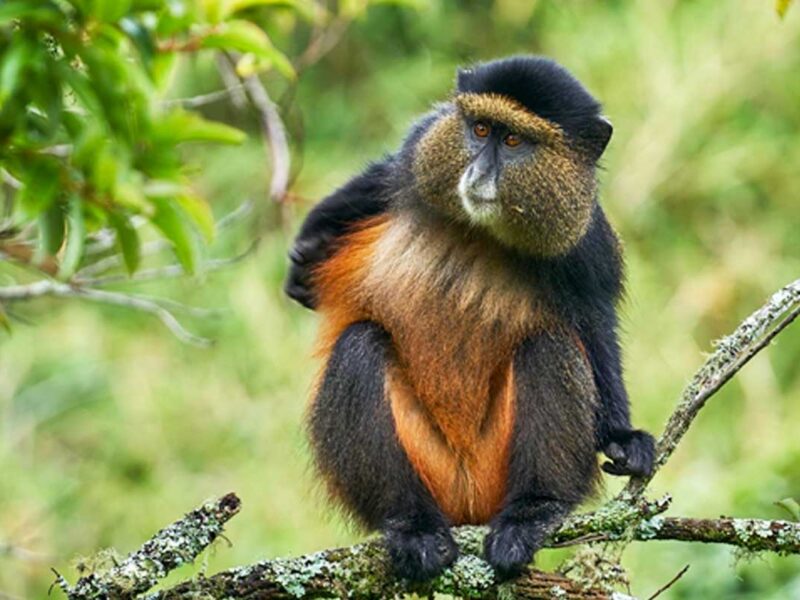
Rwanda’s premium goes beyond the permit. Lodges near the park range from comfortable mid-range options to genuinely five-star addresses like Wilderness Bisate, where nightly rates start above $2,500 per person. The park also offers golden monkey tracking as a same-region add-on and a hike to Dian Fossey‘s former research station for anyone building an extra day into the trip. The honest limitation: none of this changes what happens in the hour with the gorillas, which is essentially identical to Uganda’s. You’re paying for convenience and polish, not a better encounter.
Bwindi Impenetrable, Uganda: More Choice, Lower Cost, More Effort to Reach
Bwindi earns its name honestly. The park covers 321 square kilometres of dense, tangled montane forest in southwestern Uganda, split into four trekking sectors — Buhoma, Ruhija, Rushaga, and Nkuringo — each with its own gorilla families, terrain, and lodge scene. Buhoma, the original gorilla-tourism sector, offers the gentlest trekking and sits closest to Entebbe and Kampala. Rushaga holds the most habituated families and the best permit availability. Ruhija climbs to around 2,350 metres and runs noticeably cooler. Nkuringo rewards trekkers with dramatic views in exchange for some of the steepest trails in the park.
Getting there costs more time than money. The drive from Entebbe or Kampala runs eight to ten hours on roads that vary in quality, though a two-hour charter flight to Kihihi or a four-to-five-hour drive from Kigali via the Katuna border crossing cut that down considerably. In contrast, once you’re inside the forest, the trekking itself feels less manicured than Rwanda’s — thicker undergrowth, muddier trails, and a genuine sense of pushing into unmapped forest, which is exactly what draws some travellers to Bwindi over the more polished Rwandan experience.
Terrain and Trek Difficulty Compared
Neither park guarantees an easy walk, and any operator who promises one isn’t being straight with you. Volcanoes National Park’s volcanic slopes mean a genuinely steep opening climb, though the forest itself is more open underfoot once you’re in it. Bwindi’s difficulty comes less from elevation and more from density — thick vegetation, slippery slopes, and trek times that can run longer if the gorillas have moved far from the trailhead overnight. Trekkers with knee or hip concerns should ask their operator about porter hire in both countries, typically $15 to $20 per person, since carrying gear over either terrain adds up over several hours.
What Else You Can Pair With Each Trek
Rwanda rewards a shorter, more concentrated itinerary. Golden monkey tracking, the Dian Fossey hike, and Kigali’s genocide memorial all sit within a day’s reach of Volcanoes National Park, so a five-day trip covers a satisfying amount of ground without much driving. Uganda rewards a longer trip. Bwindi sits within striking distance of Queen Elizabeth National Park‘s game drives, Kibale‘s chimpanzee trekking, and a possible extension to Murchison Falls further north, so travellers building a two-week Uganda safari get more variety for the extra road time.
Choosing Between Volcanoes National Park and Bwindi
- Short trip, want convenience and don’t mind the price — Volcanoes National Park, Rwanda
- Longer Uganda safari already in the works, want to save on the permit — Bwindi, Uganda
- Want the gentlest possible terrain — neither is truly gentle, but Rwanda’s shorter overall trek time often suits older travellers better
- Want maximum sector and lodge choice, or a second gorilla trek after Rwanda — Bwindi’s four sectors
Is One Genuinely Better Than the Other?
Volcanoes National Park vs Bwindi isn’t really a contest with a winner — it’s a trade between money, time, and how the rest of your Africa trip is shaped. Rwanda gets you in and out fast with a polished lodge scene attached, for nearly double the permit fee. Uganda costs less and pairs naturally with a longer wildlife safari, in exchange for a much longer road to the trailhead. Either park delivers the same hour that makes people go quiet mid-sentence when they try to describe it afterwards.
Terenga Safaris books gorilla treks in both countries and can help weigh Rwanda’s convenience against Uganda’s value against whatever else is already on your itinerary, rather than defaulting to whichever park pays the better commission.