The Difference Between Bwindi Trekking Sectors
July 29, 2026
Bujagali Falls and the Source of the Nile
July 29, 2026
Why Karamoja Region Is Uganda’s Untouched Frontier
The Karamoja region in Uganda sits in the remote north-east. Granite peaks rise over cattle-grazed savannah bordering Kenya and South Sudan. Most visitors never reach it. Bwindi’s gorillas and the source of the Nile still draw the bulk of Uganda’s safari traffic. Karamoja, by contrast, registers barely a blip in the country’s tourism numbers.
That gap says little about what the region offers. It has far more to do with distance, past instability, and a road network that only recently improved. For travellers with a few extra days, the effort pays off. This piece covers how to reach the Karamoja region, what Kidepo Valley National Park and the Karamojong communities offer, and what it honestly costs.
Where the Karamoja Region Sits, and How to Reach It
The Karamoja region in Uganda occupies the north-eastern corner. It sits wedged between Kenya’s Turkana district and South Sudan. Its main town, Moroto, lies roughly 510 kilometres from Kampala by road. The drive takes nine to twelve hours, depending on the route and the state of the rains.
Kidepo Valley National Park, the region’s flagship attraction, lies further still. It sits about 558 kilometres from Kampala — tarmac for most of the way, dirt for the final stretch.
Flying cuts the journey considerably. Aerolink Uganda runs charter flights from Entebbe to Moroto in around ninety minutes. Fares start from roughly $300 and run to $450 one way. Flights to Kidepo’s Apoka airstrip take closer to two hours, typically $350 to $500, with Aerolink scheduling departures on Wednesdays, Fridays and Sundays.
A 4×4 vehicle earns its keep on the ground transfers at either end. Rain turns dirt roads to mud between March and November.
Kidepo Valley: The Karamoja Region’s Wildest Corner
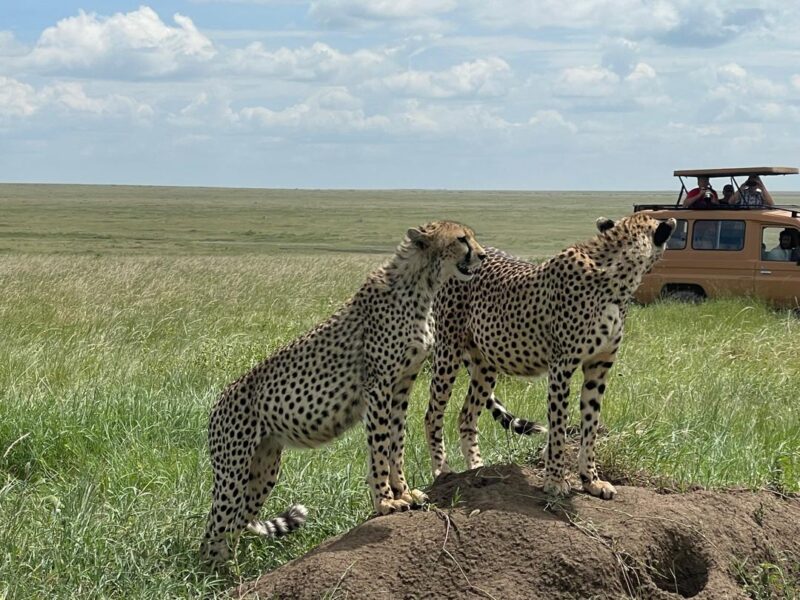
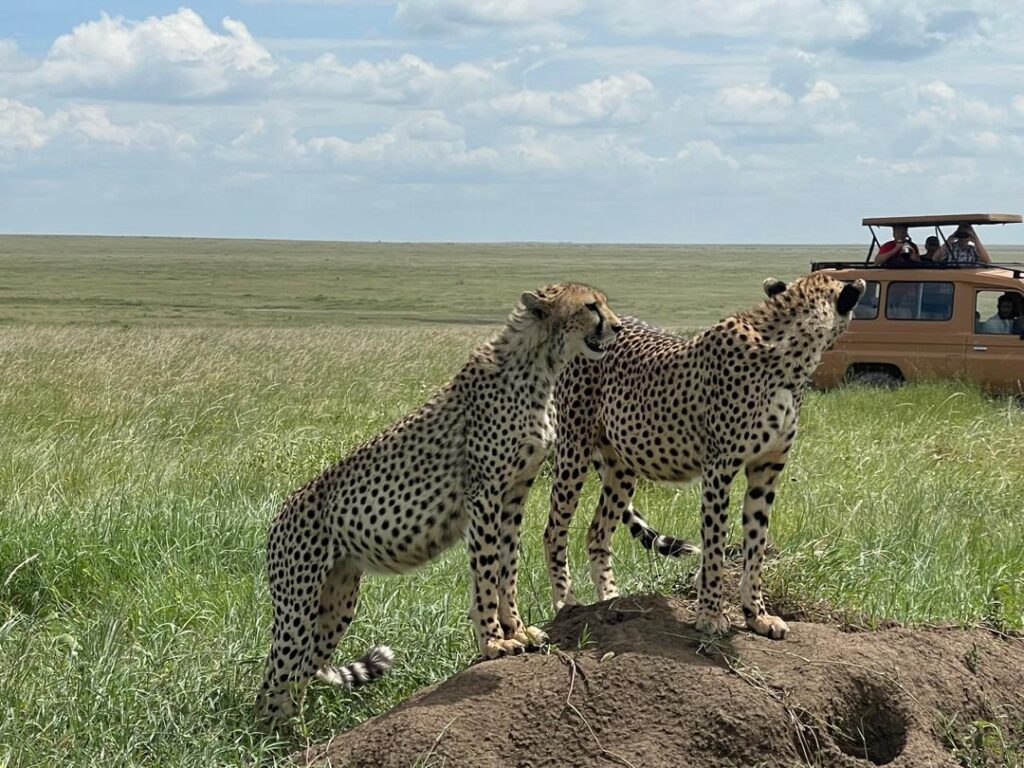
Uganda’s government gazetted Kidepo Valley National Park in 1962. The park protects 1,442 square kilometres of savannah, borassus palm groves and seasonal riverbeds in Kaabong district. It holds around 86 mammal species. More than 500 recorded bird species live here too, one of the highest counts of any Uganda park. Kidepo is also the only place in the country where visitors can reliably spot cheetah, alongside sightings of the increasingly rare wild dog.
Morning game drives cross open valley floor. Rothschild’s giraffe and buffalo move here against a backdrop of the Morungole and Napore mountains. Cheetah sightings happen most often on the grassland east of Apoka. The terrain opens out there, and prey gathers near seasonal water. Few other Uganda parks offer this combination: open sightlines, and this low a density of other vehicles.
A day permit costs $40 for foreign non-residents. Foreign residents pay $30, and East African citizens pay UGX 20,000. That permit stays valid for 24 hours from entry, per the Uganda Wildlife Authority’s published tariff.
Game drives cost extra, around $20 per person for non-residents. Accommodation ranges widely too: Kara-Tunga’s budget bandas run $10 to $60 a night, while Apoka Safari Lodge and Kidepo Savannah Lodge charge $150 to $350 per person, meals included.
The honest trade-off is distance. A visit to Kidepo demands at least four days once travel time is counted. Most itineraries pair it with a charter flight to make the numbers work. Travellers hoping to fit Kidepo alongside Bwindi and Murchison Falls in a single week will find the logistics push back.
The Karamojong: A Living Pastoral Culture
The Karamojong have herded cattle across this region for roughly four centuries. Anthropologists believe the group moved south from present-day Ethiopia around 1600 AD. The group later split. One branch continued into Kenya, forming the Kalenjin and Maasai clusters. The other settled at the base of Mount Moroto, where their descendants live today.
A guided visit to a manyatta — a homestead enclosure of thorn-fenced huts — gives a clearer sense of Karamojong life than any museum display. Cattle remain the centre of the economy and much of the culture. Wealth, marriage negotiations and status all still run through herd size. Warrior dances, storytelling and beadwork continue much as they did generations ago. Mobile phones and motorcycles now share the compound with cattle, though.
The wider Karamoja region also holds some of Uganda’s most significant rock art. Shelters at Nyero, Kadam and Napak carry paintings in red ochre. None of it appears in most Uganda guidebooks, which spend their pages on gorillas and game parks instead.
Cultural tourism done badly turns into a photo-op with no benefit to the people photographed. A licensed guide who works directly with the community makes the difference. Look for one who funds schools or water projects, rather than paying a flat fee to a middleman. Visitors should ask before photographing anyone and dress modestly. Cash matters too, since ATMs and mobile money agents stay scarce outside Moroto town.
Best Time to Visit the Karamoja Region, and What It Actually Costs
December to February and June to August bring the driest, most reliable travel conditions across the Karamoja region. Roads stay passable. Wildlife concentrates around Kidepo’s remaining water sources. Cultural ceremonies happen more frequently too, tied to the dry-season cattle migrations.
The rains fall between March and May, and again from September to November. They turn dirt roads to mud and can strand vehicles without four-wheel drive. Game viewing does not stop, and the landscape turns a deep green that photographs well. Self-drive travellers should still budget extra time and a 4×4 for this window.
Budgeting for the Karamoja region depends heavily on transport choice. Road transfers cost little beyond fuel and a guide’s day rate, but they consume two full travel days each way. Flying saves that time at a price: charter fares from Entebbe run from roughly $300 for Moroto to $500 for Kidepo, on top of park fees and lodging.
Fees, tariffs and flight schedules change without much notice. Confirm current figures with the Uganda Wildlife Authority or a licensed operator before booking.
Who the Karamoja Region Suits — and Who It Doesn’t
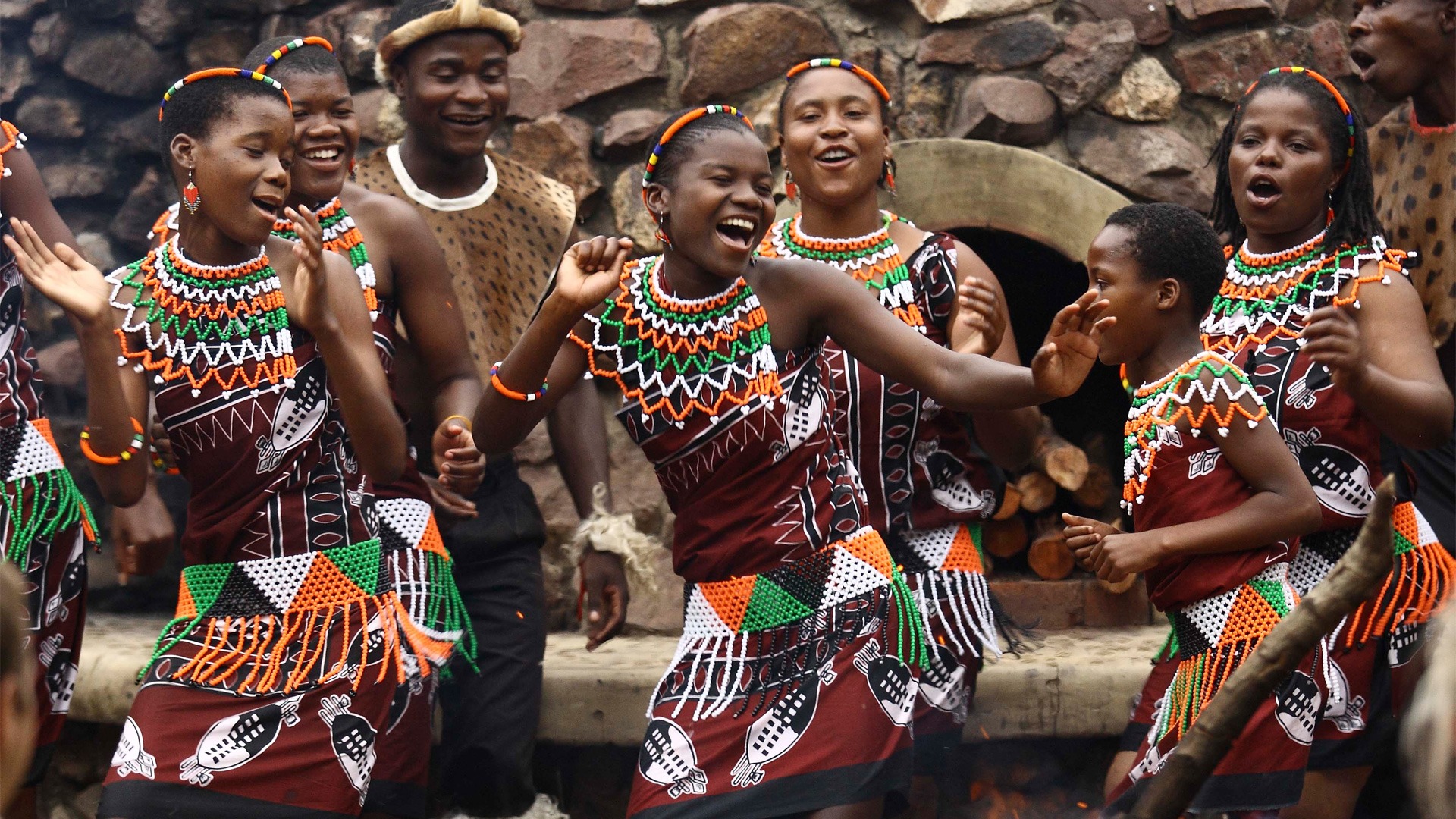
Traditional dance
The Karamoja region suits travellers who have already done a first Uganda safari. It also suits those who arrive with an itinerary built around at least ten days. Wildlife photographers chasing cheetah, wild dog or genuinely empty landscapes will find little competition for a good vantage point. Anyone drawn to cultural travel over checklist sightseeing will get more from a Karamojong homestay than a scripted “cultural village” nearer Kampala.
It suits fewer people on a first one-week trip to Uganda, where Bwindi, Queen Elizabeth and Murchison Falls already fill the calendar. Budget travellers counting every dollar will feel the cost of the extra flight or the extra driving days. Anyone uncomfortable with basic lodge infrastructure, patchy phone signal and long stretches without a shop should look closer to Kampala instead.
Is the Karamoja Region Worth the Journey?
The Karamoja region rewards travellers who treat it as a destination in its own right, not a side trip squeezed into a packed circuit. Kidepo’s wildlife and the Karamojong’s pastoral culture do not need a hard sell. The numbers above, and the honest trade-offs alongside them, should be enough to decide whether the extra days and cost make sense for a particular trip.
For travellers weighing a Karamoja itinerary against the rest of Uganda’s parks, Terenga Safaris can build the road-and-air logistics, permits and community-vetted guiding into a single plan. It’s worth a conversation before locking in dates. Few corners of East Africa still offer this much space, and this little competition for it. That alone is reason enough to give Karamoja more than a glance.