Community Tourism in Uganda
July 27, 2026
How difficult is gorilla trekking?
July 27, 2026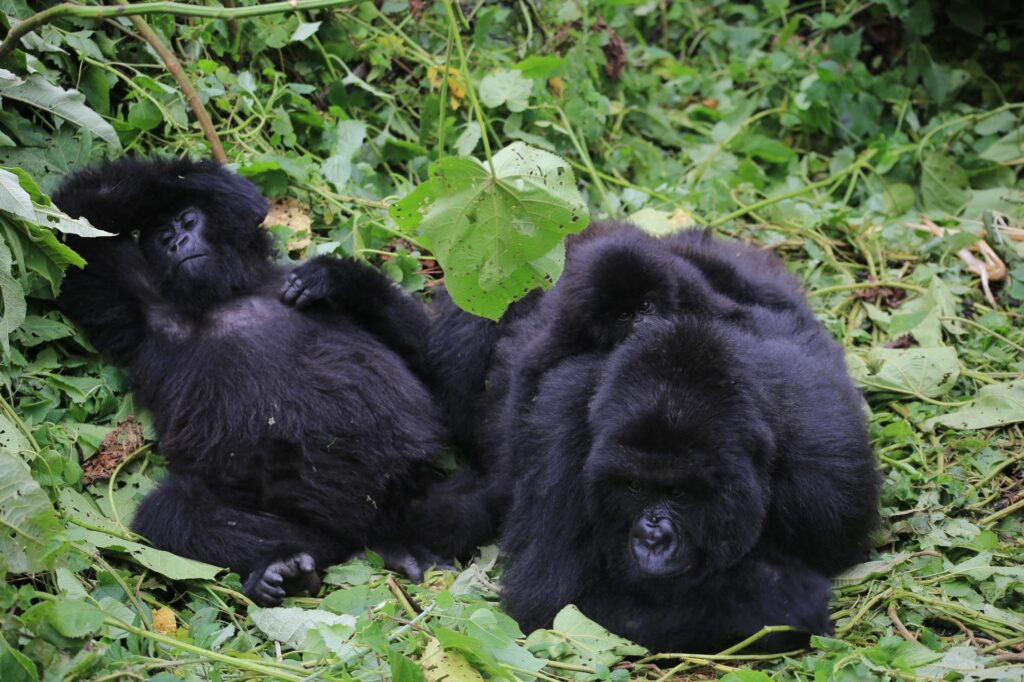
Gorilla Trekking Difficulty
Gorilla trekking difficulty in Uganda depends less on distance and more on what lies beneath your boots. Bwindi Impenetrable Forest earned its name honestly. Tangled vines, slick mud and steep volcanic slopes stand between visitors and a family of mountain gorillas. Ask ten trekkers how hard it was and you will get ten different answers. Terrain, weather and the gorillas’ location all decide the day. This guide breaks down what actually makes the trek demanding. It also covers who copes with it comfortably, and who might want to think twice before booking.
What Actually Drives Gorilla Trekking Difficulty
Three things determine gorilla trekking difficulty on any given day: altitude, terrain and where the gorillas happen to be. Bwindi sits between 1,160 and 2,607 metres above sea level. Most treks start somewhere in that range. Add humidity, uneven ground and dense undergrowth, and even a short walk becomes hard work.
Rangers track each gorilla family’s movements the morning of your trek. Nobody knows the distance in advance. Some groups sit close to the trailhead and take an hour to reach. Others wander deep into the forest overnight. What should be a short morning hike can turn into a five- or six-hour push through steep, muddy terrain. That unpredictability drives gorilla trekking difficulty more than fitness level or age ever will.
A Morning on the Trail: How Hard the Trek Actually Feels
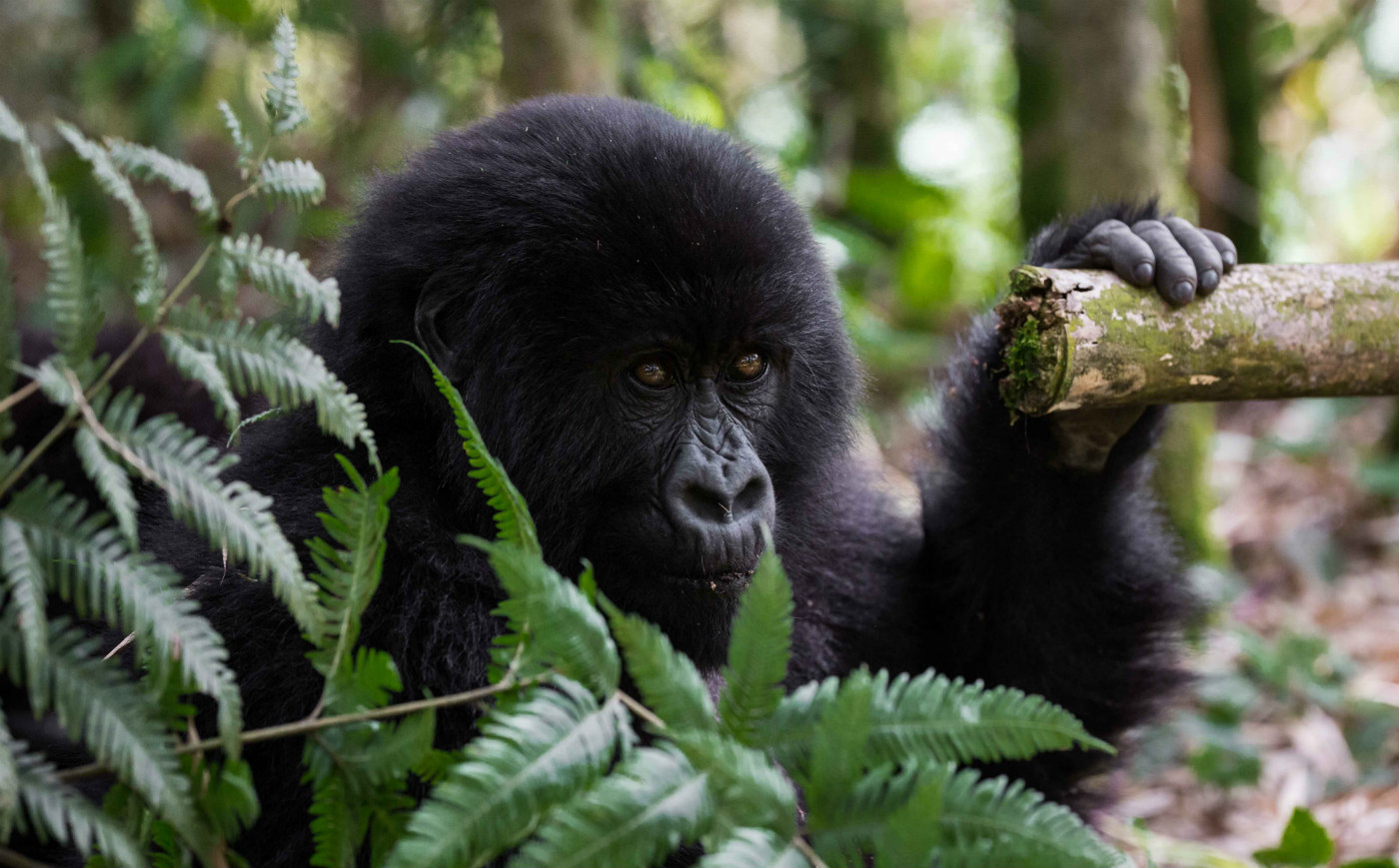
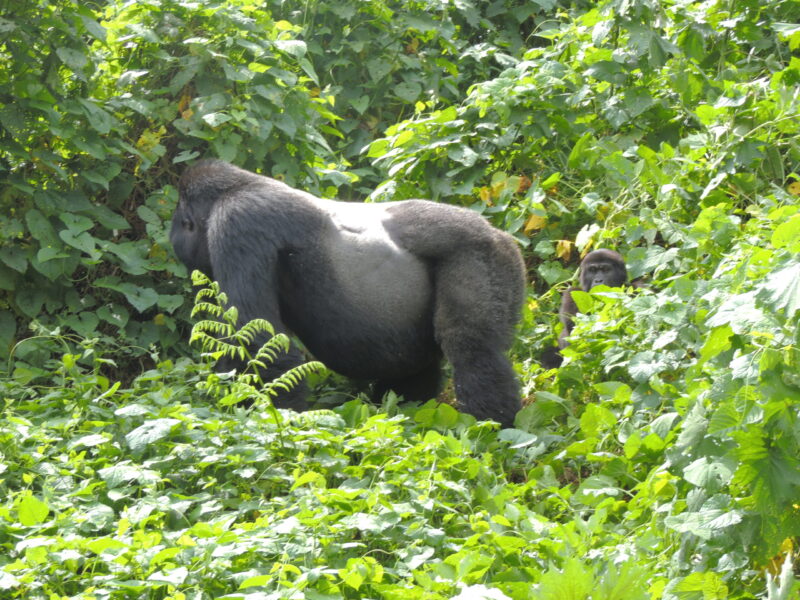
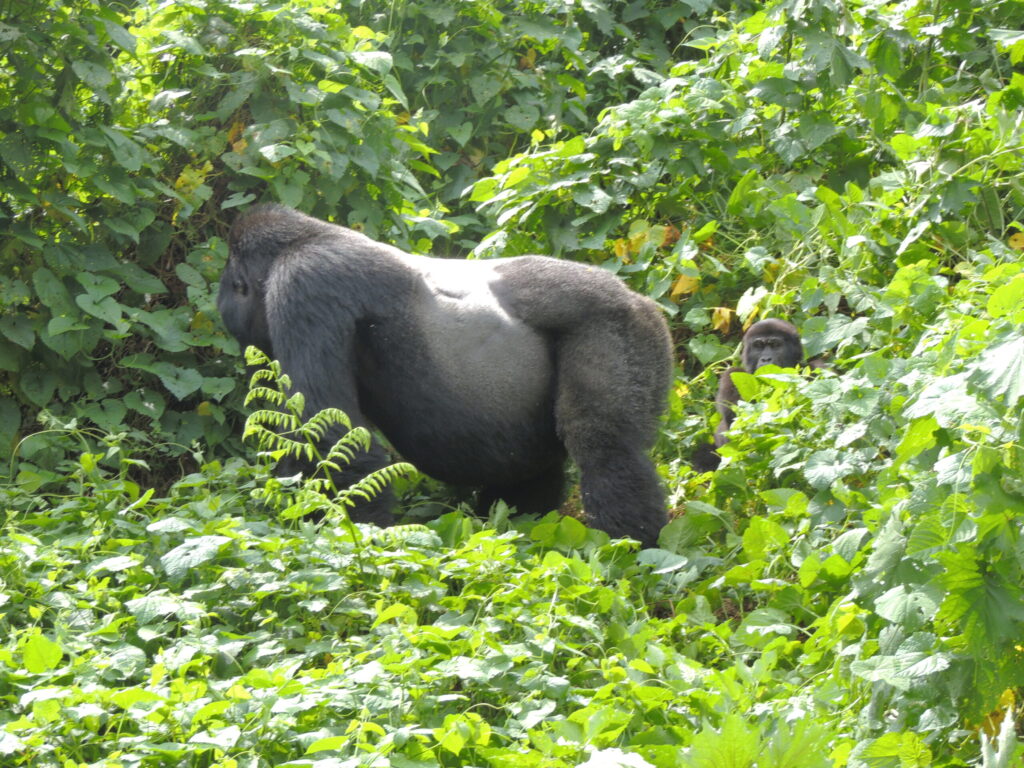
Gorilla Trekking
The day starts early. Trekkers gather at park headquarters by 7:30am for a briefing. Uganda Wildlife Authority rangers assign groups based on fitness and party size. Then you walk.
Bwindi’s trails climb almost immediately. Roots snake across the path. Rain arrives most afternoons, even in the dry season, and the red volcanic soil turns to a slippery paste. Local porters, available for around $15–20, carry day packs and steady trekkers on the steeper sections. Most people use one, regardless of fitness level.
Trackers radio ahead once the gorillas are close. Rangers then ask you to leave walking sticks and bags behind. You cut through the last stretch of undergrowth on foot, sometimes on hands and knees. The forest opens onto a gorilla family going about its morning. The hour with them passes quickly. The walk back down often feels harder than the climb up, as tired legs meet the same slick slopes in reverse.
Fitness and Age: Who Handles the Difficulty Well
Uganda Wildlife Authority sets no strict fitness test. The trek still demands more stamina than a typical game drive. Reasonably active adults who walk regularly manage the terrain fine, even without hiking experience. Trekkers who run, hike or cycle a few times a month tend to find the physical side of gorilla trekking difficulty overstated.
Age itself matters less than mobility. UWA requires trekkers to be at least 15 years old, but sets no upper limit. Travellers in their seventies complete the trek regularly, often with a porter and a slower pace. Joint health, breathing capacity at altitude and honesty about your own limits matter far more than your age.
Bwindi vs Mgahinga: Does Difficulty Vary by Park?
Bwindi Impenetrable National Park is home to more than 25 habituated gorilla families. It hosts the vast majority of Uganda’s treks. Its four sectors, Buhoma, Ruhija, Rushaga and Nkuringo, share the same dense, hilly terrain. Ruhija and Nkuringo sit higher, though, and tend to feel tougher underfoot.
Mgahinga Gorilla National Park has a single habituated family and sits at the base of the Virunga volcanoes. Treks here can climb the lower slopes of Mount Muhabura, so the gradient runs steeper in places. The shorter approach distance often balances things out. Anyone deciding between the two parks should weigh altitude against distance rather than assume one is simply easier.
How Season Changes Gorilla Trekking Difficulty
Uganda’s dry seasons run roughly June to September and December to February. These months bring firmer trails and lower odds of a downpour mid-trek. Most trekkers choose them for that reason, and permits sell out furthest in advance across them.
The rainier months of April, May and November change the equation. Mud deepens and visibility in the undergrowth drops. The trek can take noticeably longer as a result. Uganda Wildlife Authority now discounts permits to $600 for foreign non-residents during these low-season months, against $800 in high season. That is a real saving for trekkers happy to trade dry trails for a quieter forest. The discount does not extend to rescheduling, though. A low-season permit locks you into that window, so it suits fixed, flexible-enough travel dates rather than an easy fallback plan.
Preparing Your Body for the Trek’s Physical Demands
A few weeks of regular walking or light cardio before the trip make a real difference on the day. Waterproof, ankle-supporting boots matter more than any other single item, since the forest floor rarely stays dry for long. Gardening gloves protect hands from nettles and thorny undergrowth. Most trailheads offer a free walking stick, which takes real pressure off the knees on the descent.
Pack light. Porters carry the rest, and a heavy daypack works against you on narrow, root-covered paths. Rain gear belongs in every trekker’s bag regardless of season. Bwindi’s weather shifts fast and without much warning.
Permits, Porters and Costs: The Practical Numbers
A standard gorilla permit costs $800 per foreign non-resident. It covers the trek, ranger guidance and one hour with the gorillas. Foreign residents pay $700, and East African citizens pay a fraction of that. Uganda Wildlife Authority now requires full payment at the time of booking, so accurate budgeting matters more than it once did.
Around 160 permits become available across Bwindi and Mgahinga each day. Demand regularly outstrips supply during the June-to-September and December-to-February peak months. Booking three to six months ahead gives the best chance of a date that suits your itinerary, particularly if gorilla trekking difficulty and season both weigh on your decision.
Who Should Reconsider the Physical Demands
Gorilla trekking rewards patience and reasonable fitness, but it is not for everyone. Trekkers with significant knee, hip or heart conditions should talk to a doctor before booking. A multi-hour hike on uneven, high-altitude terrain carries real strain. Anyone who struggles with several hours of continuous walking on flat ground will likely find Bwindi’s slopes harder still.
Claustrophobia in dense undergrowth, a fear of insects, or trouble with humidity and heat are all worth weighing honestly too. None of these rule out a trek outright. Pairing them with a porter, a private group booking or a gentler sector such as Buhoma can make a real difference.
Making the Call
Gorilla trekking difficulty in Uganda comes down to unpredictable terrain, not raw distance. Most reasonably active travellers manage it well with a porter and a realistic pace. The hour spent beside a gorilla family tends to make trekkers forget the climb entirely, once they are there.
If you are weighing which park, season or sector suits your fitness level, Terenga Safaris can match your itinerary to the right trailhead and time of year, permit rules included. Confirm permit prices and low-season dates with Uganda Wildlife Authority before booking, since both shift from year to year.