15 Facts About Uganda’s Mountain Gorillas That Will Surprise You
July 10, 2026
East Africa’s Spectacular Landscapes.
July 13, 2026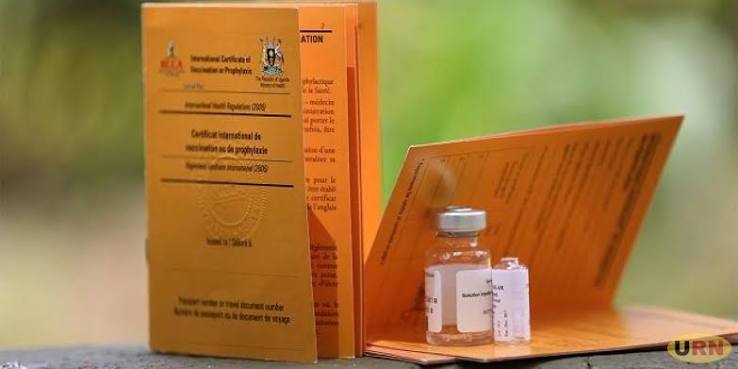
SEO CONTENT BRIEF
Uganda Vaccinations Recommended Before You Travel
Nobody wants to think about injections when they are daydreaming about mountain gorillas. But getting your vaccinations right before travelling to Uganda matters. It separates a smooth, confident journey from an anxious one. Done properly, it takes no more than a few appointments and a little planning. Done carelessly, it can complicate an otherwise extraordinary trip.
Uganda sits in the heart of equatorial Africa and shares borders with the Democratic Republic of Congo, Rwanda, Tanzania, Kenya, and South Sudan. It is a country of remarkable biological diversity — rainforest, savannah, mountain, and wetland. That ecological richness shapes a health landscape, and visitors from Europe, North America, or Asia need to navigate it thoughtfully. The good news: doctors have well-established, widely available vaccines for Uganda, and you can get them easily with enough notice.
What follows is an honest, practical breakdown of every vaccination to consider before entering Uganda. It covers what each vaccine protects against, who needs it, and where genuine uncertainties remain. This isn’t a substitute for advice from a travel health clinic or your own physician. It will, though, give you a clear picture of what to expect before that appointment.
Yellow Fever Vaccination: The One You Cannot Afford to Miss
Yellow fever is the single most important vaccination to sort out before travelling to Uganda, and not only for health reasons. Uganda requires proof of yellow fever vaccination as a condition of entry for travellers arriving from yellow fever-endemic countries. Depending on where you’re travelling from, and sometimes even if you’re transiting through an endemic country, border officials may refuse you entry without a valid International Certificate of Vaccination or Prophylaxis. This document is commonly known as the yellow card.
The virus itself is a serious one. Mosquitoes transmit yellow fever, which causes fever, muscle pain, jaundice in severe cases, and can be fatal. There is no treatment beyond supportive care, which makes prevention the only reliable strategy. The vaccine, however, is highly effective. A single dose gives lifelong protection to most recipients, and the World Health Organisation updated its guidance in 2016 to reflect this. Most travellers will not need a booster.
Get this vaccine at least ten days before you travel. The certificate only becomes valid ten days after the injection. Last-minute vaccinations, while better than none, won’t satisfy entry requirements on arrival day. Some travellers discover this at check-in, which is a deeply avoidable situation.
A single yellow fever vaccine provides lifelong protection for most travellers — but its certificate only becomes valid ten days after the injection. Plan accordingly.
Medical exemptions exist for people who cannot receive the yellow fever vaccine due to certain allergies or immune conditions. If you fall into this category, you will need an official exemption letter from a certified travel health clinic. Carry it with you and expect additional scrutiny at entry points.
Routine Vaccinations You Should Confirm Before Travelling to Uganda
Before focusing on Uganda-specific health risks, it is worth confirming that your routine vaccinations are current. Many adults have gaps without realising it. Boosters lapse, travel schedules compress, and it’s easy to assume everything is in order when it isn’t.
Hepatitis A: Relevant Across Uganda
Contaminated food and water transmit hepatitis A. In Uganda, water infrastructure varies considerably between urban areas and remote national parks. The risk is real for travellers staying anywhere other than high-end lodges with carefully controlled water sources. The vaccine is highly effective, offers long-term protection after two doses, and doctors recommend it for virtually all travellers to Uganda, regardless of itinerary. This is one to prioritise.
Hepatitis B: Worth Including for Longer Trips
Blood and bodily fluids transmit hepatitis B. For short safari visits staying in established lodges, the risk is low but not negligible. This matters particularly if there’s any chance of medical treatment abroad or activities with injury risk. For longer trips, volunteers, researchers, or anyone who might require medical care in Uganda, hepatitis B vaccination is strongly advisable. Clinics typically deliver it as a three-dose course over six months, though an accelerated schedule exists for those with less preparation time.
Typhoid: Particularly Relevant Outside Urban Centres
Typhoid is another food and waterborne illness that Uganda-bound travellers should protect against. It’s more likely to concern travellers venturing into rural areas, community visits, or anywhere with limited access to clean water. Even in Kampala, food hygiene standards vary considerably between establishments. The typhoid vaccine comes in injectable and oral forms. Both offer solid protection, though neither is 100 per cent effective, so food and water hygiene remain important even after vaccination.
Tetanus, Diphtheria, and Polio: Check Your Records
These are standard components of childhood vaccination programmes in most countries, but adults frequently discover their boosters have lapsed. Doctors recommend a combined Td/IPV booster every ten years. A Uganda trip is a sensible occasion to check your records and top up if needed. Tetanus in particular matters for any outdoor traveller. A cut from a fence post, a fall in the forest, or contact with soil all carry a small but real risk.
Malaria in Uganda: Vaccination Is Not the Answer — But Prevention Is Everything
Malaria deserves special attention in any discussion of Uganda health precautions. Not because there’s a vaccine to discuss for adults — researchers have approved a malaria vaccine for children in high-burden areas, but it isn’t part of the standard adult travel health toolkit. Malaria remains one of the most significant health risks for travellers to Uganda, and prevention and treatment both work well when you take it seriously.
Uganda has some of the world’s highest malaria transmission rates. The parasite occurs across almost all of the country, including national parks. Bwindi Impenetrable Forest, Queen Elizabeth National Park, Murchison Falls — malaria-carrying mosquitoes are active in all of them, particularly around dusk and dawn. Altitude offers partial protection. Areas above roughly 2,500 metres, including parts of the Rwenzori Mountains, carry lower risk, but don’t treat that as an exemption from precautions.
Malaria in Uganda is not a reason to avoid the country. It is a reason to prepare carefully — and the preparation is not complicated.
Doctors strongly recommend antimalarial medication for all travellers to Uganda. Clinics most commonly prescribe atovaquone-proguanil (sold as Malarone), doxycycline, and mefloquine. Each has different schedules, side effect profiles, and cost points. Malarone is popular among safari travellers for its short pre- and post-travel dosing window and generally mild side effects. It costs more, though. Doxycycline is effective and widely available, but you must take it daily. It can also cause sun sensitivity, worth considering if you’ll spend long hours outdoors. Discuss the options with your travel health clinic based on your medical history.
Beyond medication, physical precautions matter considerably. Long-sleeved clothing in neutral colours at dusk and dawn reduces exposure meaningfully. So does DEET-based insect repellent on exposed skin, and sleeping under a treated net. Even when lodges provide nets, check that yours is undamaged and properly tucked in. No single precaution is foolproof; the combination of antimalarial medication and physical protection is the standard approach.
Meningitis Vaccination: Recommended for Some, Essential for Others
Meningococcal meningitis isn’t Uganda’s most prominent travel health concern. But it occupies a portion of the East African risk landscape worth understanding. The meningitis belt — the region of sub-Saharan Africa with the highest rates of meningococcal disease — sits primarily in West and Central Africa. Outbreaks do occur in Uganda, though, particularly in drier periods.
Doctors recommend the meningococcal ACWY vaccine for travellers spending extended periods in Uganda or visiting during the dry season. It also suits anyone planning significant community contact, or travellers with compromised immune systems. For short-stay lodge-based safari visitors with limited community contact, the risk is lower. The vaccine is well tolerated, though, and you’ll make the best decision with a travel health professional who can assess your specific itinerary.
Travellers heading to Uganda as part of a longer East African journey that includes the Hajj or Umrah should consider meningitis vaccination a higher priority. The same goes for anyone spending extended periods in high-density settings.
Rabies: The Vaccination Decision That Depends on Your Itinerary
Rabies is present in Uganda. Dogs, monkeys, bats, and other mammals carry it. Uganda’s combination of wildlife encounters and urban, semi-feral dog populations creates genuine exposure risk. The question of whether to vaccinate before travel genuinely depends on your plans.
Pre-exposure rabies vaccination — a course of three injections over three to four weeks — suits travellers spending extended periods in rural areas, those with significant wildlife contact planned, volunteers, and researchers. It’s also worth considering if you might be far from medical facilities if bitten. It doesn’t eliminate the need for treatment after a bite. But it simplifies and extends the treatment window significantly, which matters when you’re several hours from the nearest reliable hospital.
For short-stay visitors primarily based at established lodges with guided wildlife activities, the risk is lower — but not zero. Primate contact carries specific risk. Chimpanzee tracking in Kibale National Park and gorilla trekking in Bwindi both bring travellers close to animals that can bite. Rangers and guides maintain strict protocols, but animal behaviour is not entirely predictable. The pre-exposure rabies vaccine is worth discussing seriously with your travel clinic if primate trekking is on your itinerary.
If an animal bites you anywhere in Uganda, seek medical attention immediately. Do not wait to see whether symptoms develop. Rabies, once symptomatic, is almost always fatal.
Cholera Vaccination: Relevant in Specific Circumstances
Cholera is not a high-priority vaccination for the typical Uganda safari traveller staying in lodge accommodation. Contaminated water and food transmit it primarily, in conditions of poor sanitation. Most lodges and camps work hard to prevent exactly that kind of environment. However, cholera is genuinely present in Uganda, particularly near the DRC border and in displaced population settings. Outbreaks have occurred in recent years.
Doctors recommend the oral cholera vaccine, Dukoral, for aid workers and medical volunteers. It also suits anyone spending significant time in high-risk communities or settings with limited sanitation. For standard safari visitors, food and water hygiene matters more. Drink only bottled or treated water, and avoid raw foods from unknown sources.
Special Considerations for Gorilla and Chimpanzee Trekking
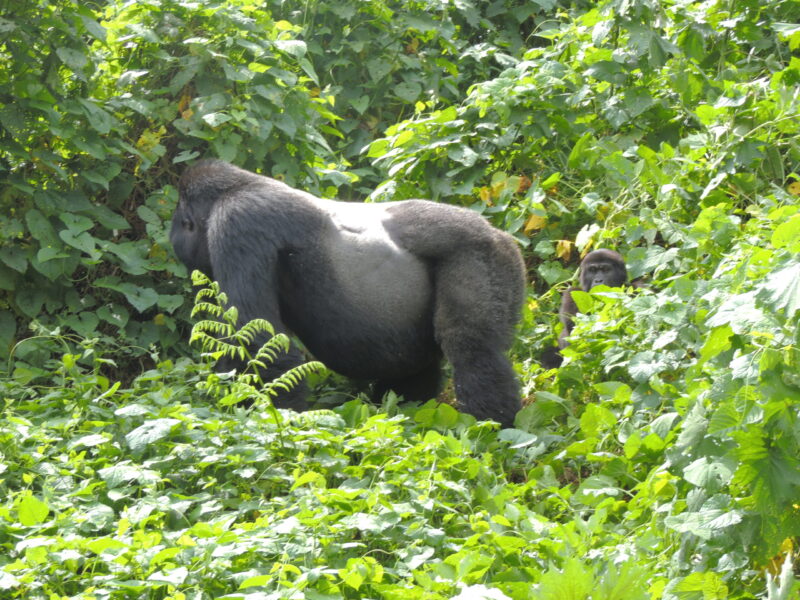
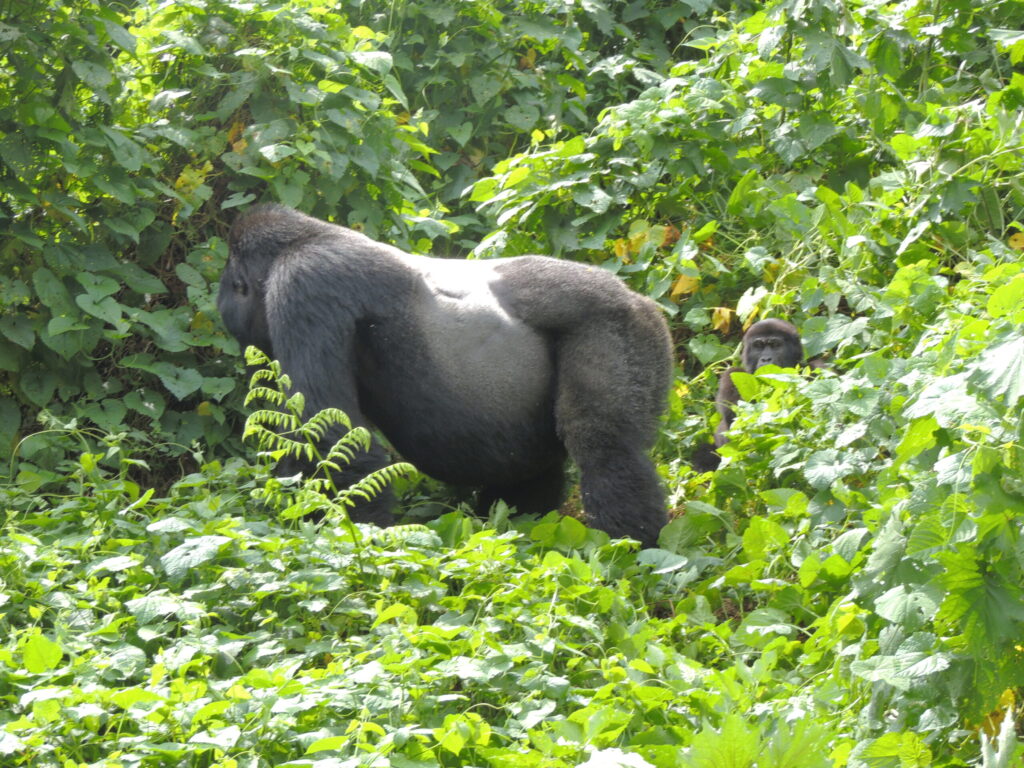
Gorilla trekking in Bwindi Impenetrable National Park is one of the most extraordinary wildlife experiences available anywhere on Earth. It is also a context with specific health considerations that go beyond the standard Uganda vaccination list.
Mountain gorillas share approximately 98 per cent of human DNA. That means they’re susceptible to many of the same respiratory illnesses humans carry. Uganda Wildlife Authority mandates that any visitor showing signs of a cold, flu, or respiratory infection must not enter the forest. This is not an inconvenience policy — it is a genuine conservation measure. If a respiratory virus enters a gorilla family, it could spread rapidly through the group. The consequences could be devastating for a species that numbers fewer than 1,100 individuals worldwide.
Practically, this means that if you develop cold or flu symptoms right before your gorilla trek, officials may not let you go. Travel insurance policies differ on whether this constitutes a covered reason for trip interruption, so it is worth checking your policy before departure. Some operators will allow you to reschedule within your travel window if a permit is available; others cannot make guarantees.
Beyond respiratory health, ensure your vaccinations are current before trekking. A small but real risk of contact, accidental or otherwise, with primates exists in the forest. The pre-exposure rabies discussion is particularly relevant here. Wear long sleeves and gloves if recommended, follow your guide’s instructions precisely, and maintain the required seven-metre distance from the gorillas at all times.
When to Visit a Travel Health Clinic Before Your Uganda Trip
The single most practical piece of advice in this article is this: book an appointment with a travel health clinic, or a GP experienced in travel medicine, at least six to eight weeks before departure. This is not overcaution. Several of the vaccines covered here need multiple doses spaced weeks apart. Antimalarial prescriptions also benefit from a proper consultation, rather than a pharmacist’s guess at which medication suits you.
At a good travel health consultation, the clinician reviews your vaccination history and assesses your specific Uganda itinerary: dates, regions, accommodation types, planned activities. From there, they recommend a tailored vaccination and prophylaxis plan. They will also advise on medications for traveller’s diarrhoea, altitude sickness if relevant, and any other health considerations specific to your travel style.
If your departure is within four weeks, it is still worth going. Clinics can accelerate some vaccines and give others simultaneously, and even a partial course provides more protection than none. Do not let a tight timeline become a reason to skip the consultation entirely.
A Practical Uganda Vaccination Checklist Before You Fly
This summary offers a starting point for your travel health conversation, not a definitive prescription. Individual medical history, travel itinerary, and current health conditions all affect what’s right for you specifically.
Required
- Yellow fever — mandatory proof of vaccination for entry from endemic countries; allow ten days for the certificate to become valid.
Strongly Recommended for Most Travellers
- Hepatitis A — relevant across all Uganda itineraries due to food and water exposure risk.
- Typhoid — particularly important for travel beyond established urban centres or high-end lodges.
- Antimalarial medication — not a vaccine, but essential; discuss options with a travel health professional.
- Tetanus, diphtheria, and polio — confirm your routine boosters are current.
Recommended Based on Itinerary and Duration
- Hepatitis B — particularly for longer trips, volunteers, or travellers likely to require medical care.
- Rabies (pre-exposure) — strongly worth considering for primate trekking, extended rural travel, or stays far from reliable medical facilities.
- Meningococcal meningitis — recommended for extended stays, community contact, or dry season travel.
- Cholera — relevant primarily for aid workers, volunteers, and those in high-risk community settings.
Travelling to Uganda Prepared Is Travelling Well
Uganda rewards preparation. The country offers experiences you can’t easily replicate anywhere else: standing a few metres from a silverback mountain gorilla, watching the sun set over the Kazinga Channel, listening to chimpanzees call through Kibale’s canopy. Arriving healthy and confident allows you to be fully present for all of it.
The vaccination process, once started, is not burdensome. Most travellers need no more than three or four appointments across six to eight weeks. The protection those appointments provide travels with you for years. The antimalarial routine becomes habit within days. The yellow card lives in your travel wallet next to your passport. None of it occupies much of your attention once you are in the forest, watching a gorilla go about its morning.
Start early, consult a travel health professional, and carry your documentation. Everything else — the permits, the packing list, the logistics of getting to Bwindi — tends to fall into place around a solid health preparation.
Uganda’s parks, forests, and waterways are among the most rewarding destinations in Africa. A few hours of health preparation is a small investment for the experience that follows.
At Terenga Safaris, we include detailed pre-travel health guidance in the planning process for every Uganda itinerary. We know a well-prepared traveller has a better experience, and we want every traveller to see Uganda at its best. If you’re planning a Uganda safari and want help designing an itinerary that matches your interests and travel style, we’re glad to assist.