Where Can I See Tree-Climbing Lions?
July 9, 2026
Which Country Is Best for Gorilla Trekking: Uganda or Rwanda?
July 9, 2026
Uganda Safari Costs Explained: What You’ll Really Pay in 2026
Uganda safari costs have a reputation for being opaque, and that reputation is partly fair. Headline prices — park fees, the gorilla permit, the lodge rate — tell only part of the story. Smaller costs follow: conservation levies at the gate, ranger escort fees you didn’t expect, a tourism development tax on your bill, and a tipping culture that feels genuine but can catch unprepared travellers off guard.
None of this should put you off. Uganda still ranks among Africa’s most competitively priced safari destinations for what it delivers. Accurate expectations make the difference between a trip that feels like great value and one full of surprises. This guide breaks down Uganda safari costs honestly, so you can budget for the trip you actually want.
The Costs Everyone Expects
International flights from Europe to Entebbe cost £700 to £1,400 return, depending on season and how early you book. May and November often bring the best fares, but they fall in wetter months, which affects road conditions.
Park fees follow a clear structure. The Uganda Wildlife Authority charges $40 per person per day at Murchison Falls and Queen Elizabeth. Kibale Forest costs $40 for entry plus $200 for chimpanzee tracking, paid separately at the gate.
Accommodation varies most. Mid-range lodges near Queen Elizabeth or Murchison charge $150 to $350 per person per night, meals included. Budget bandas and campsites drop below $50. Luxury tented camps start around $400 and climb well beyond that.
Gorilla Permits: The Biggest Single Cost
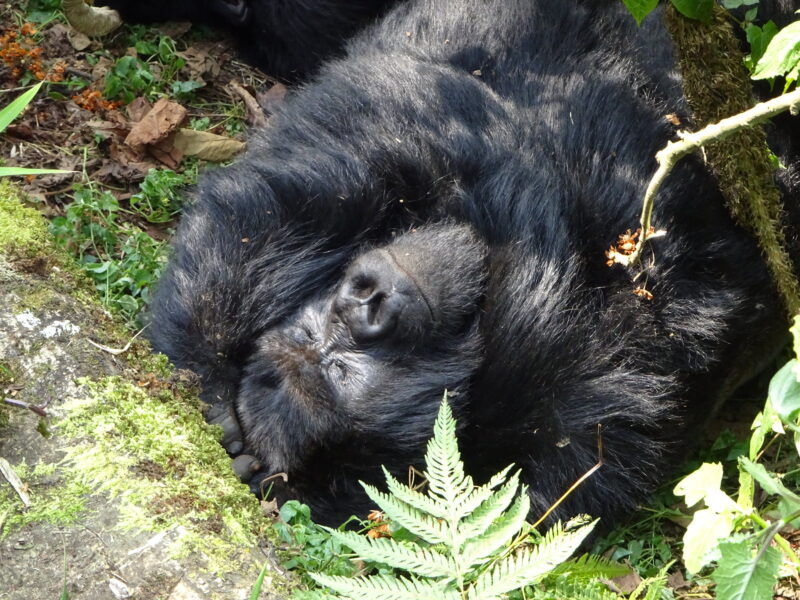
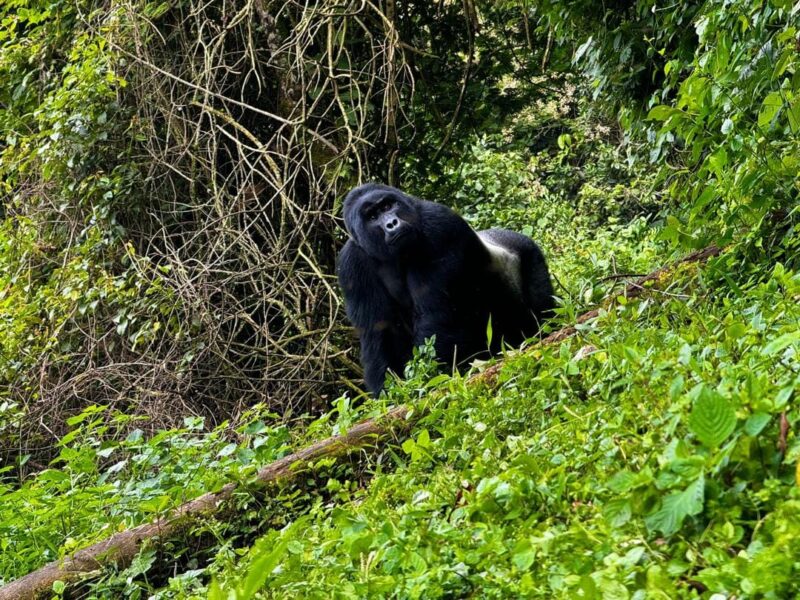
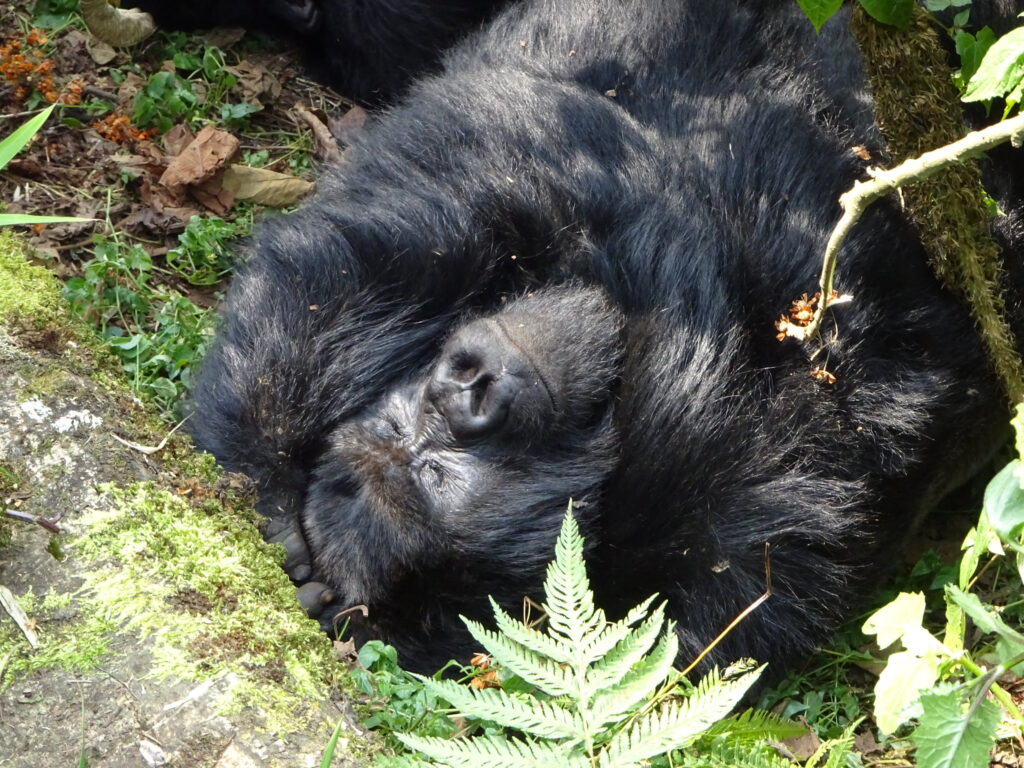
If you’re trekking mountain gorillas in Bwindi, the permit sets the tone for your whole budget. At $800 per person, it isn’t cheap — but most people who do it call it the best wildlife experience of their lives.
The fee covers the permit, a ranger guide, and one hour with a habituated gorilla family. It doesn’t cover transport to Bwindi, six to eight hours from Kampala by road or a short flight from Entebbe. It also excludes accommodation and tips for trackers and porters.
Hire a porter. It costs $15 to $20 and helps enormously on steep sectors like Rushaga or Nkuringo, where mud and elevation wear down even fit hikers.
Book permits three to six months ahead for June-September or December-January travel. Popular gorilla families sell out fast, and arriving without a permit ruins more trips than you’d expect.
The Hidden Fees Nobody Mentions
Most booking sites skip this part, so here it is plainly. Uganda charges a three per cent Tourism Development Levy on most accommodation bills. Some properties add a five to ten per cent service charge on top, separate from any tips you leave.
Community fees apply at several popular sites outside the parks. A walk to Sezibwa Falls or a visit to a Batwa community costs $5 to $20 per person. These fees fund local projects, and most travellers pay them gladly once they understand the purpose.
Rangers often escort walks beyond the vehicle circuit, for safety and conservation reasons, and charge $10 to $30 for it. At Ziwa Rhino Sanctuary, rhino tracking costs around $40, separate from accommodation or game drives.
Treat every notable activity — chimp tracking, Kazinga Channel cruises, Kigezi highland walks — as a likely extra cost unless your itinerary states otherwise.
Why Transport Adds Up
Uganda isn’t large, roughly the size of the UK, but travel times between parks add up. Murchison Falls sits four to five hours from Kampala. Bwindi takes six to eight. Kidepo Valley, the most remote park, takes nine to ten hours over rough roads.
Most visitors hire a private 4WD with a driver-guide, costing $200 to $350 per day. Fuel and park vehicle fees add another $50 to $100 daily, depending on distance travelled.
Charter flights connect Entebbe, Murchison and Kihihi, Bwindi’s airstrip, and cut travel time sharply. A return flight to Kihihi costs $400 to $600 per person, worth it when time matters more than money.
Experienced travellers can self-drive with a robust 4WD and solid navigation skills. It cuts costs but removes a guide who knows where wildlife concentrates and how to handle logistics on the road.
What to Budget for Tipping
Tipping isn’t listed on any itinerary, but it belongs in your budget. Uganda’s safari industry relies on it to supplement wages, and guests genuinely expect it, even though it’s never mandatory.
Tip your driver-guide $15 to $25 per day for a couple, more for larger groups. Give gorilla trackers and rangers $10 to $15 each after the trek. Leave $5 to $10 per person per night for lodge staff, usually through a shared box at reception.
Tip Bwindi porters an extra $5 to $10 beyond their fixed fee. Budget $15 to $30 per person per day in tips across the whole trip.
How Season Changes the Price
Uganda doesn’t have one clear peak season like Kenya’s migration months, but prices still shift. June to August and December to February draw the most visitors and carry peak rates. March to May and October to November bring lower prices and fewer crowds.
Parks stay open through the wet season. Game drives continue, though heavy rain sometimes closes tracks. Gorilla trekking runs year-round too, but wet-season treks demand more effort, since gorillas move further to feed. The $800 permit fee doesn’t drop for this, which keeps the dry season popular with first-timers.
Low-season lodge rates fall by twenty to forty per cent. Permits become easier to secure, especially for less-visited gorilla families. Travellers who’ve done Uganda before often prefer the wet season for its greener scenery, better birding, and far fewer people.
Uganda Safari Costs by Budget Level
Combine fixed costs — permits, park fees, transport — with variable ones like lodging to build a realistic daily budget. Here’s an honest breakdown, excluding flights.
Budget: $150 to $250 per day. Camping or budget lodges, shared transport, and parks that don’t require primate permits. A ten-day trip with one gorilla permit runs $3,500 to $4,500 per person.
Mid-range: $300 to $550 per day. Comfortable lodges with full board, a private vehicle and guide, plus gorilla trekking, chimp tracking and a Kazinga Channel cruise. Ten days totals $6,000 to $9,000 per person.
Luxury: $700 to $1,500-plus per day. Properties like Buhoma Lodge or Paraa Safari Lodge deliver real comfort in remote settings, with charter flights replacing road transfers. Ten days reaches $12,000 to $18,000 per person, still generally below equivalent Kenya camps.
Getting Real Value From Your Budget
Value doesn’t mean choosing the cheapest option. It means spending on experiences that matter and skipping ones you won’t use.
Book gorilla trekking. Nothing else in Uganda, or arguably in Africa, compares to it, and cutting it to save $800 is a decision most past travellers would talk you out of. Permit prices stay fixed while gorilla numbers stay limited, which is exactly why the cost matches the rarity.
Chimp tracking in Kibale costs far less at $200 and ranks as Uganda’s second-best primate experience. Choose gorillas first if you can only pick one.
Choose mid-range lodges for the best overall value. Budget options sometimes sit far from park gates, adding drive time and fuel costs that offset the savings. The best mid-range lodges sit inside or on the border of the parks, so game drives start at your door.
The Honest Bottom Line
Uganda safari costs make sense once you break them down properly. Permits, transport, tips, levies and add-ons all add to the real total, and skipping that math before you book leaves a gap between the quoted price and what you actually spend.
The better question isn’t what Uganda costs against some abstract standard. It’s what Uganda delivers for that cost. Watching a silverback move through ancient forest has no real comparison. Few places combine primates, savannah wildlife, birdlife and landscapes that shift from rainforest to volcanic highlands to Nile floodplain within a single week.
Account for everything before you book, not after you land. That habit separates a trip that exceeds expectations from one that merely meets them.
At Terenga Safaris, we build itineraries with full cost transparency from the first conversation, because travellers who understand what they’re paying for make better decisions and have better trips. Talk to us about a realistic Uganda safari budget, no obligation and no hidden pricing.