The Best Primates to See in Uganda Beyond Mountain Gorillas: A Complete Guide
June 29, 2026
The Best Photography Spots in Uganda: A Complete Guide for Travellers
June 30, 2026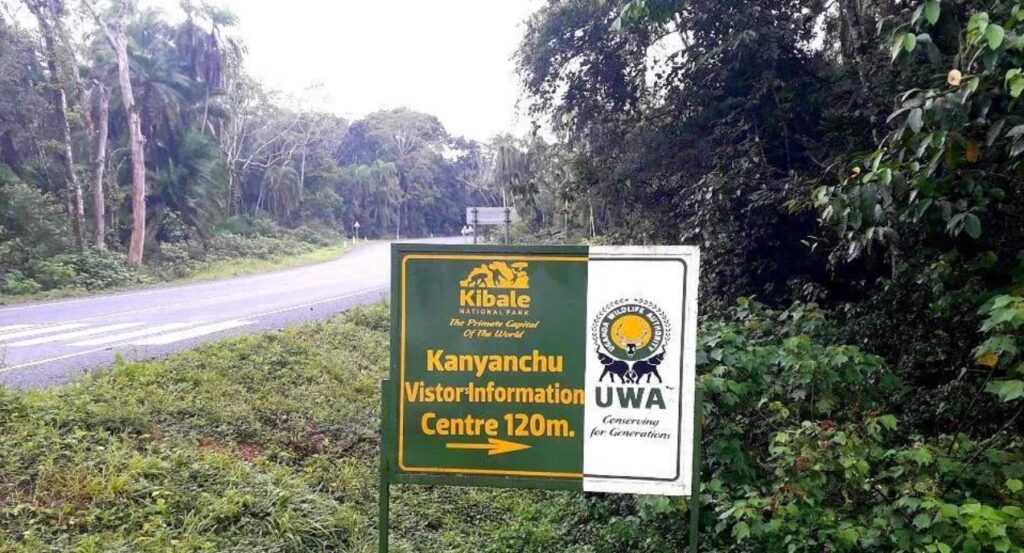
Kibale National Park: Why It’s Called the Primate Capital of the World
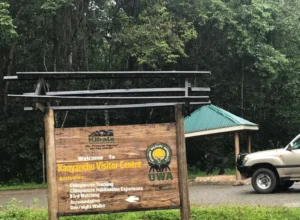
Tucked into the rolling highlands of western Uganda, Kibale National Park is one of East Africa’s most biologically rich rainforests, and arguably the finest place on the continent to encounter wild primates. Anyone planning a Uganda safari will quickly come across its famous nickname: the Primate Capital of the World. The title is no marketing exaggeration. Kibale protects an unbroken stretch of ancient forest supporting an extraordinary concentration of monkeys and apes, headlined by some of Africa’s most habituated chimpanzee communities.
This guide explains exactly why Kibale National Park has earned its reputation, what travellers can expect from chimpanzee trekking and the surrounding forest experiences, and how to plan a visit that makes the most of one of Uganda’s true natural treasures.
Where Is Kibale National Park?
Kibale National Park lies in western Uganda, near the town of Fort Portal, roughly 320 kilometres from Kampala and Entebbe International Airport. The drive from Kampala typically takes five to six hours by road, while travellers short on time can take a domestic flight to Kasese or Fort Portal airstrip, cutting the journey to under an hour.
Kibale sits conveniently close to Queen Elizabeth National Park, around two to three hours to the south, making it easy to combine forest primates with classic savannah game drives. Fort Portal itself, often called the gateway to Kibale, offers a comfortable base with crater lakes, tea plantations, and views toward the Rwenzori Mountains nearby.
Why Is Kibale Called the Primate Capital of the World?
Kibale National Park protects over 750 square kilometres of moist evergreen and semi-deciduous rainforest, harbouring more than thirteen recorded primate species within a single contiguous block of forest, one of the highest concentrations recorded anywhere in Africa.
Its chimpanzee population, estimated at well over a thousand individuals, is among the largest and most intensively studied in the world, supported by decades of research through the Kibale Chimpanzee Project and affiliated universities. This long-running scientific presence has produced some of the best-habituated chimpanzee communities anywhere on the continent, giving visitors reliably close and naturalistic encounters.
Combined with healthy populations of red-tailed monkeys, mangabeys, colobus, and L’Hoest’s monkeys, plus sustained conservation investment from the Uganda Wildlife Authority, this density and diversity of primates is exactly why Kibale National Park carries its celebrated nickname.
The Incredible Primates of Kibale National Park
Kibale’s reputation rests on far more than chimpanzees alone. The forest’s primate community spans habituated apes, vocal canopy monkeys, and ground-foraging species, each contributing to the park’s exceptional biodiversity.
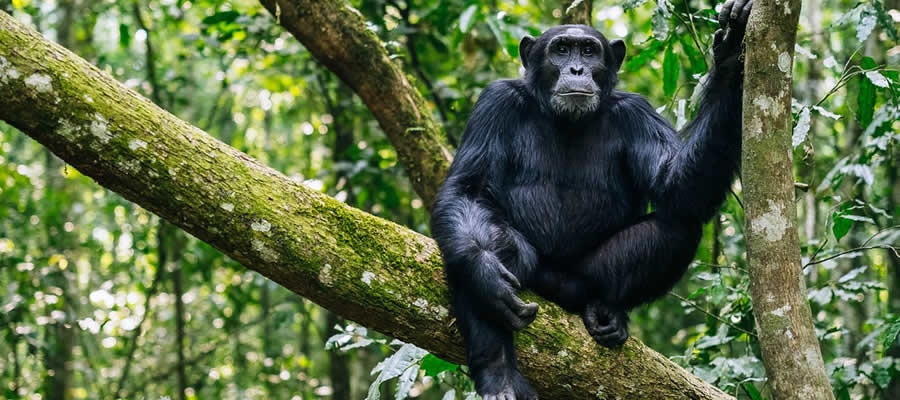
Chimpanzees
Behaviour
Chimpanzees live in large, dynamic communities with complex social hierarchies, tool use, and frequent vocal displays that echo through the canopy.
Habitat
Found throughout Kibale’s moist forest, with the highest concentration around the park’s well-established tracking trail network.
Conservation Notes
Classified as Endangered; Kibale’s population benefits from decades of habituation and protection.
Chances of Sightings
High; most morning treks successfully locate a chimpanzee community.
Interesting Fact
Kibale’s chimpanzees have been studied continuously since the 1980s, making them among the best-understood wild chimpanzee populations on Earth.
Red-Tailed Monkeys
Behaviour
Active and agile, red-tailed monkeys move quickly through the mid-canopy in vocal, cohesive troops.
Habitat
Common throughout Kibale’s forest interior and edges.
Conservation Notes
Listed as Least Concern, with stable populations.
Chances of Sightings
High; frequently seen during forest walks and chimpanzee treks alike.
Interesting Fact
Their distinctive white, heart-shaped nose patch makes them one of the easiest monkeys in Kibale to identify at a glance.
Black-and-White Colobus Monkeys
Behaviour
Specialist leaf-eaters that move in dramatic leaps between high branches, often in smaller family groups.
Habitat
Found across Kibale’s taller forest canopy.
Conservation Notes
Least Concern, though dependent on healthy mature forest.
Chances of Sightings
Moderate to high, particularly along the main trail network.
Interesting Fact
Their long white mantle of fur once made them a target for the historic fur trade, though populations have since recovered under protection.
L’Hoest’s Monkeys
Behaviour
Distinctive ground-foraging behaviour sets this species apart from Kibale’s more arboreal monkeys.
Habitat
Found in dense undergrowth and forest floor habitat.
Conservation Notes
Classified as Vulnerable, with a restricted Albertine Rift range.
Chances of Sightings
Moderate; sightings are less predictable than canopy species.
Interesting Fact
Unlike most guenons, L’Hoest’s monkeys spend much of the day foraging on the ground rather than in the trees.
Grey-Cheeked Mangabeys
Behaviour
Large, vocal monkeys whose deep calls often signal their presence before they are seen.
Habitat
Found in mature forest with abundant fruiting trees.
Conservation Notes
Classified as Vulnerable due to habitat pressure across parts of their range.
Chances of Sightings
Moderate; more reliably heard than seen.
Interesting Fact
Mangabey calls can travel well over a kilometre through Kibale’s dense canopy.
Blue Monkeys
Behaviour
Cohesive troops led by a single adult male, foraging steadily through the mid-canopy.
Habitat
Widespread across Kibale’s forest interior.
Conservation Notes
Least Concern, with stable populations.
Chances of Sightings
High; frequently encountered during forest walks.
Interesting Fact
Blue monkeys often form mixed-species troops with red-tailed monkeys for added predator protection.
Olive Baboons
Behaviour
Large, ground-based troops with complex hierarchies, often seen along forest edges and roadsides.
Habitat
Found at Kibale’s forest margins and adjacent farmland boundaries.
Conservation Notes
Least Concern, with widespread distribution.
Chances of Sightings
Moderate; more often seen near park boundaries than deep forest.
Interesting Fact
Baboon troops in and around Kibale can number eighty or more individuals.
Vervet Monkeys
Behaviour
Highly social and adaptable, often seen around forest edges and lodge grounds rather than deep forest.
Habitat
Common at Kibale’s periphery and surrounding farmland mosaic.
Conservation Notes
Least Concern, with large stable populations.
Chances of Sightings
High around lodges and park edges.
Interesting Fact
Vervets use distinct alarm calls for different predator types, a behaviour widely studied by primatologists.
Chimpanzee Trekking: The Highlight of Kibale
Chimpanzee trekking is Kibale’s signature experience and the principal reason most travellers visit. Treks begin with an early morning briefing at the park headquarters, where rangers explain etiquette, safety guidelines, and what to expect.
Groups of up to six visitors then set off into the forest with an experienced guide, following fresh signs of chimpanzee activity, calls, and feeding trails. Tracking time varies considerably, from under an hour to several hours, depending on where the community is feeding that day.
Once located, visitors are permitted up to one hour observing the chimpanzees at a respectful distance, watching natural behaviour such as grooming, feeding, and social interaction. Guides manage spacing carefully to protect both visitors and the habituated group.
Photography is rewarding but challenging under the forest canopy; a camera capable of higher ISO settings helps in low light. Physically, the trek demands a moderate level of fitness, with some sections involving uneven, sometimes muddy terrain, though it is generally less strenuous than gorilla trekking in Bwindi.
Other Things to Do in Kibale National Park
Chimpanzee Habituation Experience
A more immersive alternative to standard trekking, the Chimpanzee Habituation Experience allows visitors to join researchers tracking a community still being acclimatised to human presence, spending up to four hours observing natural, less-rehearsed behaviour.
Bigodi Wetland Sanctuary
A short distance from the park, this community-run wetland reserve offers excellent birdwatching and primate sightings, including the rare sitatunga antelope, with proceeds directly benefiting the local community.
Birdwatching
With over 370 recorded bird species, Kibale ranks among Uganda’s premier birding destinations, particularly for forest specialists and hornbills.
Forest Nature Walks
Guided walks beyond the main chimpanzee trail offer a quieter way to experience Kibale’s plant life, butterflies, and smaller wildlife at a relaxed pace.
Nocturnal Forest Walks
Where offered, night walks reveal a different side of Kibale, including potto, bushbabies, and nocturnal insects rarely seen during the day.
Community and Cultural Experiences
Visits to nearby communities around Bigodi and Fort Portal provide insight into local Batooro culture, craft traditions, and conservation-linked livelihoods.
Wildlife Beyond Primates
While primates are Kibale’s headline attraction, the forest supports a wider community of wildlife. Forest elephants occasionally pass through, alongside bush pigs, several duiker species, and an extraordinary diversity of butterflies that flourish in the humid understorey.
Sightings of these species vary considerably and cannot be guaranteed, as much of Kibale’s non-primate wildlife is shy and dispersed across dense forest. Birdwatchers, however, can expect a consistently rewarding experience given the park’s recorded list of over 370 species.
Best Time to Visit Kibale National Park
Kibale can be visited year-round, though conditions shift noticeably between seasons. The drier months of December to February and June to September offer firmer trails and generally easier walking conditions for chimpanzee trekking.
The wetter months, particularly March to May and October to November, bring lush, vivid forest scenery and excellent birdwatching, though trails can be slippery and rainfall more frequent. Photographers often favour the softer, diffused light of the wetter season, while trekkers prioritising comfort tend to prefer the dry months.
Comparison Table: Kibale Experiences at a Glance
| Experience | Duration | Difficulty | Best For | Permit Required? |
| Chimpanzee Trekking | Half day (2-4 hrs) | Moderate | First-time visitors | Yes |
| Habituation Experience | Full day (up to 6 hrs) | Moderate-High | Wildlife enthusiasts | Yes |
| Birdwatching | Half day | Easy | Birders, photographers | No |
| Bigodi Wetland Walk | 2-3 hrs | Easy | Families, casual visitors | No |
| Forest Nature Walk | 1-3 hrs | Easy | Relaxed exploration | No |
Practical Travel Tips
What to Pack and Wear
Neutral-coloured, long-sleeved clothing, sturdy waterproof hiking boots, and a light rain jacket are recommended for Kibale’s humid forest conditions.
Camera Gear
A versatile zoom lens, ideally in the 70-200mm range, suits canopy primates, while a camera capable of higher ISO performance helps in low forest light.
Health Precautions
Insect repellent, anti-malarial precautions, and a basic first aid kit are sensible additions, alongside comfortable, broken-in footwear.
Fitness
A moderate fitness level is sufficient for most chimpanzee treks, though the Habituation Experience demands greater stamina given its longer duration.
Booking Permits
Chimpanzee trekking and habituation permits are issued by the Uganda Wildlife Authority and should be booked well in advance, particularly during peak dry-season months.
Accommodation Options
Kibale offers a full range of accommodation, from budget guesthouses near the park gate to mid-range eco-lodges and luxury forest camps overlooking the canopy.
Frequently Asked Questions
How much does chimpanzee trekking cost?
Permit prices are set by the Uganda Wildlife Authority and are subject to periodic change; Terenga Safaris can confirm current rates and handle booking on your behalf.
How difficult is the trek?
Most chimpanzee treks involve moderate walking over uneven forest terrain, generally less demanding than gorilla trekking in Bwindi.
Can children participate?
Chimpanzee trekking typically requires a minimum age of twelve, though policies can vary; checking current park regulations before booking is recommended.
Is Kibale better than Budongo?
Both offer excellent chimpanzee tracking; Kibale generally provides higher sighting reliability and primate diversity, while Budongo offers a quieter, less-visited alternative.
How many days should I spend at Kibale?
Most visitors spend one to two nights, allowing time for chimpanzee trekking, a Bigodi Wetland walk, and unhurried birdwatching.
What is the best time to visit?
The dry months of December to February and June to September generally offer the easiest trail conditions, though Kibale rewards visitors year-round.
Can Kibale be combined with gorilla trekking?
Yes. Many itineraries pair Kibale with Bwindi or Mgahinga, combining chimpanzee and gorilla experiences within a single Uganda safari.
What is the difference between trekking and the Habituation Experience?
Standard trekking allows up to one hour with a fully habituated community, while the Habituation Experience offers up to four hours observing a community still adjusting to human presence.
Quick Reference: Kibale Activities
| Activity | Best Time | Approximate Duration | Suitable For |
| Chimpanzee Trekking | Dry season (Dec-Feb, Jun-Sep) | 2-4 hours | Most travellers |
| Chimpanzee Habituation | Year-round | Up to 6 hours | Wildlife enthusiasts |
| Birdwatching | Wet season for activity, year-round overall | 2-4 hours | Birders, photographers |
| Bigodi Wetland Sanctuary | Year-round | 2-3 hours | Families, casual visitors |
| Forest Nature Walk | Year-round | 1-3 hours | Relaxed exploration |
Why Choose Terenga Safaris?
Kibale rewards careful planning, from securing permits ahead of peak season to choosing the right accommodation for your budget and travel style. Terenga Safaris brings local expertise to every stage of that process.
- Expert safari planning grounded in genuine knowledge of Kibale’s forest and trail conditions.
- Assistance securing chimpanzee trekking and Habituation Experience permits ahead of demand.
- Experienced guides who bring Kibale’s ecology and conservation story to life.
- Tailor-made Uganda itineraries built around your interests and timeframe.
- A genuine commitment to responsible, conservation-focused tourism.
- Seamless combinations with Queen Elizabeth, Bwindi, Semuliki, and Murchison Falls National Parks.
Whether Kibale is a standalone primate getaway or one stop on a wider Uganda itinerary, Terenga Safaris designs each journey around real wildlife knowledge rather than generic packages.
Conclusion
Few destinations anywhere in Africa combine primate density, scientific significance, and forest beauty quite like Kibale National Park. From its remarkable chimpanzee communities to its understorey of colourful guenons, mangabeys, and colobus, the park’s nickname as the Primate Capital of the World is well earned and well deserved.
For travellers planning a Uganda safari built around genuine wildlife encounters, Kibale National Park belongs near the top of the itinerary. Contact Terenga Safaris to design a personalised journey combining chimpanzee trekking, gorilla trekking, savannah wildlife, and Uganda’s richest cultural experiences.