The 12 Best National Parks in East Africa for an Unforgettable Safari
June 23, 2026
Rare Animals to See on an East Africa Safari: A Wildlife Guide.
June 24, 2026
Best Time to Visit East Africa: A Month-by-Month Safari Guide
Picture this: you have finally decided to book that East African safari, but the moment you start researching, you hit a wall. Some websites insist July is the only month worth considering. Others swear by January for the calving season. A friend who visited in November says the landscapes were impossibly green and the camps almost empty. Who is right?
They all are — depending on what you want.
Choosing the best time to visit East Africa is less about finding a single golden month and more about aligning your journey with your priorities. Whether your heart is set on witnessing the Great Wildebeest Migration, tracking mountain gorillas through misty Bwindi forest, photographing the Big Five against copper sunset skies, or simply escaping the crowds, each season across Uganda, Kenya, Tanzania, and Rwanda offers something genuinely extraordinary.
This guide walks you through every month of the year, compares the dry season and rainy season, and helps you match your travel goals to the right window. By the end, you will know exactly when to go — and why.
Understanding East Africa’s Climate
East Africa straddles the equator, which means you will not find the four-season pattern common in Europe or North America. Instead, the region moves through two dry seasons and two rainy seasons — though the timing and intensity vary considerably by country, altitude, and ecosystem.
The Two Dry Seasons
The long dry season runs from roughly June to October and is widely considered the prime safari period. Vegetation thins, water sources dwindle, and wildlife congregates around rivers and waterholes — making game remarkably easy to find. A shorter dry window typically falls between December and February.
The Two Rainy Seasons
The long rains arrive from March through May, bringing heavy, often afternoon downpours. April and May are the wettest months across much of the region. The short rains fall between October and December, generally lighter and less predictable.
Altitude and Regional Differences
Altitude plays an outsized role. Uganda’s Bwindi Impenetrable Forest sits above 1,900 metres and can feel cool and misty even during dry months. The Kenyan highlands around Laikipia are reliably temperate year-round. In contrast, Tanzania’s Serengeti plains and Kenya’s Masai Mara bake under clear skies during the peak dry season, making game viewing spectacular but temperatures fierce.
Rwanda’s Volcanoes National Park, home to mountain gorillas, has its own microclimate influenced by the Virunga massif. The Ugandan Rift Valley at Murchison Falls experiences a distinct wet-dry rhythm from the rest of the country.
The practical implication: there is no single East African climate. Each destination rewards research, which is exactly why tailor-made planning matters.
Month-by-Month Safari Guide: Best Time to Visit East Africa
January
Weather: Warm & dry Wildlife: Excellent – game concentrates near waterholes
Birdwatching: Great (migrants present) Gorilla Trekking: Good – dry and accessible
Migration: Calving season, Ndutu, Tanzania
Photography: Golden light, dust Crowds: Moderate–high
Value: Mid-range Top Destinations: Tanzania, Uganda
February
Weather: Hot & dry Wildlife: Outstanding – lowest rainfall
Birdwatching: Superb (Palearctic migrants) Gorilla Trekking: Very good
Migration: Calving peak – Serengeti plains
Photography: Excellent – lush calving scenes Crowds: High
Value: Mid-range–peak Top Destinations: Tanzania, Kenya, Uganda
March
Weather: Long rains begin late March Wildlife: Good before rains arrive
Birdwatching: Very good – breeding season starts Gorilla Trekking: Good – book early
Migration: Herds move north from Ndutu
Photography: Fresh green landscapes Crowds: Moderate, dropping
Value: Value deals emerging Top Destinations: Uganda, Rwanda, Kenya
April
Weather: Long rains (heavy) Wildlife: Challenging – mud, lush grass
Birdwatching: Spectacular – resident birds breeding Gorilla Trekking: Year-round available – fewer visitors
Migration: Serengeti central – limited access
Photography: Dramatic skies, vivid green Crowds: Low
Value: Best value / green season rates Top Destinations: Uganda (gorillas), Rwanda
May
Weather: Long rains (peak / easing) Wildlife: Improving late May
Birdwatching: Outstanding breeding activity Gorilla Trekking: Excellent value – quiet month
Migration: Herds gather, crossing builds
Photography: Moody, cloud-filtered light Crowds: Very low
Value: Excellent value Top Destinations: Uganda, Rwanda
June
Weather: Dry season begins Wildlife: Very good – vegetation thins
Birdwatching: Good – some migrants depart Gorilla Trekking: Excellent – dry mountain trails
Migration: Herds move to Masai Mara border
Photography: Clear skies, dramatic dust Crowds: Building
Value: Prices rising Top Destinations: Kenya, Tanzania, Uganda, Rwanda
July
Weather: Dry & cool Wildlife: Outstanding – classic peak safari
Birdwatching: Very good Gorilla Trekking: Peak – very popular, book early
Migration: River crossings begin, Mara River
Photography: Iconic crossing shots Crowds: Peak / very high
Value: Peak pricing Top Destinations: Kenya (Mara), Tanzania, Rwanda
August
Weather: Dry & cool Wildlife: Excellent
Birdwatching: Good Gorilla Trekking: Peak – in high demand
Migration: Peak crossings – most dramatic
Photography: Best light of the year Crowds: Peak – highest of the year
Value: Peak pricing Top Destinations: Kenya (Mara), Uganda, Rwanda
September
Weather: Dry, warming slightly Wildlife: Excellent
Birdwatching: Migrants return (Palearctic) Gorilla Trekking: Very good – slightly quieter
Migration: Crossings continue; herds linger in Mara
Photography: Excellent – lush Mara backdrops Crowds: High but easing
Value: Slight dip from August peak Top Destinations: Kenya, Tanzania, Uganda
October
Weather: Short rains begin (light) Wildlife: Very good – new calves appear
Birdwatching: Superb – migratory arrivals Gorilla Trekking: Good value – rain possible
Migration: Herds return south to Serengeti
Photography: Green hills, wildflowers Crowds: Moderate
Value: Good value Top Destinations: Tanzania, Uganda, Rwanda
November
Weather: Short rains (moderate) Wildlife: Good – abundant foliage
Birdwatching: Outstanding – winter migrants in full force Gorilla Trekking: Good – fewer crowds
Migration: Back on Serengeti plains, Loliondo
Photography: Lush, dramatic, moody Crowds: Low–moderate
Value: Very good value Top Destinations: Uganda, Rwanda, Tanzania
December
Weather: Short rains ease mid-month Wildlife: Good to excellent (late Dec)
Birdwatching: Very good – migrants and residents Gorilla Trekking: Excellent – festive bookings fill fast
Migration: Southern Serengeti, approaching Ndutu
Photography: Golden wet-dry transition Crowds: Low until last week (festive peak)
Value: Variable – festive surcharge last 2 weeks Top Destinations: Uganda, Tanzania, Rwanda
Monthly At-a-Glance Comparison Table
Optimised for quick trip planning. Ratings: ★ Fair ★★ Good ★★★ Excellent
| Month | Weather | Wildlife | Gorilla Trekking | Great Migration | Crowd Level |
| January | Warm | Excellent – | Good | Calving season, | Moderate–high |
| February | Hot | Outstanding – | Very good | Calving peak | High |
| March | Long | Good before | Good | Herds move | Moderate, dropping |
| April | Long | Challenging – | Year-round available | Serengeti central | Low |
| May | Long | Improving late | Excellent value | Herds gather, | Very low |
| June | Dry | Very good | Excellent | Herds move | Building |
| July | Dry | Outstanding – | Peak | River crossings | Peak / very high |
| August | Dry | Excellent | Peak | Peak crossings | Peak – highest of the year |
| September | Dry, | Excellent | Very good | Crossings continue; | High but easing |
| October | Short | Very good | Good value | Herds return | Moderate |
| November | Short | Good – | Good | Back on | Low–moderate |
| December | Short | Good to | Excellent | Southern Serengeti, | Low until last week (festive peak) |
Best Time for Specific Safari Experiences
Gorilla Trekking
Gorilla trekking is possible year-round in Uganda’s Bwindi Impenetrable Forest and Mgahinga Gorilla National Park, as well as Rwanda’s Volcanoes National Park. That said, the experience differs significantly by season.
The dry seasons — June to September and December to February — offer the most comfortable trekking conditions. Trails are less muddy, forest paths are easier to navigate, and permits sell out many months in advance. For the best trekking experience with manageable trails, aim for July, August, or January.
The rainy months of April and May offer a quieter, more intimate encounter. Fewer visitors, lower permit prices (particularly in Uganda), and rich, steaming forest atmosphere await those willing to pack good waterproof gear.
The Great Migration
One of the natural world’s most dramatic spectacles, the Great Wildebeest Migration is a year-round cycle — not a single event. Understanding where the herds are helps you time your visit.
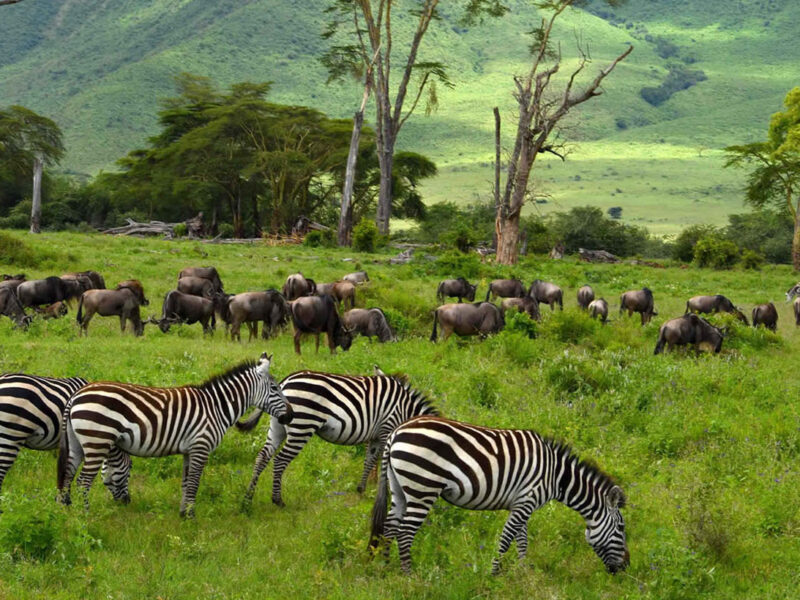
- January–March: Calving season on Tanzania’s short grass plains near Ndutu. Over 8,000 wildebeest are born daily at peak. Lions and cheetahs are hyperactive.
- June–July: The vast herds begin gathering at the Mara River, building for the iconic crossings.
- July–October: Peak crossings at the Mara River between Tanzania’s Serengeti and Kenya’s Masai Mara. Dramatic, unpredictable, and spectacular.
- November–December: The return south through central Serengeti toward the Ndutu plains once more.
Big Five Safaris
For the best Big Five game viewing, the long dry season (June to October) is hard to beat. Sparse vegetation means excellent visibility, and game clusters around permanent water sources. Kenya’s Masai Mara, Tanzania’s Serengeti and Ngorongoro Crater, and Uganda’s Queen Elizabeth National Park are all outstanding during this period.
Birdwatching
East Africa is a birdwatcher’s paradise with over 1,100 species recorded in Uganda alone. The short rains (October and November) bring Palearctic migrants back from Europe and Asia, coinciding with resident breeding activity. This creates a twin spectacle. November and April are arguably the finest birdwatching months, though Uganda’s birding is rewarding in every season.
Chimpanzee Tracking
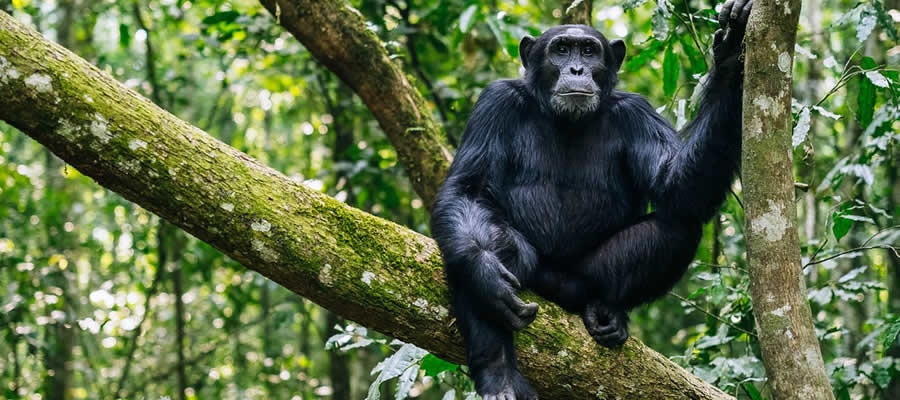
Kibale Forest National Park in Uganda offers the finest chimpanzee tracking on the continent, year-round. June to August and December to February are the most popular periods. The wet months of April and May offer quieter, more atmospheric tracking conditions and better value permits.
Boat Safaris
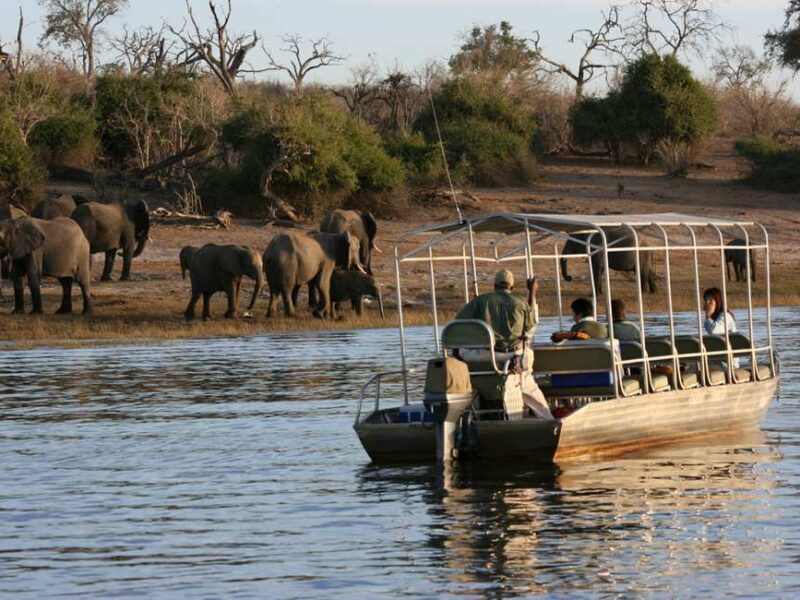
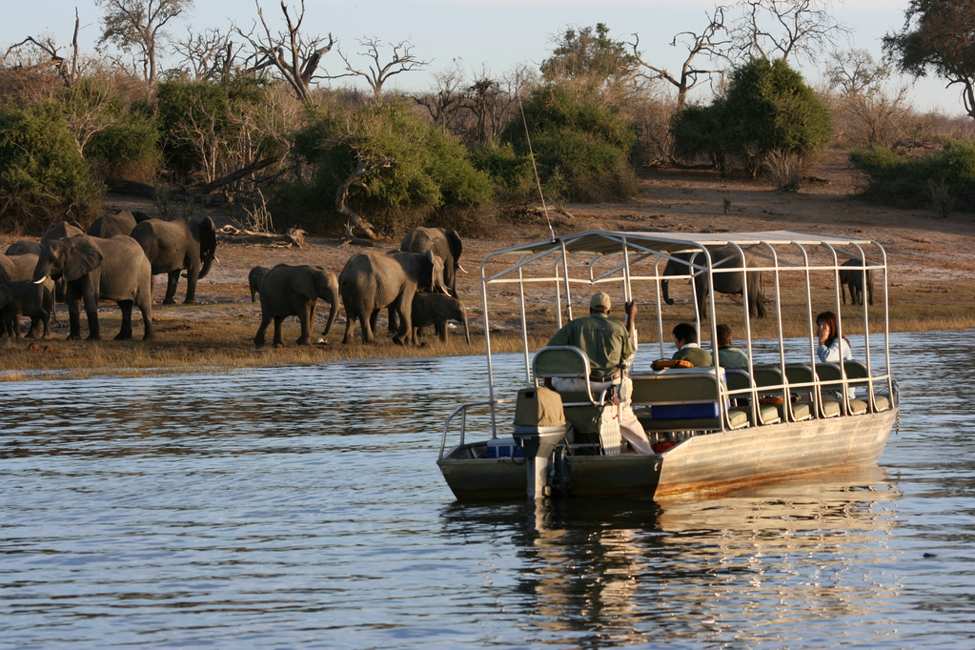
Boat safaris on the Nile at Murchison Falls or along Uganda’s Kazinga Channel (Queen Elizabeth National Park) are enjoyable throughout the year. Hippo and Nile crocodile sightings are reliable in all seasons. Water levels are slightly higher during wet months, which can open different viewing angles along the banks.
Luxury Safaris
High-end travellers tend to favour the peak dry season (July to October) when exclusive camps open their finest amenities and game viewing is at its most reliable. Many luxury camps in Kenya and Tanzania close during the long rains (April to May), making the shoulder months of June and November particularly attractive for premium experiences with fewer guests.
Family Holidays
Families with school-age children are generally constrained to peak season. July, August, and the Christmas fortnight are popular but expensive. For a family safari with better value and a sense of discovery, late June and early September offer school-holiday timing with slightly lower demand.
Honeymoons
For romance, you want drama without compromise: the shoulder seasons of June and October hit that balance beautifully. You gain excellent wildlife, manageable crowds, and more attentive service in quieter lodges. Tanzania’s Zanzibar complements a mainland Tanzania safari perfectly for a honeymoon extension.
Photography
Wildlife photographers will tell you the golden hours of dry-season mornings in July and August are unmatched. The Mara River crossing offers once-in-a-lifetime images. For landscape and bird photography, the green season (November and January) provides lush, cloud-filtered light and vibrant settings far removed from the dusty ochre of peak season.
Dry Season vs Rainy Season: Which Is Right for You?
| Factor | Dry Season (Jun–Oct, Dec–Feb) | Rainy Season (Mar–May, Oct–Nov) |
| Wildlife Visibility | Outstanding – animals cluster near water | Challenging – thick vegetation hides game |
| Landscape | Golden, dusty, open plains | Vivid green, wildflowers, dramatic skies |
| Photography | Iconic safari imagery, clear skies | Moody, unusual, editorial quality |
| Roads | Firm and accessible | Muddy – some areas impassable |
| Crowds | High to peak | Low to moderate |
| Prices | Peak rates at most lodges | Green season discounts up to 30% |
| Gorilla Trekking | Comfortable, dry trails | Atmospheric; waterproofs essential |
| Birdwatching | Good – dry-season specialists visible | Superb – migrants and breeding residents |
| Malaria Risk | Lower (standing water dries) | Higher (more mosquitoes) |
Which Season Is Right for You?
First-time safari travellers
July to September. The classic dry season guarantees wildlife visibility and sets expectations beautifully. Kenya’s Masai Mara or Tanzania’s Serengeti are the natural starting points.
Families
Late July and August offer school-holiday alignment with peak game viewing. Book at least nine months ahead to secure child-friendly lodges.
Photographers
A split trip works best: July to August for migration crossings and dry-season game, November or January for green-season landscapes and birdlife.
Luxury travellers
June or September offer the finest combination of exclusive camps, attentive service, excellent game, and slightly lower peak-season pricing.
Budget and value travellers
April and May. The region is quiet, lodges offer significant discounts, gorilla permits are more accessible, and the landscapes are arrestingly beautiful. You simply need to accept some rain.
Birdwatchers
November and April are exceptional. Uganda is worth considering year-round — it holds more bird species than the entire European continent.
Adventure and active travellers
The wet season in Uganda (April to May) suits adventurous gorilla trekkers and chimpanzee trackers who want a more rugged, less-touristy experience with empty forest trails.
Repeat safari visitors
If you have already done the classic dry season, the green season (November to January) offers an entirely different East Africa — quieter, lusher, and full of surprises. Rwanda in the mist is unforgettable.
Quick Reference: Best Months by Safari Experience
Optimised for fast planning decisions.
| Experience | Best Months | Recommended Destination |
| Gorilla Trekking | Jun–Sep, Dec–Feb | Uganda (Bwindi) or Rwanda (Volcanoes NP) |
| Great Migration | Jul–Oct | Kenya (Masai Mara) / Tanzania (Serengeti) |
| Birdwatching | Oct–Nov, Mar–Apr | Uganda, Tanzania, Kenya |
| Big Five | Jun–Oct | Kenya, Tanzania, Uganda |
| Photography | Jul–Aug, Nov, Jan | Kenya, Tanzania, Uganda |
| Chimpanzees | Jun–Aug, Dec–Feb | Uganda (Kibale Forest) |
| Boat Safaris | Year-round | Uganda (Murchison Falls, Queen Elizabeth NP) |
| Luxury Safari | Jul, Sep, Jun | Kenya, Tanzania, Rwanda |
Frequently Asked Questions
When is the best month to visit East Africa?
There is no single answer, as the ideal month depends on your priorities. For classic game viewing, July to October is outstanding. For gorilla trekking, June to September is favoured. For value, April and May are unbeatable. This guide exists precisely because the answer is nuanced — and deeply personal.
Can I travel during the rainy season?
Absolutely. The green season is not the experience it is sometimes made out to be. Gorilla trekking continues year-round. Birdwatching is spectacular. Landscapes are lush. Lodges are quieter. You simply need to accept occasional heavy rain and pack decent waterproof gear. Many travellers return from April or May safaris having had the most memorable trip of their lives.
Is gorilla trekking possible year-round?
Yes. Mountain gorilla families in both Uganda and Rwanda have year-round permits available. The experience in each season simply differs. Dry months offer easier trails; rainy months offer atmosphere, solitude, and better value.
When exactly is the Great Migration?
The Migration is a year-round cycle, not a single event. Calving in Tanzania peaks in January and February. The dramatic Mara River crossings peak between July and October. The herds return south through November and December. Each phase offers a distinct spectacle.
Which season is cheapest for an East African safari?
April and May are the most affordable months across the region. Many lodges reduce rates by 20 to 30 per cent, and gorilla permit availability tends to be better. November also offers good value before the short festive demand spike in late December.
Which months are busiest?
July and August are the peak months, driven by European and North American school holidays and the Mara River crossing spectacle. Christmas and New Year carry a secondary spike. Expect the highest prices and most competitive permit demand during these windows.
How far in advance should I book?
For peak season (July to August) and gorilla permits, book at least nine to twelve months ahead. Shoulder seasons (June, September, October) benefit from six months’ planning. Green season trips can often be arranged with three to four months’ lead time, though earlier is always safer for the best lodge and guide availability.
Is East Africa safe to visit during the rainy season?
Generally, yes — with sensible precautions. Some remote tracks become impassable in heavy rain, and certain camps close during the long rains in April and May. A specialist operator with current local knowledge, such as Terenga Safaris, will guide you toward destinations that remain fully operational and enjoyable throughout the year.
Do I need to take malaria prophylactics?
Malaria is present in low-lying areas of East Africa year-round, though risk is higher during and immediately after the rainy season. Consult a travel health clinic before departure. Antimalarials, insect repellent, and long-sleeved clothing in the evenings are standard precautions regardless of season.
Can I combine multiple countries in one trip?
Yes — and it is one of the great pleasures of an East African journey. A typical combination might be Uganda gorillas and chimpanzees, Kenya’s Masai Mara for the Migration, and a Tanzanian beach finish in Zanzibar. Terenga Safaris specialises in seamless cross-border itineraries that maximise your time in each country.
Why Choose Terenga Safaris?
Planning an East African safari across four countries, multiple seasons, and dozens of competing safari experiences is genuinely complex. At Terenga Safaris, we have built our reputation on honest advice, deep local knowledge, and itineraries that reflect your interests — not a standard template.
- Honest seasonal advice: We will tell you when not to book as readily as when to go.
- Tailor-made itineraries: No two Terenga journeys are identical. We build every trip from scratch around your goals, budget, and travel dates.
- Local expertise across four countries: Uganda, Kenya, Tanzania, and Rwanda — our guides and partners are embedded in each destination year-round.
- Cross-border safari planning: We handle all the logistics of multi-country itineraries, from permits to border crossings to lodge combinations that rarely appear in standard packages.
- Responsible tourism: We partner with lodges and community programmes that actively contribute to conservation and local livelihoods.
Whichever month you travel, and whichever experiences you are chasing, Terenga Safaris will help you get the most from East Africa.
Further Reading
Explore these related guides from Terenga Safaris to deepen your planning:
- Why East Africa Is the Best Safari Destination
- East Africa’s Best Experiences Beyond the Big Five
- The Great Migration vs Uganda Safaris
- Kenya, Tanzania, Rwanda, or Uganda? Comparing Four Safari Countries
- The Ultimate Uganda Gorilla Trekking Packing List
- The 12 Best National Parks in East Africa for an Unforgettable Safari
Authoritative External Resources
For official wildlife and conservation information, we recommend:
- Uganda Wildlife Authority — www.ugandawildlife.org
- Kenya Wildlife Service — www.kws.go.ke
- Tanzania National Parks Authority (TANAPA) — www.tanzaniaparks.go.tz
Conclusion: Your Perfect Season Awaits
East Africa does not operate on a simple on-off switch. Every month of the year brings something genuinely worth travelling for — whether that is the calving spectacle on the Serengeti plains in January, the thundering Mara River crossings of August, the intimate gorilla encounters of a misty April morning in Bwindi, or the impossible birdsong of a November dawn in Kibale Forest.
Choosing the best time to visit East Africa ultimately comes down to who you are as a traveller and what you want to feel. The good news is that with the right planning, the answer is almost certainly: sooner than you think.
At Terenga Safaris, we design journeys around your ideal vision — not the calendar. Whether you are drawn to peak season spectacle or the quiet magic of the green season, we will help you build a trip that feels exactly right.
Contact Terenga Safaris today to start planning your tailor-made East African safari.
© 2026 Terenga Safaris. All rights reserved. Terenga Safaris is a registered Ugandan tour operator based in Makindye, Kampala.