Can You Visit Multiple East African Countries on One Trip?
June 18, 2026
Can Children Go on Safaris in East Africa?
June 19, 2026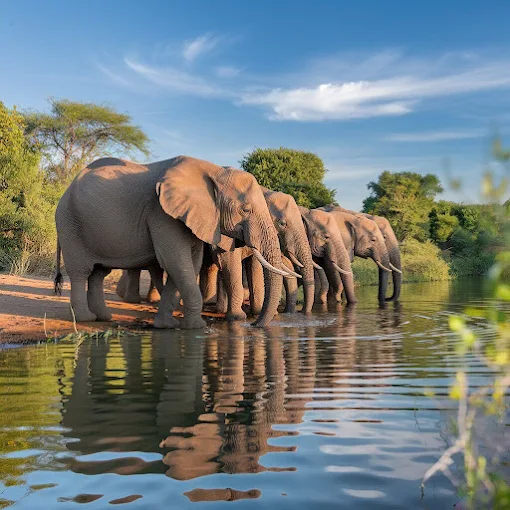
Hidden Gems in Queen Elizabeth National Park
Queen Elizabeth National Park is, without question, one of Uganda’s most celebrated safari destinations. Most visitors arrive chasing two things: the tree-climbing lions of the Ishasha sector and a boat cruise along the Kazinga Channel. Both are wonderful. But the hidden gems in Queen Elizabeth National Park are what turn a good safari into an unforgettable one. Beyond the well-trodden routes lie crater lakes, ancient forests, quiet game tracks, and community encounters that rarely make it into the standard brochure.
This article looks past the obvious highlights to explore the corners of the park that reward curiosity. Whether you’re a first-time visitor or returning for a second or third safari, there’s always something new waiting here.
Why Queen Elizabeth National Park Is More Than Its Famous Attractions
Spanning roughly 1,978 square kilometres between Lake Edward and Lake George, Queen Elizabeth National Park sits within the Great Rift Valley, and its landscape reflects that geological drama. Volcanic craters, savannah plains, swampy lowlands, and patches of dense forest all exist within a single park boundary — an unusual mix that gives rise to remarkable biodiversity.
This diversity of habitat is precisely why repeat visitors keep discovering something different. A traveller who has already seen the lions and the channel often finds that the gorge, the crater drive, or a quiet birding trail offers an entirely different experience of the same park. Add in the cultural heritage of communities living along the park’s edges, and it becomes clear that Queen Elizabeth National Park rewards those willing to linger and look beyond the headline attractions.
Hidden Gems in Queen Elizabeth National Park
Kyambura Gorge
Nicknamed the “Valley of Apes,” Kyambura Gorge is a steep, forested rift cut into the savannah, home to one of Uganda’s few habituated chimpanzee communities outside the major forest parks. Walking down into the gorge feels like entering a different ecosystem entirely — humid, green, and alive with birdsong. Chimpanzee tracking here is less crowded than in Kibale, and the gorge itself, with its tangled fig trees and rocky walls, is a worthwhile destination even without a primate sighting.
Explosion Crater Drive
North of the main park, the Explosion Crater Drive winds through a field of volcanic craters formed thousands of years ago. Some hold shimmering lakes; others are dry, grassy bowls grazed by buffalo and antelope. The drive offers some of the best panoramic views in the park, and the volcanic history adds context that many visitors never learn about. For photographers, the changing light over the crater rims is hard to beat.
Maramagambo Forest
This ancient rainforest on the park’s southern edge is one of its best-kept secrets. Maramagambo is home to several primate species, a rich variety of forest birds, and the curious “Bat Cave,” where pythons gather near the cave entrance to feed on bats — a sight that’s as eerie as it is fascinating. The forest trails are quieter and shadier than the open savannah, making for a refreshing change of pace.
Lesser-Known Birdwatching Areas
While the Kazinga Channel gets most of the attention for birdlife, the wetlands around Lake Kikorongo, the forest edges of Maramagambo, and the Mweya Peninsula’s quieter corners host an impressive range of species, particularly during migration seasons. These spots tend to be far less crowded with boats and vehicles, which suits serious birders just fine.
Local Community Experiences
Villages bordering the park offer visits centred on traditional crafts, storytelling, and daily life. These community tourism initiatives provide income for local families and a more grounded sense of the region beyond its wildlife. They’re an easy and meaningful addition to any itinerary.
Quiet Game Drive Routes
Away from the main tracks near Mweya, some of the park’s less-used roads pass through open grassland where wildlife often moves undisturbed by vehicle traffic. These routes won’t guarantee a sighting, but they offer a calmer, more contemplative kind of safari.
Sunrise and Sunset Viewing Points
Several spots along the crater rims and savannah edges offer exceptional light for landscape photography, and early morning or late afternoon often coincides with increased animal activity — a useful, if not guaranteed, bonus for patient observers.
Wildlife Beyond the Famous Tree-Climbing Lions
The tree-climbing lions of Ishasha are famous for good reason, but they’re far from the only draw. Leopards move through the park largely unseen, while elephants and buffalo herds are commonly encountered along the channel and savannah routes. Hippos and crocodiles are abundant in and around the water, and various antelope species — from Uganda kob to topi — graze the open plains.
Primates feature heavily in the forested sections, and the birdlife is exceptional, with several hundred species recorded across the park’s habitats. As with any wild setting, sightings can never be guaranteed, but the sheer ecological diversity here means there’s almost always something happening, even away from the marquee species.
Best Time to Discover These Hidden Gems
The dry seasons (typically December to February and June to September) make for easier road access, particularly to the crater drive and gorge trails, and tend to concentrate wildlife around remaining water sources. The green seasons bring lush scenery, dramatic skies for photography, and excellent conditions for birdwatching, as migratory species often arrive during these wetter months. Each season has its trade-offs, and the right time to visit really depends on what you’re hoping to experience.
Practical Travel Tips
- Allow at least three to four days to properly explore both the famous and hidden sides of the park
- Pack neutral-coloured clothing for game drives and forest walks
- Bring a good pair of binoculars, especially for birdwatching and gorge visits
- A telephoto lens is useful for both wildlife and landscape photography
- Hire an experienced local guide, particularly for chimpanzee tracking and forest walks
- Keep a respectful distance from wildlife and follow your guide’s instructions at all times
- Support community tourism initiatives where possible
Featured Snippet Section
What Are the Hidden Gems in Queen Elizabeth National Park?
The park’s lesser-known highlights include Kyambura Gorge, known for chimpanzee tracking; Maramagambo Forest, with its ancient trees and Bat Cave; the Explosion Crater Drive’s volcanic scenery; quieter birdwatching wetlands; and community tourism experiences along the park’s edges — all offering a deeper, less-crowded alternative to the main attractions.
Featured Snippet Table
| Hidden Gem | Why Visit? | Best For |
|---|---|---|
| Kyambura Gorge | Chimpanzee tracking and forest scenery in a dramatic rift valley | Primate enthusiasts |
| Maramagambo Forest | Ancient rainforest, Bat Cave, and rich birdlife | Nature walkers |
| Explosion Crater Drive | Volcanic craters and panoramic viewpoints | Photographers |
| Community Experiences | Cultural visits and traditional crafts | Families and culture seekers |
| Birdwatching Areas | Quiet wetlands and forest-edge habitats | Birders |
Frequently Asked Questions
What is Queen Elizabeth National Park famous for?
It’s best known for the tree-climbing lions of Ishasha and boat cruises along the Kazinga Channel, which connects Lake Edward and Lake George.
Are the hidden attractions worth visiting?
Yes — sites like Kyambura Gorge and Maramagambo Forest offer different ecosystems and experiences from the main savannah circuit, often with fewer crowds.
How many days should I spend in the park?
Three to four days allows time to experience both the well-known sights and several hidden gems without rushing.
Is the park good for birdwatching?
Very much so. With several hundred recorded species across varied habitats, it’s considered one of Uganda’s top birding destinations.
Can I see chimpanzees?
Chimpanzee tracking is available in Kyambura Gorge, though as with all wildlife viewing, sightings cannot be guaranteed.
What is the best time to visit?
Dry seasons offer easier access and concentrated wildlife around water sources, while green seasons suit birdwatchers and photographers.
Is the park suitable for families?
Yes, particularly game drives and community visits, though some activities like forest walks may be better suited to older children.
Do I need a guide?
A knowledgeable guide is strongly recommended, especially for forest areas and lesser-travelled routes.
Why Choose Terenga Safaris?
Planning a safari that goes beyond the standard route takes local knowledge. Terenga Safaris combines on-the-ground destination expertise with experienced guides who know the park’s quieter corners as well as its famous ones. Itineraries are tailored to each traveller’s interests, whether that means dedicated birding time, a longer stay in Kyambura Gorge, or a slower-paced family-friendly route. Responsible tourism practices and genuine community partnerships underpin every itinerary, ensuring that safaris benefit both visitors and the people who call this landscape home.
Conclusion
The hidden gems in Queen Elizabeth National Park prove that this is a destination built for exploration, not just ticking off a checklist. Beyond the tree-climbing lions and the Kazinga Channel lies a gorge full of chimpanzees, a forest of bats and birds, volcanic craters with sweeping views, and communities eager to share their stories.
Slow down. Take the quieter road. The park’s most memorable moments are often found off the obvious path. If you’re ready to plan a Queen Elizabeth National Park safari that explores both the famous and the hidden, get in touch with Terenga Safaris to start designing your own.