

How Social Media Is Reshaping Travel Decisions?
October 3, 2026
What Modern Travellers Really Want?
October 3, 2026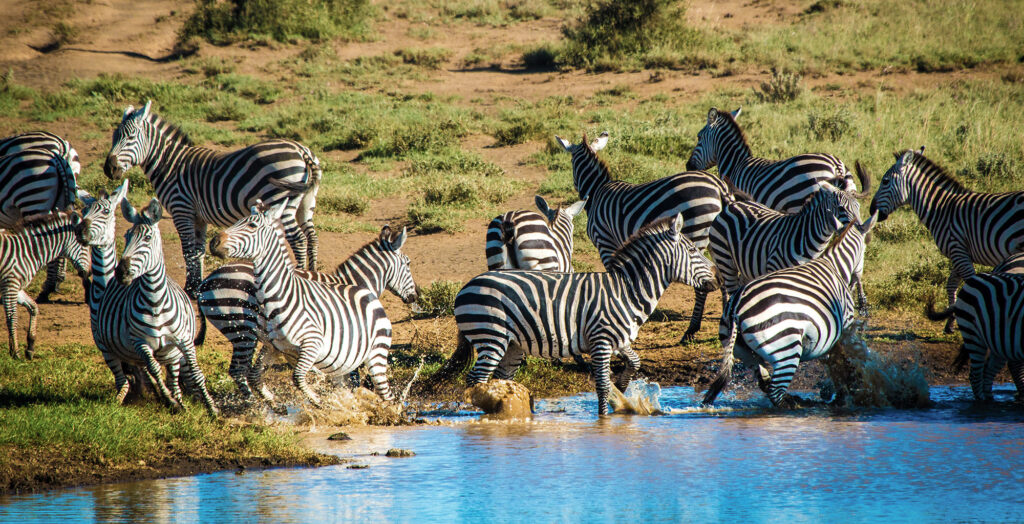
Why Sustainable Travel Matters More Than Ever?
Why Sustainable Travel Matters More Than Ever? has become an important question for travelers, tourism companies, conservation organizations, and communities across Africa. Modern tourism creates valuable opportunities for employment, conservation, cultural exchange, and economic development. However, poorly managed tourism can place pressure on wildlife, natural resources, local communities, and fragile ecosystems. Consequently, responsible travel has become essential for protecting destinations while supporting the people who depend on them. Why Sustainable Travel Matters More Than Ever? becomes especially relevant across Africa, where wildlife and natural landscapes attract millions of international visitors. Tanzania Safaris, Uganda Safaris, Kenya Safaris, and Rwanda Best Safari experiences connect travelers with some of the continent’s most remarkable ecosystems. Serengeti grasslands, Bwindi forests, Maasai Mara plains, and Rwanda’s mountain landscapes all require careful protection. Sustainable tourism encourages visitors to enjoy these destinations without damaging their ecological or cultural value. Furthermore, responsible operators can create stronger economic connections between tourism and local communities. Visitors can support locally owned businesses, community projects, conservation programs, and cultural initiatives through thoughtful travel choices. Why Sustainable Travel Matters More Than Ever? therefore involves more than reducing environmental damage. It also involves respecting people, protecting wildlife, supporting conservation, and creating lasting economic benefits. Terenga Safaris believes that African tourism should provide memorable experiences while helping preserve the destinations that make those experiences possible.
How Does Sustainable Tourism Protect Africa’s Wildlife?
Why Is Wildlife Conservation Connected to Travel?
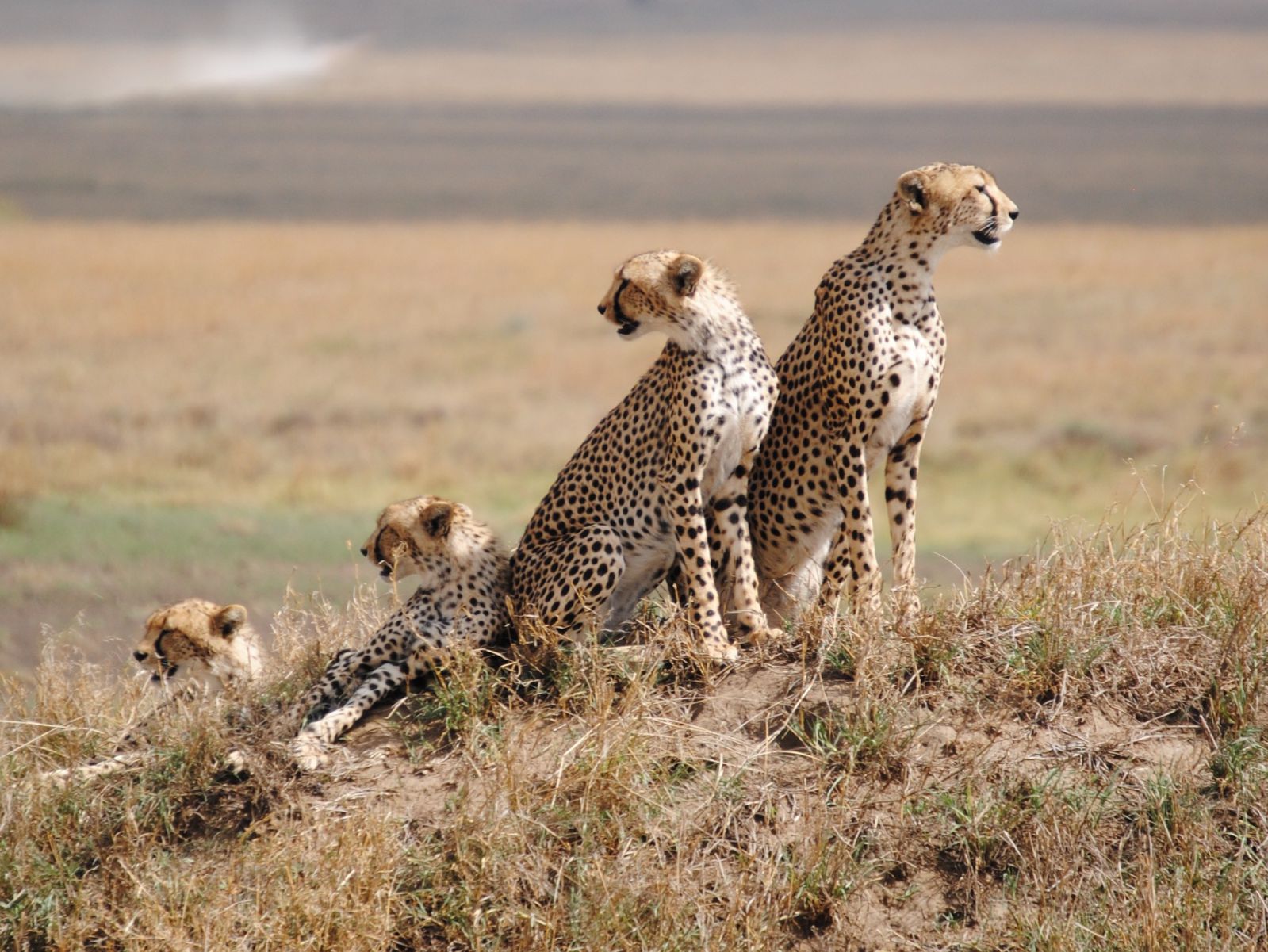
Why Sustainable Travel Matters More Than Ever? becomes particularly important when considering Africa’s extraordinary wildlife populations. Tourism provides financial resources that can support protected areas, conservation programs, wildlife monitoring, and anti-poaching initiatives. Responsible tourism can therefore create a direct connection between visitor spending and conservation. Why Sustainable Travel Matters More Than Ever? is evident across Tanzania Safaris, where visitors explore ecosystems containing elephants, lions, giraffes, cheetahs, leopards, wildebeest, zebras, and numerous other species. Uganda Safaris provide opportunities to encounter mountain gorillas, chimpanzees, elephants, lions, hippos, and other wildlife. Kenya Safaris introduce travelers to famous ecosystems such as the Maasai Mara and Amboseli. Rwanda Best Safari experiences can combine gorilla trekking with wildlife viewing and conservation-focused travel. Every responsible visit can contribute to maintaining these protected landscapes. Nevertheless, tourism must remain carefully managed to prevent excessive vehicle traffic, habitat disturbance, waste, and inappropriate wildlife interactions. Professional guides help visitors maintain suitable distances and follow park regulations. Travelers should never feed animals, attempt to touch wildlife, or interfere with natural behavior. Sustainable tourism also encourages responsible photography that prioritizes animal welfare. Therefore, choosing an experienced safari company becomes an important conservation decision. Terenga Safaris promotes responsible wildlife viewing and encourages travelers to appreciate animals without disrupting their natural routines.
How Does Sustainable Travel Benefit Local Communities?
Why Should Tourism Support People Living Near Destinations?
Why Sustainable Travel Matters More Than Ever? cannot be fully answered without discussing local communities. People living around national parks and conservation areas play an important role in protecting natural resources. Tourism can provide employment, business opportunities, education, healthcare support, and infrastructure development when benefits reach local communities. Why Sustainable Travel Matters More Than Ever? therefore includes creating economic opportunities that encourage communities to value conservation. Tanzania Safaris can support local guides, drivers, lodge employees, artisans, farmers, cultural performers, and community enterprises. Uganda Safaris can create opportunities around wildlife destinations such as Bwindi, Kibale, Queen Elizabeth, and Murchison Falls. Kenya Safaris can support communities surrounding the Maasai Mara, Amboseli, Tsavo, and other protected landscapes. Rwanda Best Safari experiences can contribute to communities involved in conservation and tourism around protected areas. Travelers can strengthen these benefits by choosing locally engaged operators and purchasing authentic locally produced products. Cultural experiences can also provide direct opportunities for communities to share traditions, crafts, food, music, and history. Respect remains essential because cultural tourism should never reduce communities to entertainment. Responsible visitors should ask permission before taking photographs and respect local customs. Sustainable tourism works best when communities participate in decisions affecting their resources and livelihoods. Terenga Safaris recognizes that successful tourism should create value for travelers and host communities simultaneously.
What Are the Expectations in This Safari?
What Should Travelers Expect From Sustainable Safari Experiences?
Why Sustainable Travel Matters More Than Ever? also changes what travelers should expect from a modern safari. Sustainable travel does not mean sacrificing comfort, safety, or enjoyment. Instead, it means choosing experiences that balance visitor satisfaction with environmental and social responsibility. Why Sustainable Travel Matters More Than Ever? encourages travelers to expect professional guiding, responsible wildlife encounters, ethical cultural experiences, and thoughtful resource management. Guests can still enjoy comfortable lodges, excellent food, scenic landscapes, exciting game drives, and unforgettable wildlife encounters. However, responsible operators may encourage practices that reduce waste, conserve water, minimize unnecessary energy use, and protect wildlife. Travelers should also expect clear information about conservation fees, community contributions, and responsible travel practices. Tanzania Safaris can provide luxurious experiences while supporting conservation when accommodation providers follow responsible operating principles. Uganda Safaris can combine comfortable lodging with forest conservation and community tourism. Kenya Safaris can connect wildlife viewing with local conservation initiatives. Rwanda Best Safari programs can incorporate responsible gorilla trekking practices that protect endangered mountain gorillas. Visitors should understand that sustainable tourism focuses on long-term value rather than short-term convenience. Patience may sometimes be necessary because responsible wildlife viewing avoids disturbing animals for closer photographs. Cultural experiences should prioritize genuine interaction rather than staged performances created solely for tourists. Terenga Safaris aims to provide transparent information so travelers understand how their choices can contribute to responsible tourism.
When Is the Best Time for This Safari?
Can Sustainable Travel Happen Throughout the Year?
Why Sustainable Travel Matters More Than Ever? does not depend on one specific travel season. Responsible tourism can take place throughout the year across Africa. Different seasons offer different wildlife, cultural, photographic, and environmental experiences. Why Sustainable Travel Matters More Than Ever? means choosing travel periods that match your interests while considering seasonal pressures on destinations. Tanzania Safaris can offer different experiences during dry and green seasons. The Great Migration creates exceptional opportunities during certain periods, while other months can provide quieter wildlife experiences. Uganda Safaris remain attractive throughout much of the year, although trekking conditions can vary. Kenya Safaris provide seasonal wildlife opportunities across different parks and conservation areas. Rwanda Best Safari experiences can also be planned according to gorilla trekking availability, wildlife interests, and broader travel preferences. Travelers should consider avoiding unnecessary peak pressure when alternative periods offer equally rewarding experiences. Choosing less crowded periods can sometimes provide a more relaxed experience while distributing tourism revenue across different months. Responsible travel planning also involves considering weather, road conditions, conservation requirements, and community activities. Terenga Safaris can help travelers select suitable travel periods based on their priorities rather than simply following popular tourism trends. Ultimately, sustainable travel requires informed decisions rather than rigid rules.
Why Choose Us For This Particular Safari?
How Can Terenga Safaris Support Responsible Travel?
Why Sustainable Travel Matters More Than Ever? makes the choice of safari company increasingly important. Terenga Safaris recognizes that tourism businesses have responsibilities toward wildlife, communities, clients, employees, and the environment. Why Sustainable Travel Matters More Than Ever? influences how responsible safari experiences should be planned and delivered. Our approach emphasizes professional guiding, respectful wildlife viewing, realistic communication, and meaningful destination experiences. Tanzania Safaris can be designed around conservation-focused wildlife viewing and community engagement. Uganda Safaris can combine gorilla trekking, wildlife experiences, cultural encounters, and conservation awareness. Kenya Safaris can incorporate community conservancies and responsible wildlife experiences where appropriate. Rwanda Best Safari itineraries can prioritize responsible gorilla trekking and conservation-sensitive activities. Travelers can receive practical guidance about appropriate behavior before visiting protected areas. Our team can also recommend experiences that provide meaningful value to local communities. Responsible planning considers accommodation, transportation, activities, waste management, wildlife protection, and cultural respect. Transparency remains central to building trust with international travelers. Rather than promising unrealistic wildlife encounters, professional guides explain the natural unpredictability of safari experiences. Why Sustainable Travel Matters More Than Ever? also requires long-term thinking. Protecting today’s destinations ensures that future generations can experience the same landscapes and wildlife. Terenga Safaris therefore aims to connect memorable travel with responsible tourism principles.
What Should You Pack for a Sustainable Safari?
Which Travel Items Support Responsible Tourism?
Why Sustainable Travel Matters More Than Ever? can also influence how travelers prepare for their journeys. Packing thoughtfully can reduce unnecessary waste and improve comfort throughout an African safari. Reusable water bottles can reduce dependence on disposable plastic containers. Lightweight reusable bags can help travelers organize belongings while limiting unnecessary packaging. Why Sustainable Travel Matters More Than Ever? encourages visitors to consider the environmental impact of everyday travel choices. Comfortable neutral-colored clothing works well for many wildlife activities. A wide-brimmed hat provides useful protection from the sun. Sunglasses and sunscreen can improve comfort during extended outdoor activities. Binoculars allow travelers to observe wildlife without requiring vehicles to move too close. Cameras provide opportunities to document experiences while maintaining responsible distances from animals. Personal toiletries can be packed in reusable containers where practical. Travelers should avoid bringing unnecessary single-use plastic items into protected areas. Lightweight footwear works well for many safari activities, while specialized shoes may be necessary for trekking programs. Uganda Safaris involving gorilla trekking require suitable clothing and sturdy footwear. Tanzania Safaris involving long game drives benefit from comfortable clothing and sun protection. Kenya Safaris can involve diverse environments, so packing should reflect the itinerary. Rwanda Best Safari programs may require additional trekking preparation. Terenga Safaris can provide destination-specific packing guidance based on activities, season, and accommodation.
How Can Sustainable Tourism Protect African Landscapes?
Why Are Natural Habitats So Important?
Why Sustainable Travel Matters More Than Ever? is closely connected to the protection of Africa’s landscapes. National parks, forests, wetlands, savannahs, mountains, and coastal ecosystems support wildlife and human communities. Tourism depends heavily on the continued health of these environments. Why Sustainable Travel Matters More Than Ever? therefore requires travelers to understand the relationship between healthy ecosystems and successful tourism. Tanzania Safaris depend on protected landscapes such as the Serengeti, Ngorongoro, Tarangire, and other wildlife areas. Uganda Safaris rely on forests, wetlands, savannahs, and protected areas supporting diverse species. Kenya Safaris depend on grasslands, forests, mountains, and coastal ecosystems. Rwanda Best Safari experiences rely on protected mountain and savannah environments. Responsible tourism can support conservation by generating revenue for protected-area management. Travelers should follow designated routes and avoid damaging vegetation. Waste should remain properly contained throughout every safari. Water should be used responsibly, particularly in areas experiencing seasonal shortages. Accommodation providers can reduce environmental pressure through appropriate waste management, renewable energy, efficient water systems, and local sourcing. Visitors can support these efforts by choosing responsible accommodation providers. Why Sustainable Travel Matters More Than Ever? ultimately means recognizing that beautiful destinations require active protection. Without healthy ecosystems, wildlife declines and tourism loses the natural attractions that draw international visitors.
How Can Travelers Support Sustainable African Tourism?
What Choices Make the Biggest Difference?
Why Sustainable Travel Matters More Than Ever? gives travelers an opportunity to influence how tourism develops across Africa. Every booking represents a decision about which businesses receive tourism revenue. Why Sustainable Travel Matters More Than Ever? encourages visitors to select companies that demonstrate genuine commitment to conservation, communities, and ethical tourism. Travelers can research safari operators before booking and examine their destination knowledge, customer reviews, policies, and community involvement. Choosing local guides and locally owned businesses can help distribute tourism income more widely. Purchasing authentic crafts directly from artisans can support local economies. Visitors can also respect cultural traditions and avoid treating communities as photographic attractions. Why Sustainable Travel Matters More Than Ever? also means reducing unnecessary waste during travel. Carrying reusable bottles, avoiding single-use plastics, and following waste-management instructions can make practical differences. Travelers should remain mindful of wildlife regulations and listen carefully to professional guides. Supporting conservation organizations can provide additional assistance where appropriate. Responsible tourism does not require complicated actions from visitors. Instead, it requires awareness, respect, and consistent good choices. Tanzania Safaris, Uganda Safaris, Kenya Safaris, and Rwanda Best Safari experiences can all become more sustainable when travelers choose responsible providers. Terenga Safaris encourages clients to travel with curiosity while respecting the people, wildlife, and landscapes they encounter.
How Will Sustainable Travel Shape the Future of African Tourism?
Why Does Responsible Tourism Matter for Future Generations?
Why Sustainable Travel Matters More Than Ever? ultimately concerns the future of tourism and conservation. Africa’s wildlife, landscapes, and cultures represent resources that should benefit generations to come. Tourism can either strengthen their protection or contribute to increasing pressure. Why Sustainable Travel Matters More Than Ever? therefore requires cooperation between travelers, communities, governments, conservation organizations, accommodation providers, and safari companies. Tanzania Safaris can continue attracting visitors when wildlife habitats remain protected. Uganda Safaris can maintain their appeal when forests and mountain ecosystems remain healthy. Kenya Safaris can thrive when wildlife corridors and community conservancies receive appropriate support. Rwanda Best Safari experiences can remain sustainable when conservation and tourism work together around protected areas. Technology can also help tourism companies educate travelers about responsible practices. Social media can showcase conservation projects, community initiatives, responsible lodges, and ethical wildlife experiences. Educational content can encourage travelers to make better decisions before arriving. Meanwhile, tourism companies can improve sustainability through better transportation, waste management, local employment, and responsible sourcing. Why Sustainable Travel Matters More Than Ever? is therefore not simply an environmental question. It is also an economic, social, cultural, and ethical issue. Sustainable tourism can protect destinations while creating meaningful experiences for visitors. Terenga Safaris believes that responsible African tourism should leave destinations stronger rather than weaker. When travelers, communities, and tourism businesses work together, tourism can become an important force for conservation and sustainable development.
Conclusion: Why Sustainable Travel Matters More Than Ever?
Why Sustainable Travel Matters More Than Ever? has become one of the most important questions facing modern tourism. Travelers increasingly want experiences that provide personal fulfillment while respecting nature and local communities. Tanzania Safaris, Uganda Safaris, Kenya Safaris, and Rwanda Best Safari journeys can contribute positively when travelers and operators embrace responsible practices. Conservation, community participation, cultural respect, environmental protection, and ethical wildlife viewing should remain central to modern African tourism. Why Sustainable Travel Matters More Than Ever? reminds every traveler that extraordinary destinations require extraordinary care. Choosing responsible accommodation, professional guides, local businesses, and ethical safari operators can create meaningful benefits beyond the individual journey. Sustainable tourism can support employment while helping communities recognize the economic value of conservation. Wildlife protection can preserve iconic species for future generations. Cultural tourism can encourage appreciation for traditions while supporting local livelihoods. Environmental responsibility can reduce unnecessary pressure on fragile ecosystems. Terenga Safaris remains committed to creating memorable African journeys that connect visitors with wildlife, landscapes, communities, and cultures responsibly. Ultimately, the best safari experience should not only provide unforgettable memories. It should also contribute to protecting the destination that made those memories possible. Why Sustainable Travel Matters More Than Ever? is therefore a question every modern traveler should consider before booking their next adventure. Responsible choices today can help ensure that Africa’s remarkable wildlife, landscapes, and cultures remain available for tomorrow’s travelers.
