Why Uganda Is a Paradise for Nature Lovers
September 11, 2026
What Travellers Learn from Visiting Uganda?
September 16, 2026
Why Slow Travel Matters in East Africa?
Why Slow Travel Matters in East Africa? Slow travel offers a deeper way to experience Africa. It encourages travelers to spend more time in fewer destinations. Instead of rushing between attractions, visitors connect with landscapes, wildlife, communities, and cultures.
East Africa provides the perfect setting for this travel style. Uganda, Kenya, Tanzania, and Rwanda offer remarkable natural and cultural diversity. Each destination rewards travelers who allow enough time for meaningful exploration.
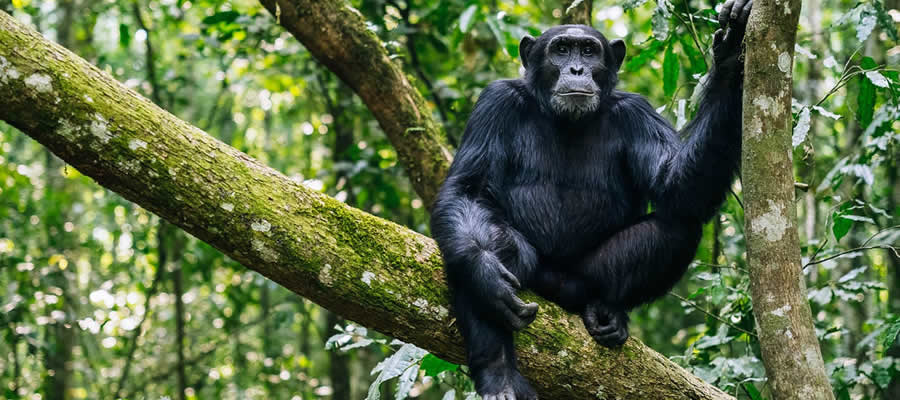
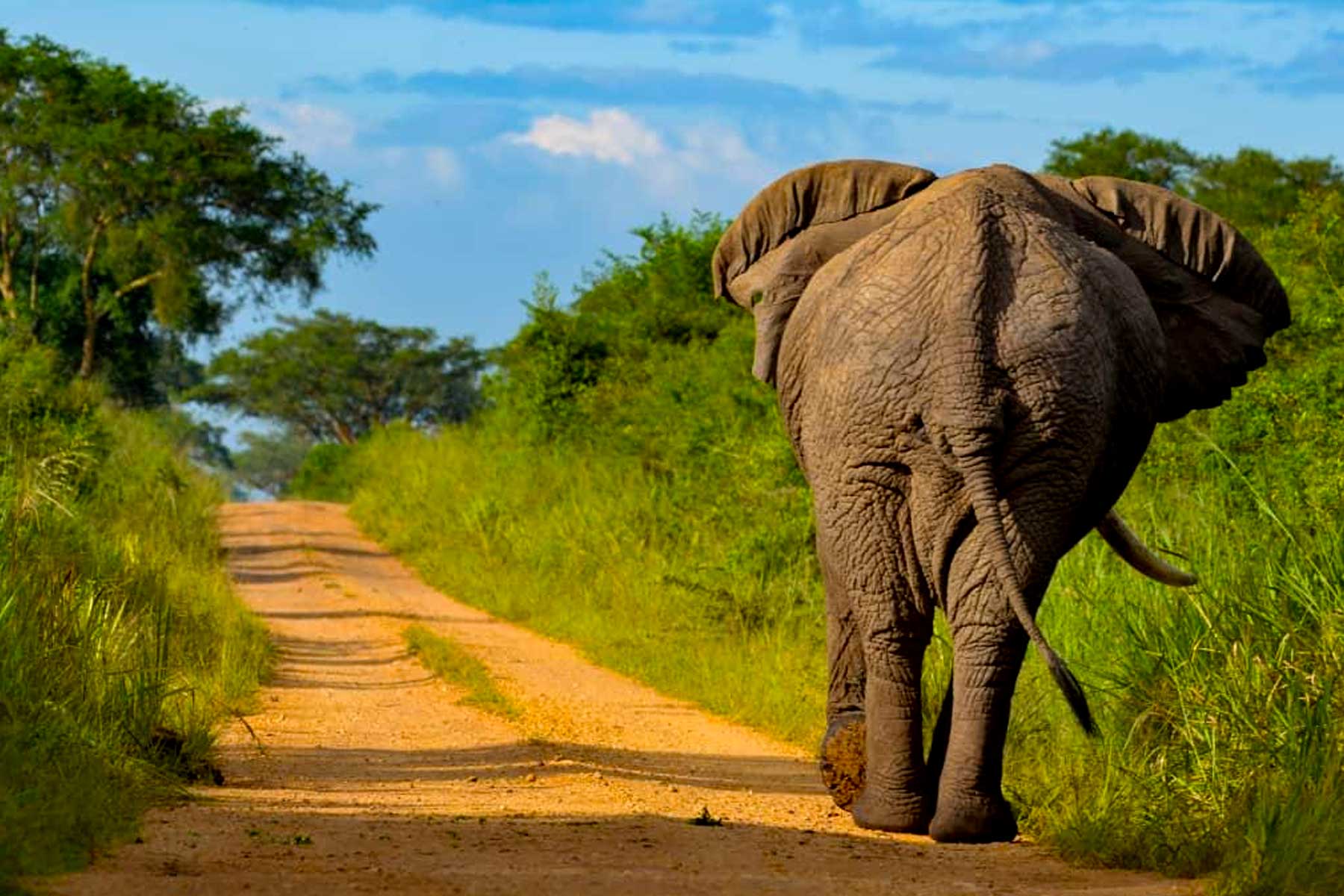
A slower journey also creates better opportunities for wildlife observation. You can spend longer watching elephants, lions, chimpanzees, gorillas, and other species. You can also enjoy quieter moments around lakes, forests, savannahs, and rivers.
Furthermore, slow travel supports stronger connections with local communities. Travelers can visit villages, markets, cultural centers, and community projects. These experiences provide valuable insight into everyday life across East Africa.
At Terenga Safaris, we design journeys around meaningful experiences. Our approach combines comfort, flexibility, local knowledge, and responsible tourism. Therefore, every safari can become more than a simple holiday.
Why Slow Travel Matters in East Africa? The answer begins with connection. Travelers gain more when they allow Africa to unfold naturally.
Understanding Slow Travel in East Africa
Travel Beyond the Checklist
Traditional tourism often focuses on visiting many attractions within limited time. Slow travel takes a different approach. It values depth, quality, connection, and personal discovery.
Instead of visiting three parks in three days, travelers can explore one destination properly. Extra time allows for multiple game drives and cultural activities. It also creates space for relaxation between experiences.
Slow travel does not mean doing nothing. Instead, it means choosing experiences with greater purpose. You can enjoy wildlife, photography, nature walks, cultural encounters, and community activities.
Why Time Matters
Time changes how travelers experience East Africa. Early mornings can reveal wildlife behavior that rushed visitors might miss. Quiet afternoons can provide excellent opportunities for relaxation and photography.
Longer stays also support better relationships with guides and local communities. Travelers become more familiar with their surroundings. Consequently, the destination feels more personal and memorable.
This approach makes Why Slow Travel Matters in East Africa? an important question for modern travelers.
Why Slow Travel Matters in East Africa for Wildlife Safaris
More Meaningful Wildlife Encounters
Wildlife does not follow a timetable. Animals move according to food, water, weather, and natural behavior. Therefore, longer safari stays create more opportunities for memorable sightings.
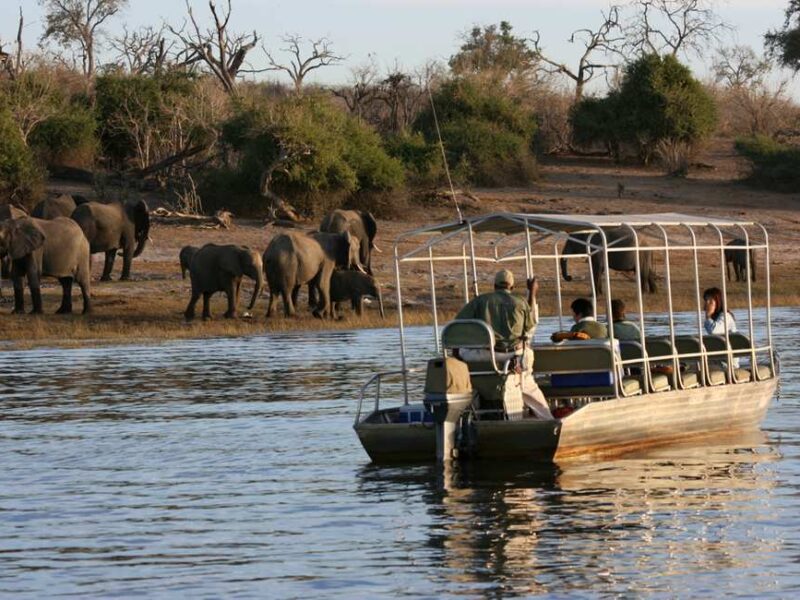
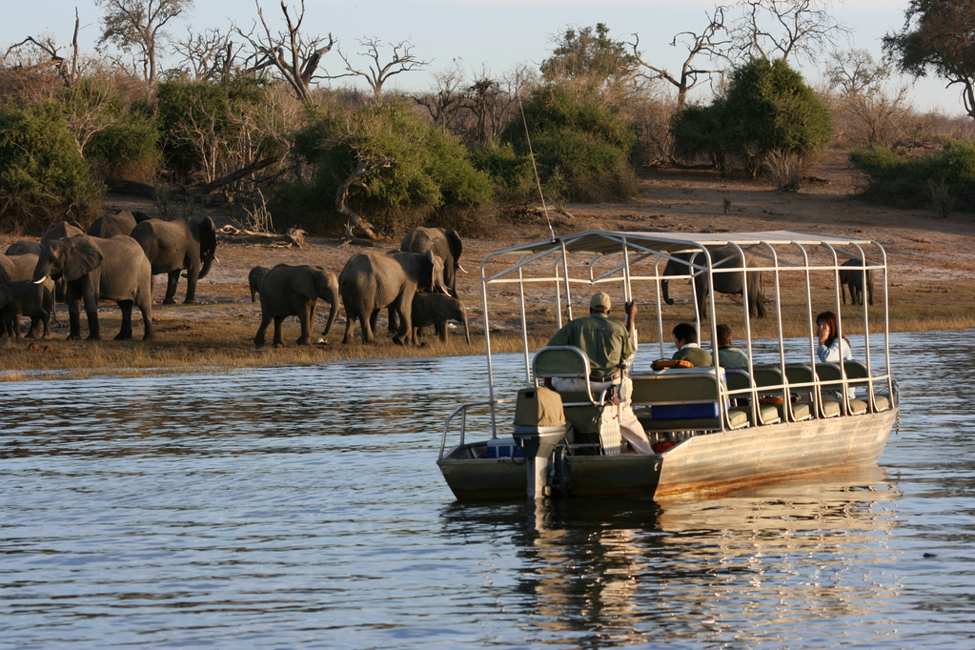
Uganda wildlife safaris benefit greatly from this approach. Travelers can spend several days exploring different habitats within one region. They can also combine game drives with boat cruises and nature walks.
A Uganda wildlife tour can include savannah, wetlands, forests, and lakes. Each ecosystem offers different wildlife experiences. Spending more time allows travelers to appreciate these differences.
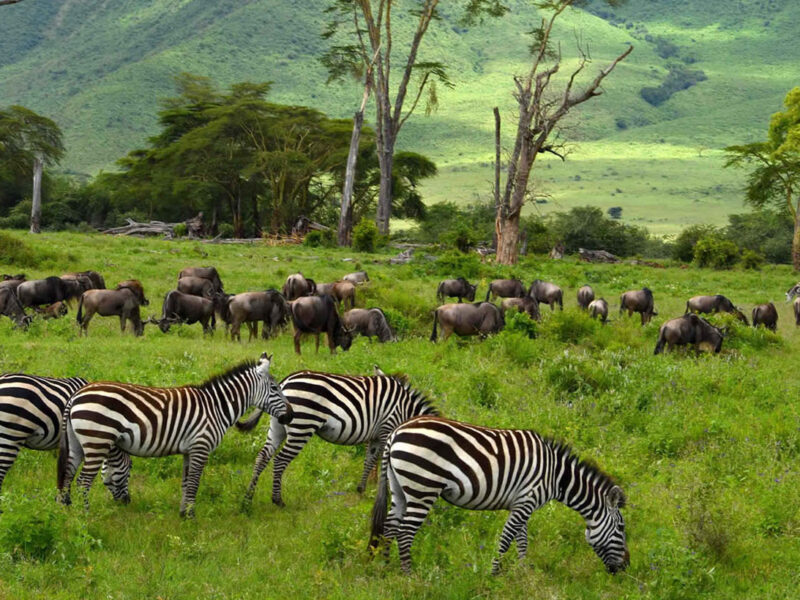
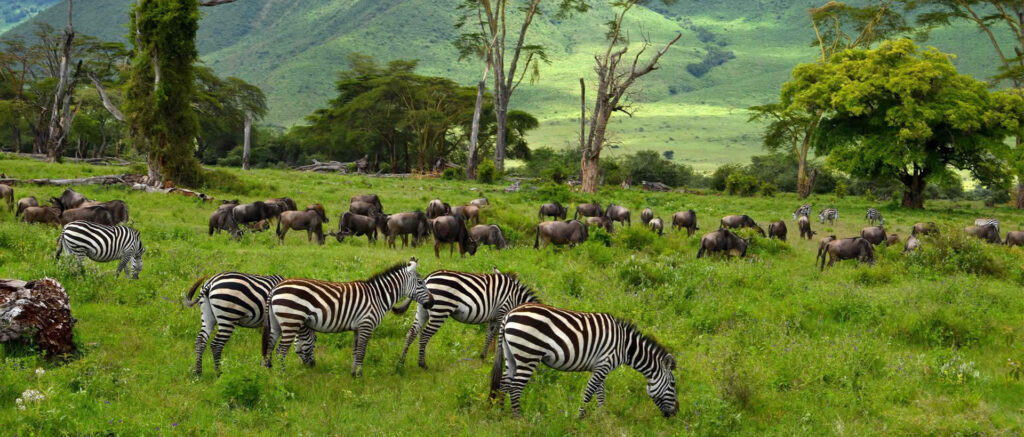
Kenya and Tanzania also offer exceptional opportunities for slow wildlife travel. The Serengeti and Maasai Mara reward patient observation. Longer stays can create deeper appreciation for wildlife behavior and landscapes.
Better Photography Opportunities
Wildlife photography requires patience. Animals may appear briefly before disappearing into thick vegetation. Slow travel gives photographers more opportunities to wait for ideal moments.
Morning light creates excellent conditions for photography. Afternoon sessions can reveal different animal behaviors. Therefore, travelers should avoid packing every day with long-distance transfers.
Why Slow Travel Matters in East Africa for Gorilla Trekking
Time for Forest Experiences
Gorilla trekking requires patience, preparation, and respect for nature. Uganda provides remarkable opportunities through Bwindi Impenetrable National Park and Mgahinga National Park.
A slower itinerary allows travelers to prepare properly before trekking. It also provides time for rest after challenging forest walks.
Uganda safari experiences can combine gorilla trekking with wildlife adventures. Travelers can visit Queen Elizabeth National Park before continuing toward Bwindi. They can also include cultural experiences around local communities.
Connecting With Local Communities
Gorilla destinations contain vibrant communities with rich cultural traditions. Travelers can explore local crafts, food, music, dance, and farming activities.
Community walks can complement gorilla trekking experiences. These activities create additional value beyond the forest.
Therefore, Why Slow Travel Matters in East Africa? becomes especially relevant around gorilla destinations. The journey deserves time beyond the trekking permit itself.
Cultural Experiences That Enrich Slow Travel
Village and Community Visits
Slow travel creates opportunities for authentic community experiences. Travelers can visit villages and interact respectfully with local residents.
Cultural activities may include traditional dance performances and craft demonstrations. Food experiences can also introduce visitors to local ingredients and cooking traditions.
In Uganda, travelers can explore different cultural communities around national parks. These experiences may include storytelling, traditional music, farming, and local markets.
Cultural Experiences Around Safari Lodges
Safari lodges can provide convenient access to nearby cultural experiences. Travelers staying near Bwindi can explore community projects and local craft centers.
Lodges around Queen Elizabeth National Park can connect travelers with community tourism activities. Visitors can also explore fishing communities around Lake Edward.
Around Murchison Falls, cultural experiences can include village visits and traditional performances. Travelers may also learn about local livelihoods near the Nile.
Lake Bunyonyi offers opportunities to explore communities around the lake. Travelers can combine scenic relaxation with cultural interactions.
These experiences add meaning to a safari. They also encourage travelers to understand destinations beyond wildlife.
 Why Slow Travel Matters in East Africa for Sustainable Tourism
Supporting Local Economies
Slow travel can distribute tourism spending more effectively. Longer stays create opportunities for accommodation providers, guides, drivers, artisans, restaurants, and communities.
Travelers can support local businesses through responsible purchasing. Choosing locally operated experiences can also strengthen community participation.
Reducing Unnecessary Transfers
Fewer transfers can reduce travel fatigue. They can also create more relaxed itineraries.
A well-planned safari should balance exploration with rest. Travelers need enough time to enjoy each destination.
This principle remains central to Why Slow Travel Matters in East Africa?
Slow Travel and Uganda Safaris
Explore Uganda at a Comfortable Pace
Uganda offers exceptional opportunities for slow exploration. Visitors can combine forests, savannahs, wetlands, mountains, and lakes within one journey.
A Uganda safari can include Murchison Falls, Queen Elizabeth, Kibale, and Bwindi. However, each destination deserves sufficient time.
Uganda adventure safaris can also include hiking, boat cruises, chimpanzee trekking, and cultural experiences. These activities become more enjoyable when travelers avoid unnecessary rushing.
The Value of Longer Stays
Longer stays can create stronger connections with destinations. Travelers can revisit productive wildlife areas during different times of day.
They can also enjoy relaxed evenings at safari lodges. Such moments provide opportunities to appreciate nature away from busy schedules.
Planning a Slow East African Safari
Choose Fewer Destinations
Start by selecting experiences that matter most to you. Wildlife lovers may prioritize national parks and conservation areas.
Culture enthusiasts can add community visits and cultural activities. Adventure travelers may include hiking, trekking, canoeing, or nature walks.
Allow Enough Travel Time
East African destinations can involve long road journeys. Therefore, avoid creating overly ambitious itineraries.
Include rest periods between major activities. This approach makes your journey more comfortable and enjoyable.
Select Suitable Safari Lodges
Accommodation plays an important role in slow travel. Choose lodges that provide comfort and convenient access to attractions.
A good lodge should complement your itinerary. It should also provide opportunities for relaxation and local experiences.
Why Slow Travel Matters in East Africa for Families
Families can benefit greatly from slower itineraries. Children often need breaks between activities and long journeys.
A relaxed safari allows families to enjoy wildlife without constant rushing. Parents can also create time for swimming, nature walks, and cultural activities.
Family-friendly Uganda safaris can combine wildlife with educational experiences. Children can learn about conservation, ecosystems, and local communities.
This creates a memorable African adventure for different generations.

What Wildlife Can I Expect in Queen Elizabeth National Park?
Why Slow Travel Matters in East Africa for Couples
Couples can use slow travel to create more private experiences. Relaxed schedules provide time for scenic dinners, nature walks, and lodge relaxation.
Romantic safaris can combine wildlife adventures with peaceful accommodation. Uganda, Tanzania, Kenya, and Rwanda offer diverse settings for couples.
A slower itinerary also reduces travel pressure. Consequently, couples can focus more on shared experiences.
Responsible Slow Travel Practices
Respect Wildlife
Maintain safe distances from animals during every safari. Follow park regulations and guide instructions.
Avoid disturbing animals for photographs. Patience creates better experiences without disrupting natural behavior.
Respect Local Communities
Always approach communities with cultural sensitivity. Ask before photographing people or entering private spaces.
Support local artisans and community initiatives where possible. Responsible tourism creates more meaningful connections.
Protect the Environment
Reduce plastic waste during your safari. Carry reusable water bottles whenever practical.
Avoid littering and remain on designated routes. Small actions can protect fragile ecosystems.
Safari Inclusions
- Airport transfers
- Private safari vehicle
- Professional safari guide
- Accommodation
- Meals
- Game drives
- Boat cruises
- Nature walks
- Cultural experiences
- Park entry fees
- Gorilla trekking permits
- Chimpanzee trekking permits
- Drinking water
- Applicable government taxes
- Emergency assistance
Safari Exclusions
- International flights
- Visa fees
- Travel insurance
- Personal expenses
- Alcoholic beverages
- Laundry services
- Tips
- Souvenirs
- Optional activities
- Personal communication costs
- Additional accommodation
- Medical expenses
Why Slow Travel Matters in East Africa?
Why Slow Travel Matters in East Africa? Slow travel transforms a safari from a checklist into a journey of discovery.
It creates time for wildlife observation, cultural connection, relaxation, and meaningful exploration. It also allows travelers to appreciate landscapes without unnecessary pressure.
East Africa offers extraordinary opportunities for this style of travel. Uganda safaris can combine wildlife with primates, culture, forests, and lakes. Tanzania provides vast savannah landscapes and spectacular wildlife experiences. Kenya offers diverse ecosystems and strong cultural encounters.
Rwanda adds mountain landscapes, primate experiences, and rich cultural opportunities. Each destination offers something different.
At Terenga Safaris, we believe every African journey should feel personal and purposeful. Our expertise helps travelers create comfortable itineraries with meaningful experiences.
Conclusion: Why Slow Travel Matters in East Africa?
Why Slow Travel Matters in East Africa? Slow travel gives Africa the time it deserves.
Instead of rushing from one attraction to another, travelers can experience destinations more deeply. They can observe wildlife, meet communities, enjoy nature, and appreciate local traditions.
Whether you choose a Uganda wildlife tour or a broader East African adventure, thoughtful planning matters. A well-paced itinerary creates room for discovery and relaxation.
Terenga Safaris creates carefully planned African journeys for travelers worldwide. We combine destination knowledge, professional guidance, comfortable travel, and responsible tourism.
Why Slow Travel Matters in East Africa? It matters because unforgettable journeys require time, connection, and meaningful experiences.