Can I Combine Kibale with Uganda Birding Safaris?
May 4, 2026
How Long Does Chimp Tracking Take in Kibale?
May 4, 2026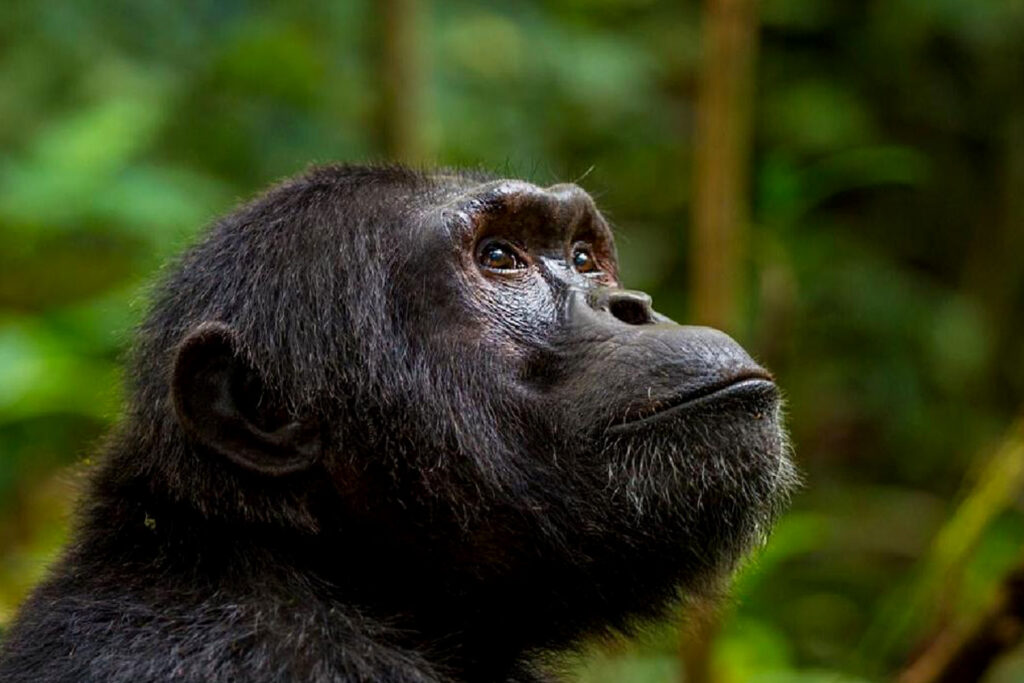
What Other Primates Can Be Seen in Kibale?
Interest in What Other Primates Can Be Seen in Kibale continues to grow among travelers seeking immersive wildlife encounters in Uganda, a destination celebrated for its exceptional biodiversity and thriving ecosystems. Recognition of this tropical forest as the “Primate Capital of the World” positions it at the heart of unforgettable Uganda Safaris, where visitors experience rare and intimate interactions with some of Africa’s most fascinating species. Curiosity about What Other Primates Can Be Seen in Kibale extends beyond chimpanzees, as the park hosts an impressive variety of primates that contribute to its global reputation among researchers, conservationists, and wildlife enthusiasts.
Exploration of this lush rainforest reveals a complex habitat shaped by dense vegetation, towering trees, and rich biodiversity that supports over 13 primate species. Interest in Uganda Birding Safaris also intersects here, as the forest shelters hundreds of bird species, making it a multidimensional safari destination. Engagement with local communities further enhances Uganda Cultural Safaris, providing travelers with authentic cultural insights alongside wildlife encounters. Appreciation for conservation efforts within the park strengthens its status as a model for sustainable tourism in Africa.
Understanding What Other Primates Can Be Seen in Kibale allows visitors to fully grasp the ecological richness of this environment while enjoying one of the most rewarding Uganda Best Safari experiences. Careful planning ensures a seamless journey into the forest, where every trek introduces new discoveries and deepens appreciation for Uganda’s natural heritage.
What Other Primate Species Make Kibale Unique for Uganda Safaris?
Exploration of What Other Primates Can Be Seen in Kibale reveals an extraordinary concentration of species that sets this destination apart within Uganda Safaris. Observation within the forest introduces travelers to black-and-white colobus monkeys, known for their striking appearance and graceful movement through the canopy. Encounters with red colobus monkeys provide insight into one of Africa’s more endangered primates, highlighting the importance of conservation in the region. Sightings of L’Hoest’s monkeys, often found in small groups, add further diversity to the experience, while grey-cheeked mangabeys offer dynamic and energetic displays as they move swiftly between trees.
Recognition of vervet monkeys and olive baboons enhances the safari experience, as these adaptable species can often be seen along forest edges and nearby clearings. Discovery of blue monkeys contributes to the richness of primate viewing, offering travelers a chance to observe their social behavior and feeding patterns. Understanding What Other Primates Can Be Seen in Kibale provides visitors with a broader perspective on primate ecology, making each trek both educational and memorable.
Guided excursions ensure that guests not only spot these species but also learn about their habitats, diets, and interactions within the ecosystem. Professional trackers use their expertise to locate primates efficiently while maintaining ethical wildlife viewing practices. Interest in Uganda Cultural Safaris is also enriched through storytelling that connects local traditions to wildlife conservation. Anyone seeking a deeper understanding of What Other Primates Can Be Seen in Kibale will find that the park offers one of the most comprehensive primate experiences in Africa.
How Do You Reach Kibale and What Should You Expect on This Safari?
Planning a journey focused on What Other Primates Can Be Seen in Kibale begins with understanding accessibility and safari logistics within Uganda Safaris. Travel from Kampala or Entebbe typically involves a scenic drive lasting approximately 5–6 hours, passing through tea plantations, rural landscapes, and vibrant local communities. Selection of domestic flights provides a faster alternative, with nearby airstrips offering convenient access for travelers seeking efficiency.
Expectations for visitors include guided forest walks led by experienced rangers who ensure both safety and meaningful wildlife encounters. Participation in primate tracking allows guests to observe various species in their natural habitat, creating an immersive experience that answers the question, What Other Primates Can Be Seen in Kibale. Preparation for moderate physical activity is essential, as treks may involve walking through uneven terrain and dense vegetation.
Accommodation options range from eco-lodges to luxury forest retreats, ensuring comfort while maintaining close proximity to the park. Engagement with local communities adds a cultural dimension to the safari, aligning with the goals of Uganda Cultural Safaris. Observation of birdlife further enhances the experience, appealing to enthusiasts interested in Uganda Birding Safaris. Understanding logistics and expectations ensures that travelers maximize their time while exploring What Other Primates Can Be Seen in Kibale.
When Is the Best Time and How Much Does This Safari Cost?
Timing plays a significant role in determining the quality of experiences related to What Other Primates Can Be Seen in Kibale, making seasonal planning essential for successful Uganda Safaris. Dry seasons, typically from June to September and December to February, provide the most favorable trekking conditions, as trails remain accessible and primates are easier to locate. Consideration of wet seasons offers advantages such as fewer crowds and vibrant forest scenery, which also benefits Uganda Birding Safaris due to increased bird activity.
Cost considerations vary depending on the type of safari chosen, accommodation standards, and duration of stay. Budget travelers can expect daily expenses starting from approximately $150, while mid-range options range between $250 and $400 per day. Luxury experiences may exceed $600 per day, offering premium services and exclusive access to certain activities. Permit fees for primate tracking are typically included in safari packages, ensuring transparency and convenience.
Understanding these factors allows travelers to plan effectively while focusing on the core question, What Other Primates Can Be Seen in Kibale. Investment in a well-organized safari ensures not only comfort but also a higher likelihood of meaningful wildlife encounters. Careful timing and budgeting contribute to a fulfilling and memorable journey within one of Africa’s most remarkable primate habitats.
Why Choose Terenga Safaris for This Uganda Best Safari Experience?
Choosing the right safari provider significantly enhances the experience of discovering What Other Primates Can Be Seen in Kibale, making expertise and reliability essential in Uganda Safaris. Terenga Safaris offers tailored itineraries designed to maximize wildlife encounters while maintaining a strong commitment to sustainability and responsible tourism. Experience in organizing Uganda Best Safari adventures ensures that every detail, from transportation to accommodation, is handled with professionalism and care.
Knowledgeable guides play a crucial role in delivering exceptional experiences, as they provide in-depth insights into primate behavior, forest ecology, and conservation efforts. Personalized service allows travelers to customize their journeys, whether focusing on primates, birding, or cultural interactions aligned with Uganda Cultural Safaris. Attention to detail ensures that each safari is both seamless and enriching, reinforcing trust and satisfaction among clients.
Commitment to excellence positions Terenga Safaris as a reliable authority in the African tourism industry, offering high-quality experiences that answer the question, What Other Primates Can Be Seen in Kibale with clarity and depth. Dedication to customer satisfaction and environmental conservation ensures that every traveler leaves with lasting memories and a deeper appreciation for Uganda’s natural heritage.