Luxury Accommodation in Uganda’s Tourism Sector
March 9, 2026
Accommodation in Maasai Mara National Reserve
March 9, 2026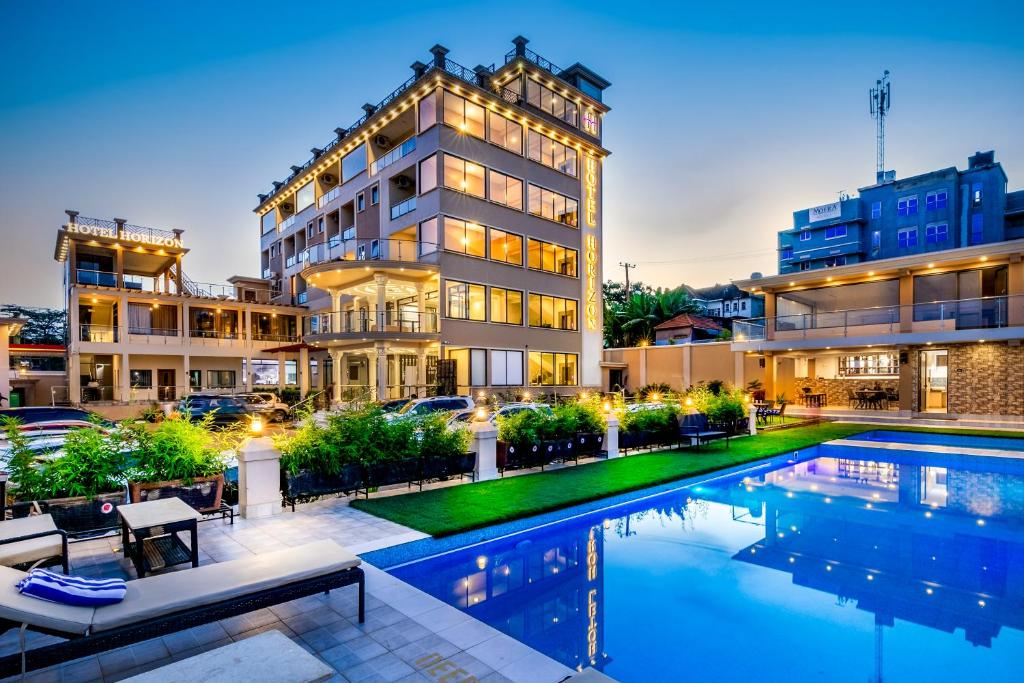
what of Accommodation Available in Uganda’s Tourism sector?
Introduction
Uganda is widely recognized as one of the most attractive tourist destinations in Africa because of its abundant wildlife, beautiful landscapes, and rich cultural diversity. Commonly known as the “Pearl of Africa,” the country offers a variety of tourism experiences such as wildlife safaris, gorilla trekking, bird watching, cultural tourism, and adventure activities. As the tourism sector continues to expand, the hospitality industry has developed a wide range of accommodation facilities to meet the different needs of visitors with varying budgets, preferences, and travel styles.
Accommodation is a fundamental component of tourism because it provides travelers with places to stay while exploring a destination. In Uganda, tourists have access to numerous accommodation options, including luxury hotels, safari lodges, guesthouses, tented camps, and campsites. These facilities are located in cities, towns, and near major tourist attractions such as national parks, lakes, and cultural heritage sites. The presence of diverse accommodation options greatly enhances the visitor experience and contributes to the development of the tourism sector.
1. Hotels
Hotels are among the most widely available forms of accommodation in Uganda. They are mainly located in major urban areas such as Kampala, Entebbe, Jinja, and Mbarara. Hotels provide a range of services including comfortable guest rooms, restaurants, conference halls, swimming pools, and recreational facilities.
Hotels in Uganda vary in quality and price, ranging from budget establishments to luxurious five-star hotels. High-end hotels often provide premium services such as spa treatments, fitness centers, and high-quality dining experiences. On the other hand, mid-range and budget hotels offer more affordable services while still providing comfort and convenience for travelers.
Hotels are particularly suitable for business travelers, conference participants, and tourists who prefer organized and professional hospitality services.
2. Safari Lodges
Safari lodges are a popular type of accommodation for tourists visiting Uganda’s national parks and wildlife reserves. These lodges are typically situated within or near protected areas, giving visitors easy access to wildlife and nature-based tourism activities.
Safari lodges are designed to blend with the surrounding environment while still offering modern comfort. Many lodges provide private cottages or chalets with views of landscapes such as savannah plains, forests, and rivers.
Guests staying in safari lodges can enjoy activities like game drives, guided nature walks, bird watching, and boat cruises. Such lodges are commonly found around famous tourist destinations like Bwindi Impenetrable National Park, Queen Elizabeth National Park, Murchison Falls National Park, and Kidepo Valley National Park.
3. Tented Camps
Tented camps provide another unique accommodation option in Uganda, especially for visitors who want to experience the adventure of a safari. These camps consist of spacious tents that are furnished with beds, private bathrooms, and other basic amenities.
Unlike traditional camping, tented camps offer both comfort and a sense of adventure. Some camps are designed to provide luxury services such as dining areas, lounges, and organized safari activities. Others are simpler and cater mainly to travelers looking for affordable and nature-oriented experiences.
Tented camps are commonly located in or near national parks and wildlife reserves, allowing visitors to stay close to nature and wildlife.
4. Guesthouses and Bed-and-Breakfasts
Guesthouses and bed-and-breakfast facilities are smaller accommodation establishments that provide a more relaxed and homely atmosphere. They are often privately owned and offer comfortable rooms, meals, and basic hospitality services at reasonable prices.
These facilities are commonly found in towns and tourist areas and are particularly popular with backpackers and budget travelers. Bed-and-breakfast establishments usually include overnight accommodation together with breakfast as part of the service.
Guesthouses allow tourists to experience local hospitality and often provide opportunities for closer interaction with the host community.
5. Resorts
Resorts are accommodation facilities designed to provide both lodging and recreational opportunities for visitors. In Uganda, resorts are often located in scenic areas near natural attractions such as lakes, rivers, forests, and mountainous regions.
Many resorts offer a variety of leisure facilities including swimming pools, gardens, sports areas, boat rides, and spa services. These establishments are ideal for tourists who want to relax while enjoying natural surroundings.
Popular resort locations in Uganda include areas around Lake Victoria, the Nile River in Jinja, and other picturesque destinations near national parks.
6. Hostels
Hostels provide affordable accommodation mainly for backpackers, students, and young travelers. In hostels, guests typically stay in shared dormitory-style rooms and use communal facilities such as bathrooms, kitchens, and lounge areas.
Although hostels offer fewer luxury services than hotels, they are cost-effective and provide social environments where travelers from different countries can interact and share experiences.
Hostels are mainly found in major tourism centers such as Kampala, Entebbe, and Jinja where many international travelers begin or end their journeys.
7. Campsites
Campsites are specially designated areas where tourists can set up tents or park camper vehicles during their trips. Camping is a popular choice among adventure tourists and nature enthusiasts who want to experience the natural environment more closely.
Several national parks and wildlife reserves in Uganda have developed campsites that provide basic facilities such as toilets, showers, cooking spaces, and security. Camping is generally cheaper than staying in hotels or lodges, making it a good option for budget travelers.
In addition, campsites offer opportunities to participate in outdoor activities such as hiking, wildlife viewing, and stargazing.
8. Homestays
Homestays are a form of community-based tourism in which visitors stay with local families in their homes. This type of accommodation allows tourists to experience the daily lives, traditions, and cultures of local communities.
Homestays are particularly common in rural areas near tourist attractions such as national parks and cultural heritage sites. During their stay, visitors may participate in activities such as traditional cooking, farming, storytelling, and cultural performances.
Homestays also provide economic benefits to local communities by generating income and promoting cultural exchange between residents and tourists.
Importance of Accommodation in Tourism Development
Accommodation facilities play a vital role in the growth of Uganda’s tourism industry. They contribute to tourism development in several ways.
First, they enhance the overall travel experience by providing visitors with comfortable and safe places to stay. Second, accommodation businesses generate income and contribute to the national economy through tourism spending. Third, hotels, lodges, and other establishments create employment opportunities for many people within local communities. Finally, accommodation facilities stimulate the development of related services such as transportation, tour guiding, handicrafts, and local markets.
Uganda provides a wide range of accommodation options that cater to the different needs of tourists visiting the country. From luxury hotels and safari lodges to guesthouses, hostels, campsites, and homestays, visitors can select accommodation that suits their travel style, preferences, and budget.
These accommodation facilities not only improve the tourism experience but also contribute significantly to the development of Uganda’s tourism industry. By generating employment, supporting local businesses, and promoting cultural exchange, the accommodation sector plays a key role in strengthening Uganda’s position as a leading tourism destination in Africa.