
Where Can You Go Gorilla Trekking in Rwanda?
November 3, 2026
What Is the Best Time to Visit Rwanda for Gorilla Trekking?
November 5, 2026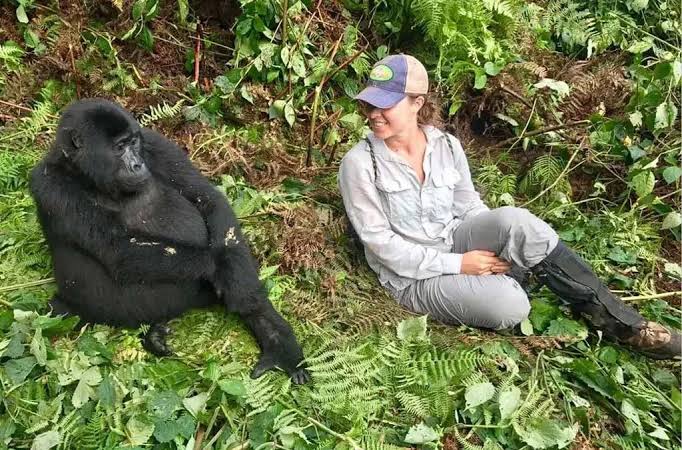
What Is the Best Season to Combine Gorilla Trekking with Wildlife Safaris?
What Is the Best Season to Combine Gorilla Trekking with Wildlife Safaris? For many travelers, June to August offers a strong balance: it generally falls within drier periods for gorilla trekking in Uganda and Rwanda and is also a favored time for wildlife viewing in many savannah parks. December to February can be another good window, particularly for Uganda and Kenya, though Rwanda’s weather can be more variable around December. In either period, lower rainfall may make some forest trails and park roads easier to navigate, while dry conditions in savannah landscapes can make wildlife easier to spot. These are seasonal tendencies, not guarantees of sunshine or specific animal sightings.
A combined trip brings together two very different environments. Gorilla trekking takes place in high-altitude forests, where rain and mist can occur even during a drier month. Game drives, by contrast, usually take place in open or lightly wooded savannah, where seasonal changes in grass and water affect visibility and animal movement. Uganda Wildlife Authority (UWA) identifies June to August and December to February as dry-season periods for primate tracking and wildlife viewing in savannah reserves. See UWA’s seasonal guidance. Rwanda’s main dry period generally runs from June to mid-September. Visit Rwanda’s weather overview. Kenya Wildlife Service also notes that many parks have favorable wildlife-viewing seasons outside the long rains. Read KWS guidance. The best overall dates depend on your chosen countries, parks and priorities.
Why Do Dry Months Often Suit a Combined Safari?
What Is the Best Season to Combine Gorilla Trekking with Wildlife Safaris? Drier months can make a multi-park journey easier to manage. In forest areas, reduced rain may mean less mud on trails and more comfortable walking, although the terrain remains steep and unpredictable. On a savannah game drive, shorter grass can improve visibility, while dry weather can make some park roads easier to travel. This can be useful when an itinerary includes several destinations and you want to reduce weather-related delays. Rwanda’s tourism authority notes that roads and paths tend to be easier to navigate during its June-to-mid-September dry season. Visit Rwanda weather details.
For Uganda, June to August and December to February are often considered favorable periods for primate tracking and wildlife viewing. A route might pair gorilla trekking in Bwindi or Mgahinga with a game drive in Queen Elizabeth National Park or another wildlife area. In Rwanda, a visit to Volcanoes National Park can be combined with a savannah safari in Akagera, subject to time and route planning. Meanwhile, Kenya Safaris are often particularly appealing in drier periods, when animals can be easier to see in open habitats; KWS describes July to March as a high season for many parks, while noting that April to June brings long rains and can require four-wheel-drive vehicles. KWS seasonal advice. Dry months are popular, so permits, preferred lodges and flights may need to be arranged early. A good itinerary balances those advantages against cost, crowds and the specific wildlife experiences you want.
What Are The Expectations in This Safari?
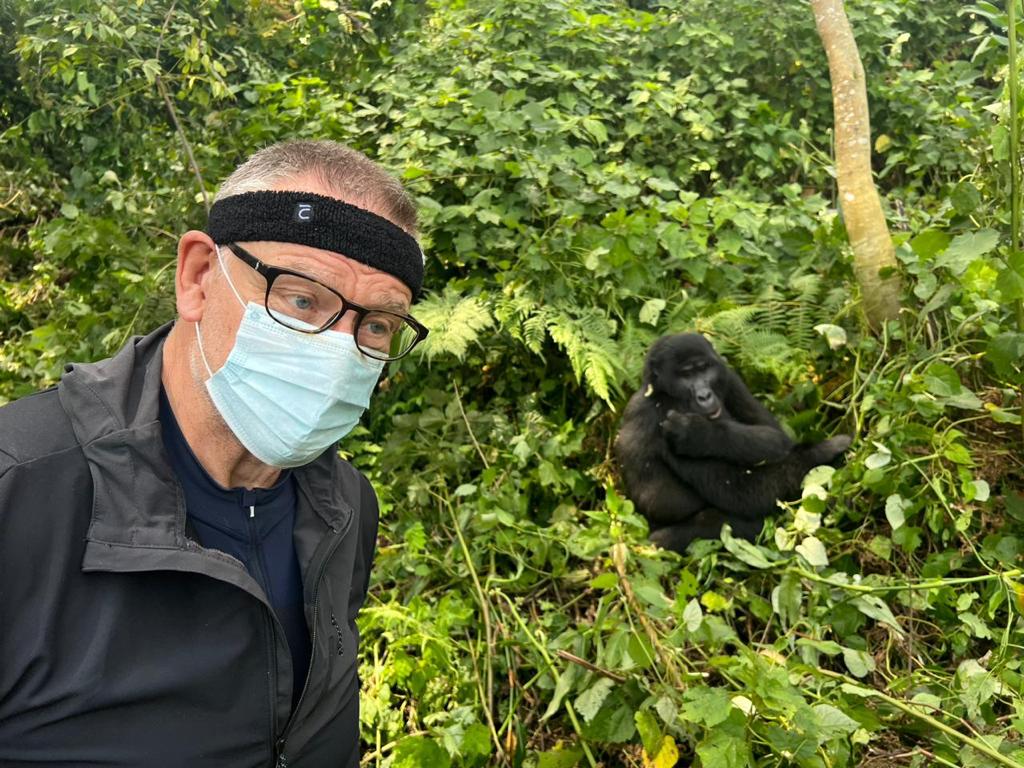
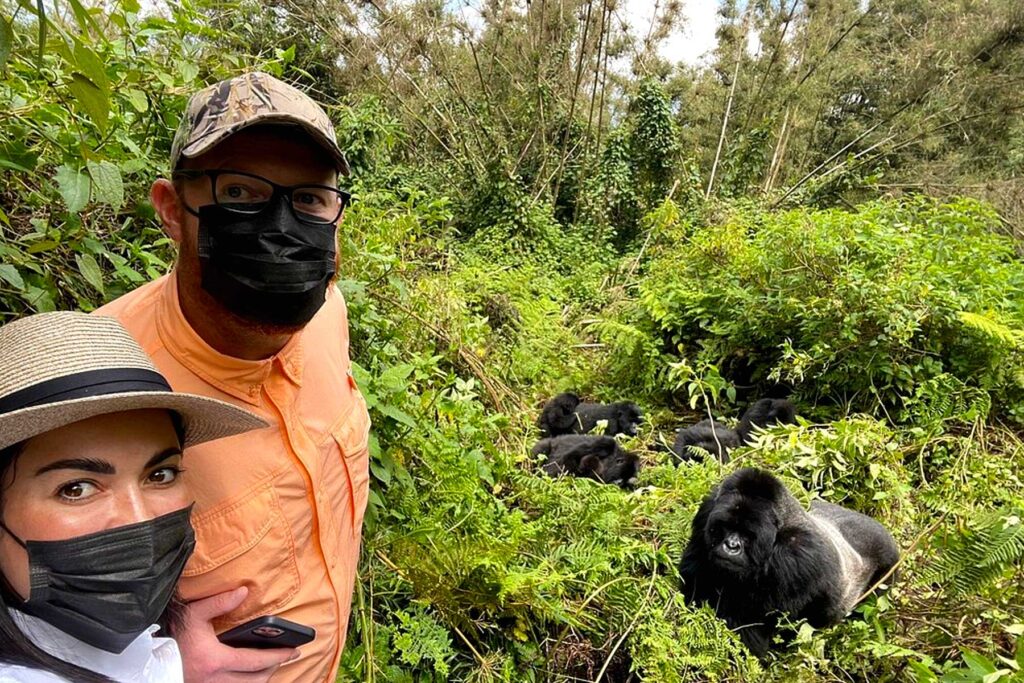
What Is the Best Season to Combine Gorilla Trekking with Wildlife Safaris? Expect varied days rather than one uniform safari routine. Gorilla trekking involves an early briefing, a guided hike through forest and a limited period observing the gorillas once the group is found. In Uganda, UWA says tracking may take about two to seven hours, followed by one hour with a habituated gorilla family. UWA’s gorilla tracking information explains the activity and the moderate fitness it requires. Rwanda’s official guidance also limits viewing to one hour and requires visitors to follow conservation rules. RDB tracking information.
Game drives have a different rhythm. They often take place in the early morning or late afternoon, when wildlife may be active, and sightings depend on animal movement, habitat and the skill of the guide. Expect time in a vehicle, periods of scanning the landscape and pauses to observe wildlife without disturbing it. Your safari may include a boat excursion, forest walk or cultural activity, depending on the park and schedule. Traveling between countries or parks can require long road transfers or domestic flights, so avoid packing too many stops into a short holiday.
When Is The Best Time for This Safari?
What Is the Best Season to Combine Gorilla Trekking with Wildlife Safaris? If you want one broad recommendation, consider June to August. This period often aligns well with drier trail conditions in the gorilla regions and is a popular wildlife-viewing window across parts of East Africa. Travelers who cannot go during those months may consider December to February, especially for Uganda and Kenya. Rwanda’s conditions in December need a little more care: its rainy season generally lasts from mid-September to mid-December, so late December may be drier than early December, but local weather can vary. January and February are usually a shorter drier period in Rwanda. Visit Rwanda’s weather guidance describes the country’s rainfall seasons.
The months from March to May and September to November can still work for a combined safari, but they call for realistic expectations and flexible planning. Rain may make forest trails muddy, affect unsurfaced roads and add time to transfers. On the other hand, landscapes can be green and dramatic, and some travelers prefer periods outside the most popular dry-season dates. Kenya’s long rains are generally concentrated from April to June, according to KWS, while Uganda’s forest and park conditions vary by region. See Kenya Wildlife Service’s climate FAQ and UWA’s seasonal notes. The best season is ultimately the one that matches your travel dates, budget, preferred parks and tolerance for rain. Check permit availability first, then align flights, lodges and transfers with the confirmed trek date.
What to Pack for a Gorilla and Wildlife Safari?
What Is the Best Season to Combine Gorilla Trekking with Wildlife Safaris? Packing for both forest and savannah is easier when you use layers and choose practical clothing. For gorilla trekking, bring broken-in hiking boots with a strong grip, long trousers, long sleeves, gardening gloves and a lightweight waterproof jacket. Gaiters can help keep mud and debris away from your boots in wetter months. A small daypack should hold water, personal medication, sunscreen, insect repellent, a modest snack and a camera or phone. Protect electronics and documents in waterproof bags, and remember that flash photography is not permitted around gorillas.
Game drives call for different essentials. A hat, sunglasses, neutral-colored clothing, binoculars and a camera with spare batteries can make long periods outdoors more comfortable. Morning and evening temperatures may be cool, so a fleece or light jacket is useful even in warmer destinations. Kenya Wildlife Service recommends adaptable clothing, lace-up shoes, sun protection and insect repellent for park visits. KWS packing advice. Keep luggage manageable, particularly if your itinerary includes small aircraft with baggage limits. Carry your passport, permit confirmation and travel insurance information securely. Ask your operator for any park-specific instructions before leaving home, since requirements and weather conditions differ. A carefully packed bag will not control the weather or guarantee a sighting, but it helps you move comfortably between forest trails, game vehicles and lodges.
Why Choose Us For This Particular Safari?
What Is the Best Season to Combine Gorilla Trekking with Wildlife Safaris? Coordinating a gorilla permit with game viewing requires attention to dates, route, accommodation and transfer time. Terenga Safaris can help you compare Uganda and Rwanda gorilla options, discuss possible wildlife parks and shape a realistic itinerary around your confirmed permit. We can also help you consider whether Kenya Tours or Kenya Adventures fit your available time, and explain where additional flights, border crossings or park bookings may be required. Combining destinations can create a richer holiday, but the right pace matters more than the number of places included.
Before booking, ask which permits and activities are included, whether the gorilla trek date is confirmed, where you will stay before the trek and how long each transfer is expected to take. Share your preferred accommodation level, fitness considerations, travel month and interests. Clear planning should set realistic expectations: rain can affect trail comfort, wildlife moves naturally, and road conditions vary. Terenga Safaris can coordinate the services agreed in your itinerary and explain which details depend on park authorities or local conditions. We do not promise a particular animal sighting or weather outcome. Instead, our planning aims to help you make informed choices, travel at a comfortable pace and understand what to expect before you arrive.
What Should You Remember Before Booking?
What Is the Best Season to Combine Gorilla Trekking with Wildlife Safaris? June to August is often the strongest all-round choice for travelers seeking generally drier conditions, while December to February can also work well for many Uganda and Kenya itineraries. Rwanda’s December weather may still be rainy early in the month, so late December or January can be worth considering if drier conditions are important. Yet gorilla trekking and wildlife safaris are possible beyond these windows, and each season has advantages and trade-offs. Rain does not make a trek impossible, just as dry weather does not guarantee an easy walk or a particular game sighting.
Confirm the gorilla permit before purchasing non-refundable flights and accommodation. Build the rest of the route around that date, allow adequate time for transfers and avoid scheduling demanding activities back-to-back. Pack for both forest rain and warm savannah days, and follow the rules set by park staff. Guests considering Kenya Safaris, Kenya Tours or a cross-border trip should check the conditions and logistics for every destination separately. With careful timing and a well-paced route, a combined gorilla and wildlife safari can offer a rewarding view of East Africa’s different landscapes. Terenga Safaris can help you assess the options and organize the practical details for your travel dates.