The Best Time to See Wildebeest Calving in Serengeti
October 19, 2026
Why Is Lake Natron Famous?
October 19, 2026
Photography Opportunities During the January Migration
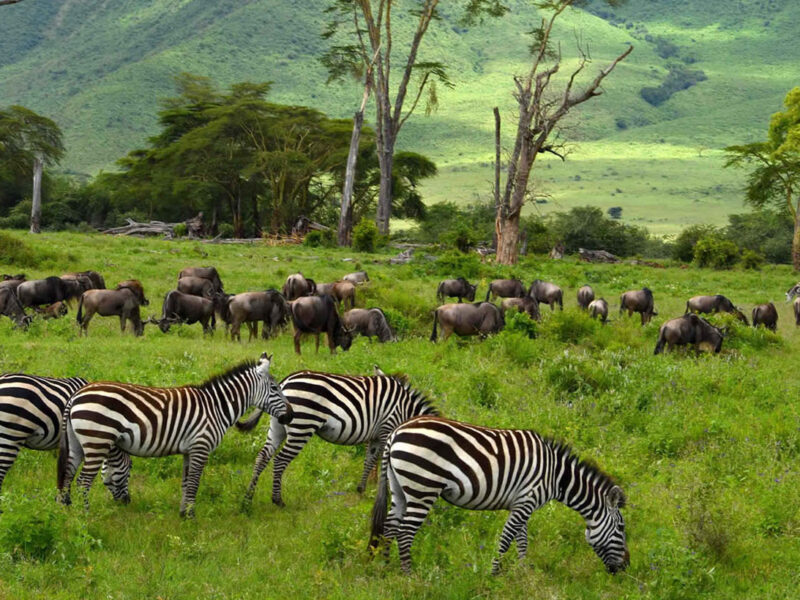
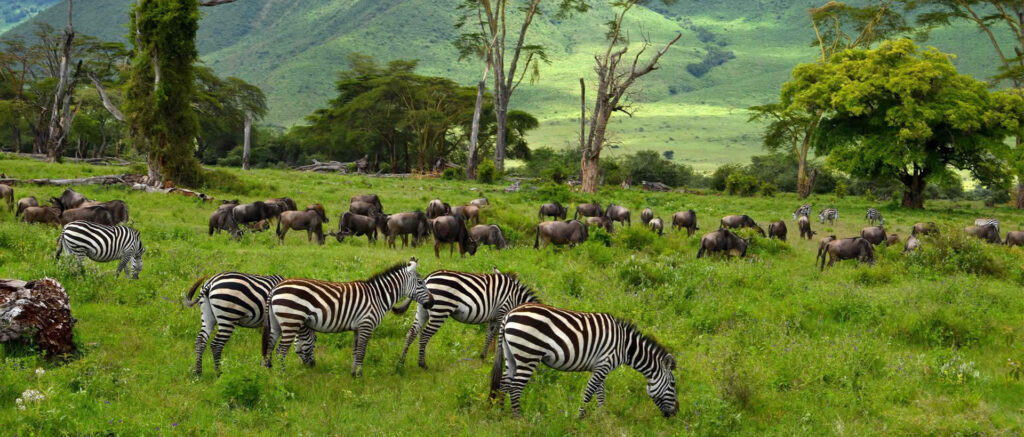
Photography Opportunities During the January Migration attract wildlife enthusiasts, professional photographers, nature lovers, and travellers hoping to capture Africa’s extraordinary landscapes. During January, the southern Serengeti and the Ndutu plains often become important gathering areas for migrating wildebeest and zebras. Seasonal rainfall encourages fresh grass to grow, creating beautiful green scenery and attracting large herds of herbivores. These conditions provide exciting opportunities to photograph wildlife against the dramatic backgrounds of Tanzania’s famous savannahs.
For visitors planning Tanzania Great Migration Safaris, January offers more than opportunities to photograph large herds. The calving season often brings thousands of wildebeest calves into the southern Serengeti ecosystem. Their presence attracts predators, creating possibilities to capture natural interactions between lions, cheetahs, hyenas, and other carnivores. Although wildlife encounters remain unpredictable, the combination of open landscapes, active animals, and seasonal changes makes this period especially appealing to photographers.
Beyond animal portraits, Tanzania Wildlife Safaris allow travellers to document the relationships between wildlife, vegetation, weather, and light. Early mornings may reveal mist rising above the grasslands, while late afternoons create warm colours across the plains. Meanwhile, dramatic clouds, distant kopjes, acacia trees, and dust trails can add depth to wildlife photographs. Such details help tell a broader story about the Serengeti rather than simply recording individual animal sightings.
At Terenga Safaris & Travel Ltd, we understand that rewarding wildlife photography depends on thoughtful planning, patience, and respect for nature. Selecting suitable accommodation, allowing sufficient time for game drives, and working with knowledgeable guides can improve photographic opportunities. Whether you use a professional camera or a smartphone, January offers a chance to preserve memorable scenes from one of Africa’s most celebrated wildlife destinations.
What Makes the January Migration Special for Wildlife Photographers?
How Can You Photograph the Great Wildebeest Migration?
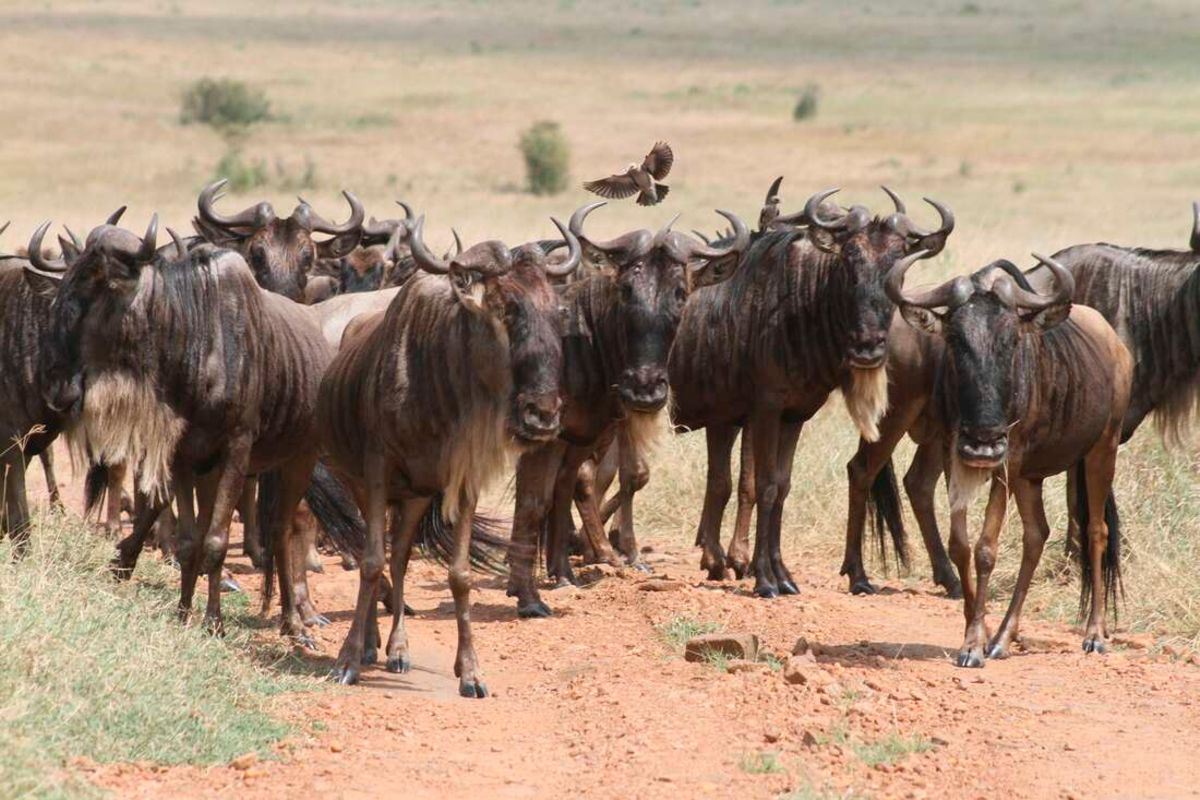
The Great Wildebeest Migration is one of Africa’s most remarkable wildlife spectacles, making it a major attraction for Tanzania Great Migration Safaris. During January, many wildebeest gather across the southern Serengeti and Ndutu plains, although their exact distribution depends on rainfall and grazing conditions. Large herds moving across open grasslands can create striking photographs that communicate the scale and energy of this natural event.
For compelling herd images, consider using a wide-angle lens or the wider setting on your camera. This approach helps include the surrounding landscape, allowing viewers to appreciate the relationship between the animals and their environment. Alternatively, a telephoto lens can isolate individual wildebeest within the larger herd. Photographs of animals walking in the same direction can also create a strong sense of movement and rhythm.
Patience is essential when photographing migrating herds. Instead of taking every possible image, observe how the animals move, interact, and respond to changing conditions. Look for opportunities to capture dust rising behind the herd, calves staying close to their mothers, or animals crossing patches of fresh green grass.
During Tanzania Safaris, experienced guides can help identify productive viewing areas while following park regulations. Nevertheless, migration photography requires flexibility because herds may move overnight or spread across a large area. Allowing several game drives in the southern Serengeti can provide more opportunities to capture different compositions and behaviours.
Why Is the Wildebeest Calving Season Photographically Important?
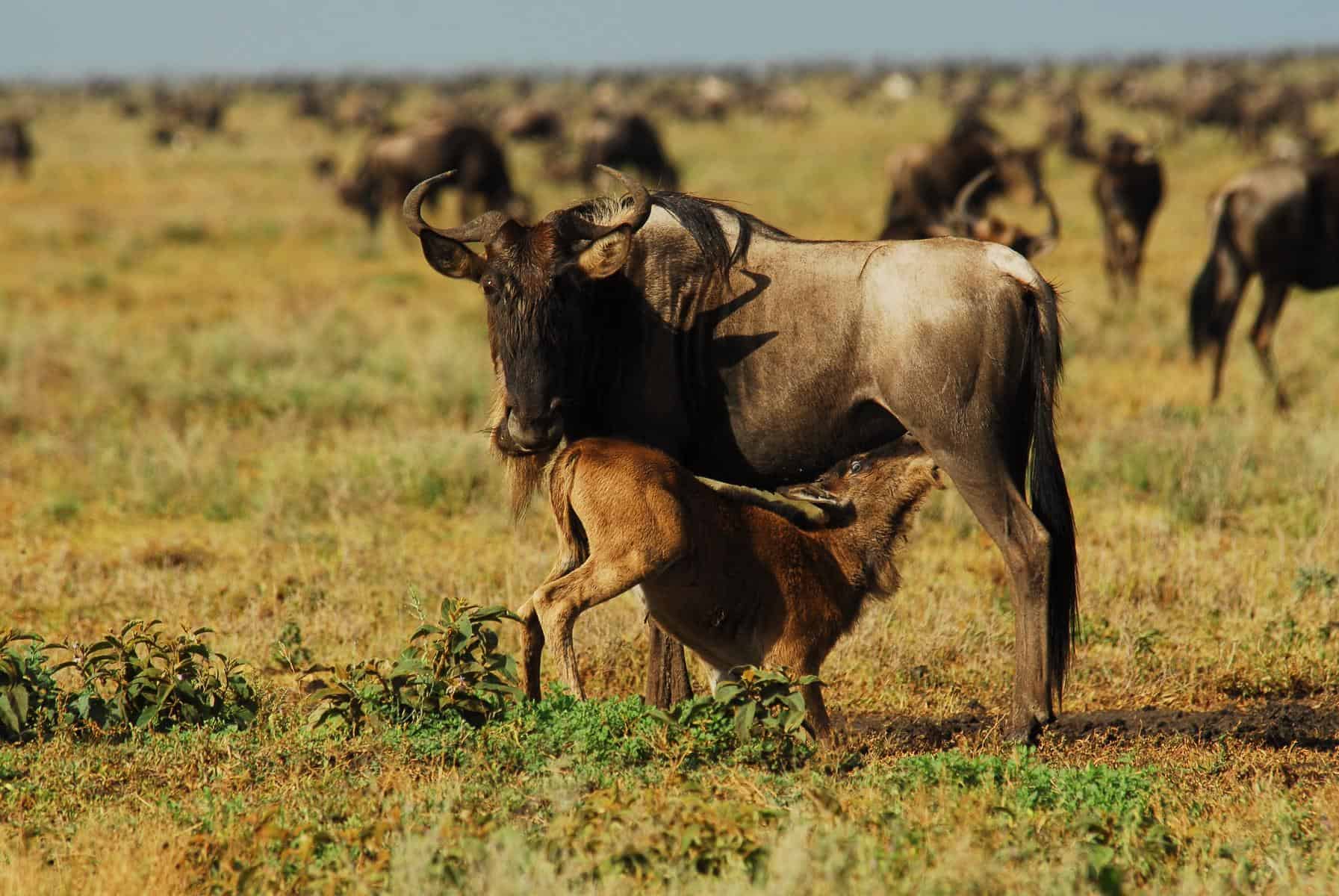
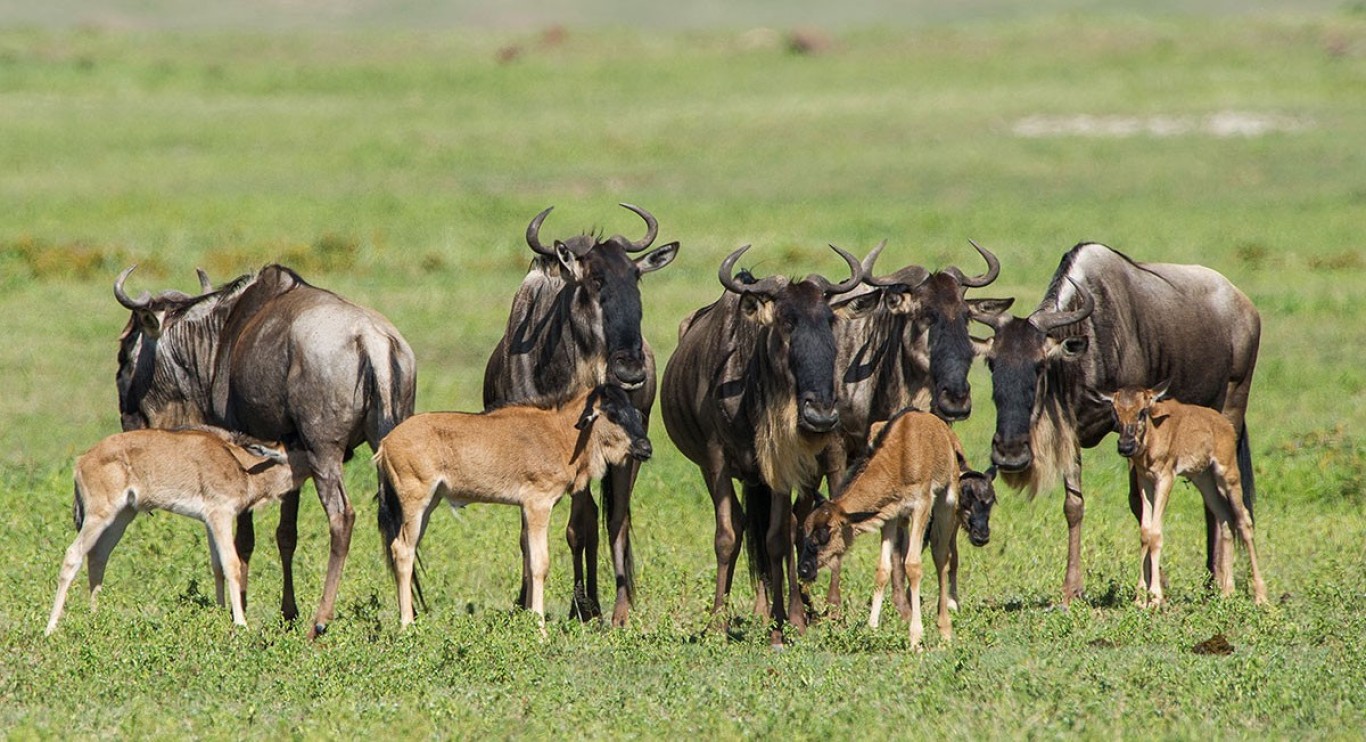
January is commonly associated with the beginning of the main wildebeest calving period in the southern Serengeti ecosystem, although the timing varies with seasonal conditions. Newborn calves, attentive mothers, and large nursery herds offer photographers opportunities to document important moments in the lives of migrating animals. These scenes can create powerful images that focus on family behaviour rather than dramatic action alone.
During Tanzania Great Migration Safaris, photographers may observe calves taking their first steps, mothers nursing their young, or herds moving together across open plains. Such encounters require patience and sensitivity. Remaining at a respectful distance allows animals to behave naturally while giving photographers time to compose their images.
A medium telephoto lens can be useful for capturing animal behaviour without approaching too closely. Fast shutter speeds may help freeze movement when calves run or herds change direction. However, softer compositions can also work well when the intention is to communicate tenderness, connection, or the scale of the surrounding landscape.
Calving season also offers an opportunity to explore the relationship between new life and predator activity. Lions, cheetahs, and hyenas may search areas where vulnerable young herbivores gather. Yet hunting scenes are never guaranteed, and photographers should never encourage or interfere with natural behaviour. Responsible Tanzania Wildlife Safaris prioritise the welfare of animals over obtaining a particular photograph.
Which Predators Offer the Best Photography Opportunities?
Predators are among the most compelling subjects for visitors undertaking Tanzania Wildlife Safaris. Lions, cheetahs, leopards, and spotted hyenas each display distinctive behaviour, movement, and physical features. January can provide opportunities to photograph these animals across the southern Serengeti, particularly where prey concentrations support predator activity.
Lions often create strong images through their social interactions, powerful expressions, and relaxed behaviour beneath trees. Photographers may capture pride members resting together, adults grooming one another, or cubs playing near their mothers. Rather than waiting exclusively for a hunt, look for natural moments that reveal the social structure of a pride.
Cheetahs offer a different photographic challenge because they frequently rely on open terrain to spot prey. Their long legs, slender bodies, and alert posture can produce elegant portraits against the grasslands. Leopards are more difficult to locate, but their spotted coats and tree-climbing behaviour create distinctive compositions when sightings occur. Spotted hyenas provide opportunities to document communication, movement, and interactions around feeding areas.
A telephoto lens can help frame predators while maintaining a safe distance. Fast autofocus and suitable shutter speeds are useful when animals move suddenly. Nevertheless, the most important skill is observation. During Tanzania Great Migration Safaris, a patient photographer who studies animal behaviour may capture more meaningful images than someone who concentrates only on dramatic encounters.
How Can You Capture the Beauty of Serengeti Landscapes?
Landscape photography adds context to wildlife images by showing the habitats that support the migration. The southern Serengeti’s open plains, scattered trees, rocky outcrops, and changing skies provide varied compositions throughout January. Seasonal rainfall can create fresh green colours, while cloud formations add depth and atmosphere to wide views.
For landscape photographs, consider arriving at suitable viewing locations during early morning or late afternoon. Lower sunlight can produce softer shadows and warmer tones than harsh midday light. Positioning a tree, rock formation, or small group of animals in the foreground can help create a stronger sense of depth.
Wide-angle lenses work well when the sky and landscape contribute equally to the composition. However, a standard or telephoto lens can isolate distant hills, herds, and individual trees. Experimenting with different focal lengths helps create a varied collection rather than repeating the same type of image.
During Tanzania Safaris, weather conditions may change quickly. Rain clouds can create dramatic skies, while mist and soft light sometimes produce atmospheric scenes. Protect your equipment against dust and moisture, and keep a lens cloth accessible. Always follow your guide’s advice when conditions make driving or photography unsafe.
What Are the Expectations During a January Photography Safari?
Photography Opportunities During the January Migration can be rewarding for beginners and experienced wildlife photographers, but realistic expectations are essential. Although the southern Serengeti often attracts substantial wildebeest herds during the calving season, wildlife distribution changes with rainfall, grazing conditions, and other environmental factors. No operator can guarantee particular sightings, hunting scenes, or photographic outcomes.
Travellers should expect early starts, time spent searching for animals, and occasional periods without major sightings. These quieter moments are valuable opportunities to observe animal behaviour, practise camera settings, and photograph birds, plants, tracks, or changing light. Flexibility also helps guides adjust routes to local conditions and recent wildlife activity.
A well-planned Tanzania Great Migration Safari should allow enough time for repeated game drives. Spending several nights in or near the southern Serengeti can reduce unnecessary transfers and increase the chances of observing wildlife in different lighting conditions. Accommodation location, road conditions, and the length of each drive can influence the overall photographic experience.
Photographers should also prepare for changing weather, dusty roads, and possible rain. Comfortable clothing, protective camera equipment, spare batteries, and sufficient memory cards can make a substantial difference. Above all, respect wildlife, other visitors, and park regulations. Excellent photography should never come at the expense of animal welfare or personal safety.
Serengeti Safari in November
When Is the Best Time for January Migration Photography?
January is often an attractive month for photographing the southern Serengeti because seasonal rainfall can produce lush scenery and bring migrating wildebeest into productive grazing areas. The calving season offers opportunities to capture young animals, large herds, and the predators that share this ecosystem. However, the exact timing and location of these events vary each year.
Early mornings are especially useful for photographing soft light, active wildlife, and atmospheric landscapes. Late afternoons can provide warm tones and opportunities for backlit subjects or silhouettes. Midday light is often harsher, but it may still suit certain close-up portraits, action shots, or photographs showing animal behaviour.
For Tanzania Wildlife Safaris, January and February are commonly associated with calving activity in the southern Serengeti ecosystem. Travellers hoping to photograph newborn wildebeest should plan around this seasonal pattern while remaining flexible. Rainfall can influence herd movements, and local conditions may differ from one week to another.
The best approach is to allow several days for photography rather than relying on a single game drive. Multiple outings provide opportunities to revisit locations, work with changing light, and improve compositions. For travellers whose primary goal is photographing river crossings, another period of the migration may be more suitable because those events generally occur later in the year.
What Camera Equipment Should You Bring?
Preparing the right equipment can help you make the most of Tanzania Great Migration Safaris without carrying unnecessary weight. A camera with reliable autofocus, good low-light performance, and practical manual controls is useful for changing wildlife situations. Nevertheless, excellent photographs are possible with different equipment when the photographer understands its strengths and limitations.
A telephoto lens is valuable for photographing distant animals while maintaining an appropriate viewing distance. A versatile zoom lens can handle a range of subjects, from individual animals to small groups. Meanwhile, a wide-angle lens can capture expansive landscapes, dramatic skies, and the scale of migrating herds.
Bring extra batteries, memory cards, lens-cleaning materials, and a secure camera bag. A protective cover can help during rain, while a dust-resistant storage solution is useful on dry roads. Binoculars can also help locate distant wildlife before attempting a photograph.
Smartphone photographers should clean their lenses regularly, avoid excessive digital zoom, and use burst mode when appropriate. Regardless of the equipment you choose, avoid distracting flashes or actions that disturb wildlife. During Tanzania Safaris, thoughtful composition and good observation often matter more than expensive camera gear.
What Should You Pack for a January Photography Safari?
Clothing and personal essentials deserve as much attention as camera equipment. January can bring warm daytime conditions, cooler mornings, and occasional rainfall across parts of northern Tanzania. Lightweight clothing, a warm layer, and a waterproof jacket provide flexibility during early starts and changing weather.
Neutral-coloured clothing in shades of khaki, brown, green, and beige works well for safari activities. Comfortable shoes, a wide-brimmed hat, sunglasses, and sunscreen help protect you outdoors. Insect repellent and any necessary personal medication can also support comfort during your trip.
Photographers should pack spare batteries, memory cards, a lens cloth, and suitable protection for their camera. A small day bag can keep essential items organised during game drives. Reusable water bottles and travel documents are useful, while a power bank may help keep compatible devices charged between activities.
Before travelling, confirm luggage limits with your operator, particularly if the itinerary includes small aircraft transfers. Packing thoughtfully makes Tanzania Great Migration Safaris more comfortable and helps ensure that important photographic equipment remains protected throughout the journey.
Why Choose Terenga Safaris & Travel Ltd for This Photography Safari?
Planning a successful photography journey involves more than choosing a national park. Terenga Safaris & Travel Ltd helps travellers organise safari experiences around their interests, preferred travel dates, accommodation requirements, and available budgets. Our approach emphasises clear communication, practical itinerary planning, and respect for Tanzania’s natural heritage.
For guests interested in Photography Opportunities During the January Migration, suitable planning should consider seasonal wildlife patterns, accommodation locations, game-drive schedules, and the time needed to compose photographs. Remaining in a productive area for several nights may provide more flexibility than moving between destinations every day. We also encourage realistic expectations because natural encounters cannot be scheduled with certainty.
Depending on the itinerary, Tanzania Wildlife Safaris can include the Serengeti alongside other destinations such as Ngorongoro Conservation Area, Tarangire National Park, or Lake Manyara National Park. These areas offer different landscapes, wildlife species, and photographic subjects. The best combination depends on travel duration, interests, road conditions, and the overall safari budget.
Trustworthy safari planning means explaining package inclusions, exclusions, accommodation standards, transport arrangements, and applicable park fees before confirmation. Through thoughtful preparation and responsible viewing practices, we aim to help guests enjoy Tanzania’s wildlife with confidence.
 How Can You Photograph Wildlife Responsibly?
Responsible photography protects animals and helps preserve the quality of the safari experience. During Tanzania Great Migration Safaris, photographers should remain at approved viewing distances and follow instructions from their guides. Vehicles must not block animal movements, surround predators, or pressure wildlife into changing its natural behaviour.
Avoid shouting, using playback sounds, feeding animals, or asking drivers to pursue wildlife aggressively. Flash photography should not be used when it could disturb animals, especially during sensitive encounters. Visitors should also respect park rules about where vehicles may travel and when it is safe to stop.
Patience creates opportunities to observe natural behaviour without interference. Waiting quietly can reveal interactions that disappear when animals feel threatened or distracted. Furthermore, responsible conduct supports conservation efforts and helps ensure that future visitors can appreciate the Serengeti’s remarkable biodiversity.
Through careful planning and ethical photography, Tanzania Safaris can offer both memorable images and a deeper understanding of wildlife conservation. The strongest photographs often communicate respect for nature as clearly as they capture its beauty.
Conclusion: How Can You Make the Most of January Migration Photography?
Photography Opportunities During the January Migration combine wildlife encounters, seasonal landscapes, and the remarkable movement of animals across the southern Serengeti. From wildebeest herds and newborn calves to lions, cheetahs, and elusive leopards, the region offers a wide range of potential photographic subjects.
January can be particularly rewarding for travellers interested in green-season scenery and calving-season activity. However, successful photography depends on flexibility, patience, suitable equipment, and an understanding of wildlife behaviour. Every game drive presents different possibilities, making observation and preparation essential parts of the experience.
With thoughtful arrangements from Terenga Safaris & Travel Ltd, travellers can explore Tanzania while developing their photography skills and appreciating the importance of responsible tourism. Whether you use a smartphone or professional camera, the Serengeti offers an inspiring setting for preserving memories of Africa’s natural wonders.