
How Wildebeest Know When It Is Time to Move?
October 9, 2026
How Far Do Wildebeest Travel During the Great Migration?
October 9, 2026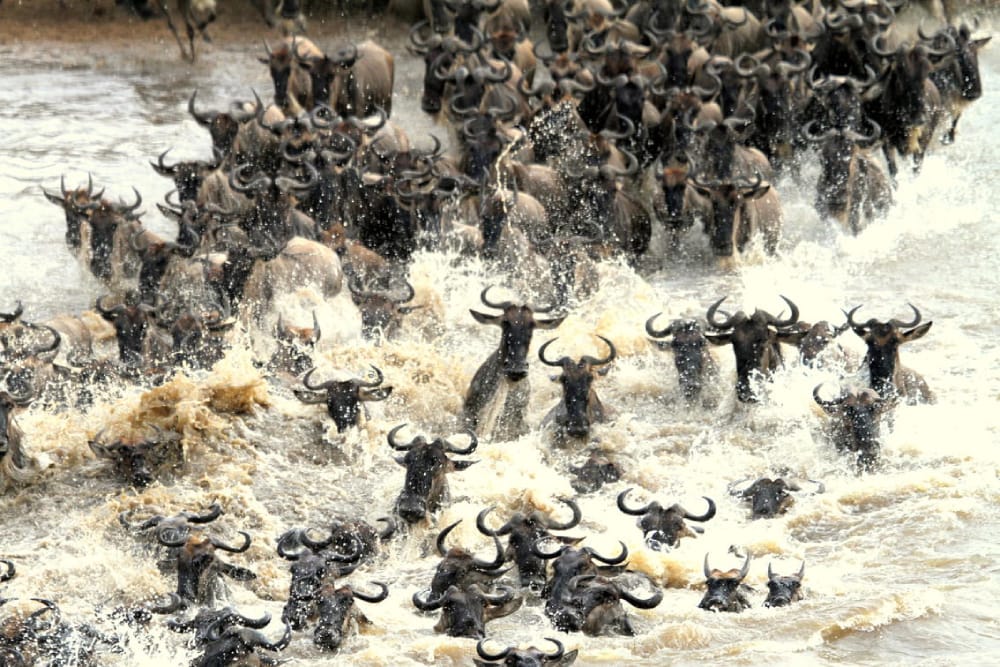
January Weather in Serengeti and What It Means for the Migration
January Weather in Serengeti and What It Means for the Migration is an important topic for anyone planning a wildlife adventure in northern Tanzania during the beginning of the year. Weather plays a major role in shaping the Great Migration because wildebeest, zebras, and gazelles respond naturally to rainfall, fresh vegetation, water availability, and changing grazing conditions. January brings a seasonal transformation to parts of the Serengeti, particularly the southern plains, where rainfall can stimulate new grass and create favorable feeding conditions for large herbivore populations.
Fresh vegetation is one of the most important factors influencing migration patterns. When seasonal rains replenish the plains, nutritious grasses become available, attracting large herds that depend on abundant grazing. Pregnant wildebeest benefit from these conditions as they approach the calving period, while zebras and gazelles share the same productive landscapes. Meanwhile, predators follow the herds because concentrated prey creates valuable hunting opportunities.
Understanding January Weather in Serengeti and What It Means for the Migration therefore provides more than a simple weather forecast. The subject explains the relationship between climate, vegetation, animal movements, predator behavior, and the overall safari experience. Visitors planning Tanzania Safaris can use this knowledge to select suitable travel dates, accommodation, clothing, and activities.
Travelers can also extend their African adventure beyond Tanzania. Kenya Safaris provide opportunities to explore the Maasai Mara and other wildlife destinations, while Uganda Safaris offer exceptional primate experiences, including gorilla trekking and chimpanzee tracking. Combining destinations can create a broader East African experience for travelers seeking wildlife diversity.
What Is January Weather Like in the Serengeti?
January Weather in Serengeti and What It Means for the Migration begins with understanding the seasonal conditions visitors may encounter. January generally falls within the Serengeti’s green season, when rainfall supports fresh vegetation across many parts of the ecosystem. Conditions can vary between locations, so travelers should avoid expecting identical weather throughout the entire park.
Daytime temperatures can feel warm, particularly during periods of sunshine. Early mornings and evenings may feel cooler, especially during game drives when open safari vehicles expose travelers to moving air. Afternoon showers can occur, although rainfall does not necessarily continue throughout the entire day.
Cloud cover can change quickly, producing dramatic skies over the plains. Rainfall may temporarily affect some roads, yet it also transforms the landscape by creating greener scenery and fresh grazing opportunities. Travelers who appreciate photography often value these atmospheric conditions because clouds, sunlight, green grass, and wildlife can create compelling compositions.
For Tanzania Safaris, January offers a different visual experience from the dry season. Dusty landscapes can give way to vibrant vegetation, making the Serengeti appear renewed. Consequently, travelers interested in seasonal landscapes should consider January as a potentially rewarding period.
How Does Rainfall Influence the Great Migration?
January Weather in Serengeti and What It Means for the Migration is strongly connected to rainfall patterns. The Great Migration is driven primarily by ecological conditions rather than a fixed calendar. Wildebeest and other herbivores continually search for areas offering fresh grazing and sufficient water.
Rainfall encourages grass growth, particularly across the southern Serengeti plains. Short, nutrient-rich grasses can provide valuable nourishment for large herbivore populations. As the herds gather, their presence changes the behavior of surrounding predators and scavengers.
Wildebeest movements also influence where zebras and gazelles are found. These animals often travel alongside or near the larger herds because they share access to productive grazing areas.
Predators respond to these concentrations. Lions may remain near areas supporting large numbers of prey, while cheetahs use open terrain to hunt. Hyenas can move through the same landscapes, taking advantage of both hunting opportunities and carcasses.
Therefore, January Weather in Serengeti and What It Means for the Migration represents an ecological chain. Rainfall supports grass, grass supports herbivores, herbivores attract predators, and these relationships create the wildlife experience travelers come to observe.
Why Is January Important for the Calving Season?
January Weather in Serengeti and What It Means for the Migration becomes particularly significant as the calving season approaches. Large numbers of wildebeest gather across the southern Serengeti and surrounding plains because seasonal conditions provide suitable grazing for pregnant females.
As births begin, the ecosystem becomes increasingly active. Newborn calves provide a vulnerable food source for predators, while mothers remain close to their young. This creates opportunities to observe fascinating behavior involving protection, movement, feeding, and survival.
Lions, cheetahs, hyenas, jackals, and other predators can become more active around areas containing young herbivores. Nevertheless, wildlife interactions remain unpredictable. Travelers may observe dramatic events, peaceful family groups, or simply large herds moving across the plains.
The timing of births can vary according to rainfall and ecological conditions. Consequently, visitors should avoid treating migration calendars as exact schedules. Experienced safari guides monitor current field conditions and animal movements to improve wildlife-viewing opportunities.
For visitors booking Tanzania Safaris, understanding the relationship between January rainfall and calving provides a deeper appreciation of the Serengeti. The journey becomes an opportunity to observe a living ecological process rather than simply counting animals.
What Are The Expectations in This Safari?
January Weather in Serengeti and What It Means for the Migration can help travelers prepare realistically for their safari. Visitors should expect a mixture of sunshine, cloud cover, occasional rainfall, green vegetation, and changing road conditions.
Early morning game drives may feel cool, particularly when vehicles travel quickly across open plains. Warm clothing can therefore make the beginning of the day more comfortable. Later temperatures may rise, requiring lighter clothing and protection from sunlight.
Rainfall can occasionally affect unpaved tracks. Some roads may become muddy or require slower driving, especially after heavier showers. However, experienced safari drivers understand how to navigate seasonal conditions safely.
Wildlife viewing also requires patience. Animals do not appear according to a predetermined schedule, and rain can temporarily alter their behavior. A quiet morning may still become an exciting afternoon if conditions change.
Accommodation selection can also influence the experience. Staying close to productive wildlife areas can reduce unnecessary driving and provide more time for exploration.
Ultimately, Tanzania Safaris during January reward travelers who remain flexible. The changing environment is part of what makes a seasonal safari authentic and memorable.
How Does January Weather Affect Wildlife Photography?
January Weather in Serengeti and What It Means for the Migration has significant implications for photographers. Green landscapes, fresh vegetation, dramatic clouds, and seasonal wildlife activity create visual opportunities that differ from the dry season.
Morning light can illuminate the plains softly, creating natural contrast between animals and vegetation. Cloud formations can provide dramatic backgrounds, particularly after rainfall. Green grass can also create a richer environment for portraits of wildebeest, zebras, antelopes, and predators.
Calving-season photography may offer opportunities to capture mothers with young calves. Predator encounters can provide additional storytelling opportunities, although photographers should always maintain respectful distances.
Equipment should match the conditions. Long lenses can help photograph distant wildlife, while wide-angle lenses can capture large herds within expansive landscapes. Weather protection, lens cloths, spare batteries, and extra memory cards can also prove valuable.
Ethical photography remains essential. Visitors should never encourage guides to approach animals aggressively or disturb wildlife for a better photograph.
For photography enthusiasts considering Tanzania Safaris, January can therefore offer a distinct visual experience shaped by weather, wildlife, and seasonal landscapes.
 Does January Rain Make the Serengeti Difficult to Explore?
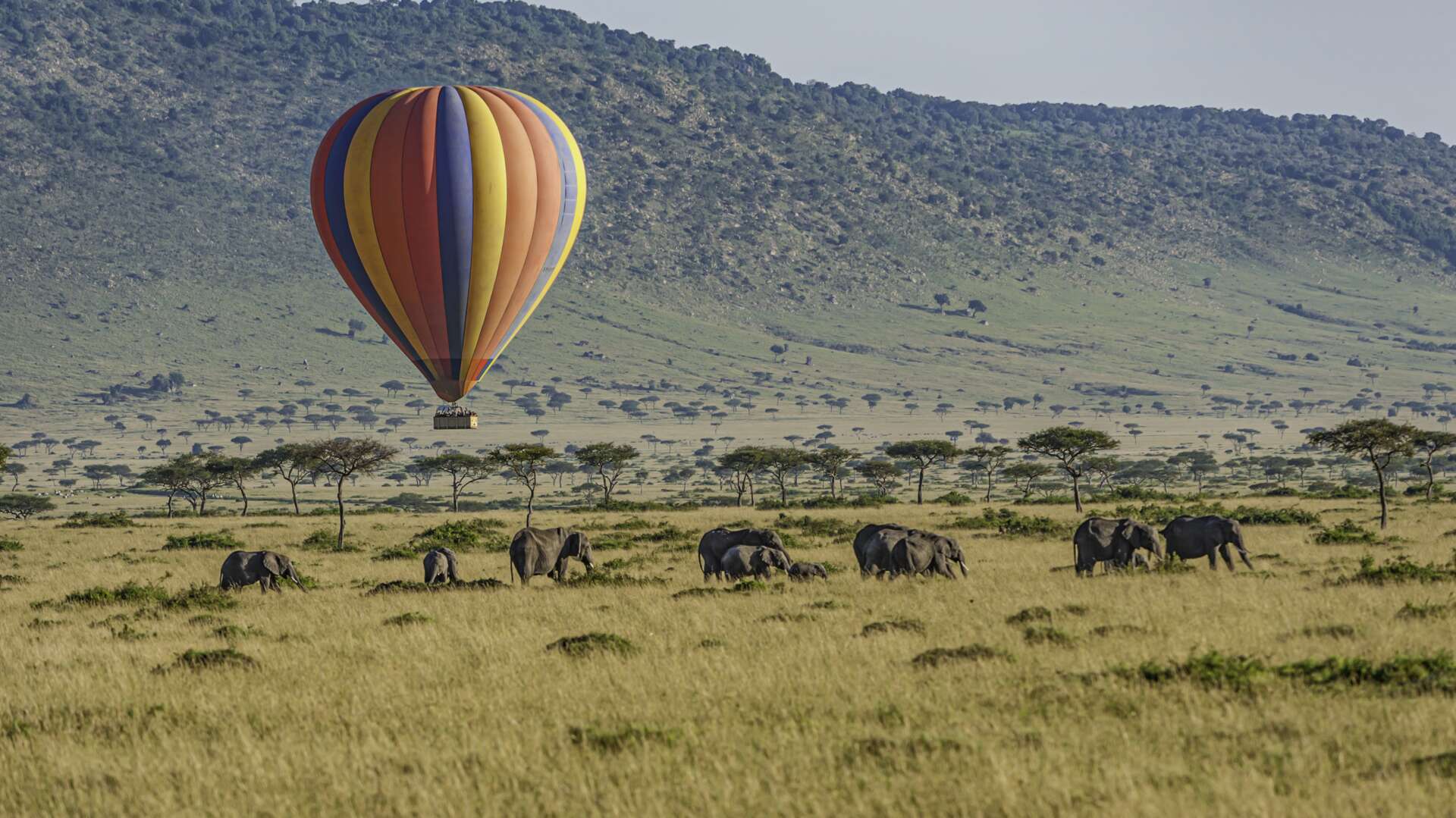
January Weather in Serengeti and What It Means for the Migration does not automatically mean difficult travel. Rainfall can influence road conditions, but the effect varies considerably between locations and individual weather events.
Some tracks may become muddy after heavier showers, while others remain accessible. Professional safari drivers understand local routes and can adjust their approach according to conditions.
Green-season travel also provides advantages. Fresh grass can improve the appearance of the landscape, while rain can produce spectacular skies and cooler periods. Wildlife may also gather around productive grazing areas.
Travelers should nevertheless maintain realistic expectations. Safari journeys take place in natural environments rather than controlled urban settings. Occasional bumps, slower driving, changing weather, and unexpected delays can form part of the adventure.
Comfortable accommodation becomes particularly valuable after a wet game drive. Warm showers, dry clothing areas, comfortable dining spaces, and well-managed camps can enhance the overall experience.
Therefore, Tanzania Safaris in January should be approached with preparation rather than concern. The weather is part of the ecological story that makes the season unique.
When Is The Best Time for This Safari?
January Weather in Serengeti and What It Means for the Migration is particularly useful for travelers deciding whether January suits their plans. The best time ultimately depends on personal interests, preferred weather, wildlife priorities, and tolerance for seasonal rainfall.
January and February are widely associated with the southern Serengeti and the beginning of the calving period. These months can provide opportunities to observe large herbivore concentrations and increased predator activity.
Other periods offer different migration experiences. As environmental conditions change, herds gradually move toward other parts of the Serengeti ecosystem. Later stages can eventually bring large concentrations toward western and northern regions.
Travelers interested in the wider Tanzania Safaris experience can visit Serengeti alongside Ngorongoro, Tarangire, or Lake Manyara. Each destination adds different scenery and wildlife opportunities.
International visitors can also combine Tanzania with Kenya Safaris to explore the Maasai Mara. Alternatively, travelers interested in primates can add Uganda Safaris featuring gorilla trekking and chimpanzee experiences.
Consequently, there is no single perfect safari month for everyone. The right timing depends on what you want to see and experience.
What Should You Pack for January in the Serengeti?
January Weather in Serengeti and What It Means for the Migration should influence your packing decisions. Travelers should prepare for warm conditions, cooler mornings, sunshine, occasional rain, and outdoor activities.
Lightweight shirts and trousers can provide comfort during warm daytime conditions. A fleece, sweater, or light jacket can be useful during early morning game drives.
Waterproof outerwear can help during sudden showers. Comfortable closed shoes are recommended for general safari activities, while a sturdy pair can become useful for walking activities where permitted.
Sun protection remains essential. Travelers should pack sunglasses, sunscreen, a wide-brimmed hat, and lip protection. Insect repellent can also improve comfort.
Binoculars are valuable for viewing distant animals and birds. Photographers should bring spare batteries, memory cards, cleaning equipment, and protective covers.
Personal medication, toiletries, travel documents, reusable water bottles, and a small daypack should also form part of the essentials.
Those combining Tanzania Safaris with Uganda Safaris should remember that gorilla trekking requires different preparation. Travelers heading into forest environments may need stronger hiking shoes and additional rain protection.
How Can January Travelers Practice Responsible Tourism?
January Weather in Serengeti and What It Means for the Migration also highlights the importance of responsible wildlife tourism. Seasonal gatherings can create sensitive conditions, particularly when large numbers of animals give birth.
Visitors should remain inside designated vehicles and maintain appropriate distances from wildlife. Drivers should follow park regulations and avoid causing unnecessary disturbance.
Waste management remains important during safari travel. Travelers can reduce single-use plastics, avoid littering, conserve water, and follow accommodation sustainability guidelines.
Photography should never come before animal welfare. Visitors should resist requests for aggressive driving or overcrowding around wildlife sightings.
Supporting local communities can also strengthen the positive impact of tourism. Choosing responsible operators, locally connected accommodation, community projects, and appropriate cultural experiences can help distribute tourism benefits.
For Tanzania Safaris to remain sustainable, both tourism professionals and visitors must protect the natural resources that attract travelers.
Why Choose Us For This Particular Safari?
January Weather in Serengeti and What It Means for the Migration requires accurate seasonal understanding when designing a safari. Terenga Safaris focuses on creating journeys based on destination knowledge, traveler expectations, comfort, and responsible tourism.
Our planning approach considers the reason behind the trip. Travelers interested in migration viewing may prioritize southern Serengeti accommodation and sufficient game-drive time. Photography enthusiasts may need longer wildlife encounters and flexible schedules. Families may prefer shorter drives and comfortable lodges.
Professional guiding adds another layer of value. Experienced guides understand animal behavior, habitat conditions, tracks, weather changes, and seasonal movements. Their knowledge can help visitors interpret what they see rather than simply observe it.
Travelers can also extend their journey beyond Tanzania. Kenya Safaris provide access to the Maasai Mara and other wildlife destinations, while Uganda Safaris can introduce travelers to gorilla trekking, chimpanzee tracking, and forest biodiversity.
Our objective is to create a safari that feels organized without removing the sense of adventure. Every journey should provide comfort, discovery, flexibility, and genuine connection with Africa.
 What Does January Mean for the Future of the Migration?
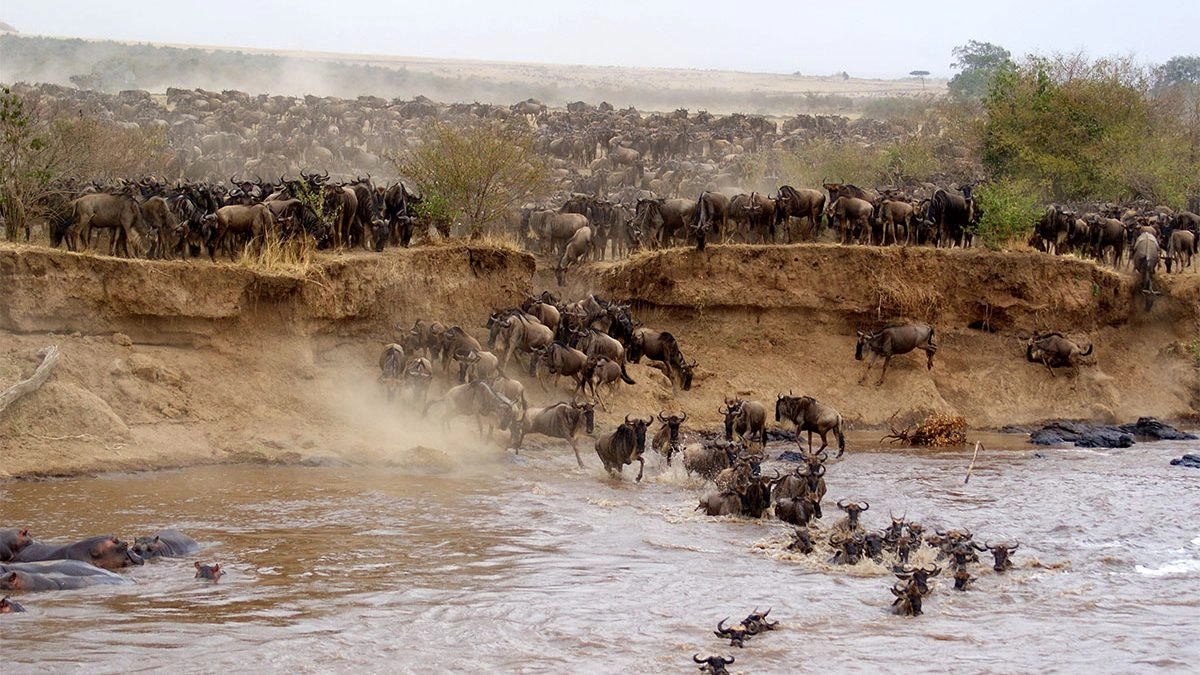
January Weather in Serengeti and What It Means for the Migration demonstrates how closely wildlife depends on environmental conditions. Rainfall patterns, vegetation, water availability, temperature, and human conservation efforts all influence the health of the ecosystem.
Climate variability can affect the timing and distribution of rainfall, making long-term monitoring increasingly important. Conservation organizations, park authorities, researchers, local communities, and tourism professionals all play roles in understanding these changes.
Responsible tourism can contribute to conservation funding while encouraging visitors to appreciate ecological systems. Well-managed tourism also creates employment and economic opportunities around protected areas.
Travelers can therefore become part of a broader conservation story. By choosing responsible operators and following wildlife regulations, visitors help support the continued protection of the Serengeti.
For Tanzania Safaris, the future depends on balancing tourism demand with ecosystem protection. Preserving wildlife habitats ensures that future travelers can experience the same extraordinary natural processes.
Conclusion: Why Understand January Weather Before Your Serengeti Safari?
January Weather in Serengeti and What It Means for the Migration provides valuable insight into one of Africa’s most remarkable wildlife seasons. Rainfall stimulates fresh grass, nutritious grazing attracts herbivores, and large prey concentrations influence predator behavior. Meanwhile, the beginning of the calving season adds another important dimension to the ecosystem.
Travelers can expect green landscapes, changing skies, occasional showers, active wildlife, and opportunities for exceptional photography. Preparation remains important because natural weather conditions can influence roads, temperatures, and daily wildlife movements.
Those planning Tanzania Safaris can combine the Serengeti with Ngorongoro, Tarangire, or Lake Manyara. International travelers can extend their adventure through Kenya Safaris or Uganda Safaris, creating a broader journey across East Africa.
Terenga Safaris is committed to creating carefully planned, responsible, and memorable African experiences. Our focus combines destination expertise, personalized itinerary planning, comfortable travel, knowledgeable guiding, and respect for wildlife.
Ultimately, January Weather in Serengeti and What It Means for the Migration is about understanding the relationship between climate and wildlife. Once travelers understand this connection, every rain shower, green grassland, grazing herd, predator sighting, and newborn animal becomes part of a much larger natural story.
