Can I See the Big Five in Serengeti?
September 23, 2026
Are Guided Bird-Watching Tours Available Around Lake Bunyonyi?
September 23, 2026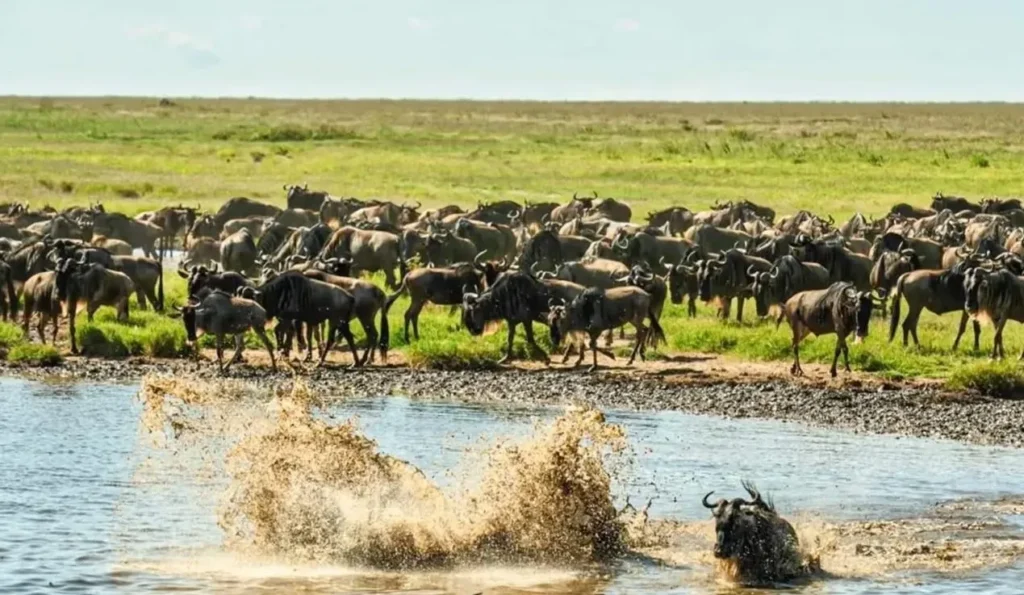
How the Short Rains Influence Wildebeest Movement?
How the Short Rains Influence Wildebeest Movement? is an important question for safari travelers. Understanding rainfall helps you understand the Great Wildebeest Migration.
The Serengeti ecosystem changes throughout the year. Rainfall determines grass growth, water availability, and wildlife distribution.
Short rains usually arrive during the later part of the year. Their arrival transforms dry landscapes into fresh grazing areas.
Wildebeest respond quickly to these environmental changes. They move toward areas with nutritious grass and suitable water sources.
Therefore, rainfall becomes one of the major forces behind migration movements. The herds do not follow an artificial travel schedule.
Instead, they respond to nature’s seasonal signals. This makes every migration season different and unpredictable.
For travelers, understanding these patterns creates better safari planning opportunities. It also creates more realistic expectations during a Tanzania safari.
How the Short Rains Influence Wildebeest Movement? also reveals the importance of Tanzania’s wider ecosystem. The migration involves wildlife, landscapes, rainfall, predators, and communities.
At Terenga Africa Safaris, we use seasonal knowledge when planning Tanzania safaris. Our approach combines wildlife expertise, practical routing, comfort, and responsible tourism.
Understanding the Short Rains in Tanzania
Seasonal Rainfall Patterns
Tanzania experiences different rainfall patterns across its regions. Northern Tanzania receives important short rains during certain months.
These rains can vary in timing and intensity. Some areas may receive rainfall earlier than others.
Consequently, wildlife movement can change from one season to another. The herds respond to fresh grazing rather than fixed dates.
Short rains can produce green grass across parts of the Serengeti. This vegetation provides important nutrients for grazing animals.
Wildebeest often begin moving toward areas with better grazing conditions. Zebras and gazelles may move alongside them.
Such movement creates a dynamic wildlife landscape. Travelers can therefore experience changing wildlife concentrations during their safari.
What is the Best Time for Photographers to Experience the Great Migration?
How Rainfall Changes the Serengeti Landscape
Fresh Grass Appears
Rainfall changes the appearance of the Serengeti dramatically. Dry plains can become green within a relatively short period.
Fresh grass attracts herbivores across the ecosystem. Wildebeest need nutritious grazing areas to maintain their energy.
The arrival of fresh vegetation can therefore influence herd movement. Animals begin responding to new feeding opportunities.
This process explains why How the Short Rains Influence Wildebeest Movement? matters so much.
Rain does not simply make the landscape greener. It changes the availability of food and water.
Water Availability
Rain also creates temporary pools and improves water availability. Small water sources can become valuable to wildlife.
However, the movement remains closely connected to grass quality. Wildebeest need both food and water throughout their journey.
Therefore, rainfall creates several environmental changes at once. These changes influence the wider Serengeti ecosystem.
The Wildebeest Migration and Seasonal Movement
Following Natural Resources
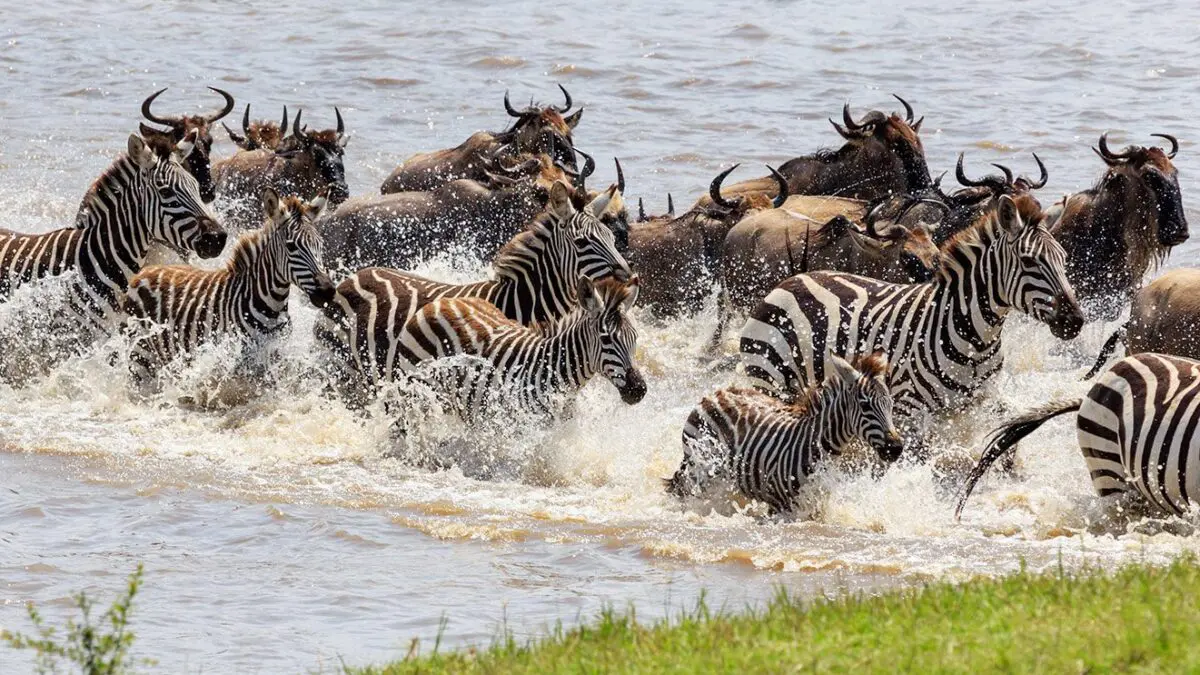
The Great Wildebeest Migration follows environmental conditions across the ecosystem. Herds move when resources become more favorable elsewhere.
Short rains can encourage movement toward newly refreshed grazing areas. The timing depends on actual rainfall patterns.
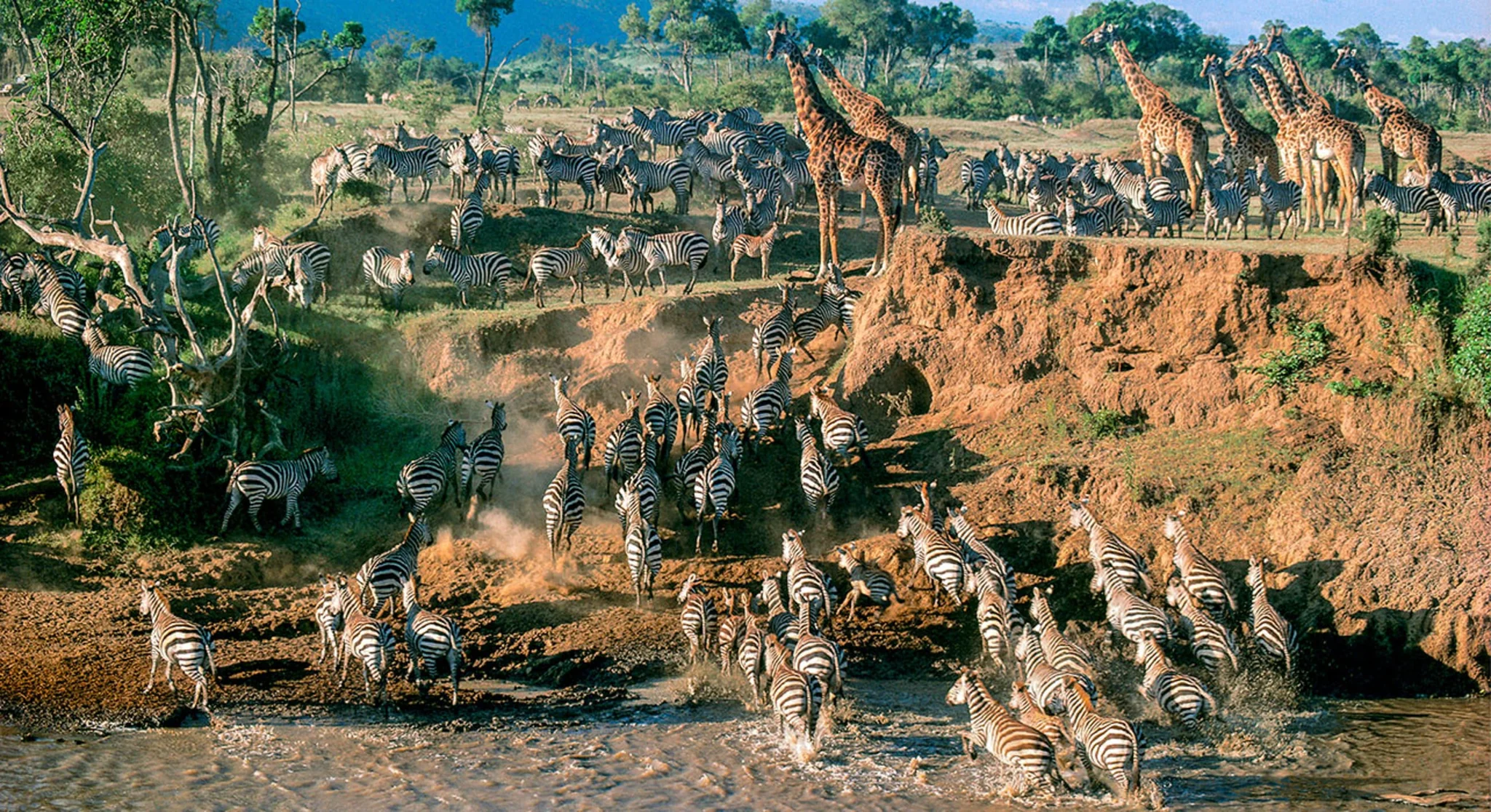
This creates one of nature’s most impressive wildlife spectacles. Thousands of animals can move across open plains together.
A Tanzania wildlife safari during this period can provide remarkable viewing opportunities. However, travelers should understand that exact locations remain unpredictable.
Movement Is Not a Fixed Calendar
Many travelers expect migration events to follow exact dates. In reality, rainfall strongly influences wildlife movement.
Some seasons receive earlier rainfall. Other seasons experience delayed or weaker rainfall.
Consequently, migration locations can differ between years. Safari planning should therefore consider seasonal patterns rather than rigid predictions.
At Terenga Africa Safaris, we plan itineraries with flexibility where possible. This approach helps travelers experience wildlife naturally.
The Relationship Between Wildebeest and Grass
Nutrition Drives Movement
Wildebeest require nutritious grass to support their large populations. Fresh vegetation provides important nutrients after rainfall.
Short rains can therefore influence where herds spend time. Animals move toward areas offering better grazing conditions.
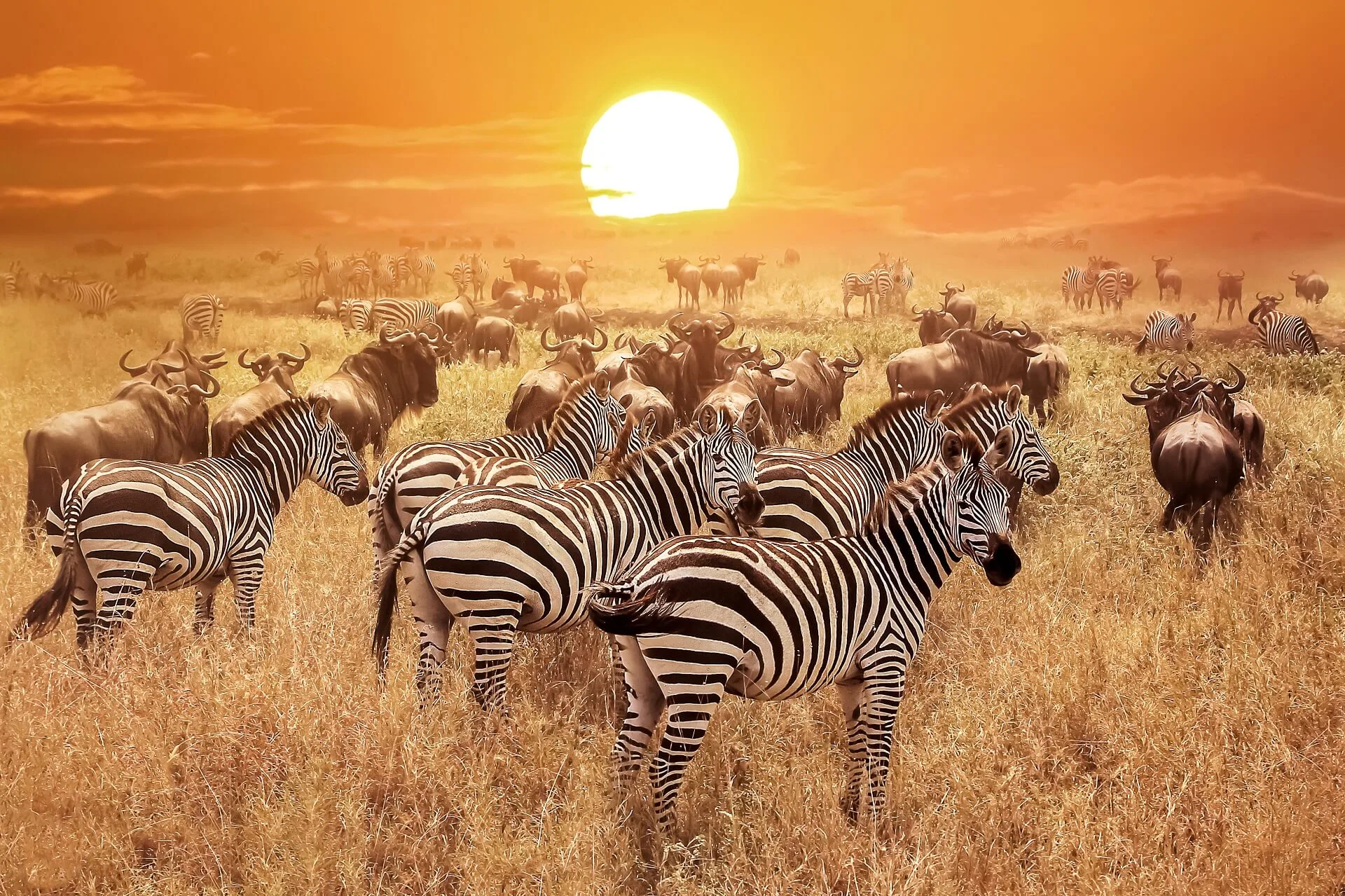
The movement also benefits other grazing species. Zebras and gazelles often share similar grazing landscapes.
As grazing pressure increases, herds eventually continue moving. This creates a continuous cycle across the Serengeti ecosystem.
Understanding this cycle helps travelers appreciate the migration beyond dramatic photographs. Every movement reflects a relationship between wildlife and the environment.
5-Day Kenya Wildlife Budget Safari
How the Short Rains Influence Wildebeest Movement? During the Migration
A Dynamic Wildlife Experience
How the Short Rains Influence Wildebeest Movement? becomes especially clear during game drives.
A region may contain large herds one week. The same area may contain fewer animals later.
Rainfall can change grazing conditions and influence these movements. Therefore, guides constantly observe environmental conditions.
Experienced guides also understand local roads and seasonal wildlife patterns. Their knowledge helps travelers make better daily decisions.
This creates a more informed Tanzania wildlife tour. Visitors can understand why animals appear in particular locations.
Predator Activity
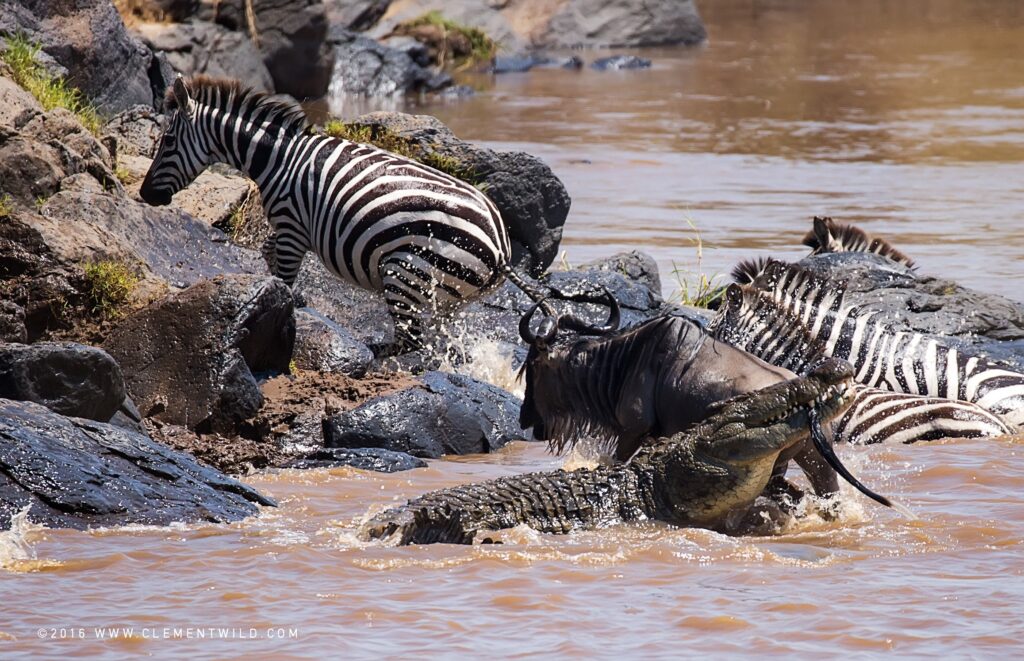
Predators follow concentrations of prey across the ecosystem. Lions, cheetahs, hyenas, and leopards can benefit from large herbivore populations.
The short rains can therefore influence predator opportunities indirectly. More grazing animals can create more hunting opportunities.
Nature remains unpredictable, however. Wildlife encounters depend on animal behavior and environmental conditions.
Responsible guides allow nature to unfold naturally. They avoid disturbing animals simply to create dramatic sightings.
Photography During the Short Rains
Green Landscapes
The short rains create beautiful photography conditions. Green grass provides a strong contrast against wildlife.
Cloud formations can also create dramatic backgrounds. Morning and evening light can produce especially attractive scenes.
Wildebeest herds create impressive compositions across open plains. Zebras, giraffes, elephants, and predators add further photographic opportunities.
Travelers should always prioritize ethical wildlife photography. Never approach animals too closely for a better photograph.
Capturing Movement
Migration photography benefits from patience. Herds may move slowly before suddenly changing direction.
Photographers should watch animal behavior carefully. This approach creates more natural and meaningful images.
A private safari vehicle can also provide greater flexibility. Travelers can spend more time observing without following a large group.
Cultural Experiences Around Safari Lodges
Connecting With Local Communities
A Tanzania safari can extend beyond wildlife viewing. Cultural experiences create deeper connections with the communities surrounding safari areas.
Travelers can arrange community visits near suitable safari lodges. These experiences may include traditional crafts, food, music, dance, and storytelling.
Maasai cultural experiences remain popular across northern Tanzania. Visitors can learn about traditional livelihoods and community practices.
Respect remains essential during cultural visits. Travelers should follow local customs and support genuine community initiatives.
Traditional Crafts
Local artisans create beautiful handmade products. Beadwork, baskets, carvings, and textiles can provide meaningful cultural experiences.
Visitors can learn about traditional skills during organized community activities. Purchasing authentic crafts can also support local livelihoods.
These experiences complement Tanzania wildlife safaris. They show travelers that Tanzania’s tourism story extends beyond wildlife.
Local Food Experiences
Food offers another way to understand Tanzanian culture. Traditional meals often use locally available agricultural products.
Depending on the lodge, travelers may enjoy locally inspired dishes. Some experiences can also include cooking demonstrations.
Rice, bananas, vegetables, meat, and traditional sauces feature in many local meals.
These experiences add cultural depth to Tanzania adventure safaris. They also create memorable moments beyond game drives.
Choosing the Right Safari Lodge
Location Matters
Lodge location can influence your migration experience. Different Serengeti regions offer different seasonal wildlife opportunities.
Travelers should select accommodation according to their travel period. The best location depends on current wildlife movement.
A lodge near suitable grazing areas can reduce unnecessary travel. This allows more time for wildlife viewing.
Accommodation should also provide comfort after long game drives. Quality facilities can make a major difference during a multi-day safari.
Seasonal Planning
Short rains can affect some roads and tracks. Therefore, route planning remains important.
Experienced safari operators consider road conditions, weather, wildlife locations, and accommodation. These factors help create efficient itineraries.
Terenga Africa Safaris considers these details when designing personalized Tanzania safaris. We aim to balance wildlife opportunities with comfort and practicality.
Serengeti Safaris Tanzania
Responsible Tourism During the Migration
Protecting Wildlife
The Serengeti requires responsible tourism practices. Visitors should respect wildlife and park regulations.
Maintain appropriate distances from animals during every game drive. Avoid shouting, feeding animals, or creating unnecessary disturbances.
Never leave rubbish within protected areas. Travelers should also follow designated routes whenever required.
These practices help protect the ecosystem. They also preserve Tanzania’s wildlife heritage for future generations.
Supporting Communities
Tourism can create valuable opportunities for communities near protected areas. Travelers can contribute through responsible cultural experiences.
Local guides, artisans, accommodation staff, and community initiatives can all benefit from tourism.
Choosing responsible safari operators strengthens these positive connections. It also creates a more meaningful travel experience.
Why Choose a Short-Rains Tanzania Safari?
A Vibrant Landscape
The short rains can transform the Serengeti into a green wilderness. Fresh grass creates beautiful landscapes across the plains.
Wildlife becomes part of this seasonal transformation. Herds move through areas with renewed grazing opportunities.
For photographers, the scenery can provide exceptional opportunities. For families, the landscape creates a fascinating educational experience.
Couples can also enjoy quieter moments within the changing wilderness. Every traveler can discover something different.
Excellent Wildlife Diversity
Wildebeest remain central to the migration. However, the Serengeti supports many other species.
Lions, elephants, giraffes, buffaloes, cheetahs, leopards, and numerous antelope species inhabit the ecosystem.
Birdwatchers can also enjoy diverse birdlife during the wet periods. Migratory birds may add further variety to the experience.
Therefore, How the Short Rains Influence Wildebeest Movement? connects directly with the wider wildlife experience.
Planning Your Tanzania Wildlife Tour
Choose the Right Travel Dates
Travel dates influence your migration experience. Therefore, consider rainfall patterns before confirming your safari.
However, weather remains unpredictable. No responsible safari operator can guarantee an exact wildlife location.
Instead, travelers should focus on seasonal opportunities. Flexible itineraries can improve the overall experience.
Terenga Africa Safaris can help you select practical routes. We consider your interests, budget, accommodation preferences, and available travel time.
Combine Destinations
A Tanzania safari does not need to focus entirely on the Serengeti. Combining destinations creates greater wildlife diversity.
Tarangire offers impressive elephant experiences and beautiful landscapes. Ngorongoro provides dramatic scenery and concentrated wildlife viewing.
The Serengeti delivers migration experiences and vast open plains. Combining these destinations can create a complete northern Tanzania itinerary.
Zanzibar can also complement a Tanzania adventure safari. Travelers can enjoy beaches and cultural experiences after their wildlife journey.
12-Day Tanzania Wildlife Safari
How the Short Rains Influence Wildebeest Movement? With Terenga Africa Safaris
How the Short Rains Influence Wildebeest Movement? helps explain one of Africa’s greatest natural spectacles.
At Terenga Africa Safaris, we understand the importance of seasonal wildlife patterns. Our safari planning combines practical destination knowledge with responsible travel principles.
We create experiences for travelers from different backgrounds and interests. Families, couples, groups, photographers, and solo travelers can all enjoy personalized journeys.
Every itinerary considers wildlife, accommodation, transportation, cultural experiences, and travel pace. We also encourage realistic expectations about natural wildlife behavior.
The Serengeti remains a living ecosystem. Rainfall, grass, water, predators, and herbivores constantly influence its character.
Understanding these relationships makes a Tanzania wildlife safari more meaningful. It allows travelers to appreciate the reasons behind every major wildlife movement.
Safari Inclusions
- Accommodation
- Airport transfers
- Private safari transportation
- Professional safari guide
- Park entrance fees
- Game drives
- Migration viewing
- Cultural experiences
- Meals as specified
- Drinking water
- Government taxes
- Service charges
- Selected activities
Safari Exclusions
- International flights
- Visa fees
- Travel insurance
- Personal expenses
- Alcoholic beverages
- Laundry services
- Tips
- Souvenirs
- Optional activities
- Medical expenses
- Personal communication costs
- Items not listed under inclusions
Conclusion: How the Short Rains Influence Wildebeest Movement?
How the Short Rains Influence Wildebeest Movement? reveals the powerful relationship between rainfall and wildlife.
Short rains refresh the Serengeti with new vegetation and temporary water sources. These changes can encourage wildebeest to move toward better grazing areas.
The movement also influences predators, birds, and other herbivores. Consequently, the entire ecosystem responds to seasonal rainfall.
A Tanzania wildlife tour during this period can provide beautiful landscapes and remarkable wildlife encounters. Cultural experiences can further enrich the journey.
Travelers should remember that migration movements remain natural and unpredictable. Flexible planning provides a more realistic and rewarding safari experience.
How the Short Rains Influence Wildebeest Movement? therefore offers an important lesson about African wildlife.
Nature determines the journey. Expert planning helps you experience it responsibly and comfortably.
Terenga Africa Safaris remains committed to creating authentic African journeys. We combine expertise, responsible tourism, cultural connections, and personalized safari planning.
Your next Tanzania safari can become more than a holiday. It can become an opportunity to understand Africa’s wildlife and natural rhythms.
How the Short Rains Influence Wildebeest Movement? can be the beginning of that unforgettable journey.