What Are the Best Accommodation Options Near Volcanoes National Park?
November 17, 2026
What Happens If You Cannot Complete Your Gorilla Trekking Hike?
November 17, 2026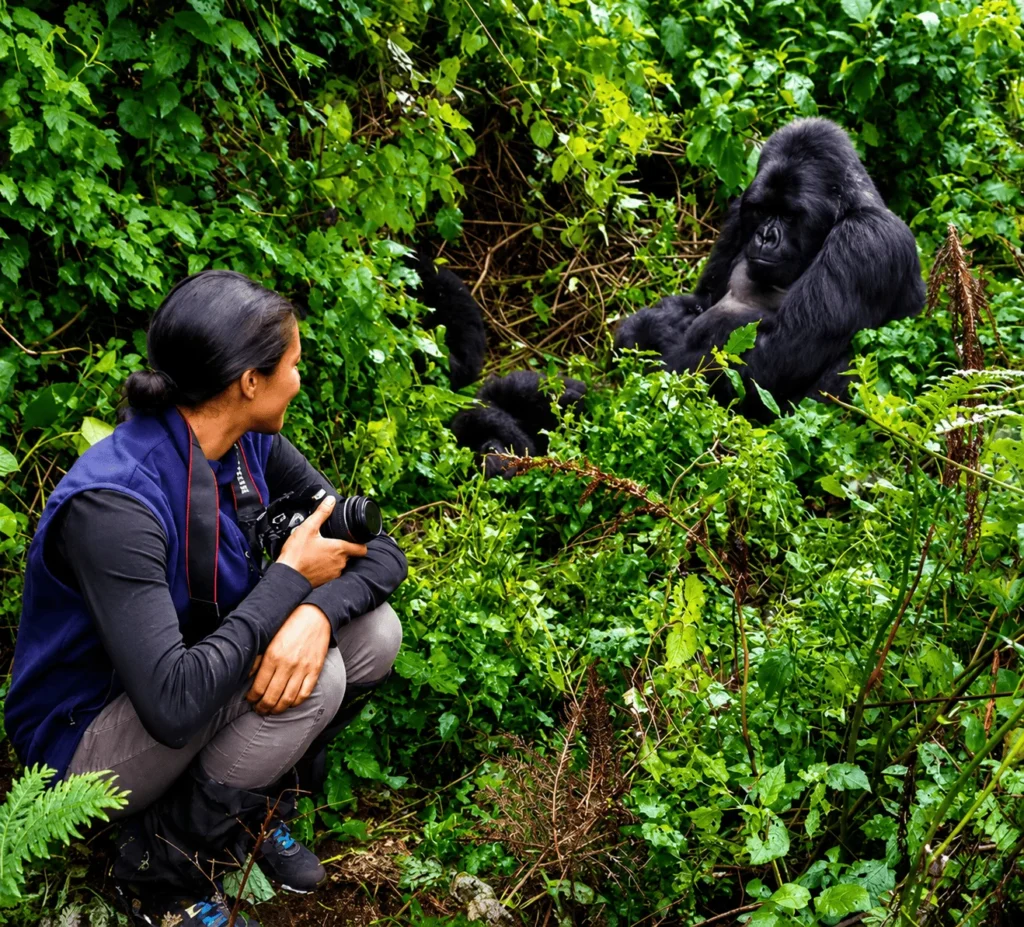
How Long Can You Spend with Mountain Gorillas?
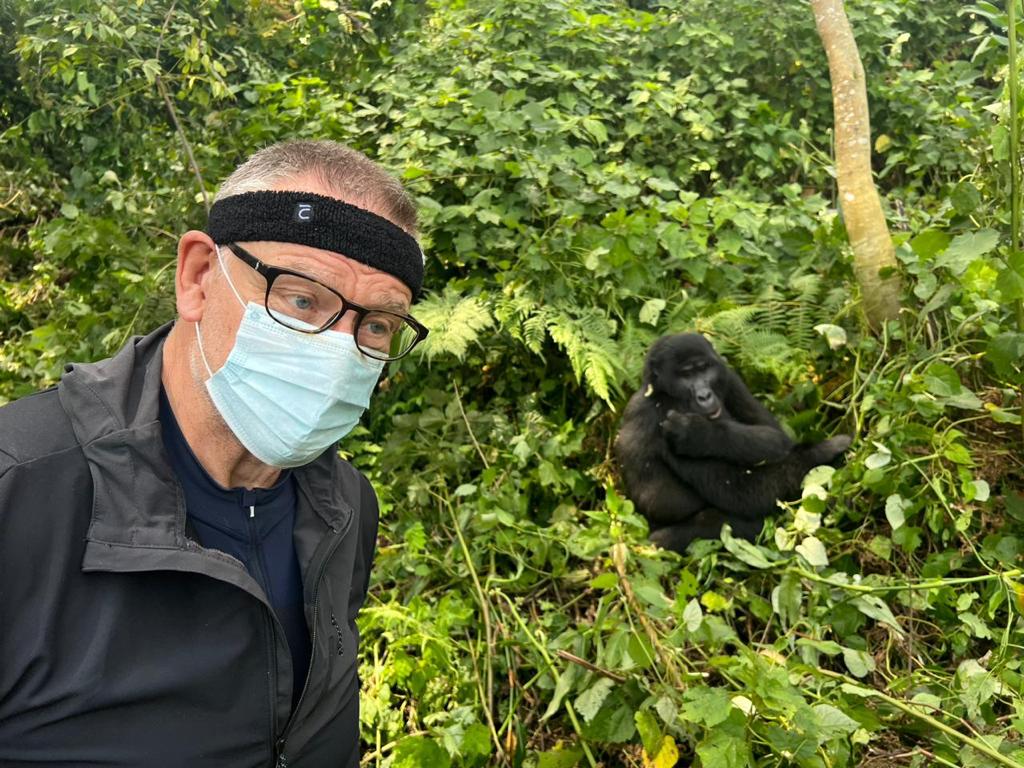
Mountain gorilla trekking is one of Africa’s most remarkable wildlife experiences, giving visitors an opportunity to encounter endangered mountain gorillas in their natural forest environment. For many travellers planning a safari in Uganda or Rwanda, one important question often comes up: How long can you spend with mountain gorillas? Understanding the time allowed with these extraordinary primates helps you prepare for your adventure, organise your travel schedule and appreciate the conservation principles behind gorilla tourism. On a standard gorilla trekking experience, visitors are allowed a maximum of one hour with a habituated gorilla family once they have located the animals. This rule applies in Uganda and Rwanda and is designed to protect the gorillas from unnecessary disturbance while allowing responsible tourism to support their continued conservation.
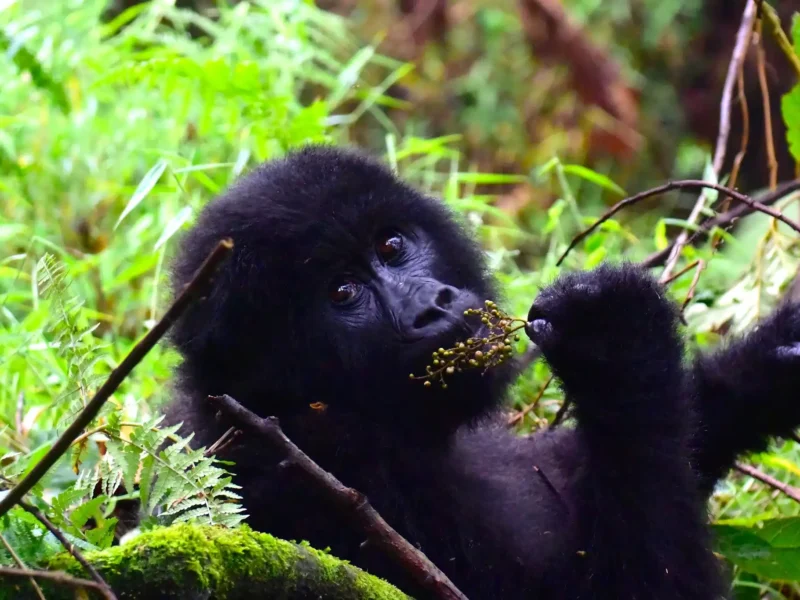
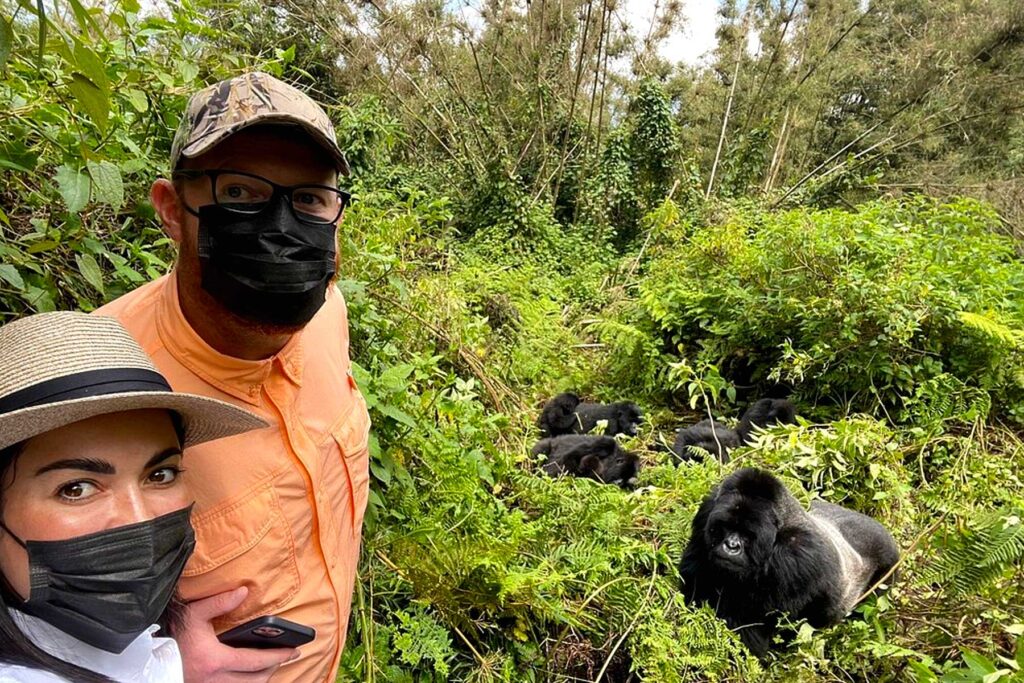
Although one hour may initially seem short, the experience is often deeply rewarding. During this special encounter, visitors can observe mountain gorillas feeding, resting, grooming, interacting with their young ones and moving naturally through the forest. The opportunity to witness these behaviours at close range creates memories that remain meaningful long after the safari has ended. Importantly, the one-hour allowance refers only to the time spent observing the gorillas; it does not include the journey through the forest to locate them. Depending on the location of the assigned gorilla family, the trek may take several hours. Uganda Wildlife Authority explains that gorilla trekking in Bwindi Impenetrable National Park and Mgahinga Gorilla National Park can take approximately two to seven hours, while the actual observation period remains one hour.
How Long Can You Spend with Mountain Gorillas During a Standard Trek?
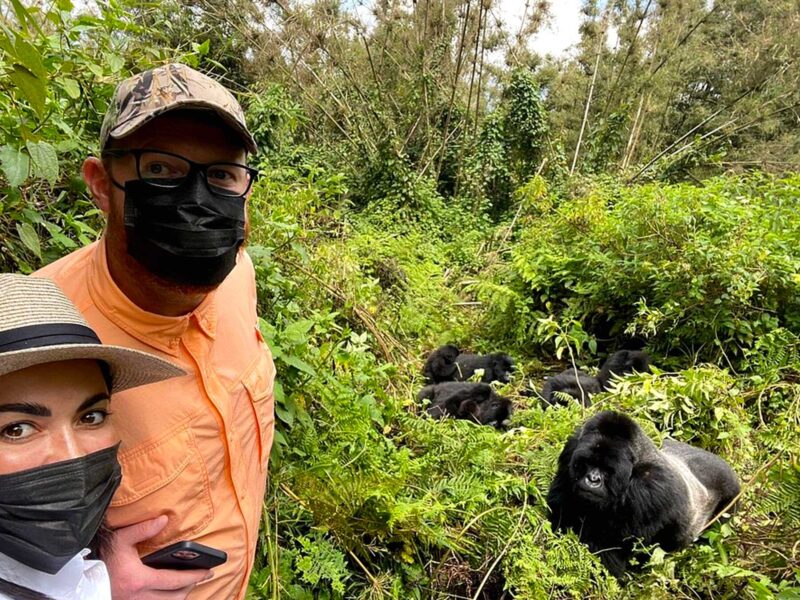
For travellers asking how long can you spend with mountain gorillas during a normal trekking excursion, the official answer is a maximum of one hour. After reaching the assigned habituated gorilla family, visitors are given a limited period to observe the animals under the supervision of trained park guides and trackers. This time is carefully controlled rather than determined by individual visitor preferences, meaning that paying for a gorilla permit does not allow someone to extend the encounter beyond the authorised limit. The same conservation principle applies in both Uganda and Rwanda, where daily visitor numbers and viewing periods are regulated to reduce pressure on the gorillas and their habitat. Rwanda Development Board confirms that viewing time is limited to one hour, with a maximum of eight visitors permitted per gorilla group. Uganda Wildlife Authority also lists one hour as the maximum viewing period for each habituated gorilla group per day.
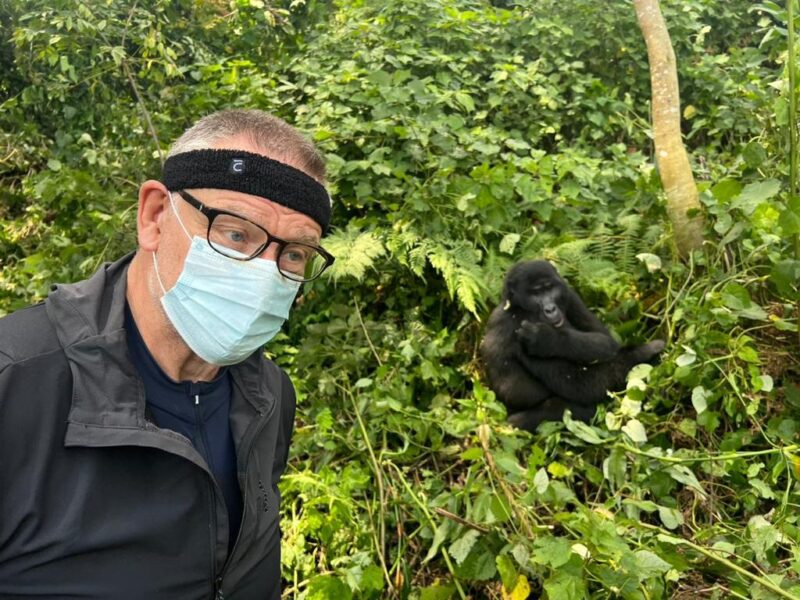
The one-hour experience is not simply a restriction; it is an important part of responsible wildlife tourism. Mountain gorillas are highly sensitive to human disturbance and can be exposed to diseases carried by people. Limiting the number of visitors and the time spent near each family helps reduce unnecessary contact and gives the animals more opportunity to continue their normal activities. During the encounter, visitors are expected to maintain the distance instructed by park authorities, speak quietly, avoid sudden movements and follow their guides’ directions. Flash photography, littering and other behaviour that could disturb the gorillas are not permitted. Travellers should also avoid visiting when they have contagious illnesses because protecting the health of these endangered primates is a priority. Therefore, when considering how long can you spend with mountain gorillas, it is important to understand that the one-hour limit balances an unforgettable visitor experience with long-term wildlife protection.
Does the One-Hour Limit Include the Gorilla Trekking Journey?
One common misunderstanding among first-time visitors is assuming that the one-hour allowance covers the entire trekking activity. However, how long can you spend with mountain gorillas is a question about the actual viewing period, not the total time spent inside the forest. Your adventure begins with an early morning briefing at the park headquarters, where rangers explain the trekking procedures, safety guidelines and conservation rules. Visitors are then allocated to a habituated gorilla family and accompanied by experienced guides and trackers who lead the search through the forest. The time needed to locate the animals varies according to their movements, feeding areas, resting locations and the terrain. Some groups may be found after a relatively short walk, while others require a longer and more demanding hike through steep slopes, thick vegetation and muddy trails.
In Uganda, gorilla trekking takes place in Bwindi Impenetrable National Park and Mgahinga Gorilla National Park. Bwindi is particularly well known for its dense tropical forest and several trekking sectors, including Buhoma, Ruhija, Rushaga and Nkuringo. The Uganda Wildlife Authority indicates that trekking can last between two and seven hours, depending on the circumstances, before visitors enjoy their one-hour observation period. In Rwanda, visitors track mountain gorillas in Volcanoes National Park, where the walking time also depends on the location of the assigned family. Consequently, travellers should reserve sufficient time for the full activity rather than planning other demanding excursions immediately after the trek. AtTerenga Safaris, we encourage visitors to approach gorilla trekking as a complete wildlife adventure, appreciating the forest walk, the guidance of experienced rangers and the special moment of meeting the gorillas.
Why Is the Time with Mountain Gorillas Limited to One Hour?
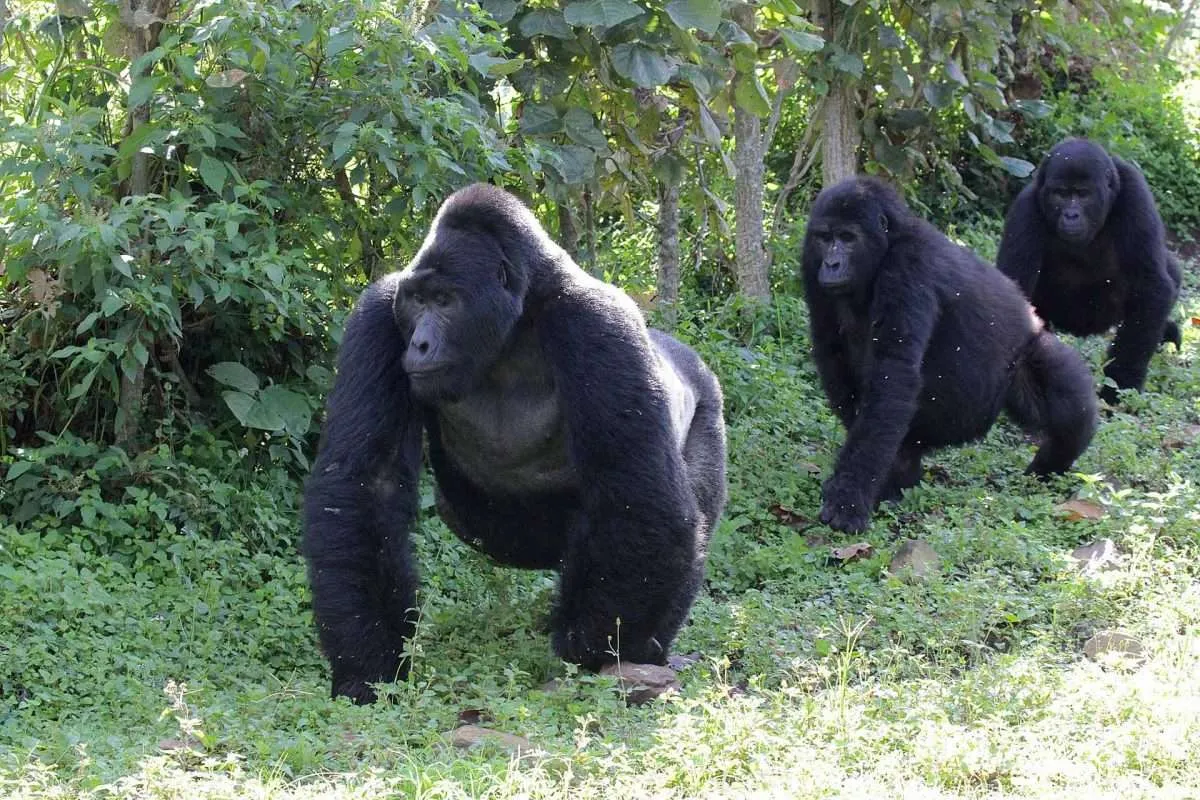
The question of how long can you spend with mountain gorillas is closely connected to wildlife conservation and responsible tourism management. Mountain gorillas are endangered primates that share many biological characteristics with human beings, making them vulnerable to certain human illnesses. Even common respiratory infections can present a serious risk to their health. Restricting the time visitors spend near a gorilla family helps reduce prolonged exposure to people and limits unnecessary disturbance. Furthermore, mountain gorillas need sufficient space and freedom to feed, rest, care for their young ones and interact with other members of their group without constant human attention. A controlled viewing period helps ensure that tourism does not interfere excessively with these natural behaviours.
Another important reason for the one-hour rule is the fair management of gorilla tourism. Each habituated gorilla family can receive only a limited number of visitors per day, with the standard maximum being eight tourists per group in Uganda and Rwanda. This arrangement prevents large crowds from gathering around the animals and helps guides maintain a controlled viewing environment. Conservation authorities also monitor gorilla families and can require visitors to leave earlier if circumstances make the encounter unsuitable. Therefore, the one-hour period should be understood as the maximum permitted time rather than a guarantee that every encounter will last the entire hour. By respecting these regulations, visitors contribute to a tourism system that supports wildlife protection, park management and surrounding communities. Choosing responsible Kenya Safaris, Kenya Adventures and Uganda or Rwanda gorilla trekking experiences also means recognising that ethical wildlife encounters must place animal welfare ahead of personal convenience.
Can You Spend More Than One Hour with Mountain Gorillas?
For visitors interested in a longer encounter, it is useful to understand the difference between standard gorilla trekking and Uganda’s specialised Gorilla Habituation Experience. Under normal trekking arrangements, how long can you spend with mountain gorillas remains limited to one hour. However, Uganda offers a separate activity in selected areas of Bwindi Impenetrable National Park that allows a small group of visitors to accompany researchers and trackers as they observe a gorilla family undergoing the habituation process. Habituation is the gradual process through which wild gorillas become accustomed to the presence of people under carefully managed conservation conditions. Unlike a standard trekking visit, this activity provides an opportunity to learn more about the research, monitoring and conservation work involved in preparing gorilla families for responsible tourism.
The habituation experience can allow several hours with the gorillas, subject to the applicable park regulations and the circumstances of the activity. It is important to understand that this is a separate tourism product with different arrangements, visitor limits and permit requirements; it is not an extension that can simply be purchased after completing a standard trek. Travellers considering this option should confirm current availability, duration, eligibility and pricing with the relevant conservation authority or a qualified safari operator before making travel arrangements. For visitors who want a deeper understanding of mountain gorilla behaviour and conservation, this specialised experience can be a valuable addition to a Uganda safari. Nevertheless, both standard trekking and habituation activities require patience, respect for wildlife and willingness to follow the instructions of professional guides.
What Are the Expectations in This Safari?
Understanding how long can you spend with mountain gorillas helps establish realistic expectations before travelling to Uganda or Rwanda. A typical gorilla trekking day starts early, usually with visitors reporting to the designated park headquarters for registration and a briefing. During this session, park officials explain the trekking guidelines, introduce the guiding team and allocate visitors to available gorilla families. After the briefing, the group enters the forest with experienced guides and trackers who use their knowledge of the gorillas’ movements to locate them. The walk can involve uneven ground, steep sections, thick vegetation and changing weather conditions, so visitors should be prepared for a genuine forest adventure rather than an ordinary nature walk.
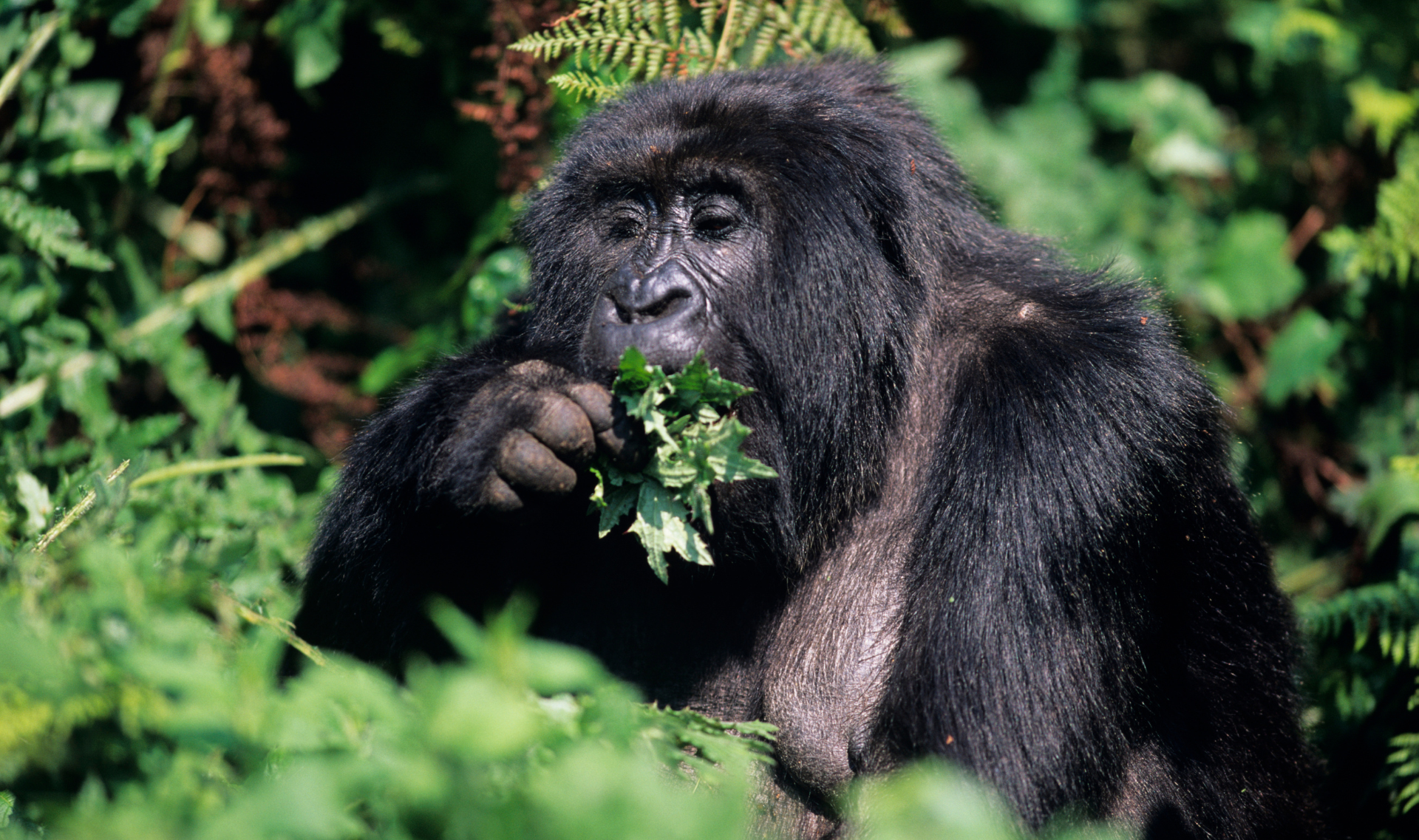
Once the gorillas are located, the one-hour viewing period begins. During this special moment, visitors may see adult gorillas feeding on vegetation, mothers caring for their young ones, juveniles playing and members of the family resting or moving through the forest. Guides help visitors understand the behaviour they are observing while ensuring that everyone follows the conservation rules. Photography is generally permitted without flash, although visitors should avoid allowing cameras to distract them from the experience itself. After the authorised viewing period, the group leaves the gorillas and returns along the forest trails. The full activity may take several hours, depending on the trekking conditions and the location of the family. Travellers should therefore expect an experience that combines physical activity, wildlife education, conservation awareness and one memorable hour with mountain gorillas. Terenga Safaris can help organise the wider safari arrangements so that your trekking day fits comfortably into your Uganda or Rwanda holiday.
When Is the Best Time for This Safari?
When planning how long can you spend with mountain gorillas, it is equally important to consider the best season for trekking. Gorilla trekking is available throughout the year in Uganda and Rwanda, since mountain gorillas live in protected forest habitats and do not migrate seasonally in the same way as some other wildlife species. However, weather conditions can influence the difficulty of the walking experience. The drier periods are generally popular because forest trails may be easier to navigate, although rain can still occur in these mountainous environments. In Uganda, the months commonly considered favourable for gorilla trekking include June to September and December to February. Rwanda’s Volcanoes National Park also receives visitors throughout the year, with many travellers preferring periods when rainfall is relatively lower.
The wetter months can present additional challenges because forest paths may become slippery, vegetation can be denser and walking conditions may be more demanding. Nevertheless, rainy-season travel can still provide rewarding wildlife encounters for visitors who are adequately prepared. Rather than choosing dates based only on weather, travellers should consider permit availability, accommodation preferences, personal schedules and the type of safari they want. Those planning wider Kenya Tours, Kenya Safaris or Kenya Adventures can also combine different East African destinations in one holiday, depending on travel time and budget. Terenga Safaris can assist with arranging a suitable itinerary that connects gorilla trekking with other wildlife, cultural and nature experiences in the region.
 Why Choose Us for This Particular Safari?
Choosing the right safari operator is an important part of preparing for a successful gorilla trekking holiday. AtTerenga Safaris, our goal is to help travellers experience Africa through carefully planned journeys that respect wildlife, local communities and the natural environment. Understanding how long can you spend with mountain gorillas is only one part of preparing for the adventure; visitors also need reliable information about permits, accommodation, transport, park procedures and the physical demands of trekking. A well-organised itinerary helps reduce uncertainty and allows travellers to concentrate on enjoying their holiday. Our safari planning approach focuses on understanding individual travel interests and coordinating the important details that contribute to a smooth experience.
Whether you are travelling as a couple, family, solo visitor or private group, Terenga Safaris can help you explore suitable gorilla trekking arrangements in Uganda and Rwanda, subject to availability and the requirements of the relevant authorities. We can also help travellers combine their gorilla experience with wildlife viewing, cultural encounters, scenic journeys and other East African adventures. For international visitors, clear communication and realistic travel planning are essential. We aim to provide useful guidance before departure, explain what to expect during the trek and help guests prepare for the conditions they may encounter. Our wider interest in Africa tourism also makes it possible to connect Uganda and Rwanda experiences with Kenya Tours, Kenya Adventures and Kenya Safaris when a multi-country holiday is appropriate. Above all, responsible tourism should benefit both visitors and the destinations they explore, and that principle remains central to the safari experiences we aim to organise.
What to Pack for a Mountain Gorilla Trekking Safari
Knowing how long can you spend with mountain gorillas is useful, but packing appropriately is equally important because the forest environment can be unpredictable. Visitors should bring comfortable, well-fitting hiking boots with good grip to help them walk on muddy and uneven trails. Long trousers and long-sleeved shirts provide practical protection from vegetation, while lightweight, comfortable clothing helps make the hike more manageable. A waterproof jacket or raincoat is particularly useful because rain can occur even during periods that are generally considered dry. Gardening gloves can also help protect your hands when moving through vegetation under the guidance of park rangers. Since trekking may last several hours, carrying a small backpack with drinking water and permitted personal essentials is advisable.
Other useful items include a camera with flash disabled, spare batteries, a waterproof bag for electronic equipment, insect repellent and basic personal supplies. Visitors who use prescription medication should carry what they normally need and follow their healthcare professional’s advice when preparing for travel. A walking stick may be available through the park or arranged locally, while hiring a porter can make the trek easier by providing assistance with carrying personal belongings. Remember that eating, drinking and smoking are not permitted when observing the gorillas, so follow the instructions given during the briefing. Most importantly, bring your gorilla trekking permit, identification documents and any required booking confirmation. Proper preparation allows you to focus on the experience rather than worrying about missing essentials.
Frequently Asked Questions About How Long You Can Spend with Mountain Gorillas
Is one hour enough to enjoy a gorilla trekking experience?
Yes. Although the permitted viewing period is relatively short, one hour provides an opportunity to observe several aspects of mountain gorilla behaviour. Visitors may see the family feeding, grooming, resting, playing and interacting with one another. Since the encounter takes place in the gorillas’ natural habitat, every visit is different. Many travellers consider the experience rewarding because of the rare opportunity to observe these endangered primates in the wild.
Does the one-hour period include the journey through the forest?
No. The one-hour allowance begins when the trekking group reaches the assigned gorilla family. The time spent walking through the forest while searching for the animals is separate. Depending on their location and the terrain, visitors may spend several hours trekking before reaching the gorillas.
Can visitors request additional time with the gorillas?
No. Visitors undertaking standard gorilla trekking cannot request extra viewing time beyond the authorised maximum. The rules are established by conservation authorities and apply to all visitors. Travellers interested in a longer activity may investigate Uganda’s separate Gorilla Habituation Experience, subject to current availability and regulations.
Can the gorilla viewing end before one hour?
Yes. Although one hour is the maximum permitted period, guides may end an encounter earlier if the gorillas become uncomfortable, nervous or disturbed, or if other conservation and safety considerations require the group to leave. Visitors should respect these decisions because the wellbeing of the animals comes first.
Can I take photographs during the one-hour encounter?
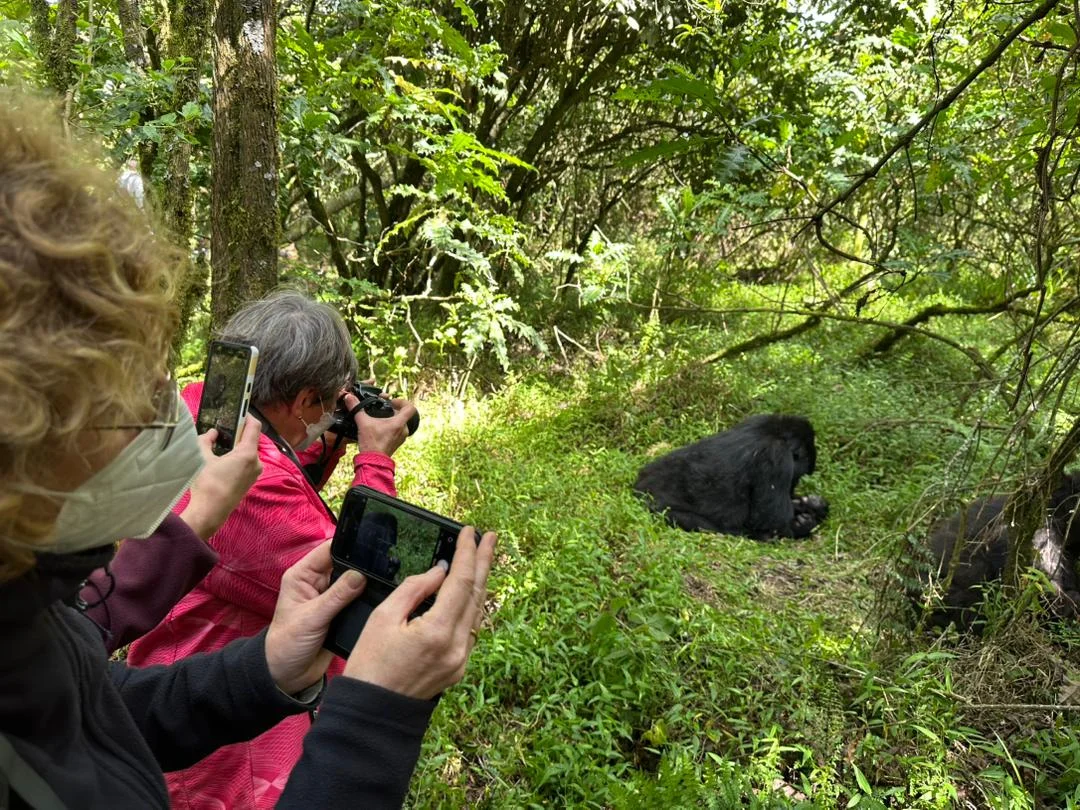
Photography is generally allowed, but flash must not be used. Visitors should follow the instructions of their guides, avoid sudden movements and ensure that taking photographs does not interfere with the viewing experience or disturb the gorillas.
 Conclusion: Make Every Moment with Mountain Gorillas Count
Understanding how long can you spend with mountain gorillas allows you to plan a more rewarding and responsible African safari. The standard one-hour viewing period in Uganda and Rwanda is an important conservation measure that protects the gorillas while giving visitors an extraordinary opportunity to observe them in their natural habitat. Although the actual encounter is limited, the complete adventure includes the forest trek, the guidance of experienced rangers, the surrounding biodiversity and the unforgettable experience of seeing a mountain gorilla family up close. For travellers seeking meaningful wildlife experiences, this journey offers far more than a simple sightseeing activity.
With Terenga Safaris, you can begin planning a gorilla trekking holiday that reflects your interests, travel schedule and preferred destination. Whether you choose Uganda’s Bwindi Impenetrable National Park and Mgahinga Gorilla National Park or Rwanda’s Volcanoes National Park, proper preparation will help you make the most of your adventure. You can also explore wider East African travel opportunities through Kenya Tours, Kenya Adventures and Kenya Safaris as part of a broader regional holiday. Contact Terenga Safaris to start planning an unforgettable African wildlife experience built around responsible tourism, quality service and a genuine appreciation of the continent’s natural heritage.