
How Far Do Wildebeest Travel During the Great Migration?
October 9, 2026
How Many Animals Take Part in the Great Migration?
October 13, 2026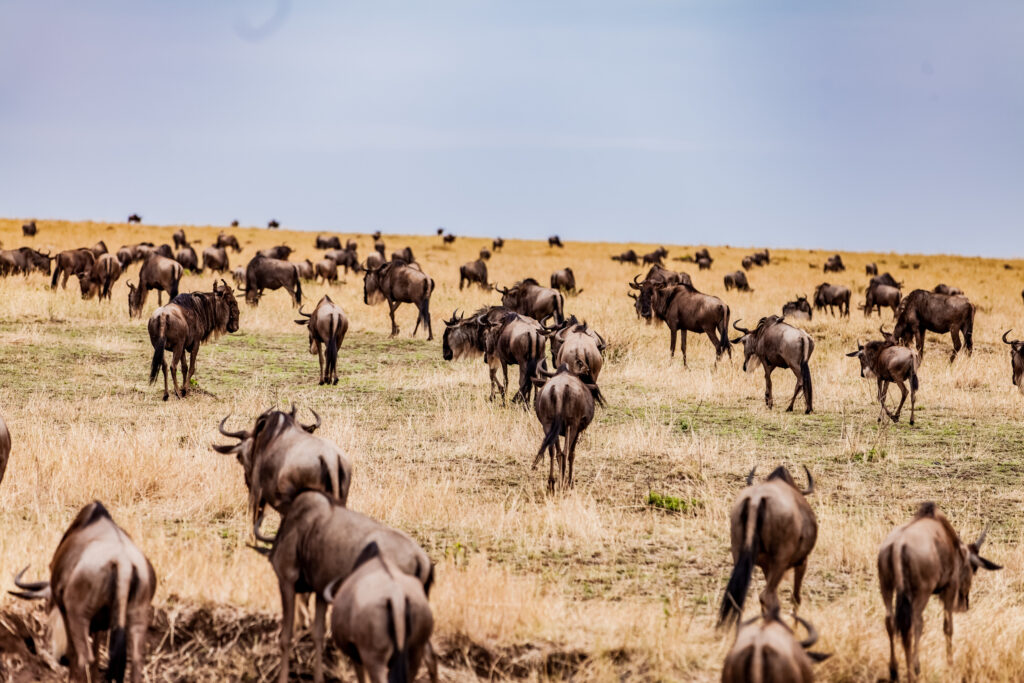
How Climate Changes Affect the Great Migration?
How Climate Changes Affect the Great Migration? This question matters to every traveler planning a migration safari in East Africa. The Great Migration depends on seasonal rainfall, grass growth, water availability, temperature, and ecosystem health.
More than a million wildebeest move across the Serengeti-Mara ecosystem during their annual cycle. Zebras and gazelles also participate in this remarkable movement. These animals depend on seasonal resources across Tanzania and Kenya.
Climate change can influence the timing and distribution of rainfall. Consequently, it can affect pasture growth and water availability. These changes may influence where herds move and when they reach particular areas.
However, migration patterns remain complex. Wildlife responds to several environmental factors at once. Therefore, no single climate factor determines every movement.
Understanding How Climate Changes Affect the Great Migration? helps travelers appreciate this natural spectacle. It also highlights the importance of conservation across the Serengeti-Mara ecosystem.
For visitors planning Tanzania safaris, this knowledge creates a deeper connection with nature. A migration safari becomes more meaningful when travelers understand the forces shaping wildlife behavior.
Terenga Safaris provides this guide for responsible travelers. Our goal involves promoting informed, sustainable, and rewarding African safari experiences.
How Climate Changes Affect the Great Migration? Rainfall Patterns
Rainfall Controls Grass Growth
One major answer to How Climate Changes Affect the Great Migration? involves changing rainfall patterns. Wildebeest depend heavily on fresh grass for food.
Rainfall stimulates new vegetation across the Serengeti. Different areas receive rain at different times. Therefore, herds move toward locations offering better grazing conditions.
Climate change can alter rainfall timing, intensity, and distribution. Longer dry periods can reduce available grazing areas. Heavy rainfall can also create temporary challenges.
These changes may influence traditional migration routes. However, wildlife can adapt when suitable resources remain available.
Fresh grass provides essential nutrients for wildebeest. Pregnant females and nursing mothers especially require productive grazing areas.
Consequently, rainfall changes can influence breeding conditions and herd movements.
Travelers planning Tanzania wildlife safaris should understand this natural relationship. Wildlife does not follow a fixed timetable. Instead, animals respond to changing environmental conditions.
How Climate Changes Affect the Great Migration? Grasslands
Changing Food Availability
Grasslands provide the foundation of the Great Migration. Wildebeest require extensive grazing areas throughout their annual cycle.
Climate changes can influence grass growth through altered rainfall and temperatures. Prolonged drought may reduce grass productivity. Excessive rainfall can also affect vegetation quality.
When grass becomes scarce, herds must travel farther. Longer movements require additional energy and expose animals to greater risks.
Meanwhile, healthy rainfall can create abundant grazing conditions. Such periods support large concentrations of herbivores.
The relationship between climate and grass therefore remains extremely important. Healthy grasslands support healthier wildlife populations.
Conservation efforts must protect these habitats from additional pressures. Land fragmentation can restrict natural movement between seasonal grazing areas.
A responsible Tanzania safari should therefore recognize the importance of protecting migration corridors.
How Climate Changes Affect the Great Migration? Water Sources
Water Availability Shapes Wildlife Movement
Water represents another important factor when examining How Climate Changes Affect the Great Migration?
Wildebeest require water throughout their annual journey. Rivers, seasonal pools, and other water sources become especially important during dry periods.
Climate change can increase drought frequency in some areas. Extended dry periods may reduce water availability across parts of the ecosystem.
Animals may then travel greater distances between grazing and drinking areas. Such journeys require additional energy and increase exposure to predators.
Heavy rainfall can create another set of challenges. Flooded areas can temporarily restrict access to certain locations.
Therefore, balanced seasonal rainfall remains essential for the ecosystem.
The Serengeti-Mara landscape contains numerous water sources. However, wildlife depends on their seasonal reliability.
Visitors on Tanzania wildlife tours can observe how animals gather around water. These scenes demonstrate the connection between climate, water, and wildlife survival.
How Climate Changes Affect the Great Migration? Temperature
Rising Temperatures and Wildlife Stress
Temperature also influences the answer to How Climate Changes Affect the Great Migration?
Rising temperatures can increase water loss from soils and vegetation. Hotter conditions can therefore intensify dry-season challenges.
Wildebeest can tolerate warm conditions. However, prolonged heat combined with limited water can increase physiological stress.
Higher temperatures may also affect grass growth. Plants require suitable moisture and temperature conditions to remain productive.
Consequently, temperature changes can indirectly influence migration movements.
Wildlife responds naturally to environmental stress. Animals may seek areas with better water, shade, or grazing opportunities.
These movements can change the timing of encounters for safari travelers.
Therefore, visitors should understand that migration viewing remains a natural experience. No itinerary can guarantee a particular herd location.
Experienced safari planners use seasonal knowledge to improve route selection. They also allow flexibility when environmental conditions change.
How Climate Changes Affect the Great Migration? Drought
Longer Dry Periods Create Greater Challenges
Drought represents one of the most significant climate-related concerns for the Serengeti-Mara ecosystem.
Extended drought reduces grass availability and surface water. Consequently, wildebeest may need to travel farther in search of resources.
Young animals face greater challenges during harsh dry conditions. Pregnant females also require sufficient nutrition for healthy reproduction.
Drought can therefore affect population health when severe conditions persist.
However, the Serengeti ecosystem has evolved around seasonal dryness. Wildlife already possesses adaptations for surviving natural drought periods.
The concern arises when climate patterns change beyond historical variability. Frequent or prolonged extremes can increase pressure on wildlife.
Protecting water sources and migration corridors becomes increasingly important.
For travelers planning Tanzania adventure safaris, understanding these challenges adds value to the experience.
Great Wildlife Migration
How Climate Changes Affect the Great Migration? Flooding
Excess Rainfall Can Also Influence Migration
Climate change does not only involve drought. Heavy rainfall and flooding can also affect wildlife movements.
Intense rainfall can flood low-lying areas. Rivers may rise quickly and create dangerous crossing conditions.
Flooding can temporarily reduce access to grazing areas. Muddy roads can also affect safari logistics.
However, rainfall remains essential for ecosystem productivity. Fresh rain supports grass growth and replenishes water sources.
The challenge involves maintaining natural seasonal balance.
Wildebeest respond to changing conditions through movement. Their ability to relocate remains one of their strongest survival strategies.
For safari operators, changing weather requires careful route planning. Guides must consider road conditions, animal movements, and visitor safety.
Therefore, professional planning remains essential for successful Tanzania safaris.
How Climate Changes Affect the Great Migration? Calving
Climate and Reproduction
Calving represents one of the most important periods within the migration cycle. Thousands of wildebeest calves arrive during the breeding season.
Successful reproduction depends partly on suitable grazing conditions. Mothers need adequate nutrition during pregnancy and lactation.
Rainfall therefore plays an important indirect role. Good rains can produce nutritious grass across calving areas.
Climate disruptions may alter the timing of grass availability. This situation could create challenges if calving occurs before sufficient food develops.
However, migration dynamics remain flexible. Wildebeest respond to changing environmental conditions rather than following human calendars.
The calving season also attracts predators. Lions, cheetahs, hyenas, and other predators benefit from increased prey availability.
Travelers can witness remarkable wildlife interactions during this period. Yet visitors should always maintain safe distances and follow park regulations.
A carefully planned Tanzania wildlife safari can combine calving experiences with broader Serengeti exploration.
How Climate Changes Affect the Great Migration? River Crossings
Changing River Conditions
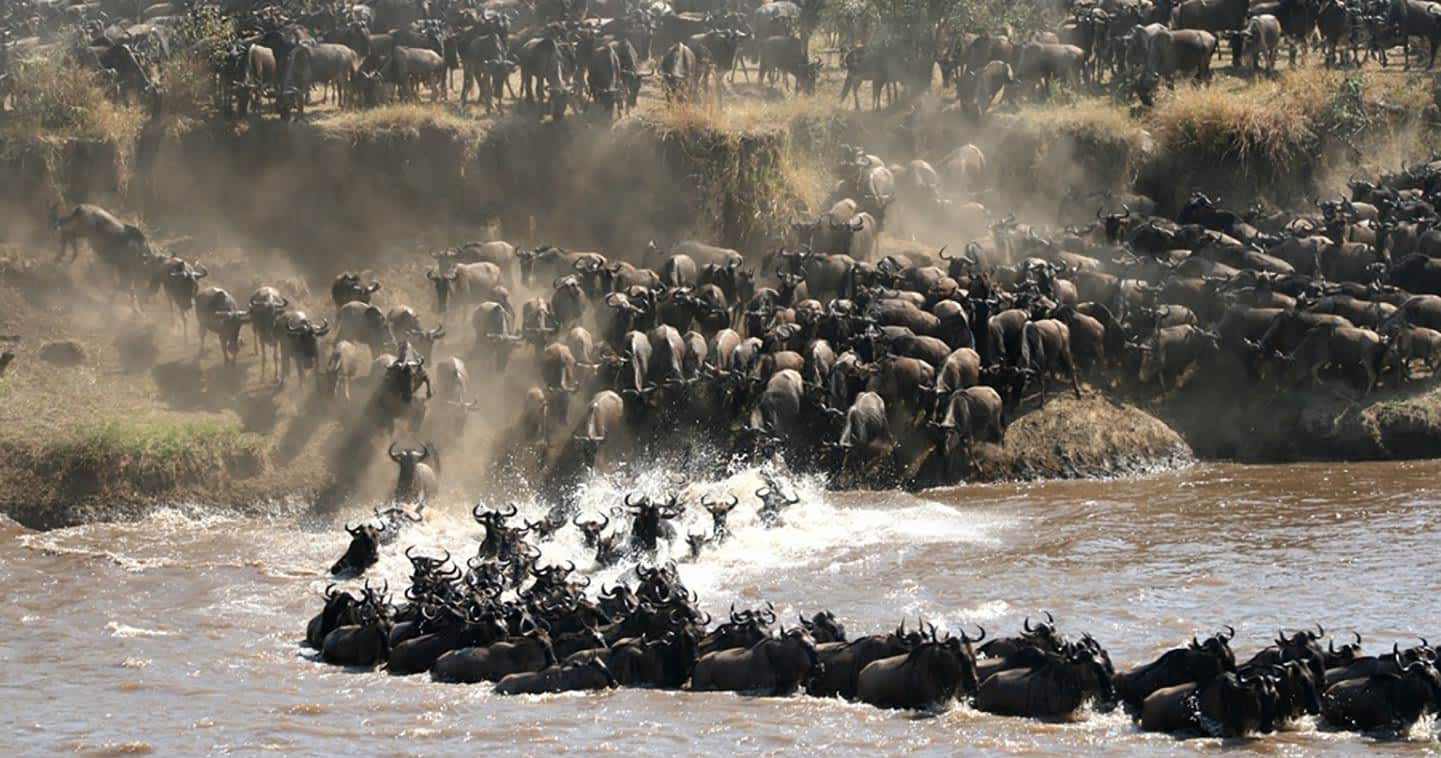
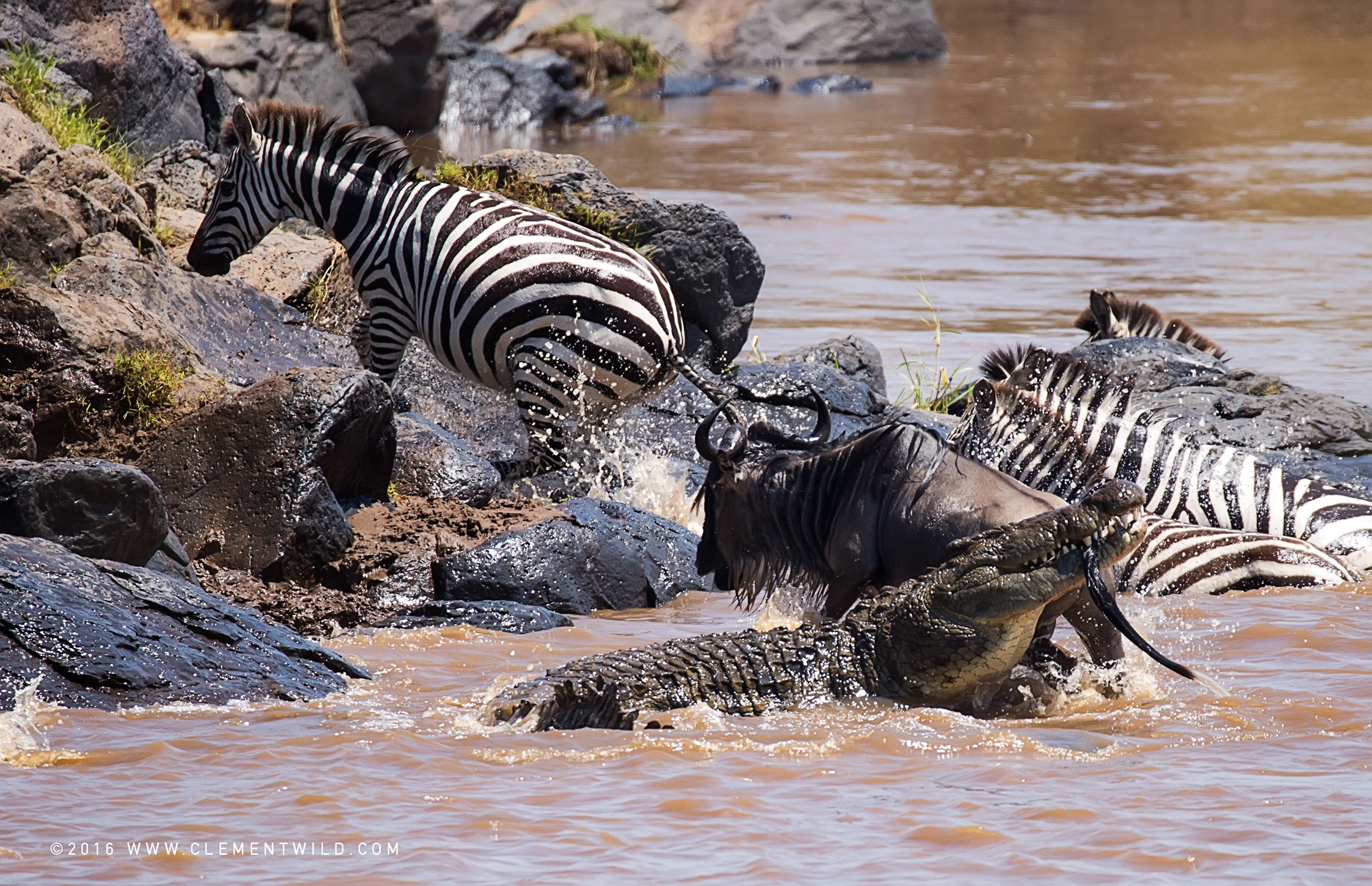
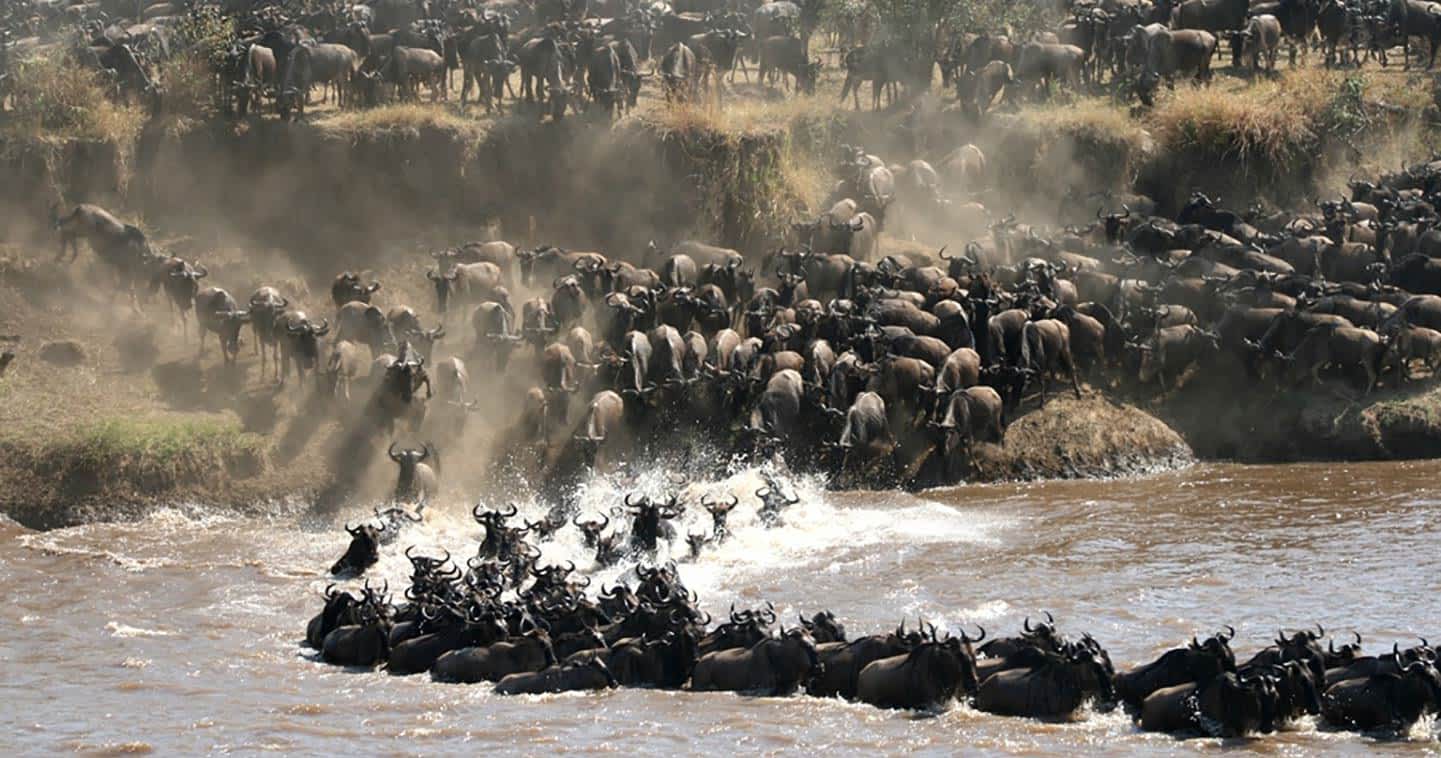
River crossings provide some of the most dramatic moments during the Great Migration. Climate conditions can influence river levels and surrounding vegetation.
Rainfall upstream can increase river flows. Drier conditions can reduce water levels in other periods.
Strong currents can create dangerous crossing conditions. Low water levels can also change crossing locations.
Importantly, wildebeest do not cross rivers according to a guaranteed annual schedule. They respond to immediate environmental conditions.
This unpredictability creates both excitement and uncertainty for travelers.
Visitors should avoid expecting a specific crossing on a specific date. Instead, experienced guides monitor wildlife movements and seasonal conditions.
Patience remains essential during migration safaris.
A professional Tanzania safari itinerary should allow enough time for wildlife observation. This approach provides a more authentic experience.
How Climate Changes Affect the Great Migration? Predators
Climate Changes Can Influence Predator Dynamics
Predators depend heavily on healthy herbivore populations. Lions, cheetahs, hyenas, leopards, and crocodiles all interact with the migration.
Changes in prey distribution can influence predator movements. When wildebeest move into new areas, predators may follow.
Climate-driven changes in vegetation can therefore influence predator-prey relationships.
Young wildebeest remain particularly vulnerable. Predator activity often increases around calving areas.
Healthy ecosystems maintain natural predator-prey relationships. Therefore, conservation must protect the entire food chain.
Visitors should view predators as part of the ecosystem rather than isolated attractions.
This approach improves understanding during Tanzania wildlife safaris.
How Climate Changes Affect the Great Migration? Wildlife Corridors
Protecting Natural Movement Routes
Migration corridors provide essential pathways between seasonal habitats. Wildebeest need open landscapes to move freely.
Human development can create barriers across these natural routes. Roads, settlements, agriculture, and fences may restrict movement.
Climate change adds another layer of pressure. Changing resources may require animals to adjust their traditional movements.
Protected corridors therefore become increasingly important.
Conservation authorities, communities, and tourism operators all have roles to play. Responsible tourism can support awareness and conservation funding.
Travelers can contribute by choosing responsible safari companies and accommodation providers.
Terenga Safaris promotes conservation-focused travel throughout East Africa.
Protecting migration routes benefits wildebeest, zebras, gazelles, predators, and many other species.
How Climate Changes Affect the Great Migration? The Role of Conservation
Protecting the Serengeti-Mara Ecosystem
Conservation provides an important response to How Climate Changes Affect the Great Migration?
Protecting natural habitats strengthens ecosystem resilience. Healthy grasslands can better support wildlife during difficult seasons.
Water conservation also remains important. Natural rivers, wetlands, and seasonal water systems require protection.
Community involvement creates another essential conservation pillar. Local communities live alongside wildlife and contribute to landscape protection.
Tourism can provide economic incentives for conservation. Responsible visitors support lodges, guides, communities, and protected areas.
Furthermore, tourism revenue can contribute to wildlife management and conservation initiatives.
Travelers should therefore consider the environmental impact of their safari choices.
A responsible Tanzania wildlife tour can support both conservation and local livelihoods.
Cultural Experiences During a Serengeti Migration Safari
Meet Communities Around the Serengeti
A Great Migration safari can include cultural experiences beyond wildlife viewing. Communities around the Serengeti provide opportunities to discover Tanzania’s rich cultural heritage.
Maasai cultural experiences remain especially popular around northern Tanzania. Visitors can explore traditional lifestyles through respectful community programs.
Cultural visits may include traditional dances, crafts, storytelling, and community walks.
Travelers can also learn about traditional pastoral lifestyles. Cattle remain central to many Maasai communities.
Local craft experiences can provide opportunities to purchase handmade beadwork and other products.
Food experiences offer another meaningful connection. Visitors can explore local ingredients and traditional cooking methods.
Responsible cultural tourism should always respect community customs. Photography should follow local guidelines and individual consent.
Terenga Safaris promotes respectful cultural exchanges during African journeys.
Cultural Experiences Around Your Safari Lodge
Make Your Lodge Stay More Meaningful
Your safari lodge can provide more than accommodation. Many lodges around the Serengeti can connect guests with nearby communities.
Community walks offer opportunities to understand local lifestyles. Visitors can learn about traditional homes, livelihoods, and environmental relationships.
Traditional dance performances can create memorable evenings. Music provides another way to experience local cultural identity.
Craft demonstrations allow visitors to observe traditional artistic skills. Guests can purchase suitable souvenirs through responsible community programs.
Some lodges also arrange local food experiences. These activities introduce guests to Tanzanian flavors and cooking traditions.
Educational community visits can also provide deeper insight into conservation. Local initiatives often connect tourism with environmental protection.
Before booking your lodge, confirm available cultural activities. Experiences vary according to location, season, and community partnerships.
Combining culture with wildlife creates a more complete Tanzania safari experience.
Best Time for a Great Migration Safari
Plan Around Seasonal Wildlife Movements
Understanding How Climate Changes Affect the Great Migration? also requires understanding seasonal timing.
The migration follows environmental conditions rather than fixed dates. Therefore, travelers should use seasonal patterns as planning guides.
Southern Serengeti areas often attract large herds during the calving period. Later, herds gradually move toward western and northern areas.
River crossings may occur during the northern movement. Yet exact crossing dates remain unpredictable.
Travelers should therefore avoid relying on a single event. Instead, plan several wildlife experiences across suitable areas.
Experienced safari companies can adjust routes according to seasonal conditions.
A flexible itinerary increases opportunities for memorable wildlife encounters.
For international visitors, combining Serengeti with Ngorongoro or Tarangire can create a richer journey.
How Climate Changes Affect the Great Migration? Safari Planning
Why Expert Guidance Matters
Climate variability makes expert safari planning increasingly valuable. Wildlife locations can change with rainfall and pasture conditions.
Professional guides understand seasonal wildlife patterns. They also monitor local conditions during safari operations.
Route flexibility can improve wildlife viewing opportunities. It can also improve road safety during changing weather.
Terenga Safaris designs customized Tanzania safaris around traveler interests and seasonal conditions.
Our approach focuses on realistic expectations. Wildlife remains wild and unpredictable.
We therefore avoid promising specific animal sightings. Instead, we create well-balanced itineraries that maximize opportunities.
This approach supports trust and responsible tourism.
Why Choose Terenga Safaris?
Your Trusted Partner for Tanzania Safaris
Terenga Safaris creates personalized African journeys for travelers worldwide.
Our expertise focuses on connecting visitors with Tanzania’s remarkable wildlife and landscapes.
We understand that migration travel requires careful seasonal planning. Therefore, we consider rainfall, wildlife movements, accommodation, routes, and travel preferences.
Every traveler deserves clear information before making a safari decision. We provide practical guidance throughout the planning process.
Our safari experiences also promote responsible tourism. We value wildlife conservation, cultural respect, and community participation.
From luxury journeys to comfortable mid-range adventures, we can tailor experiences around individual preferences.
Whether you seek a Tanzania wildlife tour or broader Tanzania adventure safaris, we focus on quality and authenticity.
How Climate Changes Affect the Great Migration? Final Thoughts
How Climate Changes Affect the Great Migration? The answer involves several connected environmental factors. Rainfall influences grass growth. Grass availability influences grazing patterns. Water availability affects movement during dry periods.
Temperature can influence vegetation and water loss. Drought can increase pressure on wildlife. Heavy rainfall can create temporary flooding and difficult travel conditions.
Breeding and calving also depend on favorable environmental conditions. Predators respond to changing prey concentrations throughout the ecosystem.
Migration corridors provide the space required for natural movement. Conservation therefore remains essential for the future of this spectacular natural cycle.
How Climate Changes Affect the Great Migration? Climate variability can influence timing and resource availability. However, the migration remains a dynamic natural process. How Climate Changes Affect the Great Migration? Understanding these relationships helps travelers appreciate the Serengeti more deeply. How Climate Changes Affect the Great Migration? Nature, climate, wildlife, and conservation remain closely connected.
For travelers planning Tanzania safaris, the Great Migration offers an extraordinary opportunity to witness this connection.
A responsible Tanzania safari should protect the same wilderness that creates unforgettable memories. Terenga Safaris invites you to explore Tanzania with knowledge, respect, and confidence. Discover the Serengeti. Follow the rhythm of nature. Experience the Great Migration responsibly. How Climate Changes Affect the Great Migration? The answer lives within every rainfall, grassland, river, animal, and seasonal movement across this remarkable ecosystem.
