What Travellers Learn from Visiting Uganda?
September 16, 2026
How Travel Changes the Way We See the World?
September 16, 2026
Food Experiences Every Visitor Should Try
Food Experiences Every Visitor Should Try should form part of every African safari. Food connects travelers with local culture, history, communities, and daily life. It also adds a deeper dimension to wildlife adventures across East Africa.
Uganda offers an exciting culinary journey for international travelers. The country combines traditional recipes with diverse regional influences. Each region provides unique ingredients, cooking styles, and dining traditions.
A Uganda safari can therefore become much more than a wildlife adventure. Travelers can explore national parks during the day. Afterwards, they can discover traditional dishes at lodges and local restaurants.
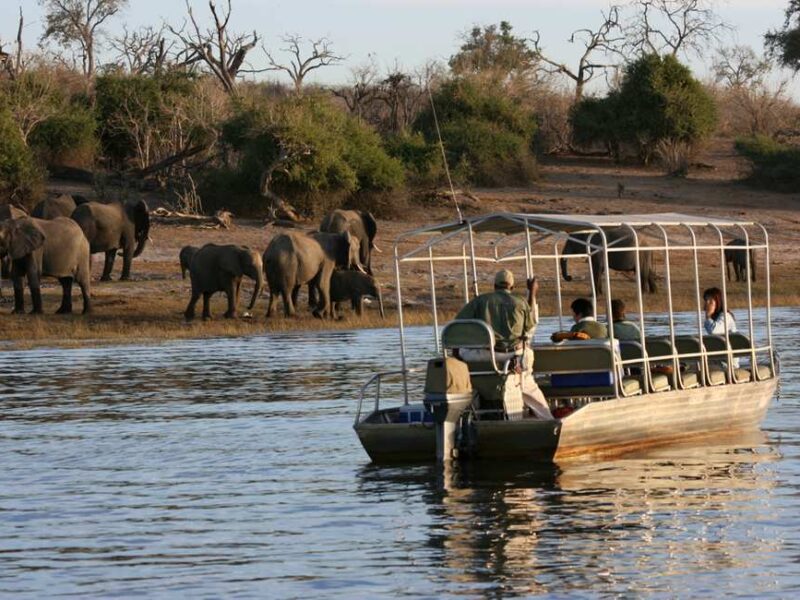
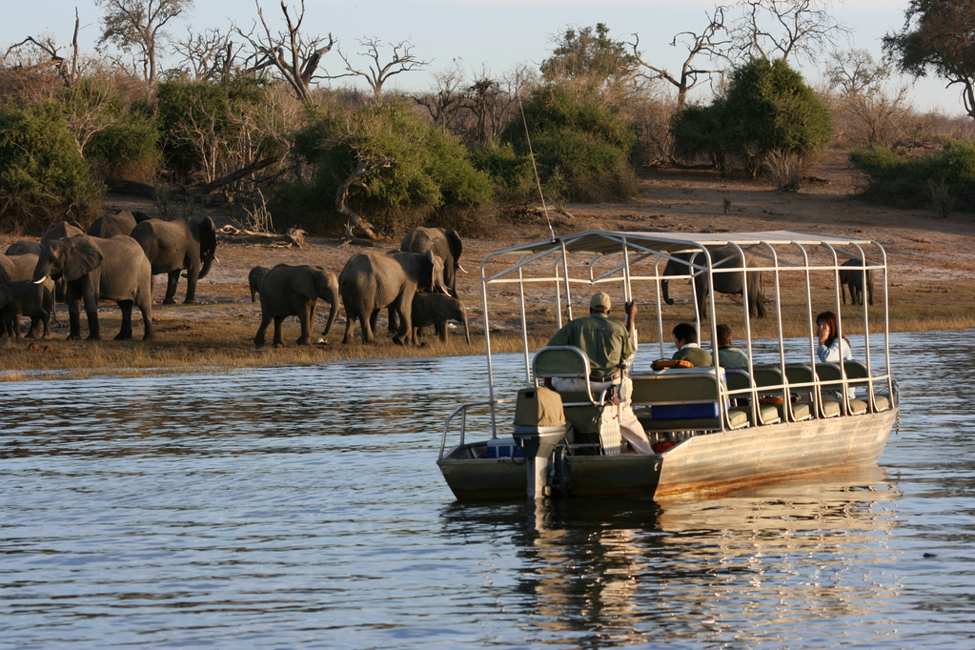
Uganda wildlife safaris also create opportunities to experience food within beautiful natural settings. Imagine enjoying a fresh meal after watching elephants near a savannah. Such moments create lasting memories.
Furthermore, local food supports communities around major tourism destinations. Travelers who choose local dishes contribute to restaurants, farmers, markets, and food producers.
At Terenga Safaris, we believe food belongs within the complete African travel experience. Therefore, our journeys can combine wildlife, culture, adventure, and authentic culinary experiences.
Food Experiences Every Visitor Should Try can transform your Uganda wildlife tour. The right meal can become one of your most memorable safari moments.
Why Food Matters During an African Safari
Food Connects Travelers With Culture
Food provides a simple way to understand local communities. Traditional meals often reflect regional history and available natural resources.
Ugandan cuisine uses ingredients that grow across different parts of the country. Plantains, cassava, sweet potatoes, beans, groundnuts, and vegetables remain important staples.
Travelers can also discover different preparation methods across Uganda. Some communities roast food over open fires. Others use traditional cooking pots and locally sourced ingredients.
Consequently, every meal can become a cultural experience.
Food Creates Memorable Safari Moments
Safari days often begin early. Visitors may enjoy breakfast before a morning game drive. Lunch can follow a boat cruise or nature walk.
Evening meals provide time to relax after an exciting day. Many lodges create peaceful dining spaces surrounded by nature.
Therefore, Food Experiences Every Visitor Should Try can complement every stage of your safari.
Matoke: A Classic Ugandan Food Experience
The Taste of Uganda
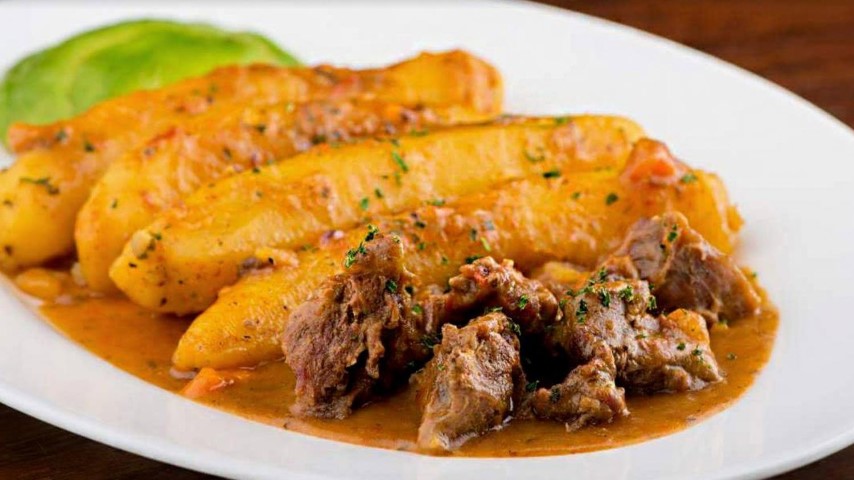
Matoke remains one of Uganda’s most recognizable traditional foods. The dish uses green cooking bananas prepared until soft.
Many Ugandan households serve matoke with different sauces. Common accompaniments include groundnut sauce, beef, chicken, beans, or vegetables.
Travelers can enjoy matoke at safari lodges across Uganda. Local restaurants also provide opportunities to experience the dish in a traditional setting.
Why Try Matoke?
Matoke represents an important part of Ugandan food culture. It also provides an excellent introduction to local cuisine.
Visitors exploring Uganda safaris should include matoke within their culinary journey. The dish pairs well with several traditional sauces.
For international visitors, matoke offers a simple introduction to everyday Ugandan dining.
What to Eat in Uganda: A Food Guide for First-Time Visitors
Rolex: A Popular Ugandan Street Food
A Unique Local Favorite
The Ugandan Rolex offers a completely different food experience. It combines a chapati with eggs and various fresh ingredients.
Street vendors prepare Rolex quickly and serve it hot. Some versions include tomatoes, onions, cabbage, and other vegetables.
The name creates curiosity among many international travelers. However, this popular dish has nothing to do with watches.
Experience Rolex Responsibly
Travelers should choose clean and reputable food vendors. Safari guides can help identify suitable places for this experience.
A Rolex can make an enjoyable lunch during city exploration. It can also provide an exciting introduction to Uganda’s street food culture.
Food Experiences Every Visitor Should Try should include this popular Ugandan favorite.
Luwombo: A Traditional Culinary Experience
Rich Flavors and Traditional Preparation
Luwombo provides another important Ugandan food experience. The dish commonly features chicken, beef, fish, or vegetables.
Cooks prepare the ingredients with groundnut sauce and aromatic spices. They then wrap the mixture in banana leaves for steaming.
This method creates a distinctive flavor and aroma. It also demonstrates the creativity within traditional Ugandan cooking.
A Cultural Dining Experience
Luwombo can appear on menus at selected lodges and restaurants. Travelers can enjoy it while learning about traditional Ugandan cuisine.
The dish works particularly well during cultural-themed dinners. It allows visitors to connect food with local traditions.
Ugandan Groundnut Sauce
A Traditional Favorite
Groundnuts play an important role in Ugandan cuisine. They provide protein, flavor, and texture to many traditional meals.
Groundnut sauce commonly accompanies matoke, sweet potatoes, cassava, and other foods. Some recipes include vegetables or other local ingredients.
Travelers should try groundnut sauce during their Uganda wildlife tour. Its creamy texture provides an excellent complement to traditional staples.
Fresh Fish From Ugandan Lakes
Lake Fish Experiences
Uganda contains several major lakes with important fishing communities. Lake Victoria, Lake Albert, and Lake Kyoga support local fishing traditions.
Fresh fish can provide an excellent culinary experience during a safari. Tilapia remains especially popular in many Ugandan dining establishments.
Travelers visiting lakeside destinations can enjoy fresh fish alongside vegetables and local staples.
Combining Food and Nature
Food becomes even more memorable when enjoyed beside the water. Lake Bunyonyi offers spectacular scenery for relaxed dining.
Travelers can combine scenic boat rides with local food experiences. Cultural visits can also complement these activities.
Therefore, Food Experiences Every Visitor Should Try extends beyond restaurants. The surrounding environment can become part of the experience.
Cultural Food Experiences Around Safari Lodges
Bwindi Cultural Experiences
Travelers staying near Bwindi Impenetrable National Park can explore local communities. Cultural activities may include traditional dance, craft demonstrations, and community walks.
Visitors can also discover local foods prepared using traditional ingredients. Banana dishes, vegetables, cassava, and other staples often feature prominently.
These experiences complement gorilla trekking. They also create additional opportunities to support community tourism.
Queen Elizabeth National Park
Lodges around Queen Elizabeth National Park provide access to several cultural experiences. Travelers can visit fishing communities around Lake Edward.
Visitors can learn about traditional fishing methods and local livelihoods. Community interactions can also include food preparation and cultural activities.
A Uganda safari becomes more meaningful when wildlife experiences connect with local life.
Murchison Falls National Park
Communities around Murchison Falls offer opportunities for cultural exploration. Visitors can experience traditional music, crafts, farming, and local food.
Some community visits provide opportunities to see how families prepare traditional meals. Travelers can gain practical knowledge about local ingredients and cooking methods.
These activities create valuable connections beyond game drives.
Food Experiences Every Visitor Should Try During Uganda Safaris
Breakfast Before a Game Drive
A good safari breakfast provides energy for early activities. Lodges often serve fresh fruit, bread, eggs, tea, coffee, and other breakfast options.
Some properties can prepare packed breakfasts for longer game drives. Travelers can enjoy meals in designated areas during their adventures.
Bush Dining
Bush dining creates a memorable safari atmosphere. Guests can enjoy carefully prepared meals within designated and secure areas.
The experience combines food, scenery, and wilderness. Guides and lodge teams manage the setting carefully.
Bush meals work particularly well for special occasions. Couples and families can create unforgettable memories surrounded by nature.
Coffee: An Important Ugandan Food Experience
Discover Ugandan Coffee
Uganda produces high-quality coffee from several regions. Coffee farming supports many rural communities across the country.
Travelers can explore coffee experiences during selected Uganda adventure safaris. These activities can include farm visits, processing demonstrations, and tasting sessions.
Visitors can learn how coffee moves from the plant to the cup. Such experiences provide valuable insight into local agriculture.
Coffee and Community Tourism
Coffee tourism can support small-scale farmers. It also creates additional income opportunities within rural communities.
Therefore, coffee deserves a place among Food Experiences Every Visitor Should Try.
Food Experiences Every Visitor Should Try Across East Africa
Kenya and Tanzania
East Africa offers diverse culinary traditions beyond Uganda. Travelers visiting Kenya can explore nyama choma, chapati, and traditional vegetable dishes.
Tanzania provides opportunities to enjoy pilau, ugali, grilled meats, and coastal cuisine. Zanzibar adds strong Indian Ocean influences to the regional food experience.
Combining destinations creates broader culinary discovery. However, each country deserves enough time for meaningful exploration.
Rwanda
Rwanda provides another exciting culinary destination. Visitors can experience plantain dishes, beans, cassava, grilled meats, and locally grown vegetables.
Cultural experiences can complement food exploration around Volcanoes National Park. Travelers can combine gorilla trekking with community activities.
Responsible Food Tourism
Support Local Producers
Choose locally sourced food whenever suitable. Local purchases can support farmers and small businesses.
Travelers should also avoid unnecessary food waste. Ordering appropriate portions helps reduce waste during safari journeys.
Respect Local Traditions
Food customs can vary between communities. Travelers should approach unfamiliar traditions with respect and curiosity.
Ask your guide about appropriate cultural etiquette. This approach creates more respectful and rewarding interactions.
Planning Food Experiences During Your Safari
Tell Your Safari Planner
Share dietary requirements before your journey begins. Terenga Safaris can help coordinate suitable meal arrangements with accommodation providers.
Vegetarian and vegan travelers can often enjoy many Ugandan dishes. However, advance planning helps lodges prepare appropriate options.
Allergies also require early communication. Clear information improves safety and dining comfort.
Combine Food With Other Experiences
Food can complement wildlife viewing, cultural activities, and nature adventures. A well-planned itinerary can include culinary experiences without sacrificing safari time.
For example, a traveler can enjoy a community visit after a morning game drive. Another option involves combining coffee experiences with cultural exploration.
Safari Inclusions
- Airport transfers
- Private safari vehicle
- Professional English-speaking guide
- Accommodation
- Meals
- Drinking water
- Game drives
- Boat cruises
- Cultural experiences
- Community visits
- Park entrance fees
- Applicable government taxes
- Selected food experiences
- Emergency assistance
Safari Exclusions
- International flights
- Visa fees
- Travel insurance
- Personal expenses
- Alcoholic beverages
- Laundry services
- Tips
- Souvenirs
- Optional activities
- Personal communication costs
- Medical expenses
- Additional accommodation
Food Experiences Every Visitor Should Try: Terenga Safaris Approach
Food Experiences Every Visitor Should Try add depth to an African safari. They introduce travelers to communities through flavors, ingredients, and traditions.
Terenga Safaris combines culinary discovery with carefully planned wildlife adventures. Our approach considers comfort, authenticity, responsible tourism, and local experiences.
Whether you choose Uganda safaris or wider East African journeys, food can enrich your adventure. Travelers can discover traditional dishes while exploring spectacular landscapes.
A Uganda wildlife tour can therefore include much more than game viewing. It can include coffee farms, community visits, traditional meals, and local markets.
Similarly, Uganda adventure safaris can combine trekking, boating, wildlife viewing, and culinary discovery.
Conclusion: Food Experiences Every Visitor Should Try
Food Experiences Every Visitor Should Try provide a deeper connection with Africa. Food reveals local traditions, agricultural practices, community values, and regional identity.
Uganda offers exceptional opportunities for travelers who want meaningful culinary experiences. Matoke, Rolex, luwombo, groundnut sauce, fresh fish, and Ugandan coffee deserve attention.
Moreover, cultural experiences around safari lodges can make each journey more memorable. Community visits can complement wildlife encounters and support local tourism.
At Terenga Safaris, we create journeys that connect visitors with Africa’s wildlife and people. Our expertise helps travelers explore destinations with comfort and confidence.