
The Stories Behind Uganda’s Traditions
September 17, 2026
Why Cultural Experiences Make Better Safaris?
September 17, 2026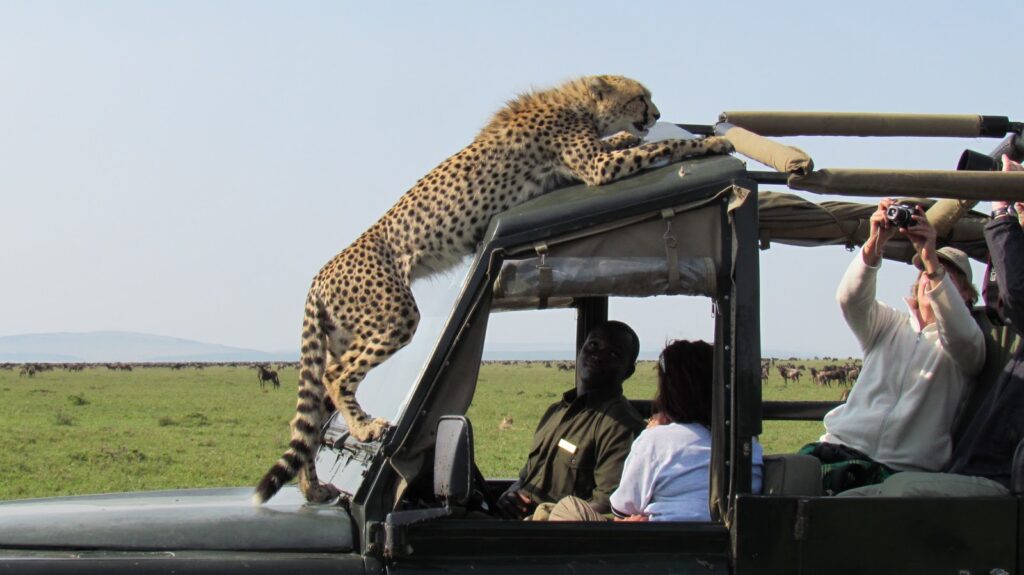
Beyond Wildlife: Experiencing Uganda Through Its People
Beyond Wildlife: Experiencing Uganda Through Its People offers a deeper way to discover the Pearl of Africa. Uganda’s wildlife creates unforgettable experiences, yet its people add another dimension.
The country contains diverse communities with distinct languages, traditions, foods, music, crafts, and histories. Each region offers opportunities to discover a different part of Uganda’s cultural identity.
A Uganda safari can therefore extend beyond game drives and primate trekking. Travelers can visit communities, explore local markets, enjoy traditional food, and experience cultural performances.
Uganda wildlife safaris also connect naturally with community tourism. Many communities live around national parks and protected landscapes. Their livelihoods often connect with farming, fishing, crafts, tourism, and conservation.
Furthermore, cultural experiences can create direct benefits for local communities. Travelers can support artisans, guides, performers, farmers, and community tourism initiatives.
At Terenga Safaris, we create journeys that connect wildlife with people and places. Our itineraries combine responsible tourism, cultural discovery, nature, comfort, and adventure.
Beyond Wildlife: Experiencing Uganda Through Its People means looking beyond the famous attractions. It means discovering the human stories that give every destination its character.
Why Uganda’s People Matter to Your Safari
Culture Creates Deeper Experiences
Wildlife can provide extraordinary moments. However, culture helps travelers understand the communities surrounding protected areas.
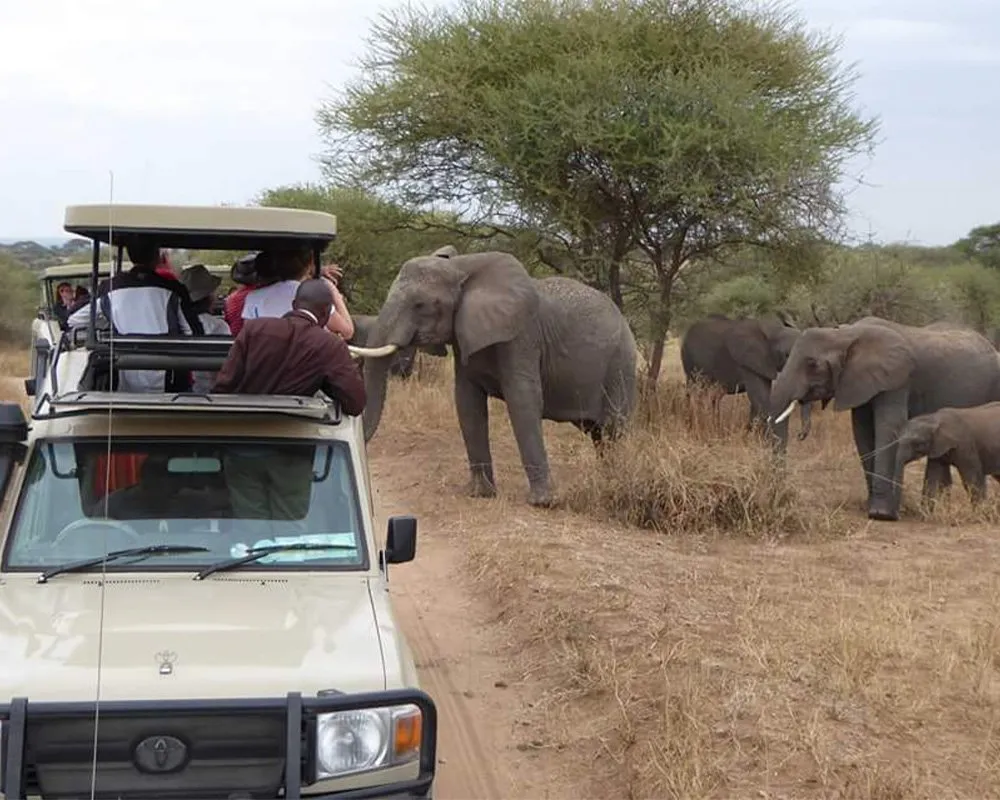
A visitor can watch elephants during a morning game drive. Later, the same traveler can meet local residents and discover their daily activities.
This combination creates a more complete safari experience. It also provides context about the relationship between people, wildlife, land, and tourism.
Local Communities and Tourism
Tourism supports many livelihoods throughout Uganda. Guides, drivers, artisans, farmers, performers, and accommodation staff all contribute.
Community tourism creates additional opportunities for local participation. Visitors can support these efforts through responsible cultural experiences.
Therefore, Beyond Wildlife: Experiencing Uganda Through Its People can benefit both travelers and communities.
Beyond Wildlife: Experiencing Uganda Through Its People in Bwindi
Discovering Communities Near the Forest
Bwindi Impenetrable National Park attracts travelers seeking mountain gorilla experiences. Yet the surrounding communities offer equally meaningful cultural encounters.
Travelers can participate in community walks around the forest. These activities can include craft demonstrations, traditional food, music, and dance.
Local agricultural activities also provide insight into everyday life. Visitors can learn about banana cultivation, coffee growing, and other farming practices.
Batwa Cultural Experiences
The Batwa have a long historical connection with the forests of the region. Cultural experiences can introduce visitors to aspects of their heritage.
Traditional music, storytelling, crafts, and forest-related knowledge form important elements. Responsible tourism should protect dignity and provide meaningful community benefits.
Gorilla trekking and cultural activities create a balanced itinerary. Travelers can experience wildlife conservation alongside human heritage.
Beyond Wildlife: Experiencing Uganda Through Its People in Queen Elizabeth
Fishing Communities
Queen Elizabeth National Park offers remarkable wildlife experiences. However, communities around Lake Edward provide another perspective.
Fishing communities have developed livelihoods around the lake. Visitors can learn about fishing traditions and local economic activities.
Community visits should respect working routines and environmental regulations. A knowledgeable guide can help create appropriate interactions.
Katwe Community Experiences
The Katwe area provides opportunities to explore local livelihoods. Salt production has played an important role within the local economy.
Visitors can learn about salt extraction and community life. These experiences provide valuable insight beyond traditional game drives.
A Uganda wildlife tour becomes richer when travelers understand the people living near protected areas.
Cultural Experiences Around Safari Lodges
Lodge-Based Cultural Activities
Many safari lodges can help guests arrange cultural experiences. Activities may include village visits, traditional performances, cooking sessions, and craft demonstrations.
Travelers should choose experiences with clear community participation. This approach helps ensure tourism creates meaningful local benefits.
Bwindi Lodge Experiences
Lodges around Bwindi can provide convenient access to community activities. Visitors can combine gorilla trekking with local cultural experiences.
Traditional dance performances can add energy to an evening. Craft visits can introduce travelers to locally produced baskets and other handmade items.
Food experiences can also introduce traditional ingredients and cooking methods.
Queen Elizabeth Lodge Experiences
Lodges around Queen Elizabeth can connect guests with fishing communities. Visitors can also explore local farms and community projects.
Cultural activities can fit naturally around game drives and boat cruises. This creates a balanced itinerary without unnecessary travel.
Murchison Falls Lodge Experiences
Murchison Falls provides opportunities for community tourism around the national park. Visitors can explore local crafts, farming, music, and cultural traditions.
These experiences complement Nile River activities and wildlife viewing. They also create opportunities to support communities outside the park.
Beyond Wildlife: Experiencing Uganda Through Food
Traditional Ugandan Cuisine
Food provides one of the easiest ways to connect with local culture. Uganda offers diverse dishes influenced by different communities.
Matoke remains an important traditional staple. Other popular foods include cassava, sweet potatoes, beans, groundnuts, millet, and fresh vegetables.
Luwombo provides another valuable culinary experience. Cooks prepare meat, fish, or vegetables with groundnut sauce and spices.
Visitors can also try Rolex, a popular Ugandan street food. The dish combines chapati, eggs, and fresh vegetables.
Coffee Experiences
Uganda produces coffee across several regions. Travelers can explore coffee farms and learn about production.
A coffee experience can include cultivation, harvesting, processing, and tasting. These activities create valuable connections with farming communities.
Therefore, food and agriculture can become important parts of Uganda adventure safaris.
Beyond Wildlife: Experiencing Uganda Through Music and Dance
Traditional Performances
Music remains central to many Ugandan communities. Drums, songs, dance, and storytelling create powerful cultural expressions.
Different regions have distinctive performance styles. Visitors can experience traditional performances during selected community visits.
Some safari lodges also organize cultural evenings. These events can introduce guests to local music within a comfortable setting.
Participating Respectfully
Travelers may receive opportunities to join traditional dances. Participation can create memorable interactions with local performers.
Always follow the guidance provided by cultural hosts. Respect remains essential when engaging with traditional practices.
Crafts and Local Art
Supporting Local Artisans
Ugandan artisans produce baskets, mats, pottery, beadwork, textiles, and wood carvings. These products often combine practical uses with artistic expression.
Visitors can purchase crafts directly from community projects. Such purchases can support artisans and their households.
Learning Traditional Skills
Some cultural experiences include craft demonstrations. Travelers can watch artisans weave baskets or create decorative products.
Hands-on activities can make these encounters more engaging. They also provide insight into skills passed between generations.
Beyond Wildlife: Experiencing Uganda Through Its People and Traditional Livelihoods
Farming Communities
Agriculture supports many communities across Uganda. Visitors can learn about crops, farming methods, and seasonal activities.
Coffee, bananas, tea, maize, cassava, and beans remain important crops. Different regions specialize in different agricultural products.
A community farming experience can complement a Uganda safari. It provides a practical connection between food, land, and local livelihoods.
Fishing Communities
Lakes support many communities throughout Uganda. Lake Victoria, Lake Albert, Lake Edward, and Lake Kyoga have important fishing traditions.
Visitors can learn about local fishing practices during appropriate community experiences. These encounters should always respect local regulations.
Uganda Safari
Beyond Wildlife: Experiencing Uganda Through Its People in Kampala
Exploring Uganda’s Capital
Kampala provides an excellent introduction to Uganda’s cultural diversity. Visitors can explore markets, cultural institutions, restaurants, and historical attractions.
Local markets offer opportunities to discover crafts, food, fabrics, and everyday products. Cultural centers can provide additional historical context.
A Kampala city tour can complement a longer safari. It can also provide a useful introduction before heading toward national parks.
Buganda Cultural Heritage
The Buganda Kingdom forms an important part of Uganda’s cultural heritage. Travelers can explore selected royal and historical sites.
These experiences can introduce visitors to traditional leadership, architecture, music, and history.
Beyond Wildlife: Experiencing Uganda Through Its People in Jinja
Busoga Cultural Experiences
Jinja provides opportunities to explore Busoga cultural heritage. Travelers can combine cultural activities with adventures along the Nile.
Community visits can introduce local food, crafts, music, and traditions. Visitors can also explore agricultural communities around the region.
Nile activities add an adventurous dimension. This combination works particularly well for Uganda adventure safaris.
Responsible Cultural Tourism in Uganda
Respect Comes First
Cultural tourism requires respect for local customs. Always ask before photographing people or entering private spaces.
Dress appropriately for specific cultural settings. Follow guidance during ceremonies and traditional activities.
Avoid treating cultural traditions as performances without context. Meaningful tourism should encourage respectful human connection.
Support Local Communities
Choose community experiences with genuine local involvement. Purchase crafts directly from legitimate artisan groups when possible.
Local spending can create meaningful economic opportunities. Responsible tourism can therefore strengthen both culture and conservation.
Planning Your Cultural Uganda Safari
Build Culture Into Your Route
Cultural experiences work best when integrated into your safari route. This approach reduces unnecessary travel and creates more relaxed journeys.
For example, Bwindi can combine gorilla trekking with community activities. Queen Elizabeth can combine wildlife viewing with fishing community experiences.
Kibale can combine chimpanzee trekking with agricultural and cultural activities. Murchison Falls can combine wildlife with local community experiences.
Allow Enough Time
Avoid rushing through cultural encounters. Meaningful experiences require time for interaction and learning.
A professional itinerary should include comfortable travel periods. It should also leave room for spontaneous discoveries.
Terenga Safaris creates practical itineraries around traveler interests. Our planning combines destination expertise with responsible tourism principles.
Safari Inclusions
- Airport transfers
- Private safari vehicle
- Professional safari guide
- Accommodation
- Meals
- Drinking water
- Game drives
- Boat cruises
- Nature walks
- Cultural experiences
- Community visits
- Park entrance fees
- Gorilla trekking permits
- Chimpanzee trekking permits
- Applicable government taxes
- Selected cultural activities
- Emergency assistance
Safari Exclusions
- International flights
- Visa fees
- Travel insurance
- Personal expenses
- Alcoholic beverages
- Laundry services
- Tips
- Souvenirs
- Optional activities
- Personal communication costs
- Medical expenses
- Additional accommodation
Beyond Wildlife: Experiencing Uganda Through Its People
Beyond Wildlife: Experiencing Uganda Through Its People provides a richer way to explore the Pearl of Africa.
Wildlife remains an important reason to visit Uganda. Yet people, culture, food, music, crafts, and traditions make the journey more complete.
Uganda safaris can combine wildlife viewing with community experiences. A Uganda wildlife safari can therefore become both educational and adventurous.
Likewise, a Uganda wildlife tour can include cultural visits around national parks. Uganda adventure safaris can combine trekking, boating, hiking, and community discovery.
These experiences create stronger connections between travelers and destinations. They also provide opportunities to support local communities.
Conclusion: Beyond Wildlife: Experiencing Uganda Through Its People
Beyond Wildlife: Experiencing Uganda Through Its People encourages travelers to explore beyond traditional safari attractions.
Uganda offers remarkable opportunities for meaningful cultural discovery. Visitors can experience food, music, dance, crafts, farming, fishing, storytelling, and heritage.
These experiences complement gorilla trekking, chimpanzee tracking, game drives, and boat cruises. They also help travelers understand the communities surrounding Uganda’s protected areas.
At Terenga Safaris, we create journeys that connect wildlife with people and culture. Our expertise helps travelers experience Uganda with comfort, respect, and confidence.
Beyond Wildlife: Experiencing Uganda Through Its People is an invitation to discover Uganda through deeper connections.
