
Why Is Olduvai Gorge Called the Cradle of Mankind?
October 16, 2026
Photography Opportunities During the January Migration
October 19, 2026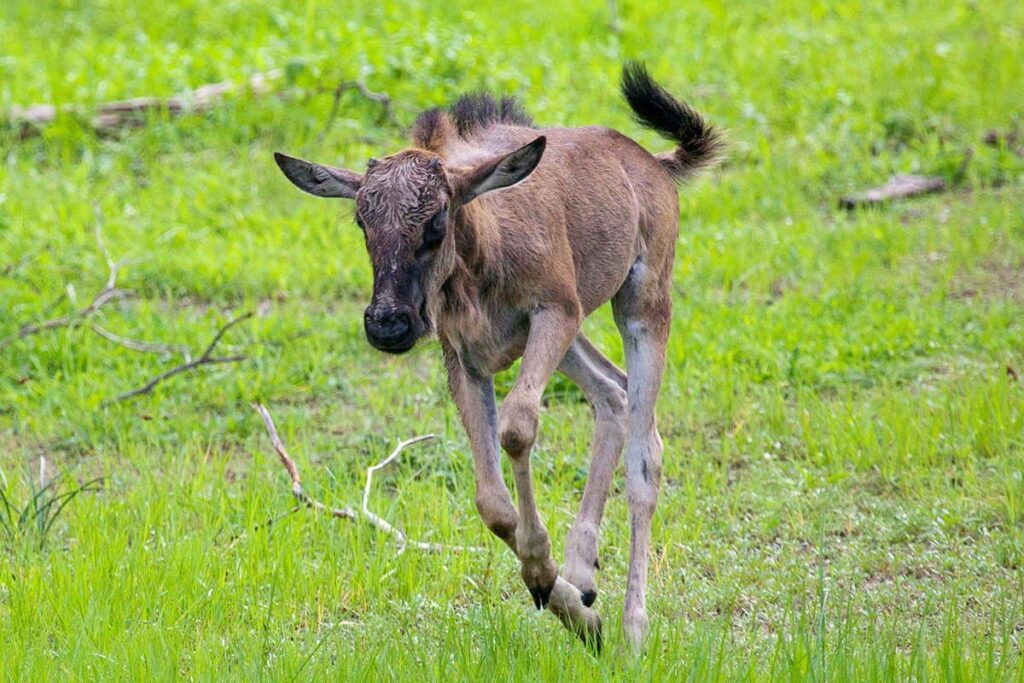
The Best Time to See Wildebeest Calving in Serengeti: A Complete Tanzania Safari Guide
The Best Time to See Wildebeest Calving in Serengeti is generally between January and February, when large herds gather across the southern plains and the Ndutu region. During this remarkable period, hundreds of thousands of wildebeest give birth as seasonal rains encourage fresh grass to grow. The landscape becomes a natural nursery filled with newborn calves, attentive mothers, grazing zebras, and predators searching for food. For international travelers planning Tanzania Tours, this extraordinary wildlife event offers an unforgettable opportunity to understand the Great Migration beyond its famous river crossings.
Unlike a traditional safari focused mainly on spotting large animals, a calving-season adventure reveals the intimate relationship between wildlife, weather, and survival. Pregnant wildebeest depend on nutritious grass to maintain their strength before giving birth. Soon after delivery, newborn calves must stand, walk, and follow their mothers across open grasslands. Meanwhile, lions, cheetahs, and hyenas take advantage of opportunities to hunt vulnerable young animals. These natural interactions create an experience that combines beautiful scenery with important lessons about the African ecosystem.
Understanding The Best Time to See Wildebeest Calving in Serengeti also helps travelers plan their safari around seasonal wildlife movements. Although January and February often provide excellent opportunities, the timing and location of herds can change with rainfall and grazing conditions. Therefore, a successful trip requires more than choosing dates on a calendar. Travelers should consider accommodation locations, road conditions, guiding expertise, and the time available for game drives. At Terenga Safaris & Travel Ltd, we encourage visitors to approach this natural spectacle with realistic expectations, responsible wildlife-viewing practices, and a genuine appreciation for Tanzania’s extraordinary wilderness.
When Does the Wildebeest Calving Season Begin in Serengeti?
The Best Time to See Wildebeest Calving in Serengeti usually falls between December and March, with the most concentrated period of births often occurring during late January and February. However, the exact timing changes from year to year because wildebeest respond to seasonal rainfall and the availability of fresh grazing. December can mark the beginning of the calving period in some areas, while March may still offer opportunities to observe mothers with young calves.
During the preceding months, the Great Migration herds move toward the southern Serengeti ecosystem in search of suitable feeding grounds. Rainfall encourages new grass to grow across the short-grass plains, providing important nutrients for pregnant females. As the herds settle into these favorable areas, births begin to occur across the landscape. This seasonal pattern helps explain why the southern Serengeti and Ndutu region attract wildlife enthusiasts during the early months of the year.
Nevertheless, travelers should not expect every wildebeest to give birth simultaneously. Some females deliver earlier, while others give birth later as herds spread across different grazing areas. Weather conditions can also influence the distribution of animals, making flexibility an important part of safari planning.
For visitors arranging Tanzania Safaris, understanding this seasonal window helps establish realistic travel dates. January and February are particularly popular because they often combine large wildebeest concentrations with frequent newborn sightings. Booking suitable accommodation early can improve your choice of camps and lodges, especially in areas close to productive grazing grounds. Ultimately, The Best Time to See Wildebeest Calving in Serengeti depends on the season’s conditions, your travel preferences, and the particular wildlife experiences you hope to enjoy.
Why Is January and February Ideal for Wildebeest Calving?
Several ecological factors make January and February excellent months for experiencing The Best Time to See Wildebeest Calving in Serengeti. Seasonal rainfall encourages fresh vegetation, giving pregnant wildebeest access to nutritious grass before delivery. After birth, mothers continue feeding to maintain their strength and produce milk for their calves. These favorable feeding conditions help support one of the largest concentrations of newborn wildebeest anywhere in Africa.
Another important feature is the synchronization of births. Many females give birth within a relatively short period, creating a seasonal surge of newborn calves across the plains. This concentration can improve the survival chances of individual calves through a process known as predator satiation. When many young animals are available, predators cannot capture every calf. However, predation remains a significant natural threat, and survival depends on several factors, including calf health, herd behavior, and predator activity.
January and February can also offer excellent opportunities to observe different stages of early calf development. Visitors may see newborns attempting their first steps, mothers guiding their young, and herds moving together across open grasslands. Such encounters provide insight into the instincts that help wildebeest survive in a challenging environment.
For photographers, these months can deliver compelling wildlife scenes, including vast herds beneath dramatic skies and close observations of maternal behavior. Meanwhile, nature enthusiasts can learn how grazing patterns, seasonal weather, and predator-prey relationships shape the Serengeti ecosystem. Although sightings are never guaranteed, well-planned Tanzania Adventures during this period can be highly rewarding. Choosing The Best Time to See Wildebeest Calving in Serengeti allows visitors to experience the migration during one of its most biologically important stages.
Where Should You Go to See Wildebeest Calving?
Selecting the right location is essential when planning The Best Time to See Wildebeest Calving in Serengeti. The southern Serengeti plains and the adjoining Ndutu region are among the most important areas during the calving season. These landscapes provide extensive grazing grounds, seasonal water sources, and open terrain that attracts large numbers of migrating herbivores.
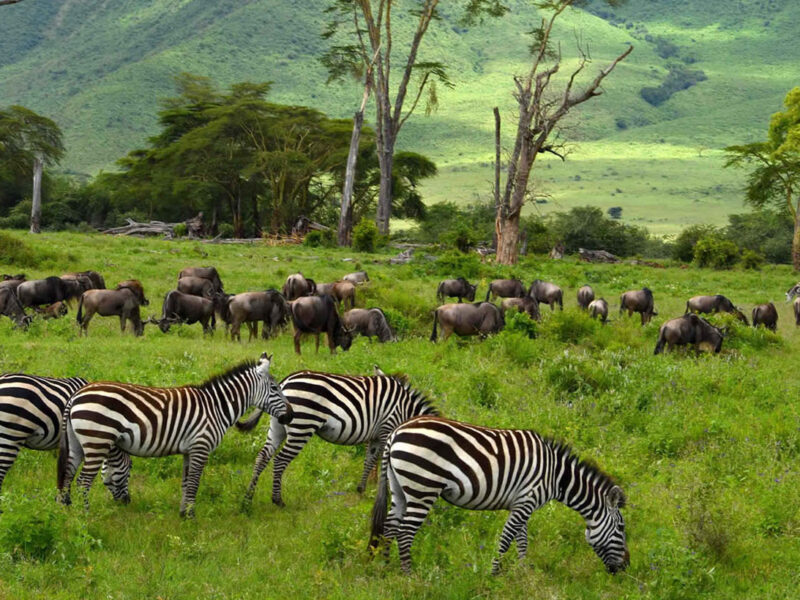
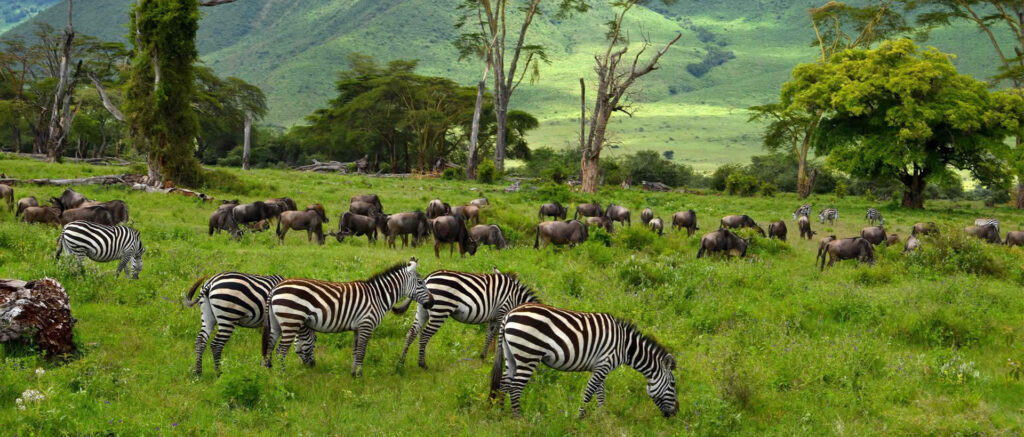
Ndutu lies within the broader Serengeti ecosystem near the boundary of the Ngorongoro Conservation Area. Its seasonal grasslands often support impressive wildlife concentrations when rainfall creates favorable feeding conditions. Visitors may encounter wildebeest, zebras, gazelles, lions, cheetahs, hyenas, and numerous bird species. This variety makes the region appealing even when a particular wildlife encounter does not occur.
The wider southern Serengeti also offers opportunities to observe changing herd movements. Depending on the season, animals may concentrate in particular grazing areas before gradually spreading toward other parts of the ecosystem. Experienced guides can help identify promising locations using current observations, local knowledge, and the conditions on the ground.
Accommodation location deserves careful consideration. Staying near the southern plains during the calving period can reduce driving time and provide more opportunities for game viewing. However, camp locations, access routes, and seasonal conditions should be reviewed before confirming a booking. Some properties may be better positioned for particular wildlife areas than others.
When organizing Tanzania Tours, discuss your preferred travel dates and accommodation standards with your safari operator. A well-planned itinerary should balance wildlife viewing with practical travel times, rest, and comfort. For travelers seeking The Best Time to See Wildebeest Calving in Serengeti, choosing an appropriate base can make the difference between spending more time observing wildlife and spending unnecessary hours on the road.
What Wildlife Experiences Can You Expect During the Calving Season?
The Best Time to See Wildebeest Calving in Serengeti offers an exciting combination of wildlife observation, photography, and ecological discovery. The main attraction is the arrival of newborn wildebeest, but the experience extends far beyond the calving herds. Visitors may witness mothers caring for their young, calves learning to walk, and large groups grazing across the plains.
Predator activity adds another dimension to the season. Lions may patrol areas where herbivores gather, while cheetahs can use the open terrain to search for prey. Spotted hyenas also play an important role in the ecosystem. Although predator sightings are exciting, their behavior is unpredictable, and successful hunts cannot be guaranteed. Responsible guides observe these encounters without pressuring animals or interfering with natural behavior.
Beyond the main migration herds, travelers may see zebras and gazelles feeding alongside wildebeest. Different species often share the same broad landscape while selecting food according to their needs. Birdwatching can also be rewarding, particularly around wetlands and other habitats that attract a range of resident and seasonal birds.
Photography enthusiasts should prepare for a mixture of wide landscape scenes and close wildlife encounters. A telephoto lens can help capture animal behavior from a respectful distance, while binoculars allow visitors to observe activity across the plains. Early mornings and late afternoons often provide pleasant light and cooler temperatures for game drives.
Every day brings different possibilities, so flexibility remains essential. Your guide may adjust the route according to wildlife movements, weather, and recent sightings. With thoughtful planning, The Best Time to See Wildebeest Calving in Serengeti can provide a deeper understanding of animal behavior and the delicate balance that sustains Tanzania’s wilderness.
What Are the Expectations on a Wildebeest Calving Safari?
Travelers choosing The Best Time to See Wildebeest Calving in Serengeti should expect an immersive wildlife experience rather than a guaranteed sequence of sightings. Large herds may occupy extensive areas, and animals can move between locations as grazing conditions change. Some game drives may reveal numerous newborn calves, while others may focus on predators, zebras, landscapes, or smaller wildlife.
A typical safari day often begins early, when temperatures are cooler and animals may be active. After breakfast, guests head out with a guide to explore suitable wildlife areas. Depending on the itinerary, the day may include a morning drive, time at camp, and an afternoon excursion. Full-day game drives are also possible when conditions and personal preferences allow.
Accommodation choices range from comfortable tented camps to established lodges, depending on location and budget. Travelers should check whether meals, park fees, transfers, drinks, and scheduled activities are included in the quoted price. Clear information before booking helps avoid misunderstandings and allows you to compare safari packages accurately.
Weather can change during the calving season. Rain may produce green landscapes and excellent grazing conditions, but it can also affect road conditions and travel times. Packing a waterproof jacket, comfortable clothing, and suitable camera protection can help you prepare for these variations.
Most importantly, wildlife viewing requires patience. Animals follow their own routines, and guides cannot control when a wildebeest gives birth or when a predator appears. Respectful observation, realistic expectations, and enough time in the region contribute to a more rewarding experience. By understanding these practical details, visitors can make The Best Time to See Wildebeest Calving in Serengeti a memorable and meaningful Tanzania adventure.
When Should You Book Your Serengeti Calving Safari?
Planning ahead is highly recommended for travelers seeking The Best Time to See Wildebeest Calving in Serengeti, particularly during January and February. These months attract visitors from around the world, increasing demand for well-positioned camps, lodges, guides, and safari vehicles. Early reservations provide more accommodation choices and allow enough time to arrange flights, transfers, and additional destinations.
Ideally, begin planning several months before departure. Travelers with specific accommodation preferences or larger groups may benefit from arranging their trip even earlier. Booking ahead is especially useful when you want to stay close to the southern plains rather than spend long periods traveling from a distant base.
Your itinerary should also reflect the length of your visit. A short safari may focus primarily on the calving areas, while a longer journey can include other northern Tanzania highlights. Depending on available time, travelers may combine the Serengeti with the Ngorongoro Conservation Area or Tarangire National Park. Those seeking a varied holiday may also add Zanzibar for coastal scenery, beaches, and cultural experiences.
Before confirming your trip, ask about cancellation terms, payment schedules, travel insurance, park fees, accommodation categories, and any additional charges. Request an explanation of what happens if weather or wildlife movements affect the original plan. Transparent communication helps establish trust and supports better decision-making.
Although early booking is valuable, seasonal conditions should still guide the final itinerary. Herd locations can shift, and no operator can guarantee specific animal encounters. For this reason, The Best Time to See Wildebeest Calving in Serengeti should be planned with both advance preparation and reasonable flexibility.
Why Choose Terenga Safaris & Travel Ltd for This Safari?
Choosing an experienced safari operator is an important step toward enjoying The Best Time to See Wildebeest Calving in Serengeti. A successful trip requires thoughtful coordination of accommodation, transport, park access, game drives, and the interests of each traveler. Clear advice before departure also helps guests understand seasonal conditions and the practical realities of wildlife viewing.
Terenga Safaris & Travel Ltd helps travelers plan Tanzania experiences around their available time, preferred comfort level, budget, and wildlife interests. Our approach emphasizes personalized itinerary planning, clear communication, and realistic expectations. Whether you are traveling as a couple, with family, or in a small group, your safari should provide a suitable balance of exploration, relaxation, and time in nature.
For a calving-season trip, we recommend considering accommodation that provides practical access to the southern Serengeti and Ndutu region during the expected wildlife period. We also encourage travelers to allow enough time for game drives instead of rushing between multiple destinations. This approach can create more opportunities to observe wildlife behavior and appreciate the landscape.
Before booking, guests should receive clear details about accommodation, transport, meals, park fees, inclusions, exclusions, and additional costs. Travelers should also discuss mobility requirements, dietary needs, photography interests, or other preferences that may affect the itinerary. These conversations help establish expectations and support a more comfortable journey.
Responsible tourism remains central to a meaningful safari. We encourage guests to follow guide instructions, maintain appropriate distances from wildlife, respect protected areas, and avoid disturbing animals for photographs. By combining thoughtful planning with respect for nature, The Best Time to See Wildebeest Calving in Serengeti can become a rewarding journey into one of Africa’s most remarkable wildlife ecosystems.
What Should You Pack for a Serengeti Calving Safari?
Preparing properly for The Best Time to See Wildebeest Calving in Serengeti helps you remain comfortable during changing weather and long game drives. January and February can bring warm days, cooler mornings, and occasional rainfall. Lightweight clothing, protective layers, and practical accessories will help you adapt to different conditions.
Use this checklist when preparing for your trip:
- Clothing: Pack breathable shirts, long trousers, a warm fleece or sweater, and a lightweight waterproof jacket.
- Footwear: Bring comfortable walking shoes for use around camps and lodges.
- Sun protection: Carry sunscreen, sunglasses, and a wide-brimmed hat.
- Photography equipment: Consider a camera with a telephoto lens, spare batteries, memory cards, and a protective bag.
- Wildlife viewing: Bring binoculars to observe distant animals without disturbing them.
- Personal essentials: Pack insect repellent, toiletries, personal medication, and any recommended travel-health supplies.
- Travel documents: Keep your passport, relevant visa documents, travel insurance information, and booking confirmations accessible.
- Practical accessories: A reusable water bottle, a small day bag, and a flashlight may also prove useful.
Travelers using small aircraft should check baggage restrictions before departure because some flights require soft-sided luggage and impose strict weight limits. In addition, consult a qualified travel-health professional about recommended vaccinations, malaria prevention, and other destination-specific precautions.
Consider bringing clothing in neutral colors, such as brown, green, khaki, or beige. These shades are practical for safari environments, although comfort and weather protection matter more than a particular color. Avoid packing unnecessary items that make luggage difficult to manage.
Above all, remember that preparation supports enjoyment but cannot control nature. The Best Time to See Wildebeest Calving in Serengeti offers wonderful opportunities, yet weather and wildlife movements remain unpredictable. A flexible attitude, suitable equipment, and respect for the environment will help you make the most of your safari.
Conclusion: Is the Wildebeest Calving Season Worth Experiencing?
For wildlife enthusiasts, The Best Time to See Wildebeest Calving in Serengeti generally falls between January and February, within the broader December-to-March calving period. During these months, the southern plains and Ndutu region can host large herds, newborn calves, and active predators. Seasonal rainfall and fresh grass help create the conditions that support this remarkable stage of the Great Migration.
Beyond its spectacular wildlife sightings, the calving season reveals how closely animal reproduction depends on the environment. From the nutritional needs of pregnant females to the rapid development of newborn calves, every stage reflects the challenges and opportunities of life on the African plains. Observing these natural processes can deepen your appreciation for Tanzania’s wildlife and the importance of conserving its habitats.
Terenga Safaris & Travel Ltd welcomes travelers who want to explore Tanzania with thoughtful planning, knowledgeable support, and respect for the natural world. Whether your priority is photography, wildlife observation, or discovering the Great Migration for the first time, a carefully organized safari can create lasting memories.