
What Tourism In Uganda and East Africa Can Learn from SpaceX’s Rise.
June 13, 2026
The Business of Experiences: Why Tourism Is More Than Leisure
June 15, 2026
Why Storytelling Is Uganda’s Untapped Economic Asset
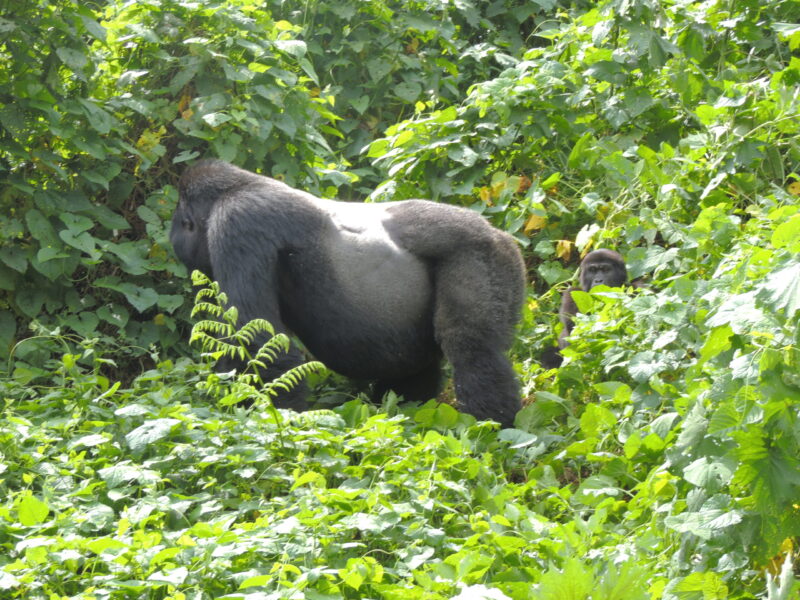
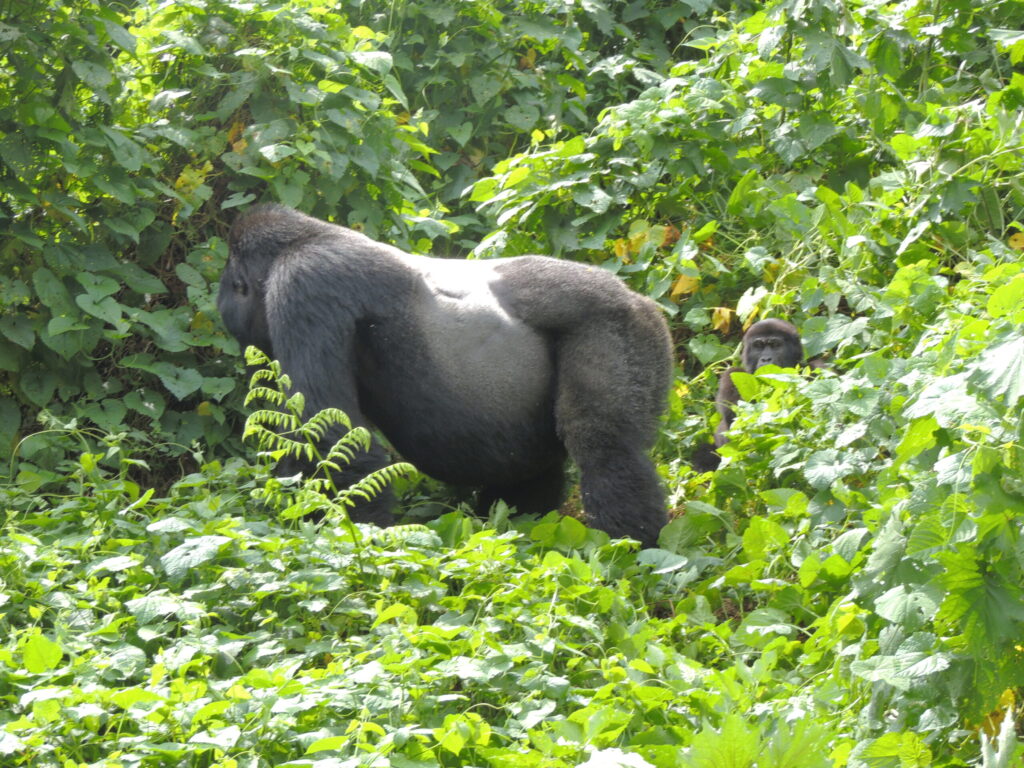
Imagine sitting on a wooden bench at the edge of Bwindi Impenetrable Forest as the sun filters through the canopy. A local guide, whose family once lived near the forest, shares not just facts about mountain gorillas but the story of how his community shifted from viewing the forest as a resource to protect to one they now steward with pride. The trek itself becomes more than wildlife viewing—it becomes a narrative of resilience, conservation, and shared futures. This is the power of storytelling in Uganda.
Uganda possesses extraordinary natural beauty, diverse cultures, and resilient people. Yet its greatest economic opportunities may lie not only in what it produces, but in how it tells its stories. Why Storytelling Is Uganda’s Untapped Economic Asset is a question worth exploring as the country positions tourism as a driver of growth. Stories shape perceptions, influence travel choices, build emotional connections, and turn visitors into advocates. For a nation rich in oral traditions, kingdoms, innovations, and everyday resilience, storytelling represents a powerful, underutilised tool for economic development, cultural preservation, and destination branding.
This article examines the role of storytelling in Uganda’s tourism industry and broader economy. It highlights opportunities, acknowledges challenges, and considers how authentic narratives can create deeper value for travellers, communities, and businesses alike.
What Do We Mean by Storytelling?
Storytelling in this context extends far beyond fairy tales. It encompasses oral traditions passed through generations, the interpretive narratives shared by tour guides, digital content created by young Ugandans, photography, film, music, cultural performances, and the personal stories travellers take home.
Effective tourism storytelling transforms raw information—facts about gorilla populations or historical kingdoms—into meaningful experiences that resonate emotionally. It helps people understand why a place matters, not just what it offers. In a world saturated with visual media, stories provide the context and humanity that make destinations memorable.
Why Stories Influence Economic Decisions
People do not buy products or experiences based on facts alone; they buy meaning, identity, and emotion. A compelling story about Uganda’s conservation efforts can turn a potential traveller into a committed visitor who chooses ethical operators. Positive narratives influence investment perceptions, encouraging businesses to see Uganda as a stable, vibrant destination.
Stories build trust and emotional connections that drive loyalty and word-of-mouth promotion. In tourism, this translates directly into higher spending, longer stays, and repeat visits. Leisure and cultural tourists, who respond strongly to well-told stories, often spend significantly more per trip.
Storytelling and Uganda’s Tourism Industry
Uganda’s tourism sector has shown strong recovery, with international arrivals reaching about 1.6 million in 2025 and earnings around UGX 5.8 trillion (approximately USD 1.62 billion). The sector contributes roughly 5.9% to GDP and supports hundreds of thousands of jobs.
Storytelling enhances key experiences:
- Gorilla trekking: Beyond the permit cost and hike, stories of community transformation and conservation success add profound meaning.
- Cultural tourism: Narratives around the Buganda Kingdom, Bunyoro history, or local culinary traditions turn visits into immersive journeys.
- Community-based tourism: Guides sharing personal or collective stories create authentic connections that benefit local economies directly.
Travellers increasingly seek meaningful, authentic experiences rather than simple checklists. Skilled storytellers—guides, community members, and content creators—elevate standard safaris into transformative encounters.
Uganda’s Hidden Story Assets
Uganda’s narrative wealth includes:
- Indigenous knowledge and kingdom histories: The legacies of Buganda, Bunyoro, Ankole, and others offer rich material for cultural tourism.
- Conservation stories: The recovery of mountain gorillas through community involvement and tourism revenue.
- Culinary and everyday traditions: From local markets to innovative entrepreneurs.
- Youth innovation and resilience: Stories of young Ugandans harnessing technology or creative arts.
- Music, dance, and regional diversity: Vibrant expressions that reflect the country’s multicultural fabric.
These assets remain underrepresented in global perceptions, which often default to generic “Pearl of Africa” imagery or focus narrowly on wildlife.
Lessons from Countries That Market Their Stories Well
Rwanda has effectively used storytelling around gorilla conservation, post-conflict transformation, and community empowerment, contributing to strong tourism growth. South Africa has invested intentionally in cultural narratives and national identity. Other destinations leverage film-induced tourism or heritage interpretation to differentiate themselves.
The common principle is coherence and authenticity: consistent, community-rooted narratives that evolve with the country rather than static slogans.
Challenges Uganda Must Address
Storytelling requires deliberate effort. Challenges include limited investment in marketing and skills development, fragmented narratives across regions, digital access barriers, and the risk of oversimplifying complex cultures. Under-documentation of heritage and skills gaps in workforce training also hinder progress.
Addressing these demands collaboration between government, private sector, communities, and creatives—without treating storytelling as a substitute for infrastructure, policy, or inclusive growth.
The Role of Young Ugandans
Young people represent Uganda’s greatest storytelling opportunity. With smartphones and accessible digital tools, bloggers, filmmakers, photographers, podcasters, and tour guides can share authentic voices globally. Storytelling creates direct employment and entrepreneurship pathways while preserving heritage for future generations.
What This Means for Businesses
For tourism operators, lodges, and related enterprises, storytelling differentiates brands, builds trust, and fosters loyalty. Sharing genuine community partnerships or conservation impacts humanises businesses and justifies premium experiences. It turns transactions into relationships.
Why It Matters for Travellers
Good storytelling transforms sightseeing into connection. Travellers gain deeper cultural appreciation, stronger memories, and a sense of contribution to positive outcomes. They leave not just with photographs, but with understanding.
Why is storytelling important to Uganda’s economy? It enhances tourism’s multiplier effect by increasing visitor spending and length of stay, supports conservation funding, creates jobs in creative and hospitality sectors, strengthens destination branding to attract investment, and empowers communities through cultural pride and economic inclusion.
Why Choose Terenga Safaris?
At Terenga Safaris, we believe travel is about connecting with meaningful stories. Our local guides are not just navigators but storytellers who share the layered histories, challenges, and hopes embedded in Uganda’s landscapes and communities. We prioritise authentic experiences, respect for cultural heritage, conservation partnerships, and journeys designed for genuine understanding.
Conclusion
Why Storytelling Is Uganda’s Untapped Economic Asset comes down to this: before the world invests in what Uganda produces, it first invests in the stories Uganda tells about itself. Storytelling alone cannot solve every economic challenge, but when combined with sound policy, infrastructure, and inclusive practices, it amplifies Uganda’s strengths in tourism, culture, and innovation.
The country’s diverse voices, resilient histories, and living traditions offer immense potential. By investing in authentic, skilled storytelling, Uganda can create richer experiences for visitors, greater opportunities for its people, and a stronger position on the global stage.
We invite you to experience these stories firsthand. Contact Terenga Safaris to explore Uganda through journeys that honour its people, wildlife, and heritage—where every path reveals not just a destination, but a deeper narrative.

5 Comments
I would really love to see more conversations like this within Africa’s tourism sector. We can learn from many industries without copying them blindly.
“As someone new to tourism, would you recommend Semuliki for beginners in birding, or should I start with another Ugandan park first?”
Semiliki would obviously provide a wonderful view regardless of whether you are a beginner or not
“This made me realise that tourism isn’t just about selling trips. It’s about designing meaningful experiences.”
That is an interesting realisation