Canoeing in Queen Elizabeth National Park
June 11, 2026
Exploring Remote Islands and Wetlands on a Uganda Birdwatching Tour
June 11, 2026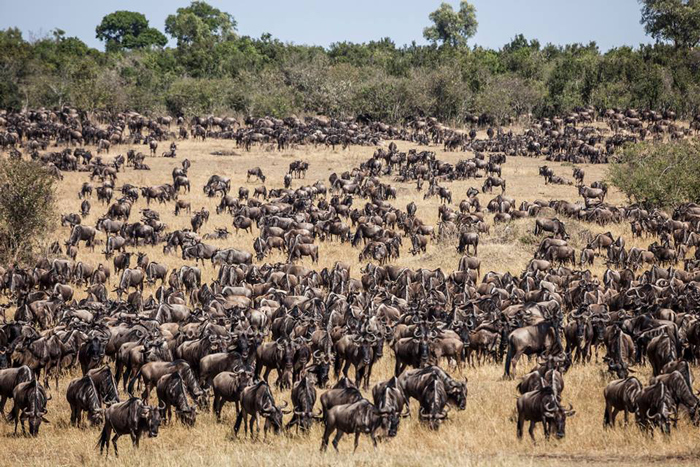
The Great Migration vs Uganda Safaris: Which Should You Choose?
Choosing between a Great Migration safari in Kenya and Tanzania and a Uganda safari experience can feel overwhelming for first-time visitors to Africa. Both promise unforgettable wildlife encounters in East Africa, yet they deliver profoundly different adventures. The Great Migration offers one of the planet’s largest and most dramatic natural spectacles, while Uganda safaris emphasise intimate primate encounters, diverse landscapes, and often fewer crowds.
Neither is universally “better” the right choice depends on your priorities, whether you seek scale and drama or closeness and exclusivity. As East African safari specialists at Terenga Safaris, we help travelers compare these iconic options to find the perfect fit for their goals, budget, and expectations. This guide breaks down the differences to support an informed decision.
What Is the Great Migration?
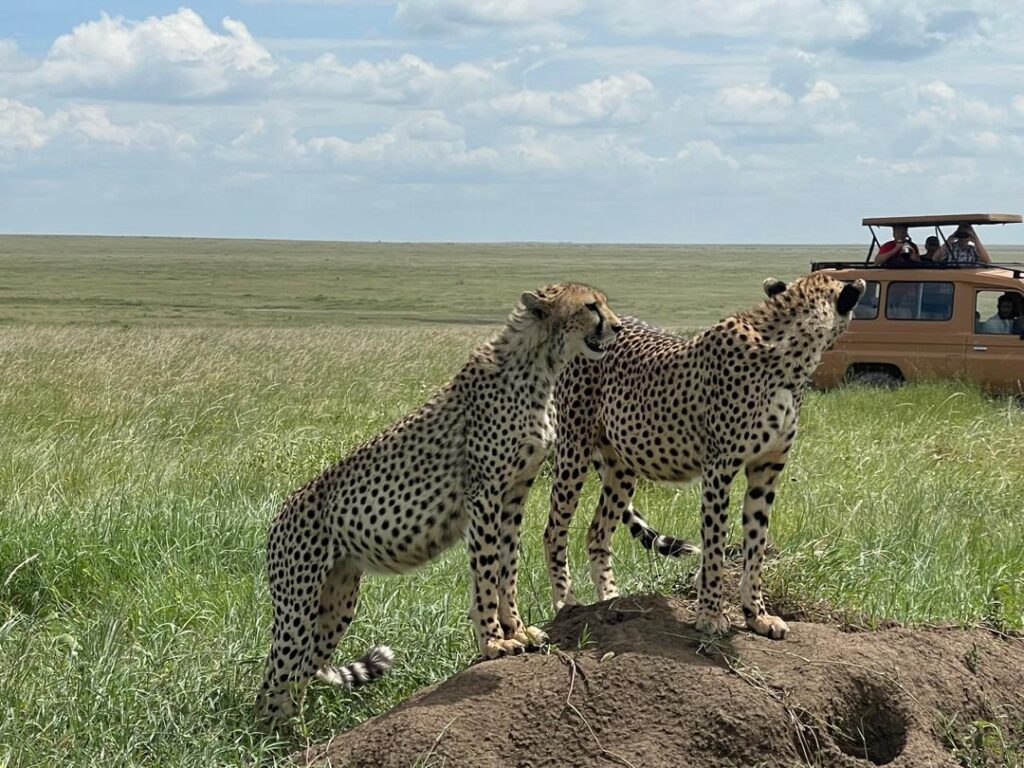
The Great Migration is the world’s largest terrestrial mammal movement. Over 1.5 million wildebeest, accompanied by hundreds of thousands of zebras and gazelles, follow a circular route across the Serengeti-Mara ecosystem in search of fresh grazing and water.
In Tanzania’s Serengeti, the herds concentrate in the south from December to March for calving season, offering predator action and newborn calves. They move northward, with dramatic river crossings (especially at the Mara River) peaking in July–October in Kenya’s Masai Mara and northern Serengeti. These crossings, where animals brave crocodiles and strong currents while big cats lurk, create high-drama photography and viewing opportunities.
This experience suits those drawn to vast savannah plains, vehicle-based game drives, and the thrill of witnessing nature’s raw power on an epic scale.
What Makes Uganda Safaris Unique?
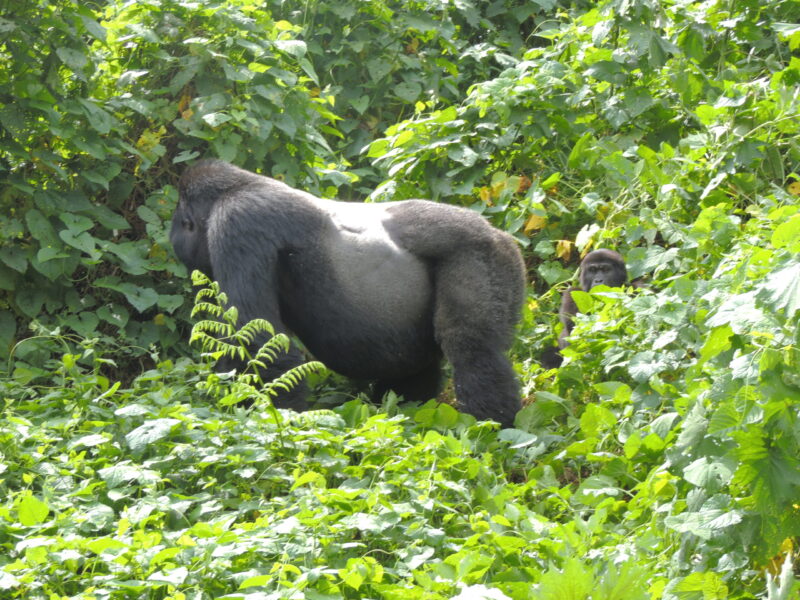
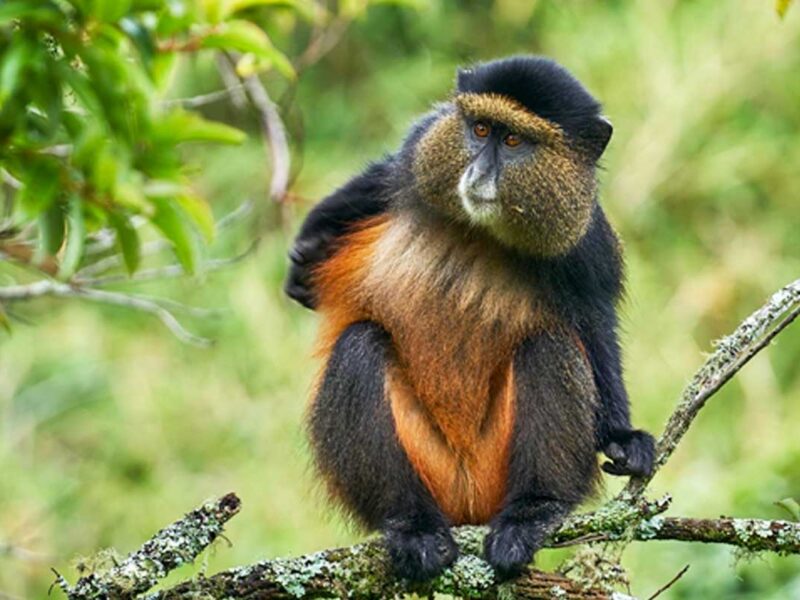
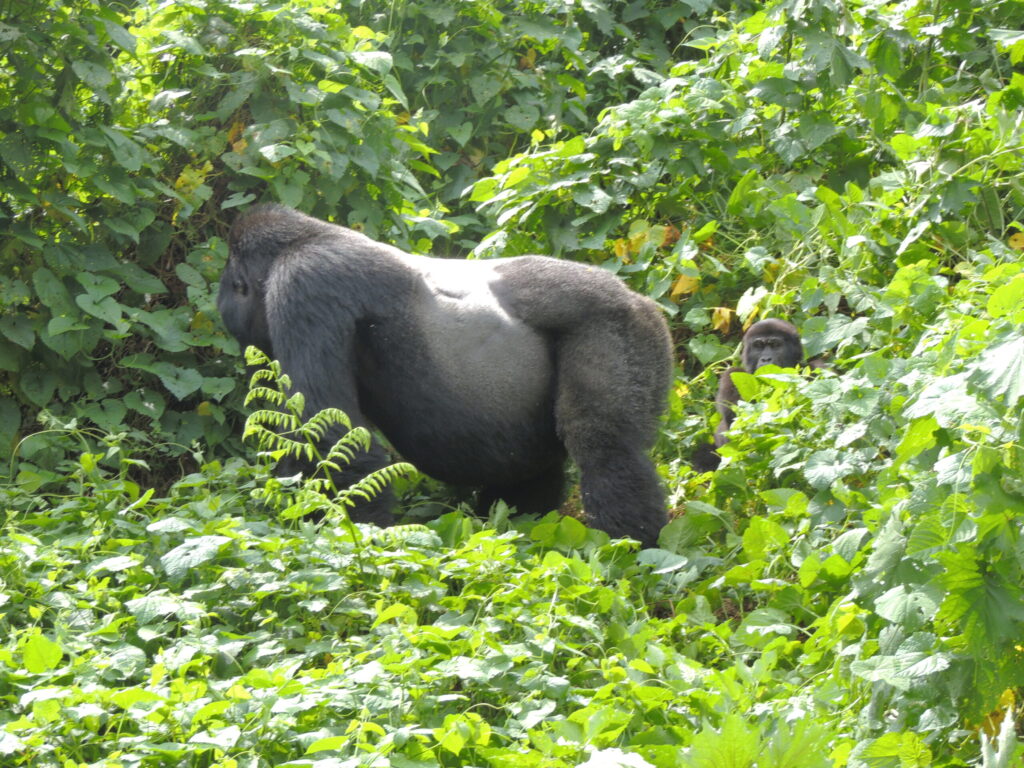
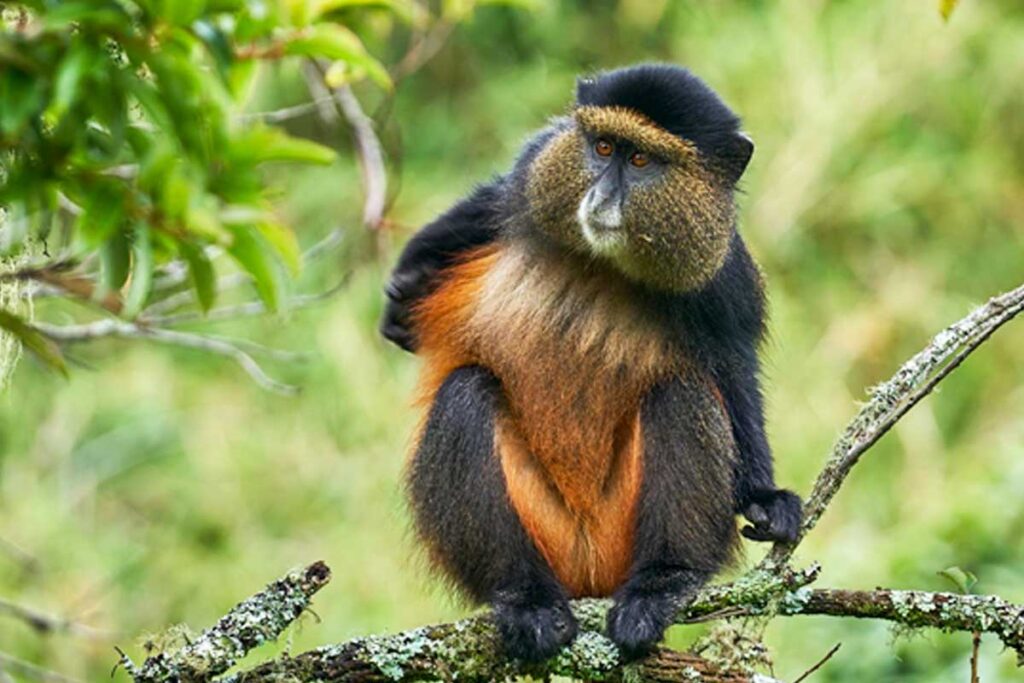
Uganda safaris deliver a more intimate and varied wildlife portfolio. The highlight is gorilla trekking in Bwindi Impenetrable National Park or Mgahinga, where you hike through misty forests to spend one precious hour with habituated mountain gorilla families. Chimpanzee tracking in Kibale Forest or other parks adds another primate dimension.
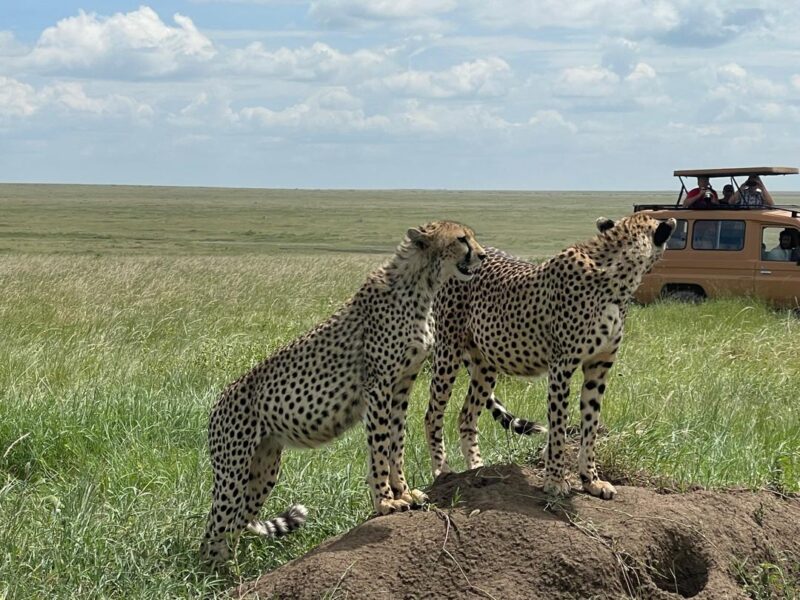
Beyond primates, Uganda offers Big Five viewing (lion, leopard, elephant, buffalo, rhino) in parks like Queen Elizabeth, Murchison Falls, and Kidepo Valley. Unique activities include boat safaris on the Nile or Kazinga Channel, walking safaris, and tree-climbing lions in Ishasha. Diverse landscapes range from dense rainforests and volcanic mountains to open savannahs and waterfalls.
With generally lower visitor numbers outside peak gorilla seasons, encounters often feel more personal and authentic.
Side-by-Side Comparison
| Category | Great Migration Safari | Uganda Safari Experience |
|---|---|---|
| Signature Wildlife | Massive wildebeest herds, river crossings, predators | Mountain gorillas, chimpanzees, Big Five, tree-climbing lions |
| Best for First-Timers | Excellent for classic safari views | Ideal if seeking intimate, active experiences |
| Crowd Levels | High during peak (Jul–Oct) | Generally lower, especially outside Bwindi |
| Typical Costs (per person, mid-range, 7 days) | $3,500–$7,000+ (higher in peak) | $2,500–$6,000+ (gorilla permit adds significantly) |
| Adventure Level | Vehicle-based with some walking | Hiking/trekking focused, physical demands higher |
| Luxury Options | Abundant luxury camps in Mara/Serengeti | Growing luxury lodges, especially near Bwindi |
| Photography | Epic landscapes and action shots | Close-up portraits, forest light, behaviour |
| Family Suitability | Good (vehicle-based) | Variable (treks have age/fitness minimums) |
| Travel Style | Open savannah drives | Forest hikes, boats, cultural encounters |
| Conservation | Supports vast ecosystem migration | Directly funds gorilla protection |
Wildlife Encounters: Spectacle vs Intimacy
The Great Migration delivers spectacle through sheer numbers and drama. Watching thousands of animals surge across plains or rivers creates a sense of awe at nature’s scale.
Uganda offers intimacy. Standing metres from a silverback gorilla or watching a chimp troop forage fosters a profound emotional connection. These experiences feel personal rather than observational.
Many travellers value both: the Migration’s grandeur and Uganda’s closeness. They complement rather than compete.
Cost Comparison
Great Migration safaris (Kenya/Tanzania) typically range from $350–$600+ per person per day for mid-range, rising in peak season due to high demand and park fees. A 7-day trip might cost $3,500–$8,000+ per person, excluding international flights.
Uganda safaris often prove more affordable overall, with daily rates starting lower, but the $800 gorilla permit (foreign non-resident, 2026) is a significant one-time cost. A 5–7 day gorilla-focused trip typically ranges $2,500–$6,000+ per person. Chimp permits add $200–$250. Low-season discounts on some permits can help.
Factors affecting cost include accommodation tier, group size, internal flights, and season. Multi-country trips increase the budget but maximise variety.
Which Safari Is Best for Different Travellers?
- First-time safari travellers: Great Migration for the “classic” experience; Uganda if you prefer active, primate-focused adventures.
- Wildlife photographers: Migration for action and landscapes; Uganda for intimate portraits.
- Honeymoon couples: Both work well—Migration for romance in luxury camps, Uganda for exclusivity.
- Families: Migration generally easier (vehicle-based); check Uganda age restrictions for treks.
- Adventure seekers: Uganda’s trekking and walking safaris.
- Budget-conscious: Uganda often edges out on value, especially off-peak.
- Luxury travellers: Both offer superb high-end options.
- Repeat visitors: Uganda for new primate experiences after seeing the Migration.
Can You Experience Both?
Absolutely. Many of our clients combine them in a 10–14 day multi-country itinerary. Fly from Entebbe (Uganda) to Nairobi or Arusha for seamless connections. A sample route: gorilla trekking in Bwindi, then fly to Serengeti/Mara for Migration action. This delivers primates, Big Five, and spectacle in one unforgettable trip.
Frequently Asked Questions
Is Uganda cheaper than a Great Migration safari? Often yes for the overall experience, though gorilla permits add upfront cost. Uganda generally offers better value outside peak primate seasons.
Which offers better wildlife viewing? It depends: Migration for volume and drama; Uganda for diversity and intimacy. Both deliver excellent sightings.
Is gorilla trekking worth it? For most, yes—the emotional impact is profound and supports conservation.
What is the best time to visit? Great Migration: July–October for crossings (peak crowds). Uganda: June–September and December–February for drier trekking conditions.
Which is more exclusive? Uganda, with stricter limits on gorilla trekking groups.
Can children participate? Migration: Yes, often from age 5+. Uganda gorilla treks: Usually minimum age 15 (check operators).
Why Choose Terenga Safaris?
With deep expertise across Kenya, Tanzania, and Uganda, Terenga Safaris crafts tailor-made itineraries that match your interests, fitness level, and budget. Our local guides, responsible tourism commitment, and honest advice ensure authentic, sustainable experiences—whether focusing on one destination or combining both.
Conclusion
The Great Migration thrills with scale and spectacle, while Uganda safaris (including gorilla trekking) offer intimate, diverse encounters in stunning settings. The best choice aligns with what excites you most: dramatic herds or close gorilla moments. Many find the ultimate answer lies in experiencing elements of both.
Contact Terenga Safaris today for a personalised recommendation. Share your travel dates, group size, interests, and budget, and we’ll design the East Africa safari of a lifetime.