Accommodation in Kibale National Park
March 4, 2026
what of Accommodation Available in Uganda’s Tourism sector?
March 9, 2026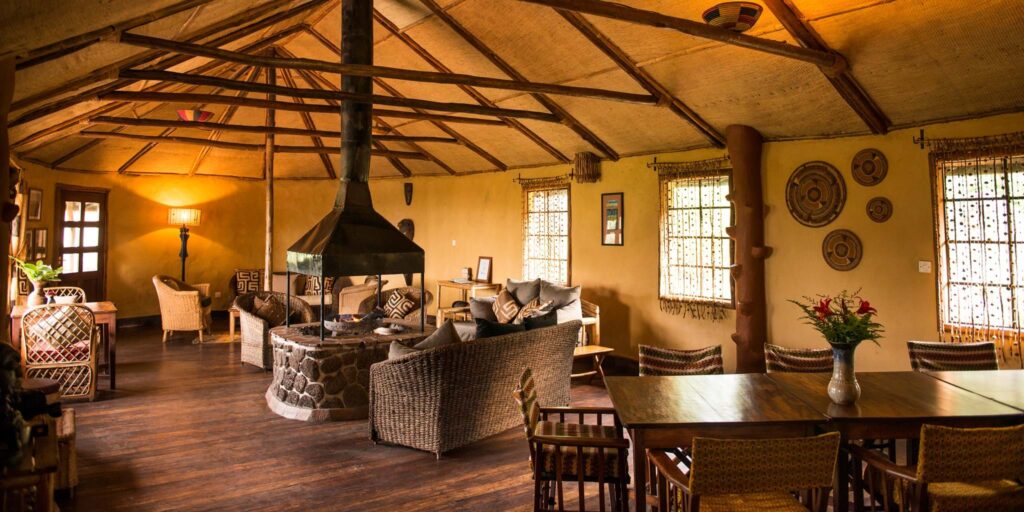
Luxury Accommodation in Uganda’s Tourism Sector
Introduction
Uganda’s tourism industry has grown steadily over the last twenty years, largely due to the country’s remarkable natural attractions, rich biodiversity, and vibrant cultural heritage. Often referred to as the “Pearl of Africa,” Uganda attracts visitors from around the world who are interested in adventure tourism, wildlife viewing, and authentic cultural experiences. As tourism continues to develop, luxury accommodation has become an important aspect of the country’s hospitality sector, offering high-quality services and comfortable environments for both international and local travelers.
Luxury lodges, safari camps, and boutique hotels have been developed near key tourism attractions such as national parks, wildlife reserves, and scenic landscapes. These facilities provide visitors with exclusive and memorable experiences while allowing them to explore Uganda’s unique wildlife, including mountain gorillas, chimpanzees, elephants, and numerous bird species. By combining comfort, sustainability, and close interaction with nature, luxury accommodation plays an essential role in strengthening Uganda’s position as a competitive tourism destination.
Growth of Luxury Accommodation in Uganda
The expansion of luxury accommodation in Uganda is closely associated with the growing global interest in high-end safari tourism. Many travelers visiting Uganda seek unique and exclusive activities such as gorilla trekking, chimpanzee tracking, bird watching, and wildlife safaris. To meet the expectations of this market segment, the hospitality industry has invested significantly in upscale lodges and resorts located near major tourist attractions.
Several luxury safari lodges have been established around well-known national parks including Bwindi Impenetrable National Park, Murchison Falls National Park, Queen Elizabeth National Park, and Kidepo Valley National Park. These establishments offer premium amenities such as spacious suites, fine dining experiences, spa services, and personalized tour arrangements. The increasing presence of such facilities demonstrates Uganda’s efforts to improve tourism infrastructure and attract visitors who are willing to spend more on quality travel experiences.
Furthermore, the growth of luxury accommodation aligns with government strategies aimed at promoting Uganda as a high-value tourism destination rather than focusing solely on mass tourism.
Types of Luxury Accommodation in Uganda
1. Luxury Safari Lodges
Luxury safari lodges are among the most common forms of high-end accommodation in Uganda. These lodges are usually located within or close to national parks, enabling tourists to enjoy wildlife viewing and nature-based activities while staying in comfortable and well-equipped facilities.
For instance, Apoka Safari Lodge in Kidepo Valley National Park provides spacious cottages with outdoor bathtubs overlooking the savannah, giving guests a unique opportunity to observe wildlife in a serene setting. Similarly, Mihingo Lodge near Lake Mburo National Park is built on a rocky hill and offers stunning panoramic views of the surrounding landscape. The lodge features luxury tented rooms and organizes guided safaris for visitors.
These lodges combine luxury hospitality with outdoor experiences such as game drives, nature walks, bird watching, and cultural tours, allowing visitors to fully appreciate Uganda’s natural environment.
2. Gorilla Trekking Luxury Camps
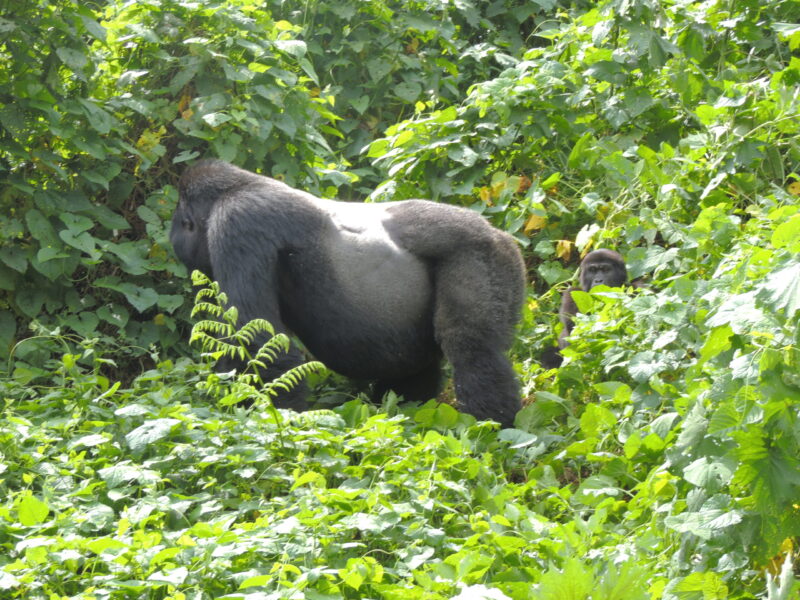
Uganda is internationally recognized for mountain gorilla trekking, particularly in Bwindi Impenetrable National Park and Mgahinga Gorilla National Park. Due to the popularity of this activity, several luxury camps have been developed to cater specifically to travelers who visit these regions.
High-end accommodations such as Sanctuary Gorilla Forest Camp and Clouds Mountain Gorilla Lodge provide elegant suites located close to gorilla trekking trails. These lodges offer spacious cottages, personalized services, gourmet cuisine, and spectacular views of the surrounding forest. Their proximity to trekking areas ensures convenient access for tourists participating in gorilla tracking activities.
Many of these camps are designed with eco-friendly features that blend harmoniously with the rainforest environment while maintaining a high standard of comfort.
3. Boutique Eco-Luxury Lodges
Another emerging category within Uganda’s luxury accommodation sector is boutique eco-luxury lodges. These establishments combine environmental sustainability with premium hospitality services. They are often situated in picturesque locations such as crater lakes, forests, or mountainous regions.
Examples include Kyaninga Safari Lodge and Ndali Safari Lodge located near Kibale National Park. Kyaninga Safari Lodge overlooks a beautiful crater lake and offers breathtaking views of the Rwenzori Mountains, while Ndali Safari Lodge sits on the rim of an extinct volcano surrounded by lush vegetation.
These lodges emphasize environmentally responsible practices such as the use of eco-friendly building materials, renewable energy sources, and support for community-based tourism initiatives.
Key Features of Luxury Accommodation
Luxury accommodation in Uganda is characterized by several important features.
High-quality facilities:
Luxury lodges provide spacious rooms or cottages, private balconies, swimming pools, spa services, fine dining restaurants, and personalized customer service to ensure guests enjoy a comfortable and memorable stay.
Prime locations:
Many luxury establishments are located in scenic areas or close to wildlife habitats. Such locations allow visitors to enjoy beautiful landscapes and easy access to major tourism attractions.
Exclusive wildlife experiences:
Guests staying at luxury lodges can participate in various guided activities including wildlife safaris, gorilla trekking, chimpanzee tracking, boat cruises, and bird watching excursions led by experienced guides.
Sustainability and conservation:
Most luxury lodges promote eco-tourism by minimizing environmental impact, supporting conservation initiatives, and collaborating with local communities.
Contribution to Uganda’s Tourism Sector
Luxury accommodation contributes significantly to the development of Uganda’s tourism industry in several ways.
Economic contribution:
High-end lodges generate substantial revenue through accommodation services, park entrance fees, and tourism-related activities. They also contribute to foreign exchange earnings and overall economic development.
Employment creation:
Luxury lodges create job opportunities for local communities in areas such as hospitality services, tour guiding, catering, maintenance, and cultural entertainment.
Conservation support:
Many luxury tourism establishments support wildlife conservation efforts by funding anti-poaching initiatives, supporting research programs, and promoting environmental awareness.
Community development:
Tourism businesses often invest in community projects including schools, healthcare services, and clean water initiatives, thereby improving the welfare of local populations.
Challenges Facing Luxury Accommodation
Despite its growth, the luxury accommodation sector in Uganda faces several challenges. These include limited infrastructure in some remote tourism areas, high operational costs due to transportation and logistics, seasonal fluctuations in tourist arrivals, and competition from neighboring tourism destinations such as Kenya and Tanzania.
Addressing these challenges requires continued investment in infrastructure development, effective tourism marketing strategies, and policies that promote sustainable tourism growth.
Luxury accommodation has become a vital component of Uganda’s tourism industry, providing visitors with comfort, exclusivity, and close interaction with nature. From upscale safari lodges located in national parks to eco-friendly boutique resorts near forests and crater lakes, these establishments enhance Uganda’s reputation as a high-quality travel destination.
In addition to offering exceptional experiences for tourists, luxury lodges contribute to economic development, environmental conservation, and community empowerment. With ongoing investment and sustainable management practices, luxury accommodation will continue to play an important role in strengthening Uganda’s tourism sector and promoting the country as a leading safari destination in Africa.