What Is the Cost of a Balloon Safari?
January 28, 2026
What Is the Difference Between the Grumeti Crossing and the Mara River Crossing?
January 28, 2026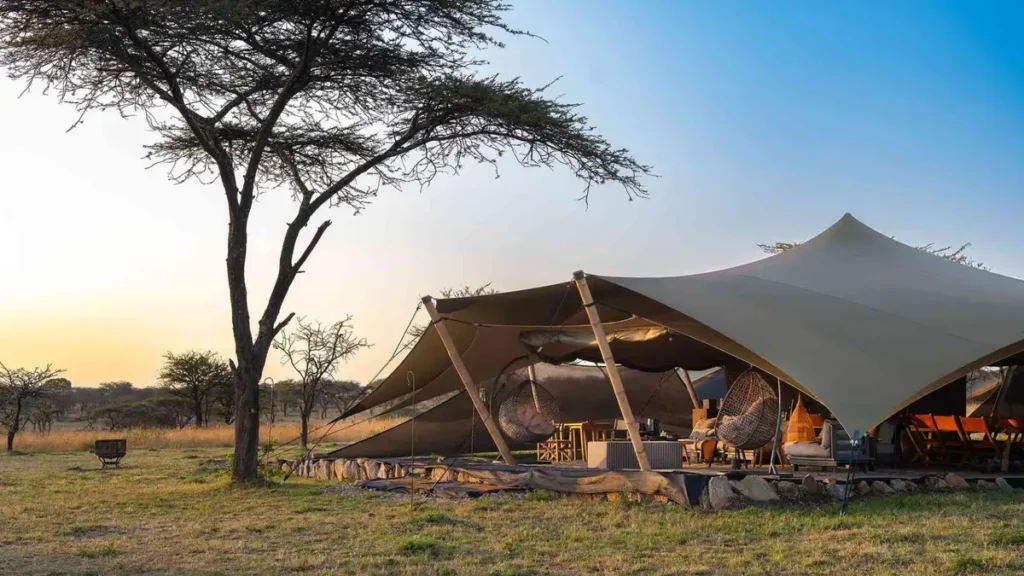
What Is the Difference Between Lodges, Camps, and Hotels?
Kenya and Uganda Safaris: What Is the Difference Between Lodges, Camps, and Hotels? is a common question among travelers seeking a perfect safari experience in East Africa. Selecting the right accommodation is essential for enhancing wildlife encounters, cultural immersion, and overall comfort during Kenya Safaris, Uganda Safaris, and other safari experiences offered by Terenga Safaris. While lodges, camps, and hotels all provide shelter, each offers a distinct ambiance, proximity to wildlife, and level of immersion in nature. Understanding these differences allows travelers to align their accommodation choices with expectations, budget, and preferred safari style. Lodges typically offer permanent structures with modern amenities, private bathrooms, and scenic views overlooking rivers, plains, or forest reserves. Camps, often tented, provide a closer connection to nature, allowing guests to wake up to the sounds of wildlife, while hotels—usually located in urban areas or near airports—offer convenience, comfort, and easy access before or after safari excursions. Terenga Safaris integrates all these accommodation types into tailored itineraries, combining Kenya Birding Safaris, Kenya Cultural Safaris, Uganda Birding Safaris, Gorilla Trekking Safaris, and Chimpanzee Safaris with thoughtfully selected lodging to ensure an unforgettable East African experience.
How Do Lodges Enhance the Safari Experience?
Kenya and Uganda Safaris: What Is the Difference Between Lodges, Camps, and Hotels? often leads travelers to choose lodges for their comfort and strategic locations. Lodges are permanent structures designed to maximize scenic beauty and provide amenities such as swimming pools, restaurants, guided safari services, and private balconies. In Kenya, lodges in Maasai Mara or Amboseli National Park allow guests to experience Kenya Best Safaris and Kenya Great Migration Safaris while staying within close proximity to wildlife corridors. Similarly, Uganda lodges in Bwindi Impenetrable Forest or Queen Elizabeth National Park complement Gorilla Trekking Safaris and Chimpanzee Safaris, offering luxurious yet immersive stays that balance comfort with nature.
Lodges also facilitate cultural experiences. Travelers may engage with local communities such as the Maasai People, observe traditional dances, participate in craft-making workshops, or learn about community-led conservation initiatives. Guests can reach these lodges via chartered flights, private transfers, or well-maintained safari roads, ensuring convenience and safety. Costs for lodge accommodation vary widely depending on location, facilities, and exclusivity, with nightly rates ranging from USD 200 to USD 800 per person. Terenga Safaris recommends lodges for travelers who prioritize comfort, high-quality services, and easy access to wildlife while enjoying authentic cultural and natural experiences.
What Makes Safari Camps Unique?
Kenya and Uganda Safaris: What Is the Difference Between Lodges, Camps, and Hotels? is best understood by exploring the immersive qualities of safari camps. Camps are typically semi-permanent or mobile, offering a more authentic and close-to-nature experience. Guests sleep in well-equipped tents, often with en-suite facilities, while hearing the sounds of wildlife around them—a sensory encounter not possible in urban hotels. In Kenya, camps located in Maasai Mara, Amboseli, or Laikipia offer exceptional wildlife viewing during Kenya Great Migration Safaris and Kenya Birding Safaris. In Uganda, camps in Kibale Forest or Bwindi Impenetrable Forest provide prime bases for Chimpanzee Safaris and Gorilla Trekking Safaris, blending adventure with tranquility.
Safari camps encourage active participation in cultural and natural experiences. Visitors may join local herding activities with the Maasai People, learn about conservation projects, or assist in guided forest walks. Reaching these camps usually involves 4×4 vehicles, sometimes coupled with light air transfers, ensuring access to remote areas without compromising safety. Camp experiences range from USD 150 to USD 500 per night, depending on exclusivity and the number of included safari activities. Terenga Safaris integrates camps seamlessly into multi-destination itineraries, offering travelers the opportunity to combine Uganda Gorilla Trekking with Kenyan wildlife excursions, creating an authentic, adventure-rich safari tailored to individual preferences.
How Do Hotels Differ from Lodges and Camps?
Kenya and Uganda Safaris: What Is the Difference Between Lodges, Camps, and Hotels? also includes the role of hotels in safari itineraries. Hotels, usually situated in cities like Nairobi, Kampala, or Entebbe, provide comfort, convenience, and easy access to airports or urban attractions. They are ideal for pre- or post-safari stays, offering high-standard amenities such as fine dining, business centers, and luxury suites. Travelers opting for hotels may supplement their Kenya Cultural Safaris or Uganda Birding Safaris with excursions into nearby parks, combining the comfort of urban accommodations with short wildlife adventures.
Hotels allow travelers to rest, refresh, and prepare for longer safari trips. For instance, a Nairobi hotel stay before embarking on Kenya Great Migration Safaris ensures readiness for early morning game drives in Maasai Mara. Similarly, a Kampala hotel stay can be convenient before venturing into Bwindi for gorilla tracking. Costs vary depending on hotel class, typically ranging from USD 100 to USD 500 per night. Terenga Safaris emphasizes that while hotels offer comfort and accessibility, they lack the immersive nature experience that lodges and camps provide. For travelers seeking cultural and wildlife depth, combining hotels with lodge and camp stays ensures a balanced and enriching safari experience.
When Should Travelers Book and How Do They Choose the Right Accommodation?
Kenya and Uganda Safaris: What Is the Difference Between Lodges, Camps, and Hotels? cannot be fully appreciated without understanding booking strategies. Early reservations, ideally six to twelve months in advance, secure prime lodge and camp locations, especially during peak seasons for Kenya Great Migration Safaris and Gorilla Trekking Safaris in Uganda. Terenga Safaris recommends planning itineraries that combine diverse accommodation types, allowing guests to experience urban convenience, wilderness immersion, and luxurious comfort in one journey.
Choosing between lodges, camps, and hotels depends on the safari type, personal comfort preferences, and cultural engagement goals. For instance, wildlife enthusiasts may prioritize tented camps in remote Maasai Mara areas, while culturally curious travelers might prefer lodges that offer Kenya Cultural Safaris and local Maasai interactions. Travelers can also combine Uganda gorilla trekking with Kenyan wildlife tours, enhancing both adventure and education. Terenga Safaris provides tailored recommendations, ensuring that each stay aligns with expectations, budget, and desired level of immersion. This approach reinforces their reputation as an authoritative and trustworthy guide for East African safari experiences.
