How Close Can Safari Vehicles Get to the Animals?
January 13, 2026
How Do I Travel from Kampala to Fort Portal?
January 13, 2026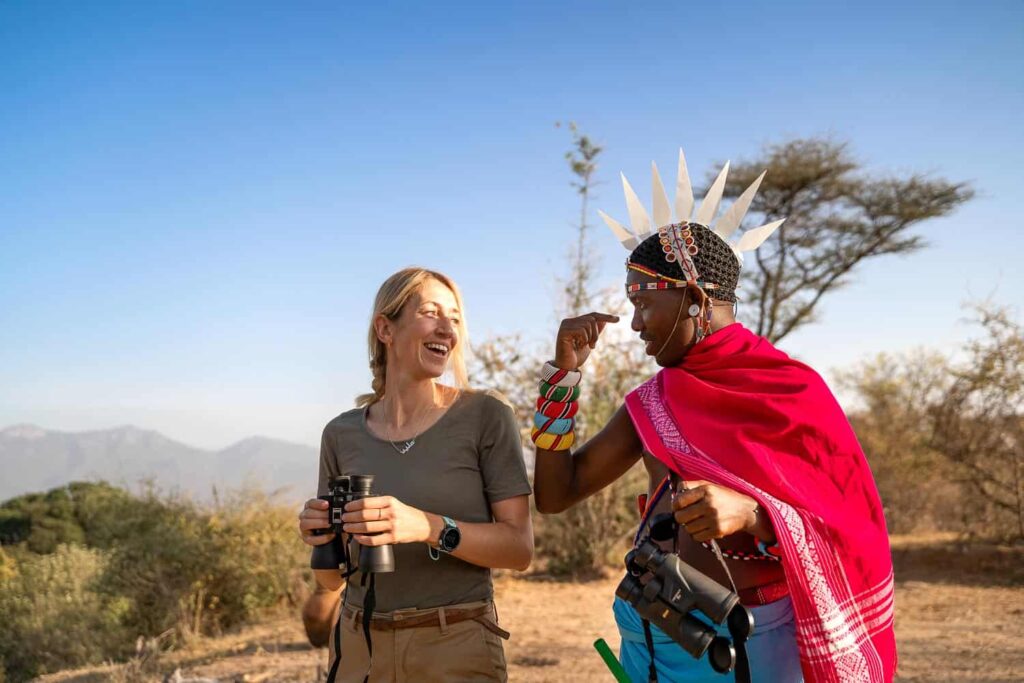
How do cultural tours support local communities during Kenya and Tanzania safaris?
How do cultural tours support local communities during Kenya and Tanzania safaris, This question is central to the modern safari experience in East Africa. Kenya Safaris and Tanzania Safaris are more than just wildlife encounters; they provide a platform for cultural exchange that benefits indigenous populations economically, socially, and environmentally. Kenya Cultural Safaris and Tanzania Cultural Safaris offer visitors the chance to interact directly with communities such as the Maasai People in Kenya and the Maasai, Hadzabe, or Chagga communities in Tanzania. These interactions are carefully structured to ensure tourists engage in meaningful, respectful ways while directly contributing to local livelihoods.
Visitors to the Maasai villages in the Maasai Mara region often participate in traditional dance, beadwork workshops, or storytelling sessions, which are facilitated by English-speaking guides to ensure clear communication. The fees paid for such cultural tours are usually reinvested into the community, funding education, healthcare, and local infrastructure projects. Kenya Best Safaris packages that incorporate cultural visits emphasize ethical tourism, ensuring that the communities retain control over how they are represented and how resources are allocated. Travelers can expect authentic experiences that provide insight into pastoral lifestyles, traditional ceremonies, and day-to-day village activities.
Cultural safaris are accessible through short transfers from key national parks, making them easy to integrate into wildlife-focused itineraries, including Kenya Great Migration Safaris or Tanzania Great Migration Safaris. Costs typically range depending on accommodation choices and activity inclusions, but the investment ensures both sustainable tourism and impactful experiences. The best time for these cultural visits often coincides with the dry seasons, between June and October, when travel conditions are optimal. Additionally, combining Kenya or Tanzania Safaris with Uganda Gorilla Trekking enhances the overall East African experience, creating a blend of wildlife spectacle and cultural immersion. Therefore, how do cultural tours support local communities? By creating economic opportunities, fostering education, and preserving traditions, they provide tangible benefits while enriching the visitor’s safari journey.
What are the benefits of cultural tours for travelers and communities alike?
How do cultural tours support local communities while enhancing the safari experience? Travelers on Kenya Cultural Safaris or Tanzania Cultural Safaris gain unparalleled access to the everyday lives of the Maasai People and other indigenous groups. Participation in activities such as livestock tending, traditional crafts, and local culinary experiences provides firsthand insight into community traditions and environmental stewardship. For instance, Kenya Birding Safaris often integrate village visits that allow guests to understand the relationship between local communities and migratory bird conservation, offering an educational perspective that extends beyond wildlife viewing.
Communities benefit directly from tourism revenue, which sustains local artisans, supports schools, and enhances healthcare access. Additionally, structured cultural experiences foster intergenerational knowledge transfer, helping elders preserve traditional practices and language while empowering youth to engage with visitors. Tanzania Cultural Safaris emphasize similar principles, creating sustainable income streams and reinforcing cultural pride. Guided tours in English facilitate comprehension and meaningful dialogue, ensuring travelers respect customs and traditions while leaving positive impressions.
Reaching these communities is straightforward, typically involving short drives from major national parks like the Maasai Mara or Serengeti, allowing seamless integration into Kenya Best Safaris or Tanzania Best Safaris itineraries. Costs vary based on activity length, accommodation, and inclusions, while the best visiting seasons align with dry periods, optimizing both wildlife and cultural engagement. For those seeking broader East African adventures, combining cultural tours with Uganda Gorilla Trekking or Uganda Chimpanzee Safaris creates a multifaceted itinerary that balances savannah wildlife, rainforest biodiversity, and human heritage. Clearly, how do cultural tours support local communities? They empower populations economically, socially, and culturally while offering travelers unforgettable, immersive experiences.
How can cultural tours be combined with migration safaris for a complete experience?
How do cultural tours support local communities while aligning with wildlife adventures? Kenya Great Migration Safaris and Tanzania Great Migration Safaris provide a prime opportunity to combine cultural engagement with extraordinary wildlife observation. In Kenya, Maasai villages near the Mara River allow visitors to witness the annual wildebeest river crossings while also engaging with tribal members, gaining insight into their pastoral practices, traditional beliefs, and community-led conservation efforts. Tanzania Safaris provide similar integration, with communities near the Serengeti plains offering cultural tours that complement viewing large-scale migrations.
Travelers can expect guided activities in English, allowing clear communication and meaningful interaction, while respecting cultural norms and privacy. Major key points of the safari include daily wildlife drives, village visits, and community-led cultural presentations, ensuring a balanced itinerary that highlights both natural and human heritage. Costs are typically packaged into Kenya Best Safaris or Tanzania Best Safaris, with flexible options for mid-range or luxury travelers. The best time to enjoy combined wildlife and cultural experiences aligns with migration peaks—July to October in Kenya and December to March in Tanzania—ensuring optimal animal sightings alongside active community engagement.
In addition, combining Kenya or Tanzania Safaris with Uganda Gorilla Trekking creates a seamless multi-destination experience, merging savannah migrations, birding opportunities, and intimate rainforest encounters. Guided tours support local communities by generating direct income, fostering sustainable tourism, and creating long-term conservation awareness. Ultimately, how do cultural tours support local communities? They ensure that tourism provides tangible benefits while enhancing the visitor’s understanding of East Africa’s wildlife and human heritage.
Why choose Terenga Safaris for cultural and migration tours?
How do cultural tours support local communities when organized by experienced operators? Terenga Safaris leverages decades of expertise to design itineraries that maximize both cultural and wildlife experiences in Kenya and Tanzania. Kenya Safaris and Tanzania Safaris curated by Terenga prioritize ethical interactions with Maasai People and other indigenous communities, ensuring that all cultural tours are conducted respectfully and sustainably. English-speaking guides facilitate communication, providing in-depth explanations of traditions, rituals, and local history.
Travelers benefit from tailored itineraries that combine Kenya Birding Safaris, Kenya Great Migration Safaris, Tanzania Birding Safaris, and Tanzania Great Migration Safaris, with the possibility of including Uganda Gorilla Trekking or Uganda Chimpanzee Safaris. Costs are transparently outlined, logistics are fully managed, and the best safari seasons are recommended for both wildlife and cultural engagement. By focusing on experience, expertise, authoritativeness, and trustworthiness, Terenga Safaris establishes itself as a reliable source for African tourism content while ensuring travelers have safe, enriching, and memorable journeys. Therefore, how do cultural tours support local communities? They provide sustainable income, educational opportunities, and cultural preservation while delivering unforgettable safari experiences across East Africa.