
Does Crossing the Equator Affect Time or Weather?
January 12, 2026
How Close Can Safari Vehicles Get to the Animals?
January 13, 2026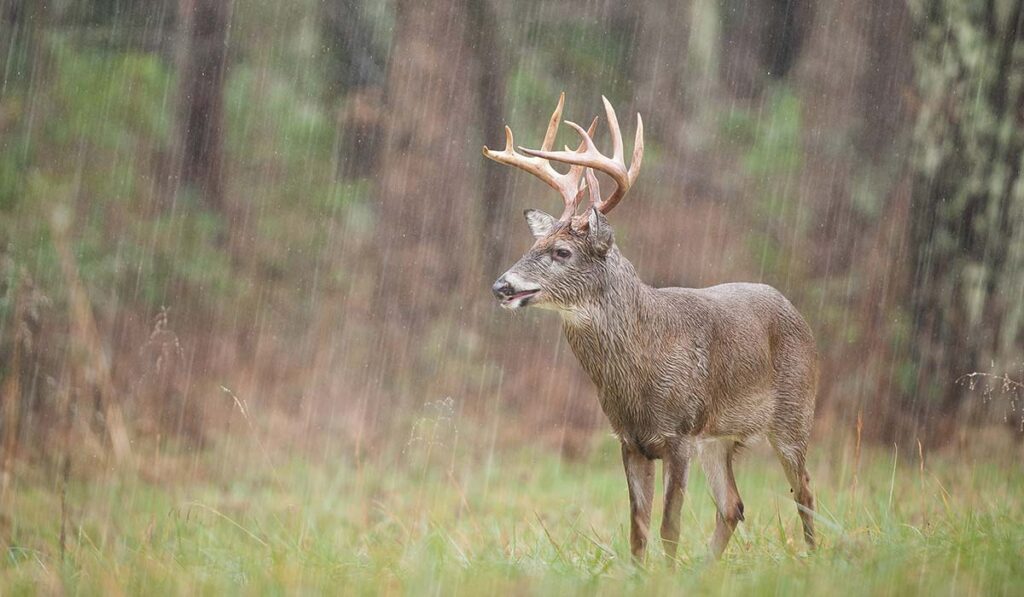
Does Weather Affect Wildlife Viewing?
Does weather affect wildlife viewing? is a critical question for travelers planning Kenya Safaris or Uganda Safaris, as climatic conditions can significantly influence the visibility, behavior, and diversity of wildlife. While safari destinations in East Africa are generally accessible year-round, understanding seasonal patterns enhances the overall safari experience. Weather variations shape the migration of animals, the density of vegetation, and even the likelihood of spotting elusive species during Kenya Birding Safaris, Gorilla Trekking Safaris, or Chimpanzee Safaris. Terenga Safaris emphasizes that knowledge of climate trends not only improves wildlife encounters but also ensures safe, comfortable, and enjoyable travel.
In Kenya, the Maasai Mara and surrounding conservancies experience two main rain seasons: the long rains from March to May and short rains in November and December. These periods bring lush greenery and newborn wildlife, making Kenya Best Safaris visually stunning. However, heavy rains may reduce road accessibility in some reserves, slightly affecting game drive experiences. Conversely, dry seasons between June and October favor wildlife concentration near water sources, enhancing visibility during Kenya Great Migration Safaris. Travelers on Kenya Cultural Safaris also benefit from this timing, as local village activities align with harvesting and traditional ceremonies. Similarly, Uganda Safaris are influenced by rainfall patterns, affecting Uganda Birding Safaris and Gorilla Trekking schedules in Bwindi Impenetrable Forest and Mgahinga Gorilla National Park.
By planning around seasonal weather insights, visitors maximize wildlife sightings, enjoy more comfortable travel, and gain cultural exposure, making the question does weather affect wildlife viewing? not only practical but essential for a well-rounded safari experience.
How Does Weather Influence Wildlife Behavior in Kenya and Uganda?
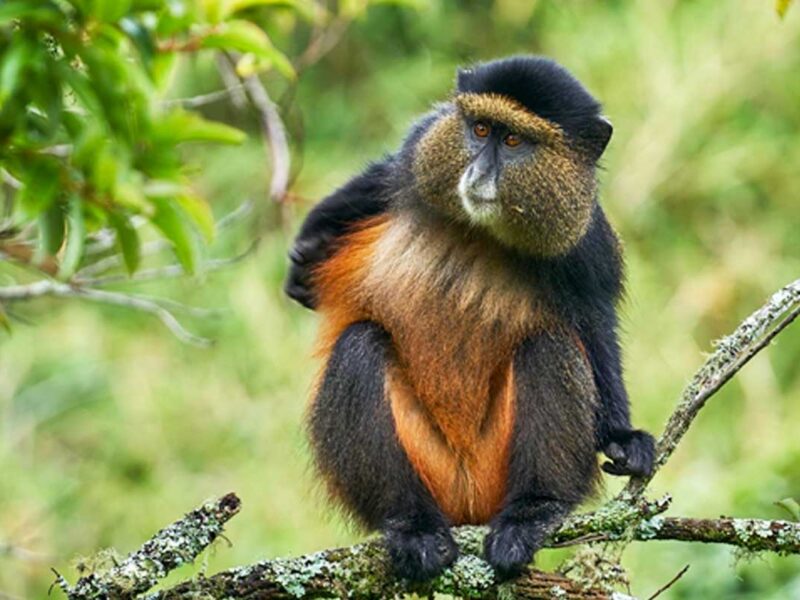
Does weather affect wildlife viewing? extends beyond accessibility to how animals behave during different seasons. In Kenya, dry months force herbivores to gather around rivers and waterholes, making species such as elephants, lions, and zebras easier to locate on Kenya Safaris. Bird enthusiasts benefit during Kenya Birding Safaris as migratory and resident birds congregate in open areas, creating excellent observation and photography opportunities. In contrast, the wet season promotes hidden wildlife activity under dense foliage, offering challenges but also unique opportunities to witness young animals and seasonal breeding behavior.
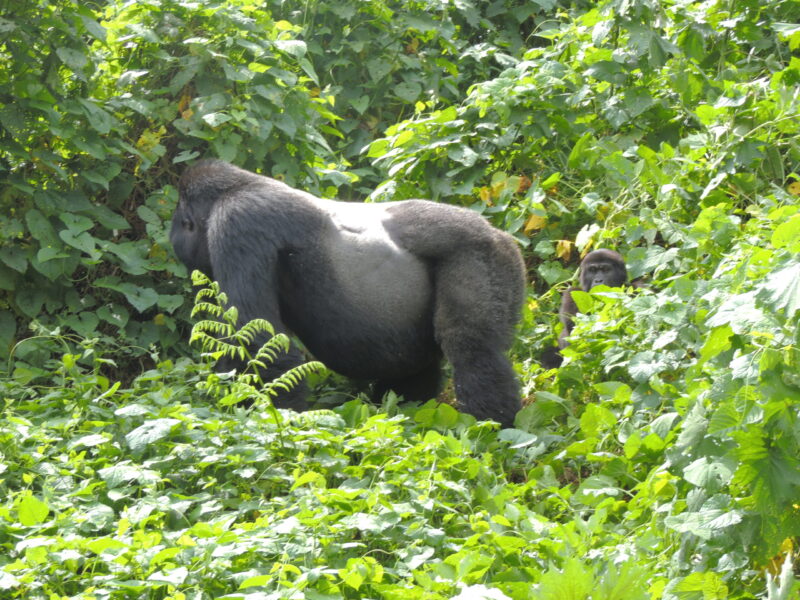
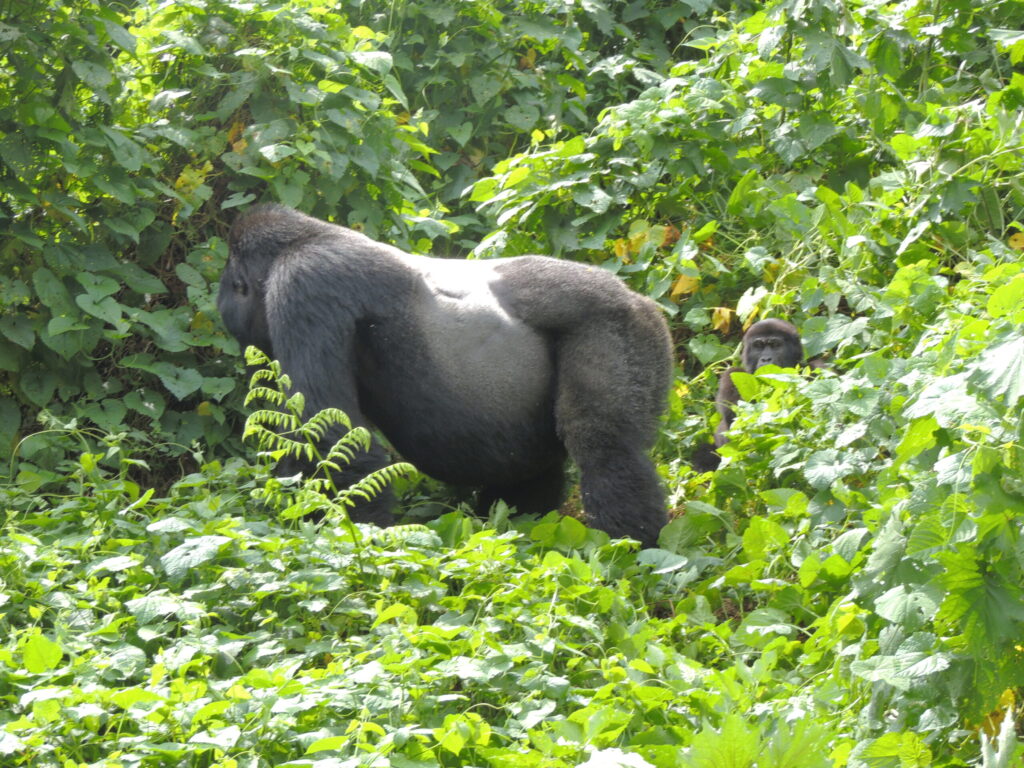
In Uganda, rainfall affects terrain in forested habitats such as Bwindi and Kibale National Parks, where Gorilla Trekking Safaris and Chimpanzee Safaris are popular. Muddy trails can slow treks but also bring lush scenery, vibrant birdlife, and active primates closer to viewing points. Dry seasons allow easier access to trekking routes, making it convenient for travelers on Uganda Best Safaris while ensuring consistent wildlife encounters. The interplay of weather and wildlife patterns means that timing a safari requires careful consideration, which Terenga Safaris expertly provides to all clients.
Additionally, understanding weather impacts enables travelers to combine experiences. For example, a Kenya Cultural Safari can be planned around favorable seasons to align wildlife viewing with village visits, or extended with Uganda Gorilla Trekking for a holistic East African adventure, demonstrating that weather is a guide rather than a limitation in safari planning.
What Can Travelers Expect During Different Weather Conditions?
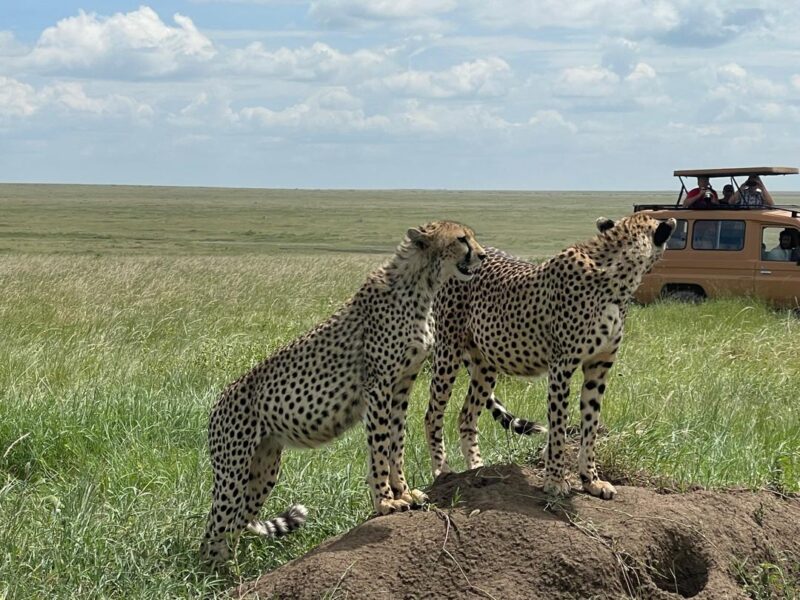
Does weather affect wildlife viewing? also raises questions about what travelers can expect under varying conditions. During dry seasons in Kenya and Tanzania, visitors on Kenya Great Migration Safaris witness large herds congregating and predators hunting near water sources. These conditions create thrilling photography opportunities and high chances of spotting Big Five animals. Birders also enjoy visibility and activity of diverse species during Kenya Birding Safaris, making this period ideal for multi-interest travelers.
During rainy periods, the landscape transforms into vibrant green scenery, enhancing Kenya Best Safaris and Uganda Cultural Safaris. While some tracks may be challenging, wildlife density remains high, and unique experiences such as newborn calves or bird breeding displays are visible. Trekking in Uganda’s forests during rainy months requires sturdy footwear and patience, but the reward is close encounters with gorillas and chimpanzees in lush habitats. Terenga Safaris guides emphasize preparation and proper gear, ensuring that travelers enjoy comfort, safety, and the full range of experiences regardless of the weather.
Expectations also extend to cultural experiences. In Kenya, village visits during wet months reveal agricultural cycles and ceremonies aligned with seasonal activity, enriching Kenya Cultural Safaris. Similarly, Uganda village visits reveal community resilience and traditions shaped by the rainy or dry seasons, making the safari experience more authentic and educational.
How Much Does Wildlife Viewing Safari Cost and When Is the Best Time?
Does weather affect wildlife viewing? directly informs budgeting and planning for a safari. Costs vary depending on season, accommodation type, and inclusions. Dry season packages, coinciding with peak wildlife activity, may cost more due to high demand for Kenya Great Migration Safaris or Gorilla Trekking Safaris. Average prices range from USD 300–800 per day for mid-range lodges, while premium experiences can exceed USD 1,000 daily, especially for private safaris or specialized wildlife treks. Rainy season safaris offer lower rates, providing economic alternatives for travelers willing to embrace wetter conditions.
Best timing balances visibility, comfort, and experience. For Kenya, June to October ensures dry weather and concentrated wildlife sightings, ideal for Kenya Birding Safaris and migration observation. Uganda’s dry months of December to February and June to August facilitate smoother trekking in forested habitats for Gorilla Trekking and Chimpanzee Safaris. Terenga Safaris advises that combining Kenya and Uganda itineraries around these seasons maximizes both wildlife viewing and cultural encounters, reinforcing that weather is central to itinerary optimization.
Why Choose Terenga Safaris for Weather-Optimized Wildlife Viewing?
Does weather affect wildlife viewing? is best addressed by expert guidance. Terenga Safaris brings decades of regional knowledge, professional logistics, and strong relationships with local communities. Travelers receive accurate, practical advice on timing, gear, and itinerary adjustments based on seasonal weather. Multi-country packages can link Kenya Safaris, Uganda Safaris, and Gorilla Trekking Safaris, ensuring clients experience the best wildlife encounters while engaging in culturally rich interactions.
Major key points include combining seasonal wildlife behavior insights, cultural engagement, birding opportunities, and logistical support. Safety, comfort, and authenticity remain the priority, allowing travelers to focus on the richness of East African wildlife. Terenga Safaris’ expertise transforms weather considerations from a potential limitation into a tool for crafting highly rewarding safari experiences.
Ultimately, does weather affect wildlife viewing? is an essential question for any traveler, but with Terenga Safaris, understanding and planning around seasonal conditions enhances sightings, cultural immersion, and overall satisfaction, making East African safaris unforgettable and reliable year-round.