Do Tribes Allow Participation in Cattle Herding?
January 12, 2026
Does Crossing the Equator Affect Time or Weather?
January 12, 2026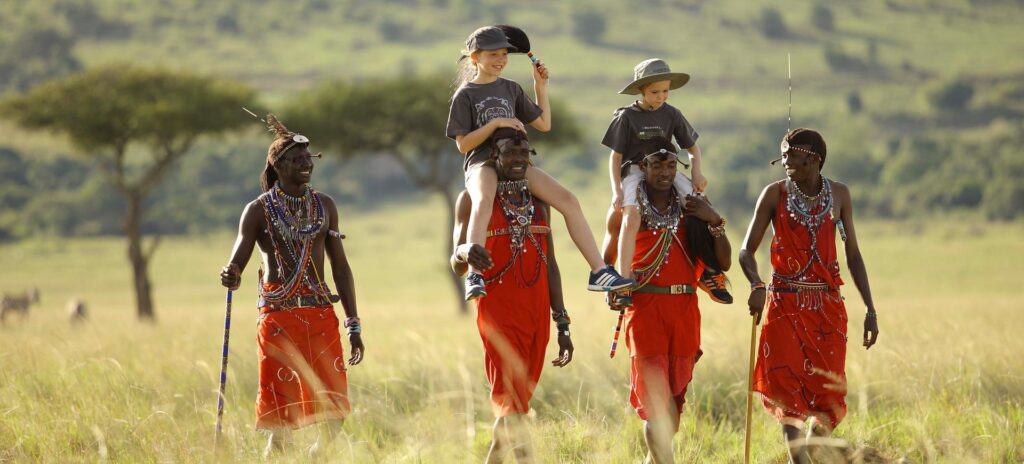
Do tribespeople speak English in Kenya and Tanzania?
Do tribespeople speak English? This is a question that often arises for travelers planning Kenya Safaris or Tanzania Safaris, especially those eager to engage in Kenya Cultural Safaris or Tanzania Cultural Safaris. Both Kenya and Tanzania are multicultural nations where over 40 tribes in Kenya and more than 120 tribes in Tanzania coexist, each with its own language and dialect. Despite this rich linguistic diversity, English serves as an official language in both countries, alongside Swahili. This means that in most tourist hubs, including lodges, camps, and safari operations, guides and community hosts are fluent in English, allowing visitors to engage deeply with local communities, learn about traditions, and understand cultural nuances.
Visitors to the Maasai villages during Kenya Cultural Safaris will discover that while elders may prefer their native Maa language, younger generations and community guides speak English comfortably. This ensures that storytelling, dance performances, and interactions with the Maasai People remain accessible, enhancing both educational and cultural dimensions of a safari. Tanzania Cultural Safaris similarly feature guides from tribes such as the Maasai, Chagga, and Hadzabe, many of whom are proficient in English while maintaining traditional practices. Expectations for cultural encounters include respectful communication, guided discussions about local history, and participation in community activities. Travelers can plan visits with confidence, knowing that language barriers will rarely limit their experience.
Accessing these communities is straightforward. Most cultural safari excursions are reachable via short road transfers from major safari destinations like the Maasai Mara in Kenya or the Serengeti in Tanzania. Costs are generally included within Kenya Best Safaris and Tanzania Best Safaris packages, often ranging from moderate to premium depending on accommodation and activity inclusions. The best time to engage in cultural experiences coincides with dry seasons, when communities are most accessible and wildlife migration viewing is optimal. Additionally, itineraries can be enhanced by combining these cultural tours with Uganda Gorilla Trekking or Uganda Chimpanzee Safaris, providing a richer East African adventure. Therefore, do tribespeople speak English? Yes, and this accessibility makes cultural engagement on safari both meaningful and seamless.
How do cultural interactions enhance safari experiences?
Do tribespeople speak English? More importantly, how can travelers use this to deepen their understanding of local culture during Kenya Great Migration Safaris or Tanzania Great Migration Safaris? Engaging with local tribes introduces an immersive dimension to Kenya Birding Safaris or Tanzania Birding Safaris beyond wildlife encounters. Visitors can join Maasai or Hadzabe communities for daily activities, learning traditional hunting techniques, beadwork, and music. English fluency ensures that guides and community members can explain rituals, folklore, and social structures clearly, creating a bridge between modern visitors and centuries-old traditions.
Cultural Safaris in Kenya and Tanzania are more than observation; they are interactive learning journeys. Guests may participate in communal meals, dance ceremonies, or livestock care, gaining insights into how tribal life harmonizes with natural ecosystems. This dynamic interaction fosters an authentic appreciation for both human and wildlife communities, as the Maasai People and other tribes often live adjacent to savannahs and migration corridors. Travelers can expect well-structured tours where English-speaking guides facilitate dialogue, ensuring respect and clarity throughout the experience.
Reaching these communities typically involves short drives from nearby national parks, making it convenient to combine wildlife-focused Kenya Safaris or Tanzania Safaris with cultural immersion. Tour operators like Terenga Safaris emphasize safety, authenticity, and meaningful engagement while maintaining sustainable tourism practices. Costs vary based on the depth of the experience and lodge accommodations, while timing is best aligned with dry seasons from June to October or December to February. For those planning extended East African itineraries, combining Kenya or Tanzania Great Migration Safaris with Uganda Gorilla Trekking ensures a multi-dimensional exploration of both wildlife and culture. Clearly, do tribespeople speak English? Yes, this fluency allows travelers to fully appreciate cultural experiences during safari.
What are the key expectations when visiting tribal communities?
Do tribespeople speak English? While language is accessible, travelers should also understand what to expect during visits to Maasai or other East African tribes. Kenya Cultural Safaris and Tanzania Cultural Safaris emphasize guided interaction over unsupervised exploration. Guests can anticipate storytelling, traditional dance, music demonstrations, and explanations of local customs conducted in English by community guides. Such experiences highlight the social structures, spiritual beliefs, and ecological knowledge of tribes, helping visitors connect more profoundly with the landscape.
Expectations also extend to engagement etiquette. Tourists are encouraged to ask questions respectfully, observe traditions without disruption, and participate in activities only when invited. Guides ensure that these interactions are meaningful yet comfortable for both guests and the community. Safari operators typically outline the major key points in the experience, from arrival protocols to participatory lessons in beadwork, farming techniques, or livestock care. Accommodation nearby often includes family-friendly lodges or luxury tents, ensuring comfort while remaining close to cultural sites. Costs of these immersive safaris are moderate and usually included in Kenya Best Safaris or Tanzania Best Safaris packages.
Optimal visiting times coincide with the dry season for easier road access, wildlife visibility, and community availability. Moreover, combining cultural visits with wildlife adventures, such as Uganda Gorilla Trekking, enriches the overall safari, providing a holistic perspective on East Africa’s biodiversity and heritage. Therefore, do tribespeople speak English? Yes, and understanding cultural expectations enhances the traveler’s experience significantly.
Why choose Terenga Safaris for cultural and migration tours?
Do tribespeople speak English? Terenga Safaris leverages this fact to create seamless, immersive safari experiences across Kenya and Tanzania. Our Kenya Safaris, Tanzania Safaris, and Kenya Great Migration Safaris are carefully curated to combine wildlife spectacles, including Kenya Great Migration Safaris or Tanzania Great Migration Safaris, with authentic cultural engagement. Guides proficient in English ensure clear communication with local communities, making cultural interactions educational, respectful, and enjoyable.
Travelers can combine Kenya Birding Safaris or Tanzania Birding Safaris with visits to Maasai villages, integrating wildlife observation with human heritage. For those seeking even broader East African experiences, itineraries can include Uganda Gorilla Trekking or Uganda Chimpanzee Safaris, adding rainforest exploration to savannah adventures. Costs are transparently structured, travel logistics are fully managed, and the best safari seasons are clearly recommended. Through our expertise, experience, and authoritative presence in East African tourism, Terenga Safaris ensures that visitors enjoy a safe, enriching, and unforgettable journey. Ultimately, do tribespeople speak English? Yes, and this ability significantly enhances safari experiences by bridging language barriers between travelers and the region’s rich cultural tapestry.