Can I Cross the Equator in Uganda?
January 7, 2026
Can I See Rhinos in Kenya?
January 7, 2026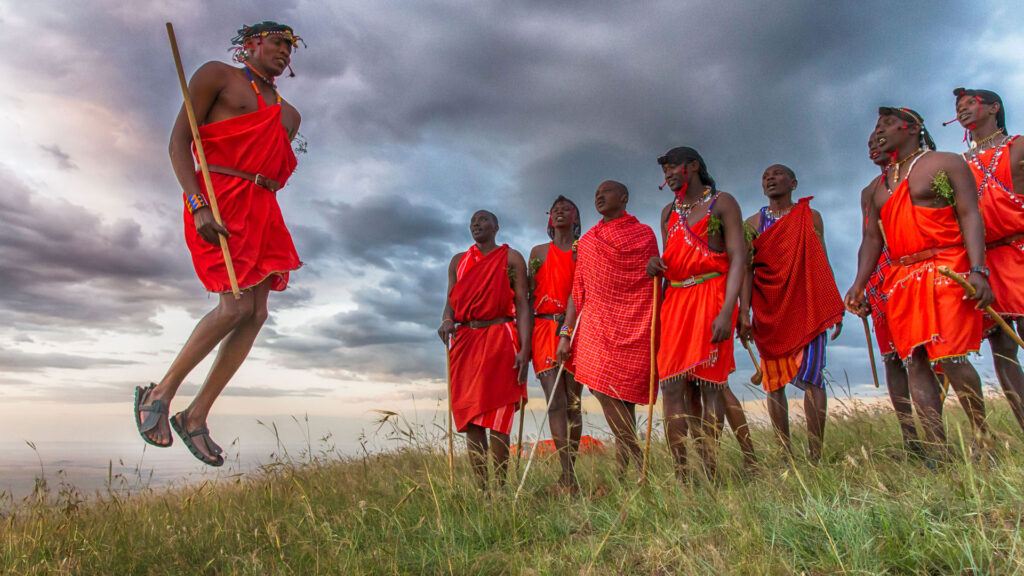
Can I record videos during cultural experiences in Kenya and Tanzania?
Planning a safari that blends wildlife exploration with rich cultural encounters naturally raises the question: can I record videos during cultural experiences? For travelers seeking immersive Kenya Safaris or Tanzania Safaris, documenting Maasai People ceremonies, traditional dances, or village activities can enhance the memory of a journey while sharing it with friends and family. Terenga Safaris understands that cultural experiences are as integral as wildlife sightings, whether it’s observing Kenya Great Migration Safaris, Tanzania Great Migration Safaris, or birding and nature excursions. Guests often ask about video recording because capturing movement, storytelling, and interaction adds an extra dimension to the safari experience.
Kenya Cultural Safaris offer firsthand insights into Maasai communities, where traditional attire, beadwork, and dance play a central role in daily life. Video recording is typically allowed with respect for local customs, and guides provide instructions on when and how to film. Tanzania Cultural Safaris similarly allow visitors to observe and capture the lifestyle of pastoralist communities and local artisans, providing a visually rich storytelling opportunity. Understanding the etiquette and permission protocols ensures that recording does not disrupt community life, enhancing both cultural authenticity and personal experience.
Terenga Safaris ensures all itineraries balance wildlife adventure and cultural immersion. Guests combining migration-focused journeys in the Maasai Mara or Serengeti with cultural experiences gain a comprehensive understanding of East African ecosystems, traditions, and community life. Recording videos is not just about documentation; it deepens engagement and creates lasting memories for travelers, while still respecting the communities they visit.
How do I respectfully record cultural experiences?
Respectful recording is a crucial part of understanding can I record videos during cultural experiences? Terenga Safaris emphasizes that guides will brief guests on local customs before each cultural visit. In Maasai villages, for instance, elders may grant permission for photography or filming only during certain activities, such as dances, storytelling, or crafts demonstrations. In Tanzania, pastoralist communities similarly have protocols that ensure guests’ recording does not intrude on personal or sacred spaces.
Guests should always ask for consent, avoid recording private moments, and focus on public performances or communal gatherings. Guides often assist in facilitating interactions that are culturally appropriate while allowing travelers to capture authentic footage. Kenya Cultural Safaris and Tanzania Cultural Safaris both incorporate these ethical considerations to ensure mutual respect. In addition, filming enhances safari storytelling for travelers participating in Kenya Birding Safaris or Tanzania Birding Safaris, as guides point out specific bird species or environmental behaviors worth documenting.
Terenga Safaris’ experience in blending wildlife observation with cultural immersion ensures travelers understand both the technical and ethical aspects of recording. Proper guidance allows guests to produce video content without disrupting traditions, fostering a meaningful connection with the local people. Ultimately, knowledge of can I record videos during cultural experiences? enriches the safari by turning each encounter into a narrative for personal reflection or public sharing.
Which destinations allow the most video opportunities?
Certain locations maximize both wildlife and cultural recording opportunities, which is essential when considering can I record videos during cultural experiences? Kenya Safaris in the Maasai Mara are particularly suited for documenting both the Great Migration and Maasai village life. Visitors can film dramatic river crossings during Kenya Great Migration Safaris while also capturing traditional ceremonies, livestock herding, and local crafts during Kenya Cultural Safaris.
Tanzania Safaris offer similar versatility. The Serengeti and Ngorongoro Crater provide unparalleled wildlife videography during Tanzania Best Safaris and Tanzania Great Migration Safaris. In nearby villages, travelers can film daily life, traditional songs, and dances as part of Tanzania Cultural Safaris. Guides ensure recording is done ethically, often facilitating interviews or guided demonstrations to provide meaningful cultural context.
Birding enthusiasts also benefit from this dual focus. Kenya Birding Safaris and Tanzania Birding Safaris allow video recording of migratory and endemic species. Recording these moments, alongside cultural interactions, creates a holistic safari story that combines flora, fauna, and people, reinforcing Terenga Safaris’ reputation as a provider of immersive, responsible tourism experiences.
How to reach these cultural and wildlife destinations?
Logistics are critical when planning a safari that includes filming, answering can I record videos during cultural experiences? Major hubs like Nairobi and Arusha serve as starting points for Kenya Safaris and Tanzania Safaris. From Nairobi, travelers reach the Maasai Mara by a short domestic flight or a scenic 5–6 hour drive. Arusha provides convenient access to Serengeti National Park and Ngorongoro Crater through scheduled tours and airstrips near lodges.
Terenga Safaris organizes transportation, accommodations, and guided itineraries that consider optimal light, timing, and angles for video recording. Vehicles used for safaris are equipped to allow guests to capture footage safely during wildlife drives and cultural visits. Understanding can I record videos during cultural experiences? becomes seamless when logistics and local permissions are handled professionally, letting travelers focus on their creative storytelling while respecting both wildlife and human communities.
What are the expectations and costs of cultural and wildlife safaris?
Expectations vary depending on season, location, and itinerary. Ethical video recording, engaging cultural encounters, and wildlife observation are standard inclusions for Terenga Safaris. Kenya Best Safaris and Tanzania Best Safaris often range from $350 to $700 per person per day, depending on accommodation choices, vehicle type, and included meals. Birding and migration tours, combined with cultural visits, may increase costs slightly due to specialized guides and remote locations.
Knowing can I record videos during cultural experiences? ensures travelers plan for sufficient memory cards, batteries, and equipment to capture extended moments without compromising their comfort or the experience of the communities visited. Terenga Safaris also offers options to combine Kenya or Tanzania safaris with Uganda Gorilla Trekking, allowing guests to document primates alongside cultural and birding experiences, enriching the narrative of East African exploration.
When is the best time for video-focused safaris?
Timing depends on seasonal cycles. The Great Migration peaks in Kenya between July and October, providing dramatic wildlife footage. Maasai village ceremonies often coincide with traditional seasonal festivals, providing authentic cultural experiences. Tanzania Great Migration Safaris follow a similar cycle, with northern Serengeti activity peaking during the dry season, offering clear skies and ideal light conditions for filming.
Terenga Safaris carefully plans itineraries around these windows, maximizing both Kenya Safaris and Tanzania Safaris for visual storytelling. Understanding can I record videos during cultural experiences? allows travelers to schedule visits during events with optimal lighting, fewer crowds, and active wildlife, ensuring footage is both cinematic and respectful.
Why choose Terenga Safaris for recording cultural experiences?
Terenga Safaris combines professional guidance, cultural respect, and logistical expertise to answer can I record videos during cultural experiences? Travelers benefit from experienced guides who navigate both Maasai and Tanzanian village protocols, ensuring recording is culturally sensitive. Combining migration safaris, birding, and cultural tours creates immersive stories that are visually compelling and ecologically informative.
Ethical recording, well-planned routes, and expert timing guarantee that travelers leave with unforgettable memories, high-quality footage, and a deeper understanding of East African wildlife and culture. Terenga Safaris transforms each journey into a narrative adventure that merges Kenya Safaris, Tanzania Safaris, and cultural discovery into one cohesive, professional experience.