What is the Great Migration For a Kenya and Tanzania Safaris?
December 22, 2025
What is the typical weather like during Kenya-Tanzania safaris
December 23, 2025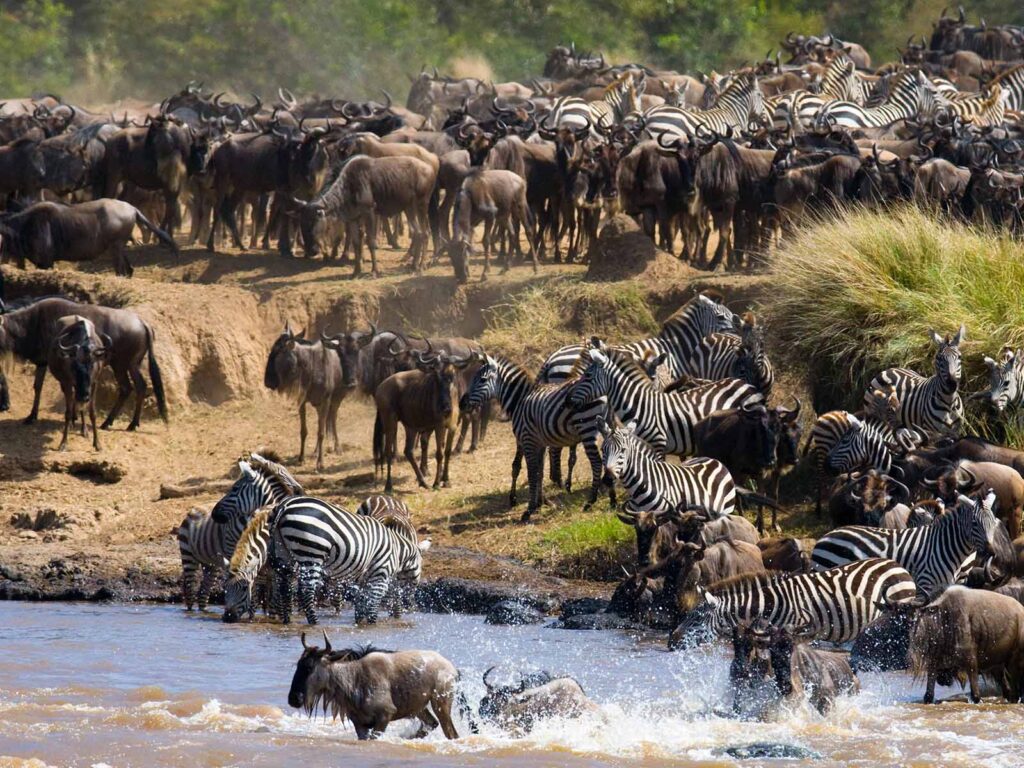
What Is the Typical Great Migration Route For Kenya & Tanzania?
What Is the Typical Great Migration Route For Kenya & Tanzania? This question lies at the heart of every traveler planning to witness the Great Migration, the most iconic wildlife movement on the planet. The Great Migration, shared between Kenya and Tanzania, forms the backbone of world-renowned Kenya Safaris, Tanzania Safaris, Kenya Wildlife Safaris, Kenya Best Safaris, Tanzania Wildlife Safaris, and especially the legendary Kenya Great Migration and Tanzania Great Migration experiences. The route followed by millions of animals showcases the resilience of nature, the cycle of life, and the extraordinary landscapes that make East Africa a top-tier safari destination. Terenga Safaris uses its expertise, field experience, and regional authority to deliver trusted and comprehensive knowledge for global travelers searching for clarity and reliability when planning their African adventure.
Introduction: Understanding the World’s Most Spectacular Wildlife Movement
Every year, roughly two million animals travel through the Serengeti–Mara ecosystem, forming a circular, continuous path driven by rainfall patterns and fresh grazing opportunities. This constant movement answers the essential question, What is the typical migration route?, by revealing a predictable yet dynamic journey that spans over 1,800 miles. Wildlife enthusiasts, photographers, birdwatchers, and cultural travelers are drawn to this phenomenon for its breathtaking beauty and raw authenticity. As a leader in Africa Tourism insights, Terenga Safaris provides travelers with in-depth explanations, logistical guidance, cultural connections, and safari expertise that enhance understanding and readiness for those planning to witness this natural wonder. This introduction sets the stage for a detailed destination-specific exploration of the Great Migration’s route across Tanzania and Kenya.
Serengeti National Park – The Beginning of the Migration Cycle
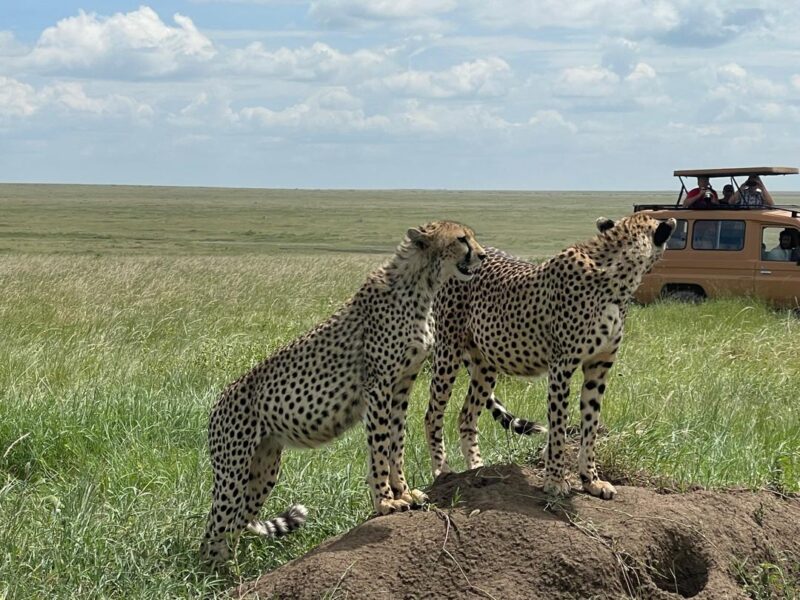
What is the typical migration route? becomes clearer in Serengeti National Park, where the Great Migration begins and ends, completing a continuous natural cycle. Millions of wildebeests, zebras, and gazelles gather in the southern Serengeti plains between December and March for the calving season. These fertile grasslands become a nursery ground where nearly half a million calves are born within a few weeks. This stage positions Serengeti as the central hub of Tanzania Safaris, Tanzania Great Migration journeys, and highly rated Tanzania Wildlife Safaris. Travelers seeking immersive wildlife experiences will find that the early phases of the migration are rich with predator interactions, newborn wildlife sightings, and breathtaking open landscapes.
Serengeti’s plains offer an unmatched wildlife density that answers What is the typical migration route? through its predictable seasonal movements. Around April and May, the herds move toward the central and western corridors, driven by the search for fresh pasture. These regions offer thrilling encounters with large lion prides, cheetahs, hyenas, and migratory birds, making them a remarkable addition to Kenya Birding Safaris and Tanzania Cultural Safaris combinations. Reaching Serengeti is effortless with daily flights from Arusha to Seronera, Ndutu, and Kogatende airstrips or scenic road transfers that introduce travelers to Tanzania’s rural beauty.
Cultural experiences around the Serengeti enrich the journey with visits to Maasai communities where traditional ceremonies, beadwork, warrior stories, and pastoral life are shared with visitors. Guests planning with Terenga Safaris can also include Uganda Gorilla Trekking, blending open savanna safaris with intimate rainforest encounters. Serengeti provides essential understanding for the question What is the typical migration route?, making it a vital destination for every wildlife enthusiast.
Ngorongoro Conservation Area – The Birthplace and Early Movement Corridor
What is the typical migration route? leads many travelers to Ngorongoro Conservation Area, the ancestral cradle of life and one of the most ecologically rich environments in Tanzania. The region becomes central to the early migration cycle because many herds return to the Ndutu and Ngorongoro plains during the short rainy season to give birth. Travelers exploring this UNESCO World Heritage Site witness massive herds spread across grasslands, forming the foundation of the route taken by the Great Migration. Ngorongoro’s mineral-rich volcanic soil creates ideal conditions for lactating mothers and growing calves, making this stage essential to the survival of the species.
Ngorongoro offers unrivaled predator activity, with lions, hyenas, and cheetahs frequently targeting newborn calves. Travelers asking What is the typical migration route? learn that although Ngorongoro is not part of the circular migration path within the crater, the surrounding plains form a crucial starting point for the year-long journey. Reaching Ngorongoro involves scenic drives from Arusha or scheduled flights to nearby airstrips followed by road transfers into the highland forests and savanna plains. Cultural immersion forms a significant part of Tanzania Cultural Safaris, especially through guided visits to Maasai bomas where visitors discover traditional dwellings, livestock practices, and age-old rituals.
Safari guests exploring Ngorongoro with Terenga Safaris benefit from deeply curated wildlife insights, professional guiding, and responsible tourism practices that protect local communities and wildlife habitats. Ngorongoro becomes an excellent destination to combine with Uganda Gorilla Trekking, creating a balanced safari itinerary that includes savanna wildlife, volcanic landscapes, and mountain gorilla encounters. The region provides critical understanding of What is the typical migration route? by showcasing the birth and buildup phase that fuels the entire migration.
Maasai Mara National Reserve – The Peak of the Great Migration
What is the typical migration route? reaches its most intense and dramatic phase in Kenya’s Maasai Mara National Reserve. Between July and October, the herds arrive from the northern Serengeti in staggering numbers, creating extraordinary wildlife viewing opportunities. The Mara becomes the centerpiece of Kenya Safaris, Kenya Best Safaris, and especially Kenya Great Migration adventures. The reserve offers some of Africa’s most powerful scenes: river crossings at the Mara and Talek Rivers, predator confrontations, and vast herds covering the horizon. Travelers witness nature at its rawest and most breathtaking during these months.
Maasai Mara’s ecosystem plays a crucial role in understanding What is the typical migration route?, as the herds depend on the Mara’s rich grasslands for survival before returning southward to Tanzania. Reaching the Mara is simple through scheduled flights from Nairobi’s Wilson Airport or road transfers across the Great Rift Valley. Cultural experiences add depth to the journey through interactions with the Maasai people, known globally for their distinctive attire, warrior heritage, traditional dances, pastoral lifestyle, and community conservation practices. These encounters form a strong cultural foundation for Kenya Cultural Safaris.
Travelers exploring the Mara with Terenga Safaris receive expert guidance, tailored itineraries, and high-quality accommodations that enhance comfort and wilderness immersion. Birding enthusiasts enjoy over 450 species that complement the wildlife spectacle, linking the reserve to Kenya Birding Safaris. The Mara becomes an excellent destination to pair with Uganda Gorilla Trekking, creating a multidimensional safari across East Africa. This region provides a vital conclusion to the question What is the typical migration route?, as it hosts the climax of the migration before the herds loop back toward Tanzania.
Why Choose Terenga Safaris for Your Migration Adventure?
Terenga Safaris stands apart for its deep field knowledge, trusted guiding expertise, and commitment to delivering unforgettable safari journeys. Our team crafts itineraries anchored in experience, cultural respect, conservation values, and professional reliability. Every safari designed around What is the typical migration route? ensures guests enjoy seamless logistics, outstanding wildlife encounters, premium accommodations, and rich cultural immersion. Our dedication to excellence positions Terenga Safaris as a leading authority in the African tourism industry.