Are Safari Lodges Comfortable?
January 2, 2026
Are Souvenir Shops Available at the Equator?
January 5, 2026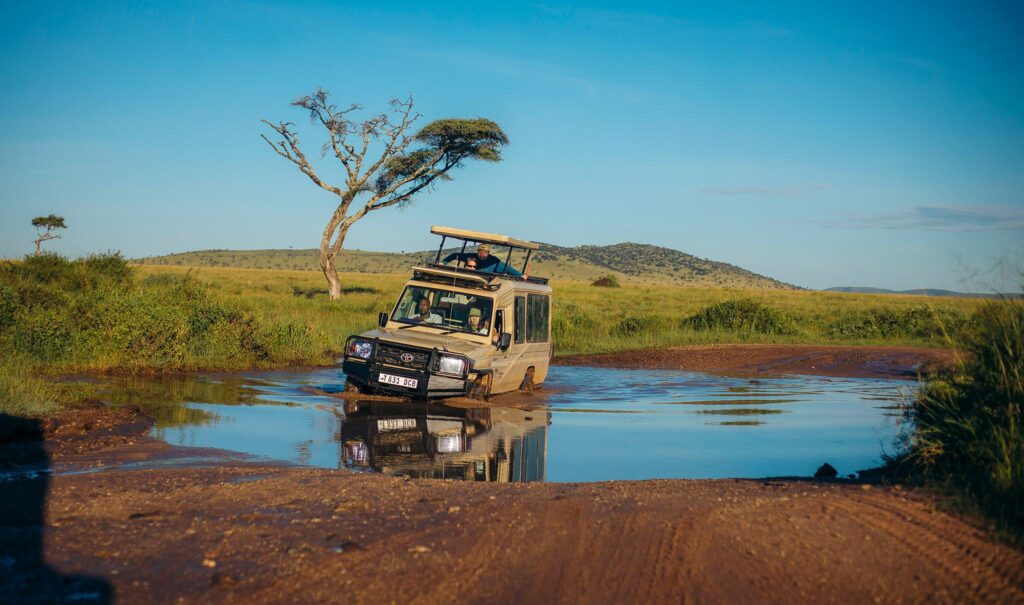
Are Roads Affected by Rain?
Kenya and Uganda Safaris: Are Roads Affected by Rain? is a critical consideration for travelers planning an immersive East African safari experience. Seasonal weather can influence accessibility to some parks and wildlife reserves, and understanding the conditions ensures smooth, safe, and enjoyable journeys. Terenga Safaris specializes in delivering reliable, expertly planned itineraries across Kenya and Uganda, incorporating both wildlife exploration and cultural encounters. Visitors on Kenya Safaris, Kenya Best Safaris, and Kenya Great Migration Safaris can witness the spectacular movement of wildebeest and zebra across the Maasai Mara, while Uganda-focused trips offer Gorilla Trekking Safaris, Chimpanzee Safaris, and Uganda Birding Safaris, all of which require careful planning around terrain and rainfall patterns. By addressing road conditions, Terenga Safaris emphasizes preparedness, ensuring travelers enjoy every moment without disruption, making it a trusted partner for exploring East Africa.
Rain can affect roads differently depending on the region. In Kenya, parks like Maasai Mara and Amboseli rely on well-maintained but often unpaved routes. Heavy rains may create temporary water crossings or muddy tracks, potentially slowing vehicles, but professional 4×4 safari cars used by Terenga Safaris navigate these terrains safely. Travelers on Kenya Birding Safaris and Kenya Cultural Safaris can still access remote areas, as guides adjust itineraries proactively. In Uganda, rainforest roads leading to Bwindi Impenetrable Forest for gorilla trekking or Kibale National Park for chimpanzee tracking may become slippery, requiring flexible scheduling. Terenga Safaris ensures that all transfers and park access are carefully coordinated, providing alternatives and local insights to maintain comfort and continuity. Costs for these trips vary, depending on duration, accommodation, and level of experience, with typical ranges for a 5-7 day safari spanning USD 2,500 to USD 6,500 per person, inclusive of transfers, park fees, and professional guides.
How Can Travelers Reach Safari Destinations Despite Rain?
Kenya and Uganda Safaris: Are Roads Affected by Rain? can be effectively managed through strategic planning and logistics. Access to key destinations is facilitated via major airports such as Nairobi’s Jomo Kenyatta International and Entebbe in Uganda, followed by guided road or bush flights to reserves. Roads in the Maasai Mara or Amboseli are generally well-graded, but during the wet season from April to June, puddles and muddy stretches can slow travel. Terenga Safaris schedules flexible itineraries to accommodate weather, ensuring visitors arrive on time for wildlife excursions, cultural visits with the Maasai People, and birding walks.
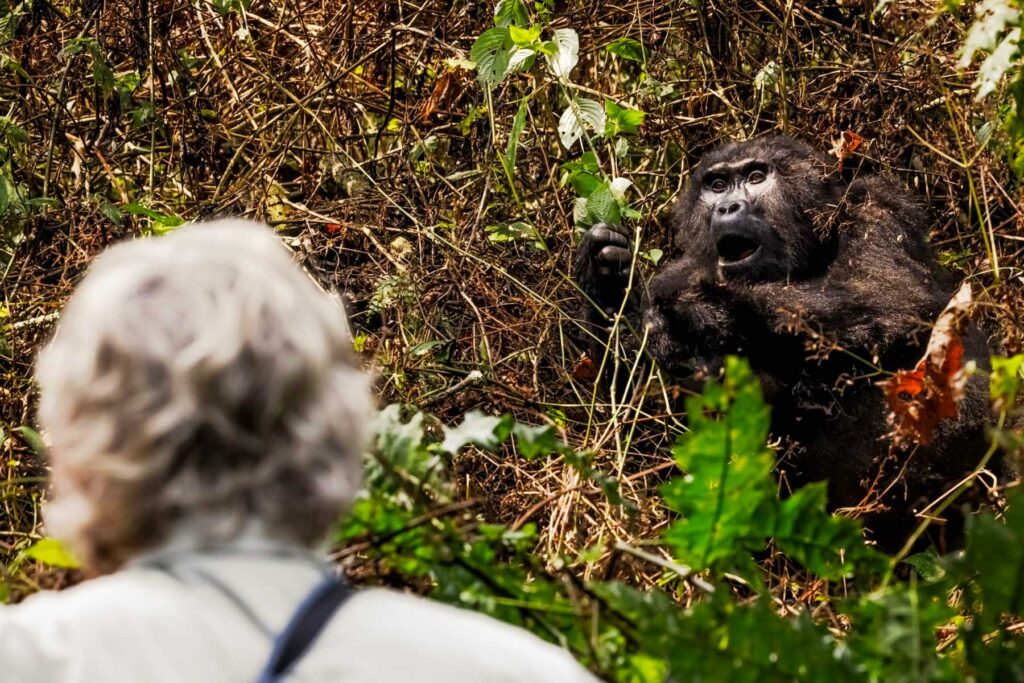
In Uganda, reaching Bwindi for gorilla trekking or Kibale for chimpanzee safaris requires traversing forested roads that can become slippery during rains. Guests can expect professionally guided drives in 4×4 vehicles designed to handle challenging terrain. Rainy conditions may slightly alter the schedule, but Terenga Safaris ensures that wildlife encounters, including gorilla tracking and chimpanzee observation, remain safe and rewarding. Visitors can combine Uganda experiences with Kenya Great Migration Safaris, creating a multi-destination adventure that seamlessly blends savannah and forest ecosystems. Optimal travel periods generally correspond to dry seasons: July to October in Kenya for migration viewing, and June to September or December to February in Uganda for trekking and birding.
What Are the Expectations on Safari Despite Rain?
Kenya and Uganda Safaris: Are Roads Affected by Rain? often raises questions about how wildlife and cultural activities proceed under wet conditions. Visitors should anticipate occasional changes in schedules, such as delayed game drives or adjusted trekking routes, without compromising the quality of the safari. In Kenya, guests on Kenya Safaris or Kenya Best Safaris can still witness the Great Migration, as animals naturally congregate around rivers and open plains, providing spectacular photography opportunities even during showers. Birding enthusiasts benefit from the rain, as species activity often increases, enhancing Kenya Birding Safaris and Uganda Birding Safaris experiences.
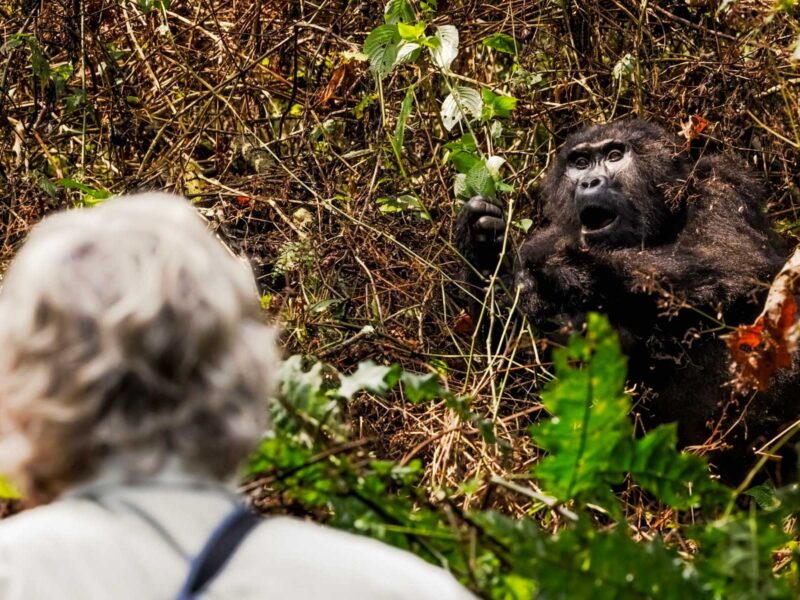
In Uganda, rainy periods enhance forest density and biodiversity, offering unique perspectives during Gorilla Trekking Safaris or Chimpanzee Safaris. Trekkers can expect well-guided paths, informative briefings, and equipment support for wet terrain. Terenga Safaris emphasizes preparation, advising appropriate clothing, boots, and waterproof gear to ensure comfort and safety. Cultural engagements, including visits to local communities, remain unaffected by rain, providing insights into the daily life of Maasai People in Kenya or Ugandan villages, including traditional farming and artisanal practices. Multi-day itineraries typically include both wildlife and cultural highlights, making the safari immersive and resilient to weather variations.
How Much Do Rain-Affected Safaris Cost and When Is the Best Time to Travel?
Kenya and Uganda Safaris: Are Roads Affected by Rain? is also linked to budgeting and seasonal planning. Wet-season safaris, although slightly more unpredictable, are often less crowded and can offer cost advantages. Prices for professionally guided Kenya Cultural Safaris, Kenya Great Migration Safaris, and Uganda Gorilla Trekking Safaris vary according to accommodation type, duration, and level of luxury. Standard packages range from USD 2,500 to USD 6,500 per person, including park entry, meals, transfers, and expert guiding. Optional add-ons such as gorilla trekking, chimpanzee safaris, or premium birding tours may increase costs but significantly enhance the overall experience.
The best time for Kenya Safaris is during dry seasons from July to October, ideal for witnessing migration, while Uganda Safaris are optimal between June to September and December to February for trekking and birding. Terenga Safaris ensures seamless planning to combine both destinations, enabling travelers to experience savannah migration and rainforest primates in one journey. Combining Uganda Gorilla Trekking with Kenya experiences provides a diverse safari adventure that balances wildlife, culture, and adventure, reinforcing the brand’s reputation for authority and reliability in Africa tourism.
Why Choose Terenga Safaris for Your East African Adventure?
Kenya and Uganda Safaris: Are Roads Affected by Rain? is best answered through expertise, preparation, and trusted guidance, all of which Terenga Safaris provides. By offering flexible itineraries, professional guides, and 4×4 vehicles equipped for diverse conditions, Terenga Safaris ensures that rain does not diminish the safari experience. Travelers gain access to authentic cultural engagements with the Maasai People, immersive birding tours, and once-in-a-lifetime wildlife encounters such as Gorilla Trekking Safaris and Chimpanzee Safaris.
Major highlights include viewing the Great Migration, trekking through lush Ugandan forests, birding in diverse ecosystems, and experiencing local culture firsthand. Professional guides provide safety, knowledge, and ethical tourism practices, making the journey comfortable and memorable regardless of weather. By choosing Terenga Safaris, guests access trusted expertise, logistical efficiency, and a seamless blend of Kenya and Uganda Safaris, ensuring every traveler enjoys a premium, reliable, and authoritative African safari experience.