What Rare Bird Species Can Be Spotted During Kenya & Tanzania Safaris?
December 23, 2025
What Should I Pack for a Kenya or Tanzania Safari?
December 24, 2025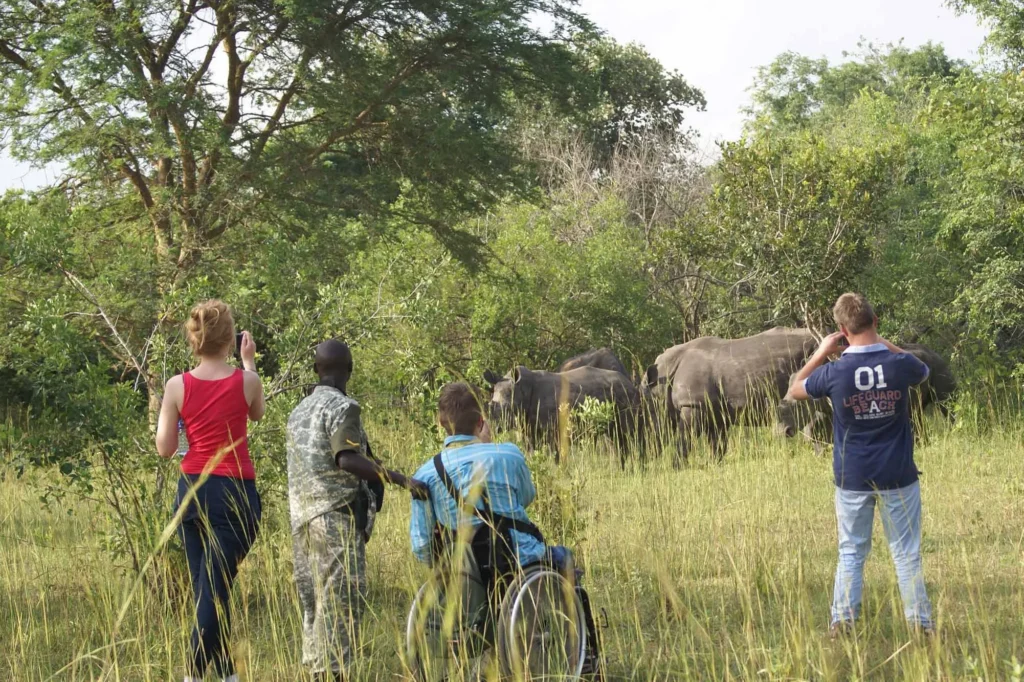
What Should I Know About Tipping on Kenya-Tanzania Safari?
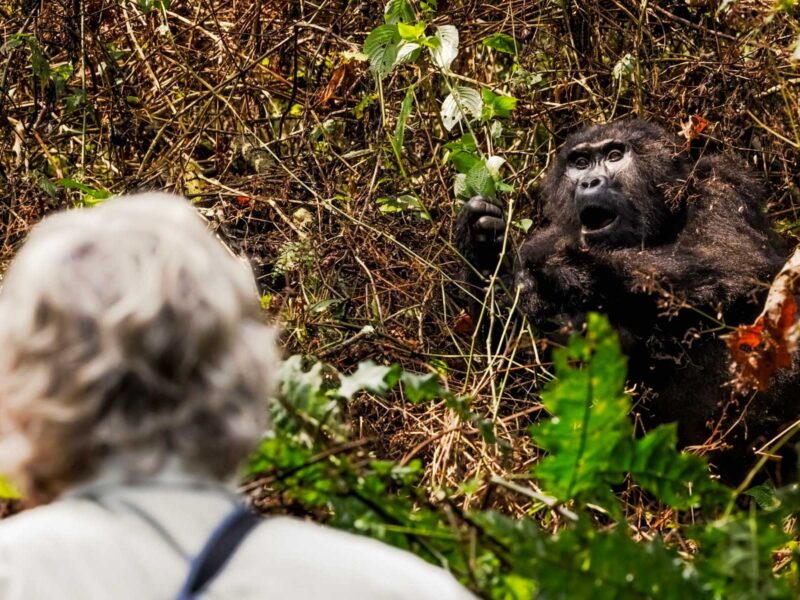
What Should I Know About Tipping on Kenya-Tanzania Safari? For many travelers visiting Africa, tipping can be an unfamiliar aspect of the safari experience. Kenya Safaris and Tanzania Safaris provide once-in-a-lifetime encounters with wildlife, cultural immersion, and expertly guided tours. First-time visitors often wonder when, how much, and to whom they should tip, as tipping etiquette can vary across different safari lodges, parks, and countries. Understanding proper tipping practices is not only a gesture of appreciation but also an essential part of supporting local guides, trackers, drivers, and lodge staff who ensure a seamless and memorable safari. Kenya Wildlife Safaris, Tanzania Wildlife Safaris, and specialized experiences such as Kenya Birding Safaris or Tanzania Great Migration tours rely heavily on skilled personnel whose livelihoods often depend on tips from satisfied guests. Terenga Safaris emphasizes the importance of responsible tipping, ensuring travelers can express gratitude appropriately while contributing positively to the local economy. Furthermore, tipping guidelines differ depending on the type of safari—whether it’s a luxury lodge safari, a mobile tented safari, or a cultural safari in rural communities. Understanding these nuances ensures first-time travelers feel confident, respectful, and informed during their safari adventures. Additionally, combining these safaris with Uganda Gorilla Trekking presents another dimension of tipping expectations, highlighting the importance of recognizing the hard work of guides, trackers, and porters in rainforest environments.
Tipping Guidelines for Kenya Safaris
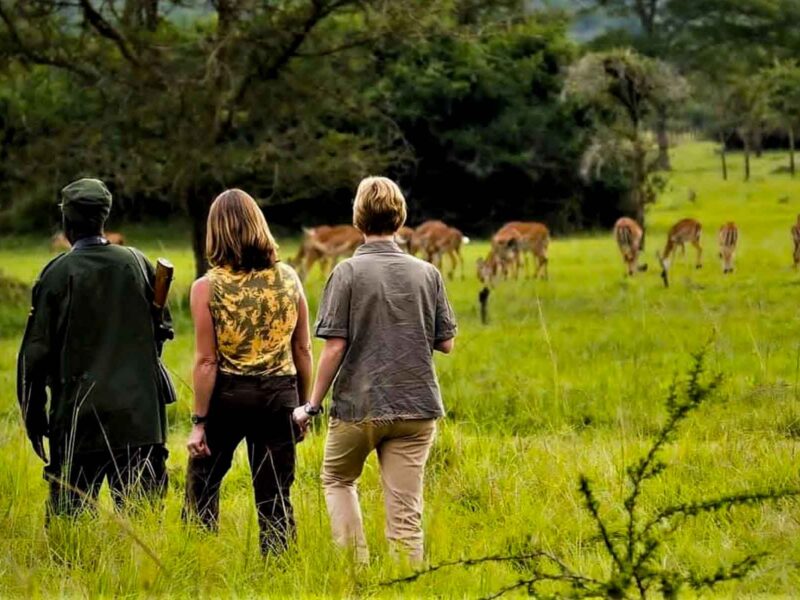
What should I know about tipping on safari? On Kenya Safaris, tipping practices are often guided by industry standards and cultural norms. Kenya Best Safaris, such as those exploring the Maasai Mara, Amboseli, or Samburu, rely on local guides and trackers to deliver safe and enriching wildlife experiences. A standard guideline suggests tipping your safari guide between $10–$20 per person per day, depending on the quality of service, while trackers and lodge staff may receive slightly lower amounts ranging from $5–$15 per day. Kenya Cultural Safaris introduce visitors to local communities where additional tips or small gifts, such as school supplies or handcrafted items, may be appreciated. Kenya Birding Safaris, which require specialized knowledge and patience, often warrant higher tipping as guides dedicate significant effort to help visitors spot rare or endemic bird species. First-time safari travelers should note that tipping is discretionary but expected in most Kenya Wildlife Safaris and contributes to the livelihood of local personnel. Terenga Safaris recommends preparing tips in local currency or US dollars, in small denominations for convenience. Additionally, tipping practices may vary by lodge or camp, so asking your guide or lodge manager for guidance ensures your contributions are appropriate and appreciated. Combining Kenya safaris with Uganda Gorilla Trekking often requires additional tipping for trackers and porters involved in guiding trekkers through dense rainforests, reflecting the physically demanding nature of this experience.
Tipping Guidelines for Tanzania Safaris
What should I know about tipping on safari? Tanzania Safaris, including Tanzania Wildlife Safaris and Tanzania Cultural Safaris, maintain tipping practices similar to Kenya but tailored to local norms. During the Serengeti Great Migration or Ngorongoro Crater expeditions, guides typically receive $10–$25 per person per day, while drivers and lodge staff may expect $5–$15 per day. Tanzania Best Safaris, whether on birding adventures or game drives, rely on the dedication of experienced personnel who often work long hours under challenging conditions. Tips demonstrate appreciation for their expertise and attentive service. Cultural interactions with Maasai or Hadzabe communities may also involve token gestures of gratitude, although it is important to respect local sensitivities. First-time travelers often ask whether tipping is mandatory; while not compulsory, it is considered customary and a significant part of the safari experience. Terenga Safaris advises including tipping in your safari budget to avoid unexpected expenses and to ensure your generosity aligns with local expectations. Combining Tanzania safaris with Uganda Gorilla Trekking introduces another layer of tipping responsibility for trackers, guides, and porters who facilitate treks through mountainous rainforest terrain. Thoughtful tipping strengthens relationships with local staff, enhances your safari experience, and contributes to the sustainability of these communities.
Who Should You Tip on Safari?
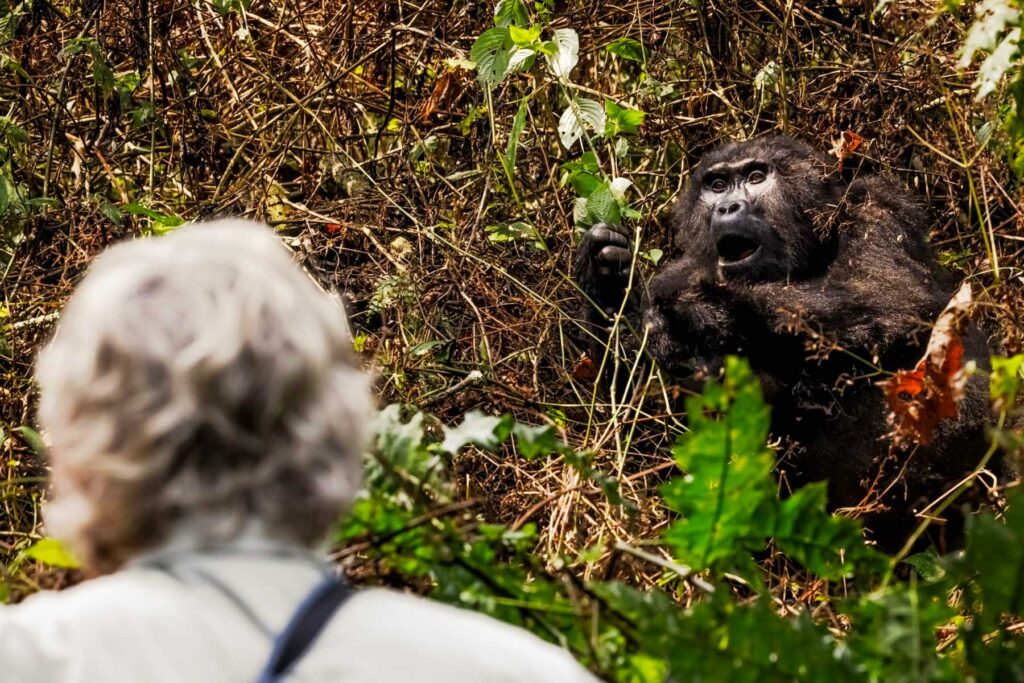
What should I know about tipping on safari? Understanding who to tip is as important as knowing how much to give. Safari guides are central to your experience, leading game drives, interpreting wildlife behavior, and ensuring safety at all times. Drivers, who manage long transfers across rough terrain, also benefit from tips reflecting their professionalism and dedication. Lodge staff, including housekeepers, cooks, and servers, play a vital role in creating comfortable accommodations and exceptional dining experiences. Trackers, particularly in Kenya Wildlife Safaris, Tanzania Wildlife Safaris, and Uganda Gorilla Trekking, deserve special recognition, as their expertise is critical to locating animals and ensuring safe encounters. Birding guides, due to the specialized knowledge and patience required, are often tipped at a higher rate. Terenga Safaris emphasizes tipping all personnel involved in your safari journey to acknowledge their hard work, cultural knowledge, and unwavering commitment to creating memorable experiences. First-time safari travelers may also consider tip distribution strategies, such as pooling tips in lodges or providing individual recognition for exceptional service. Combining safari destinations with Uganda Gorilla Trekking increases the number of personnel involved, and careful planning ensures all contributors are acknowledged fairly.
Tipping Etiquette and Cultural Considerations
What should I know about tipping on safari? Proper etiquette ensures your tips are respectful, culturally appropriate, and well-received. Handing cash directly in an envelope or discreetly is considered polite and prevents awkwardness. Asking the lodge or guide for advice on local expectations ensures your tipping aligns with customs, especially in rural communities during Kenya Cultural Safaris or Tanzania Cultural Safaris. Avoiding exaggerated or flamboyant gestures shows cultural sensitivity, while providing small personal notes of thanks enhances the sincerity of your gift. First-time safari travelers may wonder if credit cards are acceptable; while some lodges allow card tips, cash remains the most practical and universally appreciated method. Terenga Safaris recommends tipping at the end of your safari, once you have experienced the full scope of services, ensuring that gratuities reflect genuine appreciation. Additionally, combining Kenya and Tanzania safaris with Uganda Gorilla Trekking introduces diverse cultural contexts, reinforcing the need for culturally informed tipping practices that respect both wildlife conservation efforts and local livelihoods.
Factors Influencing Tipping Amounts
What should I know about tipping on safari? Several factors determine appropriate tipping levels, including the type of safari, duration, group size, and service quality. Luxury Kenya Best Safaris and Tanzania Best Safaris, which include private lodges, exclusive game drives, and specialized guides, often justify higher tips. Safari complexity, such as challenging terrain in Ngorongoro Crater or dense jungle trekking in Uganda, may also warrant additional recognition. Birding safaris, particularly those involving rare species tracking, require patience and skill, which should be acknowledged through generous tipping. Cultural safaris where guides facilitate meaningful community engagement may also require tips reflecting the effort invested. First-time travelers should also account for gratuities for drivers, lodge staff, and support personnel to ensure equitable distribution. Terenga Safaris provides clear guidance on budgeting for tipping in advance, reducing uncertainty and allowing travelers to focus on enjoying Kenya Wildlife Safaris, Tanzania Wildlife Safaris, or combined Uganda Gorilla Trekking experiences. Proper planning ensures first-time safari travelers navigate tipping etiquette with confidence while expressing gratitude meaningfully.
Conclusion: Ensuring a Positive Safari Experience
What should I know about tipping on safari? Understanding tipping is essential for a respectful and rewarding safari journey. Kenya Safaris, Tanzania Safaris, Kenya Birding Safaris, Tanzania Great Migration tours, and cultural encounters all rely on the expertise and dedication of local personnel. Terenga Safaris ensures first-time travelers receive guidance on proper tipping etiquette, helping them navigate cultural expectations while supporting local communities. Combining Kenya and Tanzania safaris with Uganda Gorilla Trekking offers a holistic wildlife adventure, where appropriate tipping acknowledges the skill, knowledge, and effort of guides, trackers, and lodge staff. By planning and preparing for gratuities, travelers enhance their safari experience, foster goodwill, and contribute to the sustainability of Africa’s tourism industry, ensuring that these destinations remain world-class for future generations.