What is the Best Month to Witness the Mara River Crossing?
December 18, 2025
What is the Best Region for Cultural Safaris in Tanzania?
December 19, 2025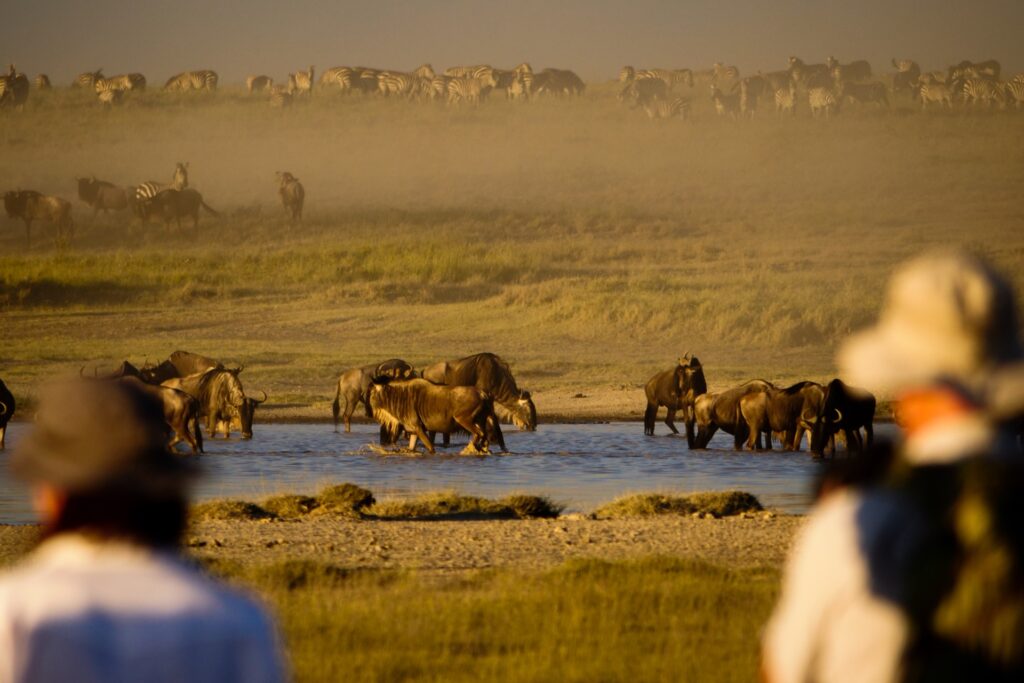
What Is the Best Location for Migration Photography?
What is the best location for migration photography? For travelers, wildlife enthusiasts, and professional photographers, this question often defines the pinnacle of East African safari experiences. The Great Migration, one of the most extraordinary wildlife phenomena on Earth, attracts thousands of visitors annually, offering unrivaled opportunities for capturing dramatic predator-prey interactions, endless wildebeest herds, and breathtaking landscapes. Terenga Safaris emphasizes that selecting the ideal location is crucial for optimizing photography outcomes, whether on Tanzania Safaris, Tanzania Wildlife Safaris, Tanzania Great Migration tours, Kenya Safaris, or Kenya Great Migration adventures. Locations along the Serengeti-Maasai Mara ecosystem are especially renowned for photographic excellence, providing diverse backdrops, lighting conditions, and wildlife behavior. By understanding the geographic, seasonal, and ecological dynamics, travelers can plan safari itineraries that combine immersive wildlife experiences with Uganda Gorilla Trekking or Uganda Wildlife Safaris for a multi-dimensional East African journey.
Capturing East Africa’s Iconic Wildlife
Professional photographers and amateur enthusiasts alike asking “What is the best location for migration photography?” benefit from Terenga Safaris’ decades of expertise in identifying prime photographic vantage points, arranging expert guides, and securing access to remote areas. Each carefully curated itinerary considers light quality, animal movement, and safety, ensuring clients capture unforgettable moments while minimizing logistical challenges. Furthermore, understanding the timing of the migration in both Kenya and Tanzania enhances photographic outcomes, particularly during river crossings or when predator activity peaks. Terenga Safaris ensures travelers receive comprehensive support, from transport logistics at major airports to park transfers, optimizing every opportunity to capture iconic wildlife images. Ultimately, selecting the right location for migration photography elevates the safari experience, combining adventure, artistry, and East Africa’s unparalleled natural beauty.
Best Locations for Migration Photography in Tanzania
What is the best location for migration photography within Tanzania? The Northern Serengeti, including areas around Seronera, Ndutu, and the western corridor, offers unparalleled opportunities for wildlife photography. During the dry season from June to October, wildebeest and zebra herds converge in immense numbers, while predators such as lions, cheetahs, and crocodiles create dramatic scenes. Photographers seeking Tanzania Great Migration experiences find the Western Corridor and Grumeti River particularly captivating, as river crossings and predator-prey interactions provide dynamic photo opportunities. Tanzania Wildlife Safaris also include Tarangire National Park and Ngorongoro Crater, where photography combines large herds, unique topography, and intimate wildlife encounters. These locations allow photographers to balance wide-angle landscape shots with detailed close-ups, creating a portfolio that reflects both scale and intensity of the migration.
Travelers asking “What is the best location for migration photography?” must also consider logistical access. Kilimanjaro International Airport provides a convenient gateway to the Northern Circuit, with road or air transfers available to Serengeti lodges, mobile camps, and photographic vantage points. Photographers may also integrate Tanzania Cultural Safaris by visiting Maasai villages or local Chagga communities, adding depth to wildlife imagery with cultural storytelling elements. Combining Tanzania Great Migration tours with Uganda Gorilla Trekking offers diverse photographic experiences, transitioning from expansive savannahs to misty rainforests filled with gorilla families. Terenga Safaris ensures photographers are guided by experts who understand animal behavior, lighting conditions, and the best times of day for shooting, guaranteeing an unforgettable and professionally satisfying safari photography experience.
Prime Migration Photography Spots in Kenya
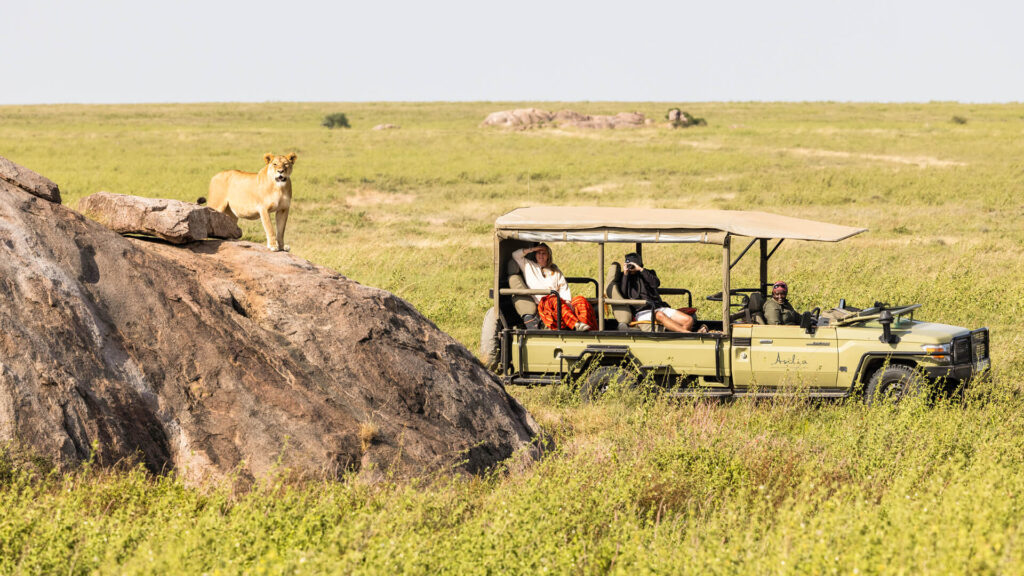
What is the best location for migration photography in Kenya? The Maasai Mara National Reserve is the epicenter of Kenya Great Migration photography, attracting global attention from photographers seeking dramatic wildebeest river crossings, close predator encounters, and rolling savannah landscapes. From July to October, when herds move from the Serengeti into Maasai Mara, photographers can capture large-scale compositions, action shots, and intimate wildlife interactions. Kenya Safaris and Kenya Wildlife Safaris in Maasai Mara offer unique vantage points along the Mara River, hippo pools, and kopjes, where lions, cheetahs, and hyenas engage with migrating herds. Kenya Birding Safaris also enrich photographic opportunities, allowing visitors to combine large mammals with vibrant avian life, adding layers of complexity to the images captured.
Travelers exploring this question, “What is the best location for migration photography?”, benefit from the strategic positioning of camps and lodges that Terenga Safaris arranges. These accommodations provide early morning and late afternoon access to prime photography sites, ensuring optimal lighting for both landscape and wildlife shots. Moi International Airport or Jomo Kenyatta International Airport in Nairobi serve as convenient arrival points, facilitating smooth transfers to Maasai Mara or other safari destinations. Photographers combining Kenya Great Migration tours with Uganda Gorilla Trekking experience diverse subjects, from dramatic plains to tropical forests, enriching their photographic portfolio with contrasting ecosystems. Terenga Safaris’ expertise in timing, park navigation, and guided photography ensures visitors maximize every opportunity to capture high-quality images, creating memories that last a lifetime.
Combining Tanzania and Kenya Migration Photography
What is the best location for migration photography when combining Tanzania and Kenya itineraries? For photographers aiming to document the full migration cycle, combining Serengeti and Maasai Mara ensures coverage of the entire movement of wildebeest herds, from birthing in Ndutu to river crossings in Mara. Such a multi-country approach allows for diverse compositions, capturing predator interactions, herd dynamics, and scenic landscapes that span two countries. Tanzania Wildlife Safaris provide northern and western Serengeti access, while Kenya Safaris ensure peak photographic opportunities in Maasai Mara. This combination enhances both technical and aesthetic outcomes, as photographers experience the variation of light, terrain, and wildlife density throughout the year.
Visitors asking “What is the best location for migration photography?” in this context should plan for well-timed arrivals aligned with migration peaks. Kilimanjaro International Airport and Jomo Kenyatta International Airport serve as optimal gateways, allowing seamless transit between countries and park systems. Terenga Safaris integrates logistical support, including internal flights, park transfers, and mobile safari camps, to maximize photography time. By also including Uganda Gorilla Trekking in the itinerary, photographers enjoy an additional layer of wildlife diversity, contrasting the vast open plains of Tanzania and Kenya with dense forested habitats of Uganda. Terenga Safaris ensures that photographers not only access the best migration locations but also receive expert guidance on composition, framing, and ethical wildlife photography practices.
How to Reach Prime Migration Photography Locations
What is the best location for migration photography and how can travelers reach these remote safari hotspots efficiently? In Tanzania, Kilimanjaro International Airport provides access to Northern Circuit lodges and airstrips servicing Serengeti and Ngorongoro, while Julius Nyerere International Airport connects travelers to Selous and southern circuits. Chartered flights and guided transfers reduce road travel time, allowing photographers to arrive refreshed at prime shooting locations. Tanzania Cultural Safaris, such as visits to Maasai or Chagga communities, are conveniently integrated en route to wildlife parks, creating balanced itineraries.
In Kenya, Jomo Kenyatta International Airport or Moi International Airport serve as primary hubs. From there, 4×4 transfers, domestic flights, and guided road trips lead directly to Maasai Mara, Amboseli, and Tsavo, ensuring early access to sunrise game drives for photography. Terenga Safaris advises that “What is the best location for migration photography?” is not only about park selection but also about optimizing travel logistics, minimizing time away from photographic opportunities, and combining cultural experiences. Coordinating entry airports, park transfers, and accommodation access ensures every minute in the field is productive, safe, and professionally guided, enhancing the quality of images captured during the migration.
What to Expect on Migration Photography Safaris
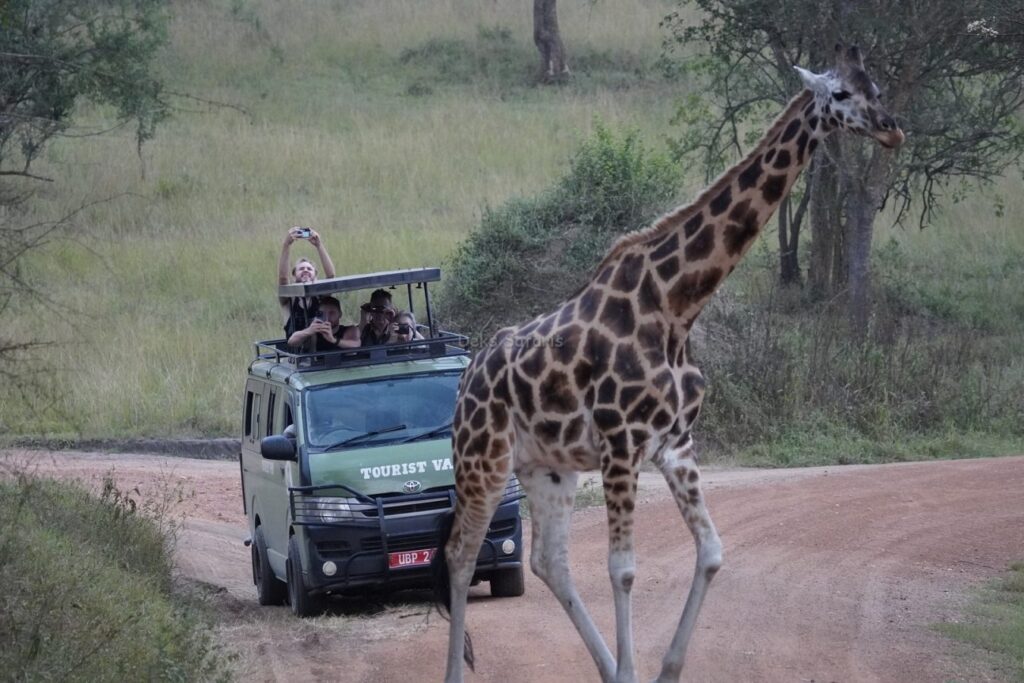
What is the best location for migration photography and what experiences can photographers expect? Visitors will witness dramatic predator-prey dynamics, large-scale herd movements, and iconic East African landscapes. Tanzania Great Migration tours allow wide-angle shots of sweeping plains, intimate predator interactions, and river-crossing action. Kenya Great Migration experiences focus on the Mara River crossings, kopjes, and open savannah compositions. Photographers may also observe birding activity, integrating Kenya Birding Safaris or Tanzania avian species into their portfolios, creating visually rich images combining mammals and birds in the same frame.
Travelers asking “What is the best location for migration photography?” also benefit from cultural interactions, such as visits to Maasai, Samburu, or Chagga communities. Terenga Safaris ensures that photographers experience both wildlife and cultural immersion while maintaining ethical photography practices, guiding clients to minimize disturbance and maximize creative opportunity. Combining migration safaris with Uganda Gorilla Trekking provides contrast in habitats and subjects, allowing photographers to produce diverse portfolios ranging from savannah predators to endangered mountain gorillas. The overall experience is structured to balance intense wildlife observation with comfort, safety, and narrative storytelling through photography.
Cultural Experiences During Migration Photography Safaris
What is the best location for migration photography when cultural immersion is a key component? In Tanzania, travelers may interact with Maasai or Chagga communities, learning traditional crafts, dances, and rituals that add context to wildlife photography. Kenya Safaris incorporate visits to Maasai and Samburu villages, enabling photographers to capture human-wildlife relationships and vibrant cultural scenes. Including Tanzania Cultural Safaris or Kenya Cultural Safaris within migration-focused itineraries enriches the photographic story, blending action shots of wildebeest with portraits of local people, landscapes, and cultural artifacts.
Visitors asking “What is the best location for migration photography?” gain the advantage of integrated safari experiences curated by Terenga Safaris. Every itinerary combines wildlife photography, birding, cultural encounters, and Uganda Gorilla Trekking options, providing a comprehensive East African adventure. Strategic planning ensures that airports, park transfers, and accommodations are positioned for maximum photographic convenience, minimizing downtime and optimizing sunrise and sunset lighting conditions. By combining these elements, Terenga Safaris helps photographers produce both technically excellent and emotionally compelling images, reflecting Africa’s extraordinary diversity.
Best Time for Migration Photography Safaris
What is the best location for migration photography in relation to timing? Understanding seasonal patterns is critical. In Tanzania, peak migration photography occurs from June to October, capturing wildebeest river crossings, predator interactions, and concentrated herd movements. Kenya Great Migration is best observed from July to October, with dramatic Mara River crossings offering iconic compositions. Wet seasons provide lush landscapes, birding activity, and less crowded conditions, while dry seasons offer optimal wildlife visibility and natural lighting for photography.
Travelers asking “What is the best location for migration photography?” should plan around these windows to maximize imagery quality. Terenga Safaris also advises photographers to combine Kenya or Tanzania migration safaris with Uganda Gorilla Trekking during dry months from June to September or December to February, creating complementary photographic opportunities. Professional guidance ensures clients capture both behavioral wildlife shots and scenic compositions, balancing technical excellence with storytelling. Planning arrivals at major airports such as Kilimanjaro International or Jomo Kenyatta International aligns logistics with prime photographic conditions, ensuring every moment of the safari contributes to a professional portfolio.
Why Choose Terenga Safaris for Migration Photography Safaris
What is the best location for migration photography when guided by experts? Terenga Safaris offers unmatched regional experience, personalized itineraries, and professional support for wildlife and migration photography. Travelers benefit from our knowledge of Tanzania Great Migration routes, Kenya Great Migration hotspots, prime sunrise and sunset locations, and park-specific photography guidelines. Kenya Safaris, Tanzania Safaris, and Uganda Gorilla Trekking experiences are seamlessly combined, allowing photographers to capture diverse wildlife and habitats without logistical stress.
Visitors asking “What is the best location for migration photography?” gain access to expert advice, 4×4 support, photography tips, and guided drives that maximize shooting opportunities. Our team ensures ethical wildlife photography, park compliance, and strategic placement within reserves. Terenga Safaris positions itself as an authoritative, trustworthy partner for photography enthusiasts, combining Africa Tourism expertise with personalized service, ensuring every safari delivers both adventure and exceptional photographic results.