Uganda Safaris: Explore the Ultimate Wildlife and Cultural Experiences
December 16, 2025
What Are the Best Months for Wildlife Viewing in Uganda?
December 16, 2025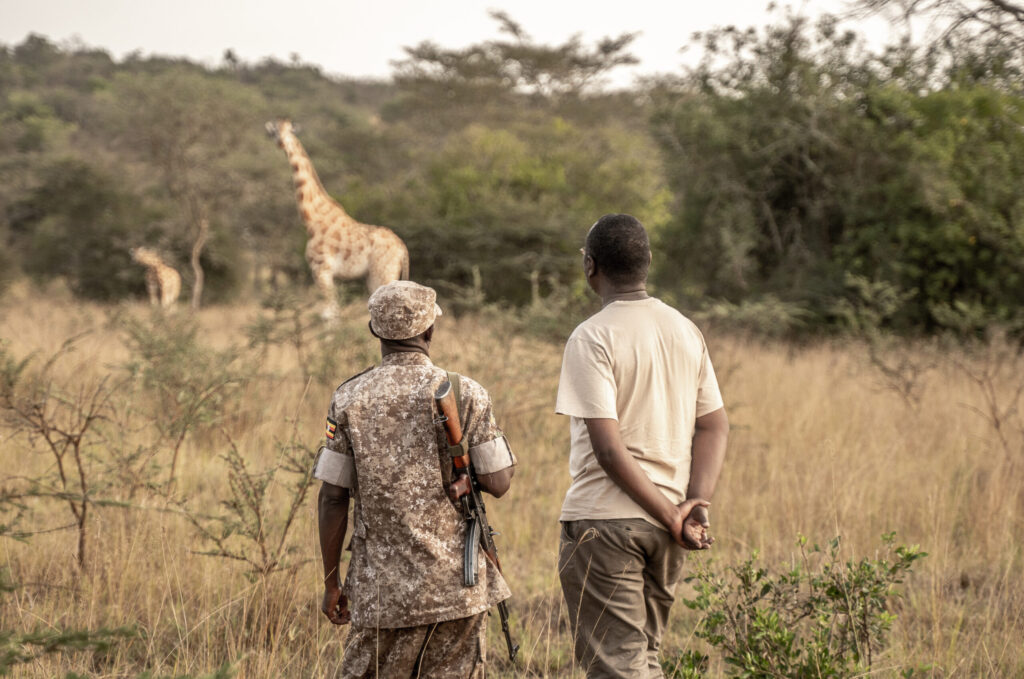
What Are Some Responsible Safari Practices?
What are some responsible safari practices? This question has become increasingly significant as the world seeks sustainable and ethical travel experiences. Terenga Safaris understands that modern travelers not only look for unforgettable wildlife encounters but also expect responsible tourism practices that preserve natural habitats, protect wildlife, and support local communities. Whether you are planning Kenya Safaris, Kenya Wildlife Safaris, Kenya Birding Safaris, Tanzania Safaris, Tanzania Wildlife Safaris, or combining these with Uganda Gorilla Trekking experiences, responsible safari behavior ensures the longevity of Africa’s ecosystems and enhances the authenticity of your adventure.
Africa is home to some of the world’s most spectacular wildlife and cultural experiences. From the plains of Maasai Mara during the Kenya Great Migration to Tanzania’s Serengeti and Ngorongoro Crater witnessing the Tanzania Great Migration, travelers encounter nature in its purest form. Terenga Safaris emphasizes that responsible safari practices are not just ethical guidelines—they are essential steps for every visitor to contribute positively to conservation and cultural preservation. These practices involve minimizing environmental impact, respecting local traditions, following park regulations, and engaging in wildlife viewing in a non-intrusive manner.
Visitors choosing Kenya Best Safaris or Tanzania Best Safaris will find that responsible safari practices also enhance personal safety and enrich the travel experience. A well-informed approach allows guests to observe predators, elephants, giraffes, and rare birds without disturbing their natural behavior. Incorporating Kenya Cultural Safaris or Tanzania Cultural Safaris into your itinerary ensures travelers gain a deeper understanding of local heritage while participating in tourism that supports community development. By following ethical guidelines, travelers can leave a positive footprint, fostering long-term sustainability and building Terenga Safaris’ reputation as a trusted authority in East African tourism.
Understanding the Importance of Responsible Safari Practices
Wildlife habitats across Kenya and Tanzania are increasingly under pressure from climate change, poaching, and unsustainable tourism. Asking “What are some responsible safari practices?” is not merely an academic exercise—it directly influences how national parks and conservation areas thrive. Engaging in Kenya Wildlife Safaris or Tanzania Wildlife Safaris without understanding ethical guidelines can disrupt animal behavior, damage fragile ecosystems, and diminish the quality of the safari experience.
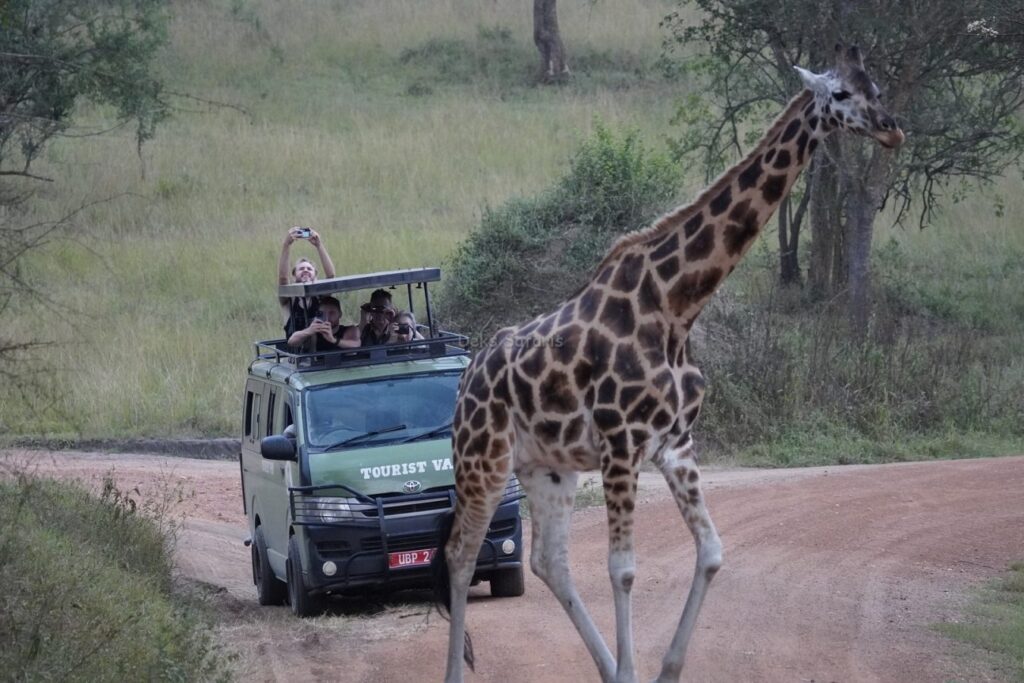
Responsible safari practices start with preparation. Selecting environmentally-conscious lodges, minimizing single-use plastics, adhering to park rules, and hiring certified local guides are key steps every visitor should follow. When travelers combine Uganda Gorilla Trekking with Kenya or Tanzania Safaris, the awareness of diverse ecosystems—from dense Ugandan rainforests to open savannahs—reinforces the importance of sustainable behaviors. Observing wildlife quietly, maintaining safe distances, and avoiding feeding animals are core aspects of ethical safari engagement.
Cultural sensitivity forms another crucial dimension. Tourists participating in Kenya Cultural Safaris or Tanzania Cultural Safaris must approach local communities with respect, support community-led initiatives, and seek permission before photographing individuals. Terenga Safaris ensures that all guests are briefed on these practices to prevent unintentional harm and foster mutual respect. Responsible safari practices also involve supporting local conservation initiatives, contributing to anti-poaching efforts, and choosing tour operators committed to environmental stewardship. This approach not only preserves wildlife for future generations but elevates travelers’ experiences, making safaris truly transformative and unforgettable.
Responsible Safari Practices in Kenya
Maasai Mara National Reserve
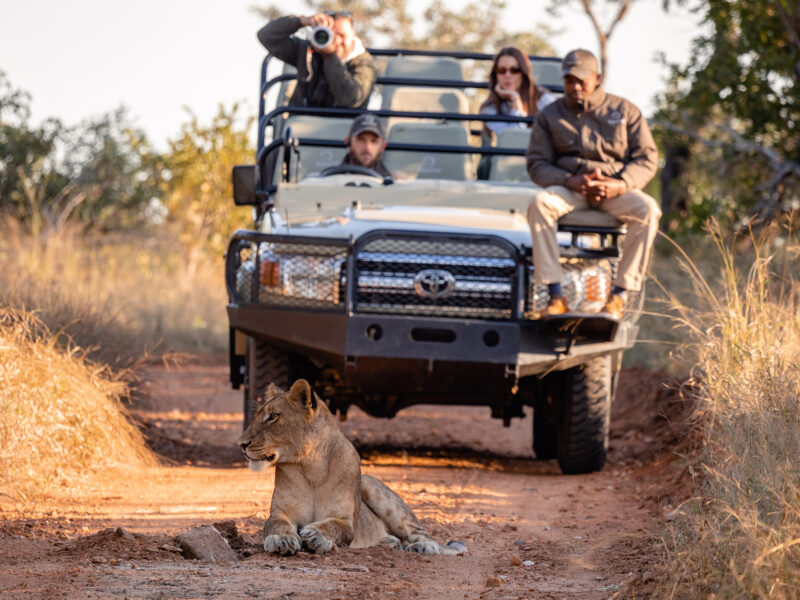
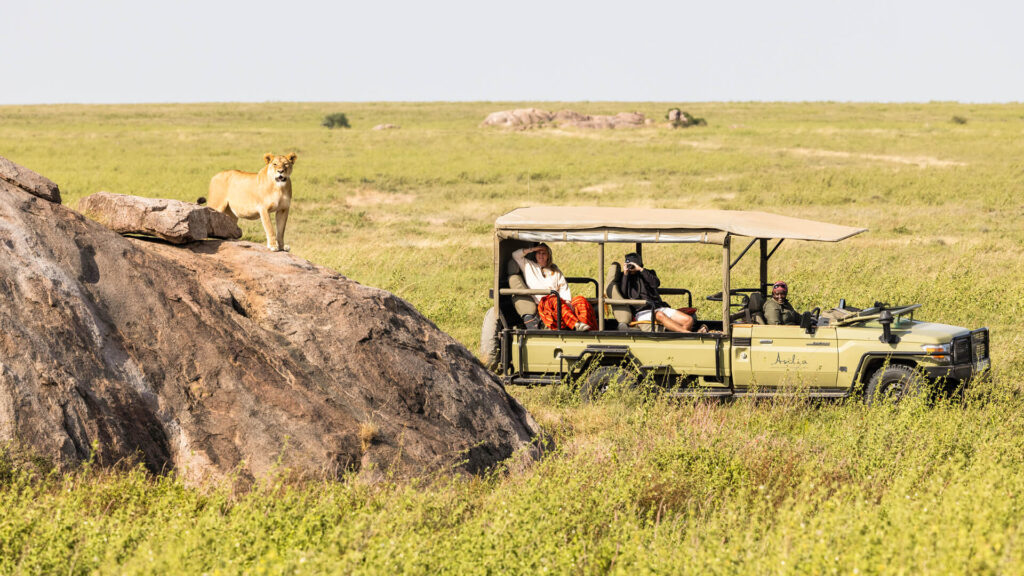
When asking “What are some responsible safari practices?” visitors to the Maasai Mara will find that ethical behavior significantly improves both wildlife observation and conservation outcomes. Travelers engaging in Kenya Safaris or Kenya Wildlife Safaris should maintain safe distances from predators such as lions and cheetahs, refrain from loud noises, and avoid off-road driving, which can damage vegetation and animal habitats.
The Maasai Mara offers cultural immersion opportunities through Kenya Cultural Safaris. Respecting Maasai traditions, observing proper etiquette during village visits, and supporting community projects are all forms of responsible behavior. Combining Maasai Mara excursions with Uganda Gorilla Trekking enhances travelers’ appreciation for diverse ecosystems and the interconnectedness of conservation efforts across East Africa.
Using licensed guides, staying in eco-friendly lodges, and participating in responsible photography practices are crucial components. Terenga Safaris ensures that all guests understand these guidelines before embarking on Kenya Best Safaris or Kenya Birding Safaris. By following responsible practices, travelers contribute to sustainable tourism, protect endangered species, and enrich their safari experience by observing authentic wildlife behavior without causing disturbance.
Amboseli National Park
Amboseli National Park, famous for its iconic views of Mount Kilimanjaro and large elephant herds, also benefits from responsible tourism practices. Travelers frequently ask, “What are some responsible safari practices?” when visiting Amboseli, and our guidance focuses on minimizing environmental impact and promoting community engagement. Visitors should avoid littering, stick to designated roads, and respect park regulations regarding photography and vehicle movement.
Guests combining Amboseli adventures with Tanzania Safaris or Uganda Gorilla Trekking gain a broader perspective on regional conservation challenges. Engaging responsibly in Amboseli enhances wildlife viewing opportunities, ensures safe interactions, and supports local communities through cultural tourism initiatives. Terenga Safaris educates visitors on ethical photography, appropriate dress codes, and interaction protocols, ensuring that Kenya Safaris remain both safe and sustainable.
Responsible Safari Practices in Tanzania
Serengeti National Park and the Great Migration
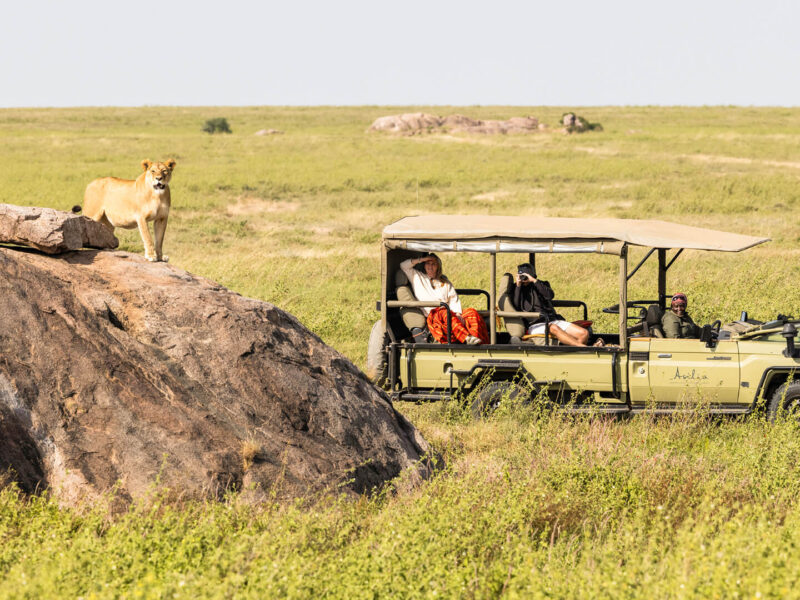
Travelers exploring Tanzania Safaris often marvel at the Serengeti’s wildlife diversity and the spectacle of the Tanzania Great Migration. Asking “What are some responsible safari practices?” is essential for maintaining the ecological integrity of this world-famous ecosystem. Visitors should avoid chasing animals for photographs, maintain safe distances, and refrain from making loud noises that may disrupt natural behaviors.
Responsible safari practices in Serengeti National Park also extend to minimizing carbon footprints. Opting for eco-friendly accommodations, using park-authorized vehicles, and supporting local guides helps sustain the park’s economy and environmental health. Cultural engagements, part of Tanzania Cultural Safaris, further enrich the experience while benefiting local communities. Travelers combining Serengeti safaris with Uganda Gorilla Trekking will appreciate how consistent responsible behavior across countries contributes to long-term conservation and ecological balance.
Ngorongoro Crater
Ngorongoro Crater’s unique ecosystem requires strict adherence to ethical safari practices. Visitors often ask, “What are some responsible safari practices?” when planning Tanzania Wildlife Safaris in this area. Staying on designated tracks, avoiding litter, and observing wildlife from safe distances are essential to protect both flora and fauna.
Community-focused tourism is equally important. Engaging in Tanzania Cultural Safaris within Maasai villages surrounding the crater promotes cultural exchange and supports sustainable livelihoods. Responsible safari practices in Ngorongoro ensure that visitors experience the natural beauty and wildlife diversity fully, without contributing to environmental degradation.
How to Reach Kenya and Tanzania Safaris Responsibly
Travelers planning Kenya Safaris or Tanzania Safaris often inquire, “What are some responsible safari practices?” regarding transport and accessibility. Most visitors fly into major hubs such as Nairobi, Jomo Kenyatta International Airport, or Kilimanjaro International Airport. From these points, domestic flights and guided transfers to parks like Maasai Mara, Amboseli, Serengeti, or Ngorongoro are organized to reduce environmental impact and ensure safety.
Terenga Safaris provides detailed itineraries that integrate eco-conscious transportation options, including fuel-efficient vehicles and shared game drives, minimizing carbon footprints while maximizing wildlife viewing. Multi-country travelers combining Uganda Gorilla Trekking with Kenya and Tanzania Safaris benefit from coordinated travel planning that promotes responsible movement across diverse ecosystems. Responsible transport practices help maintain park ecosystems, reduce congestion, and support a more authentic wildlife experience.
What to Expect on a Responsible Safari
Understanding “What are some responsible safari practices?” also entails knowing what to anticipate during ethically guided experiences. Visitors can enjoy Kenya Birding Safaris, Tanzania Wildlife Safaris, or cultural encounters while maintaining low-impact behavior. Expect quiet game drives, respectful observation of animals, and guided cultural experiences with local communities that emphasize conservation awareness and ethical engagement.
Guests combining Kenya or Tanzania Safaris with Uganda Best Safaris or Uganda Gorilla Trekking are encouraged to maintain consistent responsible behavior, including adhering to park rules, following guide instructions, and respecting wildlife habitats. Terenga Safaris ensures that all travelers experience the majesty of African wildlife while leaving minimal environmental footprints, fostering meaningful connections with nature and local cultures.
Best Time for Responsible Safaris in Kenya and Tanzania
Travelers frequently ask, “When is the best time for Kenya and Tanzania Safaris?” in relation to responsible wildlife viewing. Dry seasons, typically from June to October and December to February, provide optimal conditions for wildlife observation with minimal mosquito activity, reducing health risks and environmental disruption. Rainy seasons, while lush and photogenic, require extra caution to prevent erosion, disturbance to habitats, and excessive off-road driving.
Combining Kenya Great Migration or Tanzania Great Migration experiences with Uganda Gorilla Trekking requires careful planning to maximize responsible engagement during peak wildlife activity. Terenga Safaris offers expert advice on timing itineraries to ensure guests observe spectacular animal behaviors while supporting conservation best practices and sustainable tourism efforts.
Why Choose Terenga Safaris for a Responsible Safari
Choosing a safari provider that emphasizes ethical travel is crucial for a meaningful experience. Travelers asking “What are some responsible safari practices?” benefit greatly from Terenga Safaris’ extensive expertise across Kenya Safaris, Kenya Wildlife Safaris, Tanzania Safaris, Tanzania Wildlife Safaris, and Uganda Gorilla Trekking. Our team prioritizes sustainable tourism, guides guests on ethical wildlife observation, facilitates cultural exchanges, and ensures compliance with local conservation regulations.
By selecting Terenga Safaris, visitors gain confidence in professionally curated itineraries that combine Kenya Cultural Safaris, Tanzania Cultural Safaris, and multi-country adventures while maintaining minimal environmental impact. Our commitment to Experience, Expertise, Authoritativeness, and Trustworthiness positions Terenga Safaris as a leading source of reliable Africa tourism guidance, ensuring every journey is transformative, safe, and responsible.