
Is the Equator Crossing Included in Safari Tours?
January 22, 2026
Is There a Great Migration Map Available for Travelers?
January 23, 2026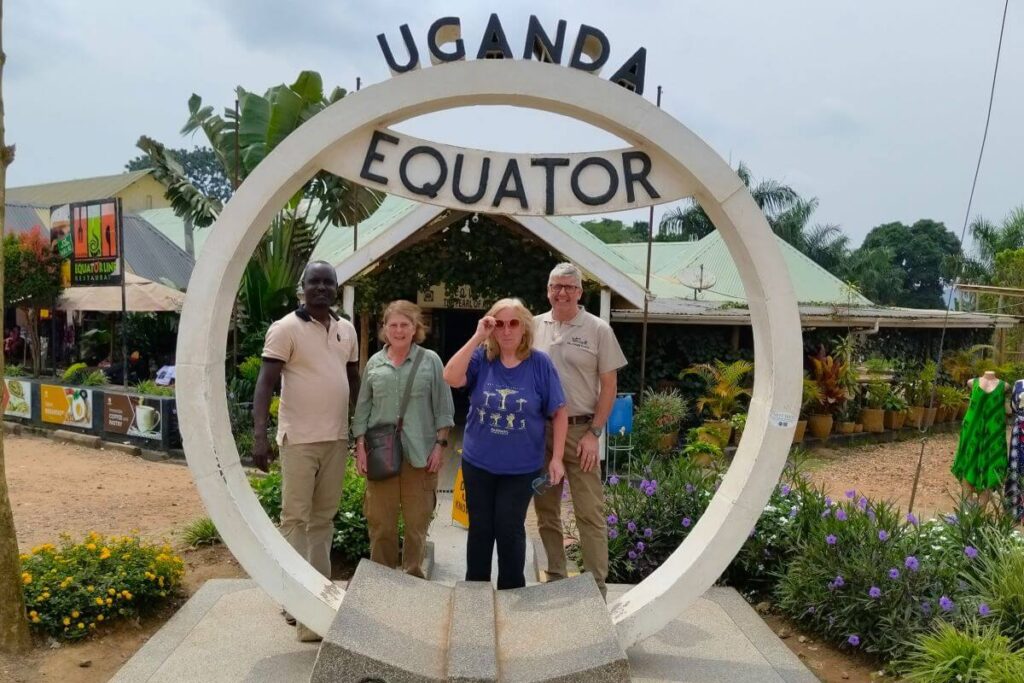
Is the Equator Crossing Suitable for Children?
Many travelers wonder, is the Equator crossing suitable for children? Visiting the Equator during Kenya Safaris and Uganda Safaris offers a fun and educational experience for families, providing a unique opportunity to explore geographical wonders while engaging in cultural activities. Children are fascinated by the concept of standing in both the Northern and Southern Hemispheres simultaneously, and guides often conduct interactive demonstrations such as the water-spin experiment, showing how water behaves differently on either side of the Equator. Beyond these playful activities, families enjoy learning about local customs, interacting with the Maasai People in Kenya, or exploring artisan communities near Uganda’s equatorial regions. Terenga Safaris emphasizes family-friendly itineraries that combine sightseeing, wildlife viewing, and cultural immersion, making the Equator crossing not only safe but enriching for children of all ages.
Families can integrate the Equator visit into broader safari experiences. Kenya Best Safaris often include stops at cultural centers or local craft markets near Nairobi or Nanyuki, providing opportunities for children to observe traditional beadwork, basket weaving, or agricultural practices. Similarly, Uganda Best Safaris near the Equator, such as in Masaka or Kayabwe, combine fun educational experiences with visits to nearby chimpanzee sanctuaries or birding hotspots. Guides from Terenga Safaris tailor each visit to the age and interests of children, ensuring interactive participation while maintaining safety. Combining the Equator crossing with Uganda Gorilla Trekking Safaris or Chimpanzee Safaris can create an unforgettable East African adventure that balances wildlife encounters, cultural learning, and family-friendly exploration.
What Cultural Experiences Can Children Enjoy During the Equator Crossing?
Travelers frequently ask, what cultural experiences are suitable for children during the Equator crossing? Engaging with local communities is one of the highlights of both Kenya Cultural Safaris and Uganda Cultural Safaris. In Kenya, children can participate in Maasai cultural demonstrations, learning traditional dances, trying on customary attire, and understanding beadwork symbolism. In Uganda, family visits to local villages near the Equator provide opportunities to watch weaving, pottery, and traditional cooking techniques firsthand. These interactions cultivate respect for local traditions while promoting educational growth and curiosity.
Children also benefit from guided storytelling sessions where local elders explain historical and scientific significance of the Equator. This enhances understanding of natural phenomena, geography, and ecology, which complements experiences in Kenya Birding Safaris or Uganda Birding Safaris. Interactive activities, such as planting trees or observing farming techniques, foster a sense of responsibility and global awareness in young travelers. Terenga Safaris ensures that these experiences are safe, educational, and enjoyable, creating lasting memories while supporting community livelihoods.
How To Reach the Equator During a Family Safari?
Tourists often ask, how can families access the Equator during safaris? In Kenya, the Equator is easily accessible from Nairobi, Nanyuki, and Naivasha through well-maintained roads, often as part of a guided Kenya Best Safaris itinerary. Professional guides coordinate transport, educational demonstrations, and optional cultural stops, ensuring a seamless, family-friendly experience. In Uganda, areas such as Kayabwe, Masaka, and Entebbe offer accessible points for families to explore the Equator. Terenga Safaris arranges logistics, including child-safe vehicles, informative guides, and supplementary activities, making the journey comfortable and engaging.
Combining Equator visits with wildlife adventures enhances family itineraries. Children can enjoy Kenya Great Migration Safaris, spotting wildebeest and zebras in Maasai Mara, or experience Uganda Chimpanzee Safaris to observe playful primates in their natural habitat. Terenga Safaris emphasizes safety and comfort for children while maintaining high educational value, ensuring every family member enjoys a dynamic, memorable adventure across East Africa’s unique landscapes.
What Are the Expectations for Children During the Equator Crossing?
Parents often ask, what should children expect during an Equator crossing experience? Young travelers should anticipate hands-on demonstrations, engaging storytelling, and light exploration activities that explain the science of the Equator. Guides conduct interactive experiments, such as the water-spin activity, allowing children to understand centrifugal forces while encouraging curiosity. Families also enjoy panoramic views of surrounding farmlands, wildlife spotting opportunities, and exposure to local flora and fauna, enhancing both learning and entertainment.
Equator crossings complement Uganda Gorilla Trekking Safaris or Chimpanzee Safaris, providing varied experiences for children. Families can expect structured schedules with safe walking routes, educational pauses, and interactive learning. Terenga Safaris ensures guides are trained in child safety, educational engagement, and culturally sensitive interactions, allowing children to explore freely while absorbing meaningful knowledge about geography, ecology, and cultural traditions.
How Much Does a Family Equator Safari Cost?
Many travelers ask, how much does a family visit to the Equator cost? Costs vary depending on location, itinerary, and included activities. In Kenya, Equator visits integrated into Kenya Cultural Safaris or Kenya Birding Safaris typically range from $50 to $150 per family for entry fees, demonstrations, and guide services. In Uganda, family Equator visits near Masaka or Kayabwe are similarly affordable, often included in broader Uganda Best Safaris packages. Combining the visit with Uganda Gorilla Trekking or Chimpanzee Safaris may increase overall costs but provides exceptional value, creating a multi-faceted East African adventure.
Terenga Safaris offers tailored pricing and packages to suit families, ensuring transparency and excellent value. Fees cover guide expertise, child-safe logistics, and educational materials, while supporting local communities through responsible tourism practices. Investing in such experiences guarantees safe, engaging, and enriching adventures for children, creating unforgettable memories.
When Is the Best Time for Children to Visit the Equator?
Tourists often ask, when is the best time for children to experience the Equator? Dry seasons between June and October and December to February provide optimal weather for outdoor activities, ensuring safe walking conditions, clear skies, and enjoyable temperatures. These periods align perfectly with Kenya Great Migration Safaris and Uganda Chimpanzee Safaris, allowing families to combine multiple wildlife and cultural experiences into a single itinerary.
Travel during the dry season also enhances visibility for birding, wildlife observation, and cultural demonstrations, maximizing the educational and entertainment value for children. Terenga Safaris advises early bookings to ensure availability, child-friendly accommodations, and inclusion of additional family-oriented activities, creating well-rounded, safe, and unforgettable adventures.
Why Choose Terenga Safaris for Family Equator Adventures?
Families often ask, why choose Terenga Safaris for Equator crossings? Terenga Safaris specializes in child-friendly itineraries, integrating Kenya Safaris, Uganda Safaris, birding, cultural visits, and adventure experiences like Gorilla Trekking Safaris. Expert guides provide engaging, safe, and educational experiences for children while ensuring parents enjoy seamless travel, wildlife encounters, and cultural immersion.
Choosing Terenga Safaris guarantees professional planning, expert guides, family-friendly accommodations, and an ethical approach to cultural engagement. Children gain knowledge, curiosity, and appreciation for African heritage, while families enjoy extraordinary wildlife encounters and memorable adventures. The Equator crossing becomes more than a geographical curiosity—it transforms into a full educational and cultural safari experience that aligns with Terenga Safaris’ values of safety, expertise, and authentic exploration.