Is Jinja Suitable for Family and Children-Friendly Safari Experiences?
January 22, 2026
Is Safari Possible During the Rainy Season?
January 22, 2026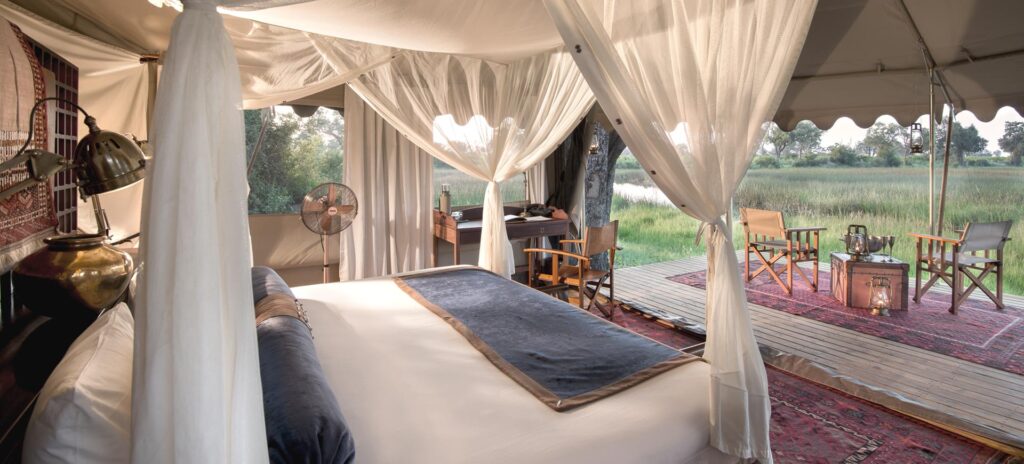
Is malaria common in safari areas?
When planning Kenya Safaris, Uganda Safaris, or any East African adventure, one of the most frequently asked questions is, is malaria common in safari areas? Understanding the risk of malaria is crucial for travelers seeking safe and enjoyable experiences while exploring Africa’s wildlife and cultural treasures. Malaria is a mosquito-borne disease found in many tropical regions, and it does occur in popular safari destinations like Kenya’s Maasai Mara, Amboseli, and Samburu, as well as Uganda’s Bwindi Impenetrable Forest, Kibale National Park, and Queen Elizabeth National Park. The prevalence varies depending on altitude, rainfall, and local ecology, with higher-risk areas typically being lowland savannahs, wetlands, and riverine zones where Anopheles mosquitoes thrive.
Terenga Safaris emphasizes that while malaria is present, it can be effectively managed with preventive measures such as prophylactic medication, wearing long sleeves and trousers during dawn and dusk, and using mosquito repellent. Travelers on Kenya Birding Safaris, Kenya Cultural Safaris, Uganda Birding Safaris, and Gorilla Trekking Safaris can still enjoy their adventures safely when proper precautions are taken. Knowing is malaria common in safari areas? allows guests to plan their packing, timing, and health preparations effectively, ensuring that their Kenya Best Safaris, Kenya Great Migration Safaris, or Uganda Best Safaris remain memorable for wildlife encounters rather than health concerns.
Which safari destinations have higher malaria risks?
Understanding is malaria common in safari areas? requires recognizing which regions present higher exposure risks. Kenya Safaris in lowland areas like Maasai Mara, Amboseli, and Tsavo have moderate malaria risk due to seasonal rains that create mosquito breeding grounds. Meanwhile, higher-altitude regions such as the Aberdare Ranges or Mount Kenya’s upper slopes carry lower malaria incidence. Similarly, Uganda Safaris in Bwindi Impenetrable Forest or Kibale National Park, often included in Gorilla Trekking Safaris and Chimpanzee Safaris, are in humid, dense forest regions where mosquito activity is more pronounced.
Terenga Safaris ensures that travelers are informed about these risks prior to departure. Guides provide clear instructions about the timing of outdoor activities, protective clothing, and other preventive measures. Additionally, for Kenya Cultural Safaris or Uganda Cultural Safaris, visits to local communities occur with precautions in place, as these areas are often near riverine or wetland habitats. By understanding is malaria common in safari areas?, visitors can prepare with antimalarial medication and reduce exposure, allowing them to focus on exceptional wildlife sightings, birding experiences, and cultural immersion.
How to reach malaria-prone safari destinations safely?
Travelers often wonder, is malaria common in safari areas? when planning their transport to remote locations. Reaching Kenya Safaris destinations like Maasai Mara or Samburu typically involves short domestic flights from Nairobi or comfortable road transfers, sometimes over rough terrain. Uganda Safaris often begin in Entebbe or Kampala, with onward travel to Bwindi, Kibale, or Queen Elizabeth National Park via scenic drives or chartered flights.
Terenga Safaris emphasizes that proper travel planning also reduces malaria risk. Lodges and camps are carefully selected for elevated positions, screened windows, and mosquito nets. For travelers on Kenya Birding Safaris or Uganda Birding Safaris, early morning and late afternoon wildlife drives are structured with preventive advice, ensuring guests minimize mosquito exposure while maximizing sightings. Knowing is malaria common in safari areas? helps tourists plan travel times, select lodges with protective infrastructure, and maintain health without compromising safari enjoyment.
What should travelers expect during malaria-preventive safaris?
Visitors often ask, is malaria common in safari areas? while preparing for a full itinerary of Kenya Best Safaris or Uganda Best Safaris. Travelers can expect a combination of thrilling wildlife encounters, scenic landscapes, and cultural immersion, all while following health precautions. For instance, guests on Gorilla Trekking Safaris in Bwindi or Chimpanzee Safaris in Kibale are advised to take antimalarial medication, use insect repellent, and wear appropriate clothing. Similarly, Kenya Cultural Safaris or Maasai People visits emphasize respectful engagement while avoiding mosquito-heavy areas during peak activity times.
Terenga Safaris ensures that guides brief travelers on daily routines to minimize exposure, such as timing morning and evening game drives to balance wildlife observation with health safety. Guests can therefore enjoy Kenya Great Migration Safaris or Uganda Birding Safaris knowing that malaria prevention measures are integrated seamlessly into the itinerary. Understanding is malaria common in safari areas? ensures that travelers’ expectations align with both health safety and enriching safari experiences, combining adventure with peace of mind.
How much do malaria-preventive safaris cost?
Considering is malaria common in safari areas? also requires evaluating associated costs. While Kenya Safaris and Uganda Safaris prices vary, incorporating malaria prevention into the safari experience is generally affordable. Antimalarial medication, protective clothing, and repellent are relatively low-cost investments for health and safety. A standard Kenya Best Safaris or Uganda Best Safaris package includes well-located lodges with mosquito nets and professional guides trained in preventive measures.
Terenga Safaris designs cost-effective itineraries for Kenya Cultural Safaris, Uganda Cultural Safaris, and Uganda Birding Safaris while ensuring health protocols are followed. Guests can combine Gorilla Trekking Safaris with Kenya or Uganda safari packages without worrying about malaria risk when preventive strategies are adhered to. Knowing is malaria common in safari areas? helps travelers budget wisely, understanding that preventive measures are an essential and manageable part of a quality safari experience.
When is the best time to reduce malaria risk?
Seasonality affects malaria prevalence, a key consideration for travelers asking, is malaria common in safari areas? The dry seasons in Kenya and Uganda, typically June–October and December–February, reduce mosquito breeding sites and lower malaria risk. This period coincides with Kenya Great Migration Safaris and prime Uganda Gorilla Trekking times, allowing guests to enjoy both wildlife abundance and minimal disease exposure.
Terenga Safaris advises that while malaria is present year-round, visiting during dry months ensures safer outdoor activities for Kenya Birding Safaris, Uganda Birding Safaris, and cultural experiences. Guests can plan their trips with confidence, knowing is malaria common in safari areas? and choose periods that balance health, wildlife visibility, and comfort for the ultimate safari experience.
Why choose Terenga Safaris for malaria-safe safari experiences?
Expert guidance matters when considering is malaria common in safari areas? Terenga Safaris leverages years of East African safari experience to provide travelers with expertly planned itineraries, including Kenya Safaris, Uganda Safaris, cultural immersions, birding adventures, and Gorilla Trekking Safaris. Professional guides prioritize health, safety, and enjoyment, incorporating malaria prevention seamlessly into daily schedules.
Guests benefit from accommodations with mosquito-protected facilities, carefully timed activities, and expert advice on antimalarial protocols. Combining Kenya Cultural Safaris with Uganda Gorilla Trekking Safaris or Chimpanzee Safaris becomes a worry-free experience under Terenga Safaris’ guidance. Understanding is malaria common in safari areas? positions Terenga Safaris as a trusted authority, ensuring travelers enjoy world-class safari experiences while staying safe and healthy.