How Much Does an East African Safari Cost?
December 11, 2025
Is Birding Good During Rainy Seasons?
December 12, 2025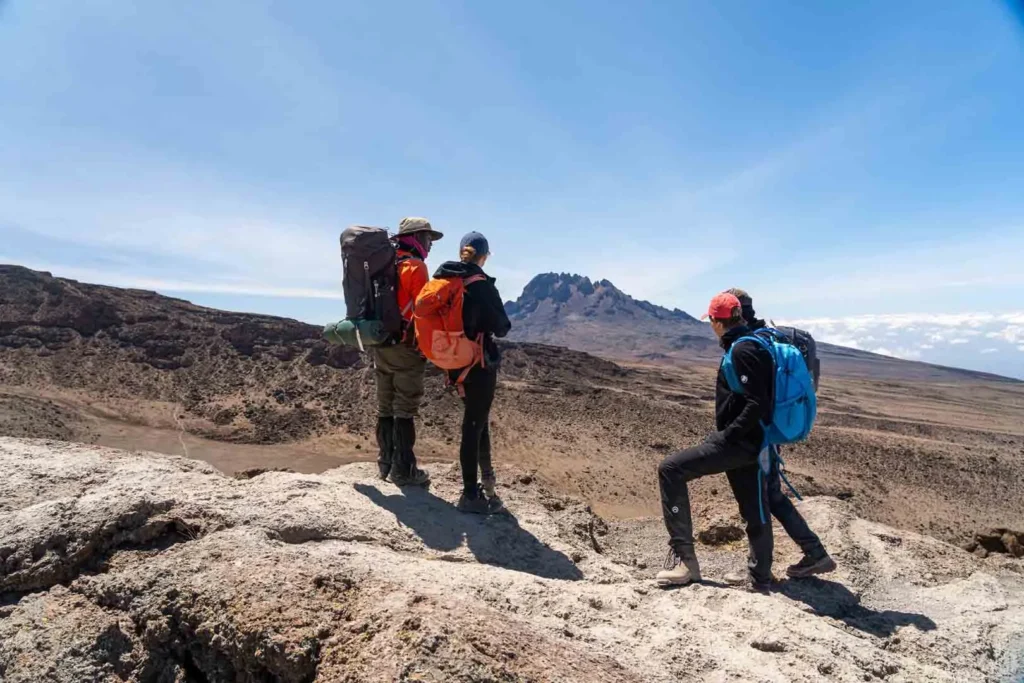
Is Altitude Sickness a Concern During Tanzania-Kenya Hiking Safaris?
Travelers planning Kenya Safaris or Tanzania Safaris often ask, Is Altitude Sickness a Concern During Tanzania-Kenya Hiking Safaris? when considering highland treks, mountain climbing, or visits to elevated national parks. Altitude sickness, medically known as Acute Mountain Sickness (AMS), arises when the body struggles to adapt to low oxygen levels at higher elevations. For visitors participating in Kenya Wildlife Safaris, Kenya Birding Safaris, or Tanzania Great Migration tours that include high-altitude destinations like Mount Kenya, the Ngorongoro Highlands, or Mount Kilimanjaro, understanding this risk is essential for safety and comfort.
Introduction – Understanding Altitude Challenges on East African Safaris
Altitude sickness can manifest as headaches, nausea, dizziness, shortness of breath, or fatigue, and may affect anyone regardless of fitness level. Travelers exploring Tanzania Wildlife Safaris or Kenya Best Safaris may encounter elevations exceeding 2,000 meters, making gradual acclimatization critical. Terenga Safaris specializes in guiding travelers through highland destinations, offering carefully curated itineraries that blend adventure, wildlife observation, and cultural experiences while minimizing the risk of altitude-related complications. Combining highland trekking with Uganda Gorilla Trekking, for instance, can be safely arranged with proper planning and support, ensuring that travelers enjoy the full spectrum of East African safari experiences without compromising their health. Answering the question, Is altitude sickness a concern?, requires detailed preparation, awareness of symptoms, and adherence to expert guidance, all of which are integral components of a Terenga Safaris expedition.
High-Altitude Destinations in Kenya and Tanzania
Explorers often ask, Is altitude sickness a concern?, when visiting East Africa’s highland regions. Kenya Safaris and Tanzania Safaris include several elevated areas where AMS may be experienced. Mount Kenya, the Aberdare Ranges, and Mount Longonot in Kenya provide unique trekking opportunities within Kenya Wildlife Safaris itineraries, offering lush montane forests, diverse wildlife, and panoramic landscapes. Tanzania hosts Mount Kilimanjaro, the Ngorongoro Highlands, and Usambara Mountains, where travelers can combine Tanzania Wildlife Safaris, Tanzania Cultural Safaris, or the Tanzania Great Migration experience with challenging yet rewarding high-altitude trekking.
Elevation changes in these destinations impact acclimatization, wildlife activity, and birding opportunities. For instance, Kenya Birding Safaris in Aberdare National Park or the Mau Escarpment offer sightings of rare highland birds and endemic species, while also exposing visitors to altitudes above 2,500 meters. Terenga Safaris ensures that itineraries allow for gradual elevation gains, rest days, and optional acclimatization hikes to help mitigate altitude sickness risks. Travelers gain confidence in their ability to safely explore highland destinations, effectively addressing concerns such as, Is altitude sickness a concern?, while enjoying some of East Africa’s most spectacular landscapes.
How Altitude Affects Travelers
Those considering highland adventures frequently wonder, Is altitude sickness a concern?, and how it could affect their safari experience. Reduced oxygen at higher elevations can slow physical performance, decrease stamina during Kenya Wildlife Safaris or Tanzania Wildlife Safaris, and exacerbate fatigue during long walking safaris or birdwatching excursions. Early recognition of symptoms is crucial, including mild headaches, nausea, and dizziness. Severe AMS can lead to High-Altitude Pulmonary Edema (HAPE) or High-Altitude Cerebral Edema (HACE), which require immediate medical attention.
Terenga Safaris emphasizes the importance of preparation, including gradual ascent schedules, proper hydration, and monitoring for warning signs. Guides trained in high-altitude health management accompany clients, ensuring safety while maintaining an enjoyable safari experience. Combining high-altitude treks with Kenya Best Safaris or Tanzania Cultural Safaris allows travelers to experience breathtaking vistas, wildlife encounters, and cultural interactions without jeopardizing their well-being. By proactively addressing the question, Is altitude sickness a concern?, Terenga Safaris establishes authority and trustworthiness in providing safe, high-quality safari experiences.
Cultural Experiences at Highland Locations
Adventure travelers asking, Is altitude sickness a concern?, often benefit from combining physical challenges with cultural immersion. Highland regions in Kenya and Tanzania are home to vibrant communities such as the Maasai, Chagga, and Meru peoples. Cultural experiences may include visiting traditional homesteads, learning about coffee and tea farming on the slopes of Mount Kilimanjaro or Mount Kenya, or participating in local ceremonies and markets. These activities occur at moderate elevations and provide opportunities to acclimatize gradually, reducing the risk of altitude sickness.
Terenga Safaris integrates cultural encounters into Kenya Cultural Safaris and Tanzania Cultural Safaris itineraries, enhancing the overall experience for visitors who may be navigating higher altitudes. By combining adventure with education, travelers not only gain insight into East Africa’s traditions but also manage the physical demands of elevated destinations. The question, Is altitude sickness a concern?, is addressed proactively through cultural immersion, rest periods, and expert guidance, ensuring a balanced and enriching safari experience.
Best Time to Visit Highland Destinations
For those asking, Is altitude sickness a concern?, seasonal timing plays a key role in ensuring a safe and enjoyable safari. Dry seasons—typically January to March and June to October—provide stable weather conditions, clearer skies, and safer trekking conditions in high-altitude regions of Kenya and Tanzania. Rainy seasons increase the risk of slippery trails and exacerbate altitude-related fatigue, potentially impacting Kenya Birding Safaris or Tanzania Wildlife Safaris.
Terenga Safaris schedules highland treks, wildlife drives, and cultural interactions during optimal periods, allowing travelers to maximize wildlife sightings, birding opportunities, and scenic photography. Combining a Mount Kilimanjaro or Mount Kenya climb with Uganda Gorilla Trekking during these seasons ensures safe acclimatization while offering diverse safari experiences. Travelers can confidently approach the question, Is altitude sickness a concern?, knowing that their itinerary is designed to minimize risk and enhance enjoyment of East Africa’s natural and cultural treasures.
How to Reach Highland Safari Destinations
Those planning high-altitude excursions often ask, Is altitude sickness a concern?, alongside logistical questions about accessibility. Mount Kilimanjaro, for instance, is accessible via Kilimanjaro International Airport (JRO), with road transfers to Moshi or Marangu trailheads. Mount Kenya and Aberdare Ranges are reachable from Nairobi or Nanyuki, with guided transfers ensuring safe and efficient access. Terenga Safaris coordinates all logistics for Kenya Safaris, Tanzania Safaris, and optional Uganda Gorilla Trekking, providing seamless connections, transportation, and on-ground support for highland explorations.
Travelers combining Kenya Best Safaris with Tanzania Wildlife Safaris benefit from direct flights between Nairobi and Arusha, reducing travel time while enabling multi-destination itineraries. By planning routes with acclimatization stops, Terenga Safaris mitigates altitude sickness risks and enhances the overall safari experience. Addressing the question, Is altitude sickness a concern?, becomes part of a structured and professionally managed travel plan, ensuring a safe and memorable adventure.
What to Expect During Highland Safaris
Those wondering, Is altitude sickness a concern?, should understand the physical and ecological challenges of highland treks. Expect cooler temperatures, variable weather, and gradually thinning air at elevations above 2,000 meters. Wildlife encounters are abundant, with species such as colobus monkeys, elephants, and highland antelopes frequenting montane forests. Birdwatchers will find rare species endemic to higher elevations, complementing Kenya Birding Safaris itineraries.
Terenga Safaris prepares travelers with expert guidance, acclimatization hikes, and health monitoring, ensuring a balance between adventure and safety. Combining highland treks with Kenya Cultural Safaris or Tanzania Cultural Safaris provides restorative breaks at lodges or community centers, integrating education, relaxation, and local interaction. By carefully structuring itineraries, Terenga Safaris enables travelers to confidently address the question, Is altitude sickness a concern?, while fully enjoying East Africa’s diverse landscapes and experiences.
Combining Highland Safaris with Other Adventures
Travelers frequently ask, Is altitude sickness a concern?, when planning multi-destination safaris. Terenga Safaris offers combined itineraries linking highland treks with Kenya Best Safaris, Tanzania Wildlife Safaris, and Uganda Gorilla Trekking. For example, ascending Mount Kilimanjaro or exploring Mount Kenya’s highlands can be followed by Serengeti or Masai Mara game drives, offering a seamless blend of adventure, wildlife, and cultural discovery.
Careful scheduling of high-altitude treks alongside lower-elevation wildlife safaris helps prevent altitude sickness while maximizing East African safari experiences. Birding enthusiasts can integrate Kenya Birding Safaris or Tanzania Great Migration tours with highland treks, observing endemic and migratory species without overexertion. Travelers gain a holistic understanding of the region’s biodiversity, landscapes, and culture, while confidently answering, Is altitude sickness a concern?, with preparation, knowledge, and professional guidance.
Why Choose Terenga Safaris
Visitors questioning, Is altitude sickness a concern?, should rely on Terenga Safaris for safe, informative, and enriching highland experiences. Our guides possess extensive expertise in East African high-altitude environments, wildlife observation, and cultural immersion. Terenga Safaris prioritizes safety, acclimatization, and customized itineraries, ensuring travelers enjoy Kenya Safaris, Tanzania Safaris, and optional Uganda Gorilla Trekking without health risks.
Expert planning, ecological awareness, and professional guidance make Terenga Safaris a trusted authority in East African tourism. Travelers receive hands-on support, accurate information on altitude effects, and strategies to mitigate risks, reinforcing confidence in their ability to explore elevated destinations. By integrating adventure, culture, wildlife, and birding, Terenga Safaris provides a comprehensive solution for those asking, Is altitude sickness a concern?, ensuring a rewarding, safe, and unforgettable safari experience.