Chimpanzee Tracking in Uganda
December 10, 2025
How Many Bird Species Are Found in Tanzania and Kenya?
December 11, 2025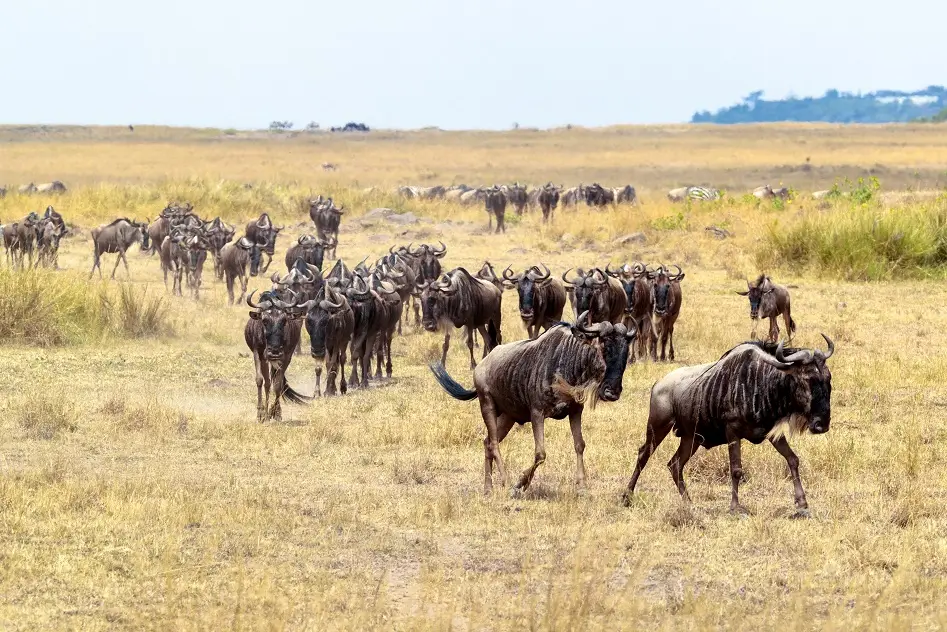
How Many Animals Participate in the Great Migration?
How many animals participate in the Great Migration? This question is asked by thousands of travelers around the world seeking to understand the scale and magnificence of Africa’s most extraordinary natural spectacle. The Great Migration, shared between Kenya and Tanzania, stands at the pinnacle of Kenya Safaris, Tanzania Safaris, Kenya Best Safaris, and Tanzania Wildlife Safaris, drawing adventurers who seek both discovery and immersion. The phenomenon covers over 1,800 miles as massive wildlife herds traverse the Serengeti–Mara ecosystem, creating a breathtaking scene of movement, survival, and predator-prey interaction. As a trusted leader in the African tourism industry, Terenga Safaris crafts authoritative, experience-driven content that deepens global understanding of this event while offering practical guidance to travelers preparing for the journey.
Every year, more than two million animals travel through the grasslands in search of greener pastures, making the Great Migration the largest terrestrial wildlife movement on Earth. Asking How many animals participate in the Great Migration? inspires travelers to appreciate the ecological complexity of this ancient process. The phenomenon includes iconic species such as wildebeests, zebras, gazelles, and predators like lions, cheetahs, and hyenas that follow the herds. Globally recognized as one of the “Seven New Wonders of the Natural World,” the migration provides unmatched safari moments for wildlife photographers, nature enthusiasts, birdwatchers, and cultural travelers seeking meaningful connections with East Africa. This introduction lays the foundation for a comprehensive exploration of Kenya and Tanzania’s most famous destinations related directly to the migration, merging insights with professional clarity, SEO optimization, and Terenga Safaris’ commitment to trust and expertise.
Serengeti National Park, Tanzania – The Heart of the Migration
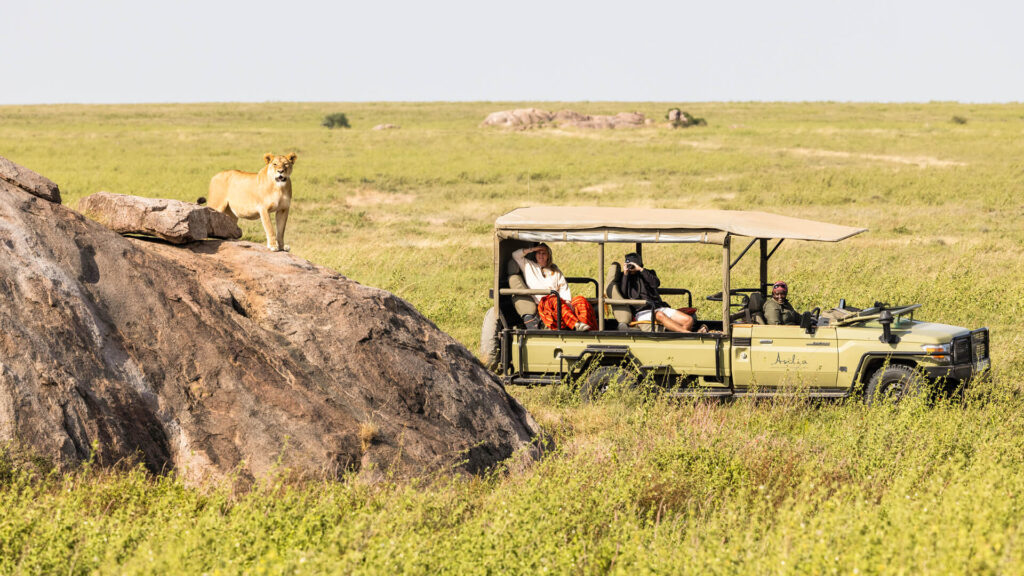
How many animals participate in the Great Migration? In the Serengeti, where the journey begins, the answer becomes more visible as travelers witness staggering herds stretching beyond the horizon. Approximately 1.5 million wildebeests, 250,000 zebras, and nearly 400,000 gazelles set the foundation of this movement. Serengeti National Park is the nucleus of Tanzania Great Migration adventures and stands as the most iconic destination for travelers seeking authentic Tanzania Wildlife Safaris. Its rolling plains, acacia-dotted landscapes, and fertile valleys create an ecosystem that supports a dramatic showcase of birth, survival, and predator interaction.
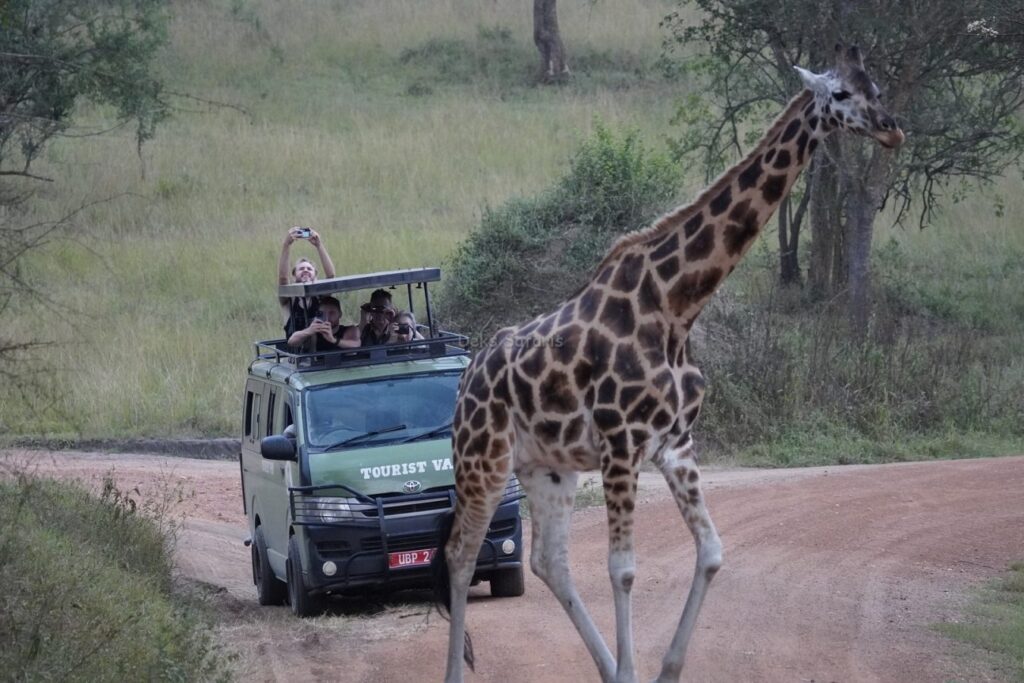
Visitors embarking on this journey discover that the migration is not simply a movement but a continuous cycle shaped by rainfall patterns. Serengeti’s southern plains host the calving season between January and March, where nearly half a million newborn wildebeests arrive within weeks. During this period, travelers asking How many animals participate in the Great Migration? can witness some of the highest wildlife concentrations on Earth. Reaching Serengeti is seamless through flights from Arusha into Seronera, Kogatende, or Ndutu airstrips, followed by scenic game drives that introduce travelers to the region’s diverse wildlife.
Cultural experiences enrich Serengeti safaris through interactions with the Maasai and Datoga communities living near protected areas. These cultural visits allow guests to learn about ancient traditions, beadwork, warrior history, and pastoral lifestyles. Travelers combining Serengeti with Uganda Gorilla Trekking elevate their East African circuit even further, creating a multifaceted journey from open savannas to mist-covered forests. Serengeti remains a critical destination for understanding How many animals participate in the Great Migration?, making it indispensable to the safari experience.
Maasai Mara National Reserve, Kenya – The Dramatic River Crossings
How many animals participate in the Great Migration? becomes even more thrilling when the herds reach Kenya’s Maasai Mara, home to some of the most dramatic wildlife scenes on Earth. The Mara welcomes millions of animals between July and October, marking the climax of Kenya Great Migration experiences. Here, travelers witness tense river crossings at the Mara and Talek Rivers, where crocodiles wait patiently beneath the water’s surface while predators stalk the banks. These crossings define the essence of Kenya Wildlife Safaris, offering rare encounters that few destinations can match.
Guests exploring the Mara discover that the exact number of animals entering Kenya depends on rainfall, but typically over one million wildebeests and tens of thousands of zebras and gazelles spill across the border from Tanzania. This incredible flood of wildlife gives travelers a firsthand answer to How many animals participate in the Great Migration? while reinforcing the Maasai Mara’s reputation as one of Kenya Best Safaris destinations. Reaching the Mara is easy through short flights from Nairobi’s Wilson Airport or road transfers across the Rift Valley.
Cultural immersion plays a significant role in the Mara experience, with Maasai cultural tours offering insight into traditional lifestyles, warrior ceremonies, livestock customs, and community conservation efforts. Bird lovers also find the Mara rewarding with hundreds of resident and migratory species, making it a powerful addition to Kenya Birding Safaris. Combining Maasai Mara with Uganda Gorilla Trekking transforms a typical safari into an extraordinary East African adventure that blends savanna wildlife with rainforest encounters. In every way, the Mara strengthens the understanding of How many animals participate in the Great Migration? through dramatic, unforgettable safari moments.
Ngorongoro Conservation Area – The Cradle of Life
How many animals participate in the Great Migration? becomes a fascinating inquiry when exploring the Ngorongoro Conservation Area, the starting point for the annual calving season and an essential component of Tanzania Cultural Safaris. The region hosts the densest concentration of predators in Africa, making it an ideal location for travelers wishing to observe lions, hyenas, cheetahs, and leopards interacting with the newborn herds. Nearly half a million wildebeest calves are born between January and March, significantly influencing the total number of animals involved in the migration.
Travelers visiting Ngorongoro discover landscapes that blend volcanic highlands, crater lakes, rolling grasslands, and Maasai pastoral settlements. The region offers an unparalleled opportunity to explore East Africa’s human-wildlife coexistence. Reaching Ngorongoro is possible through road transfers from Arusha or charter flights to nearby airstrips, followed by scenic drives offering continuous wildlife viewing. Guests frequently ask How many animals participate in the Great Migration?, and Ngorongoro provides part of the answer through its seasonal concentration of herds that shape the early stages of the journey.
Cultural encounters remain central to the Ngorongoro experience, with Maasai homestead visits offering lessons on traditional architecture, livestock care, household customs, and cultural resilience. These experiences complement wildlife viewing and position Ngorongoro as an essential stop in combined Tanzania Safaris. Travelers can extend their journey to include Uganda Gorilla Trekking, creating a comprehensive adventure across two unique ecosystems. Through its ecological richness and cultural depth, Ngorongoro provides essential insights into How many animals participate in the Great Migration?, deepening travelers’ appreciation for East Africa’s natural wonders.
When Is the Best Time for This Safari?
The timing depends on the specific stage travelers wish to witness. Those seeking calving season in Tanzania should travel between January and March, while travelers pursuing river crossings in Kenya should plan between July and October. Both countries offer exceptional wildlife experiences throughout the year, but these periods provide the highest concentrations of animals essential to answering How many animals participate in the Great Migration?
How Much Does This Safari Cost?
Prices vary depending on the season, accommodation level, and number of destinations included. Mid-range travelers may spend between USD 250 and 450 per person per day, while luxury travelers can expect costs from USD 700 to 1,500 per person per day. Terenga Safaris provides transparent budgeting and expert guidance to ensure every experience focused on How many animals participate in the Great Migration? meets exceptional standards of comfort and value.
Why Choose Terenga Safaris as Your Safari Partner?
Terenga Safaris brings unmatched professionalism, deep field experience, and regional expertise to every journey. Our dedication to authentic storytelling, responsible tourism, and guest satisfaction establishes us as a trusted authority in East African travel. Every itinerary that explores How many animals participate in the Great Migration? is crafted with precision, high-quality accommodation, expert guides, and seamless logistics across Kenya, Tanzania, and Uganda. Travelers choosing Terenga Safaris gain personalized attention, cultural immersion opportunities, and unforgettable wildlife encounters that transform a safari into a lifelong memory.