How Long Does the Mara River Crossings Last?
December 10, 2025
Chimpanzee Tracking in Uganda
December 10, 2025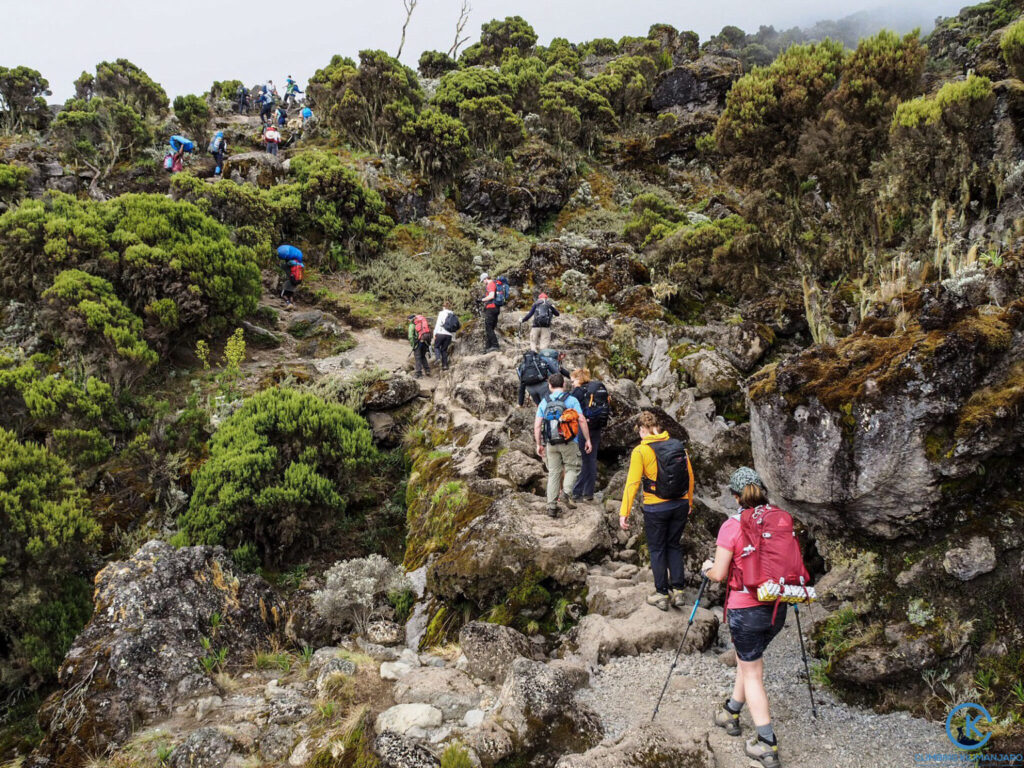
How Long is a Typical Trekking Tour in Kenya and Tanzania?
How Long is a Typical Trekking Tour in Kenya and Tanzania? Understanding the duration of a trekking tour is crucial for planning a safari that aligns with your expectations, fitness levels, and travel schedule. Trekking tours in Kenya and Tanzania vary widely depending on the terrain, destinations, and wildlife objectives. Most itineraries offered by Terenga Safaris are designed to cater to both experienced trekkers and beginners, ensuring that each participant enjoys a fulfilling adventure while experiencing the region’s diverse landscapes. Whether exploring the rolling savannahs of the Maasai Mara, the vast plains of the Serengeti, or the dense forests of the Ngorongoro Conservation Area, trekking tours typically range from a single day to several consecutive days, with structured rest periods, guided walks, and immersive wildlife observation sessions.
For a beginner-friendly trekking safari, Kenya Safaris often include short walks of two to four hours in the morning and evening, coinciding with peak animal activity. These excursions are complemented by drives in 4×4 safari vehicles, which allow travelers to cover larger distances while still observing wildlife. On Tanzania Safaris, trekking in areas such as the Serengeti, Tarangire, or Ngorongoro highlands may extend to half-day or full-day walks, particularly for birding, nature photography, or cultural encounters. Most safari packages include professional guides, accommodation, meals, park entry fees, and transportation, ensuring participants can focus entirely on the adventure without logistical concerns. Optional extensions, such as Uganda Gorilla Trekking, add a multi-country dimension, offering encounters with mountain gorillas alongside East Africa’s iconic wildlife and landscapes.
Kenya Wildlife Safaris: Trekking Duration and Highlights
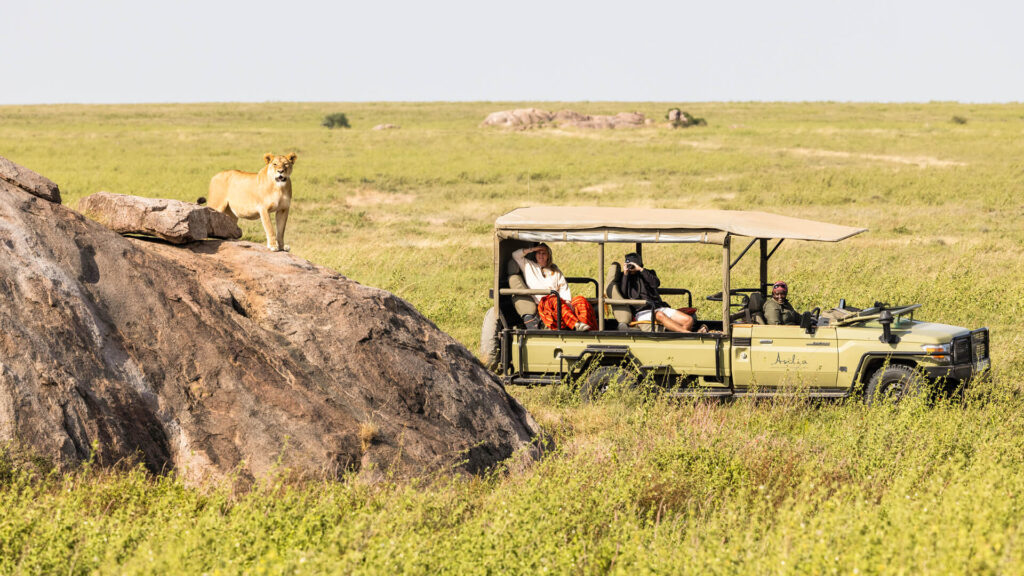
Kenya Wildlife Safaris provide a unique combination of trekking, game drives, and cultural exploration. Trekking routes in the Maasai Mara typically last between three to six hours per day, depending on the specific itinerary and participants’ fitness levels. Guided walks take travelers through savannah grasslands, riverine forests, and scattered acacia woodlands, offering opportunities to observe predators, herbivores, and migratory herds in their natural environment. Most Kenya Best Safaris packages incorporate early morning or late afternoon treks to maximize wildlife sightings and minimize exposure to crowds, particularly during the Kenya Great Migration period from July to October.
Participants can expect a structured schedule with regular rest breaks, picnic lunches, and educational commentary from expert guides. For bird enthusiasts, Kenya Birding Safaris combine trekking with close encounters of endemic and migratory species, ensuring beginners and experienced birders alike can observe rare species in diverse habitats. Cultural interactions, such as visits to Maasai or Samburu communities, are often included, providing insight into local traditions and conservation practices. Accessibility is enhanced by organized transport from Nairobi, Nanyuki, or nearby airstrips, allowing travelers to reach trekking starting points efficiently. By offering customizable itineraries, Terenga Safaris ensures trekking tours in Kenya are both enjoyable and achievable for all participants.
Tanzania Wildlife Safaris: Trekking for All Levels
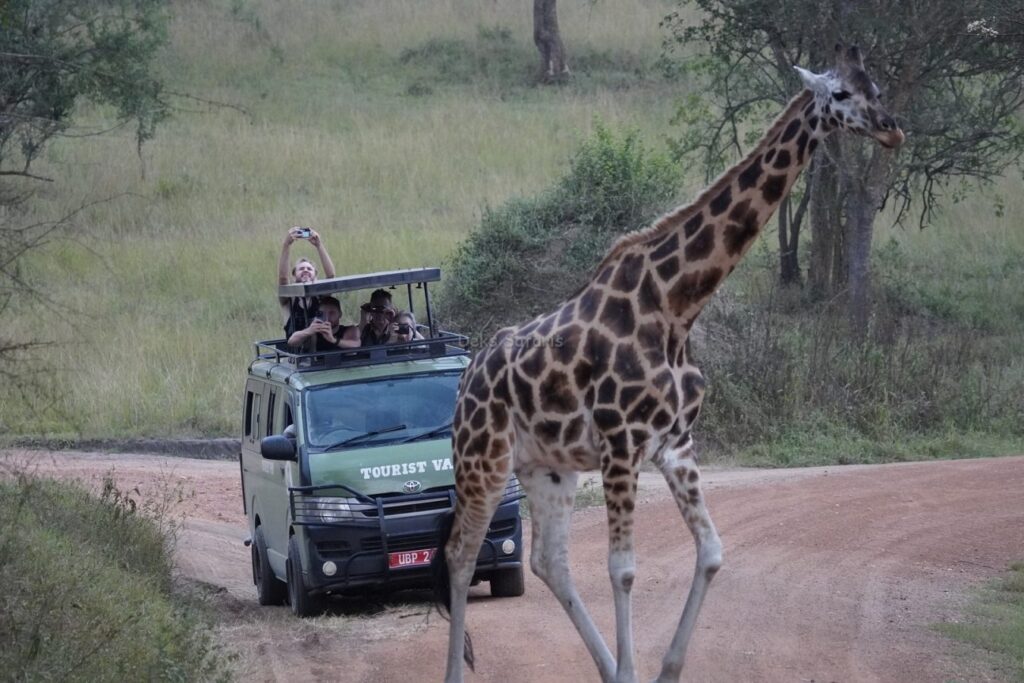
Trekking in Tanzania is a remarkable way to immerse oneself in the country’s extraordinary wildlife and landscapes. Tanzania Wildlife Safaris often combine vehicle-based game drives with walking excursions through the Serengeti, Lake Manyara, Tarangire, and Ngorongoro Conservation Area. A typical trekking day may last three to five hours, allowing visitors to explore off-road areas, observe wildlife up close, and enjoy the natural environment at a leisurely pace. Beginners can opt for shorter walks with frequent rest stops, while more experienced trekkers can undertake longer excursions, including multi-day walks with overnight camping in remote parts of the Serengeti.
Most Tanzania Safaris packages include professional guides, transportation in customized 4×4 safari vehicles, park fees, meals, and accommodations ranging from luxury lodges to tented camps. The inclusion of guided cultural experiences enhances the trekking itinerary, allowing travelers to interact with Maasai, Hadzabe, and other local communities, learning about traditional practices, livelihoods, and conservation efforts. Birding enthusiasts can incorporate Tanzania Birding Safaris into trekking routes to observe species such as lilac-breasted rollers, grey-crowned cranes, and African pygmy kingfishers. Optional extensions to Uganda Gorilla Trekking provide a rare opportunity to encounter mountain gorillas, creating a comprehensive multi-country East African adventure that balances trekking, wildlife, and cultural immersion.
Expected Duration for Multi-Day Trekking Tours
Multi-day trekking tours in Kenya and Tanzania typically range from three to seven days, depending on the region, activity level, and objectives of the safari. On Kenya Safaris, multi-day treks may focus on the Maasai Mara, Amboseli, or Mount Kenya foothills, integrating guided walks, game drives, and cultural visits. Each day is structured to optimize wildlife encounters, birding opportunities, and educational sessions on conservation and ecology. Travelers can expect morning treks when animals are most active, followed by mid-day rest periods, lunch, and optional short afternoon walks or game drives.
In Tanzania Safaris, multi-day trekking tours offer extended exposure to the Serengeti’s ecosystems, Tarangire’s baobab woodlands, and Ngorongoro Crater’s unique landscapes. Guided walks provide intimate wildlife observation experiences, including predator-prey interactions, grazing patterns of herbivores, and migratory bird activity. Accommodation is carefully selected to balance comfort, proximity to trekking routes, and immersion in natural surroundings. Terenga Safaris emphasizes sustainable tourism practices, ensuring that trekking itineraries respect local ecosystems and minimize environmental impact. Optional combination with Uganda Gorilla Trekking allows travelers to add a unique primate experience, extending the multi-day adventure and providing unmatched East African wildlife diversity.
Ways to Reach Trekking Safari Destinations
Reaching trekking safari starting points in Kenya and Tanzania is straightforward, with multiple transport options available. Nairobi serves as the primary gateway for Kenya Safaris, with domestic flights, road transfers, or organized 4×4 transport available to reach trekking locations in the Maasai Mara, Amboseli, or Mount Kenya regions. Arusha and Kilimanjaro International Airport serve as entry points for Tanzania Safaris, with domestic flights or road transfers taking travelers to the Serengeti, Tarangire, Lake Manyara, and Ngorongoro.
Terenga Safaris ensures that transfers are efficient, safe, and comfortable, minimizing fatigue and maximizing time spent on trekking and wildlife observation. Guides provide logistical support, including vehicle-based transport between trekking routes, meal arrangements, and daily planning tailored to each traveler’s abilities and interests. By combining trekking with Kenya Cultural Safaris or Tanzania Cultural Safaris, travelers can explore local villages, interact with communities, and understand traditional lifestyles while en route. Optional Uganda Gorilla Trekking extensions add cross-country adventure, combining trekking, primate encounters, and immersive cultural experiences for a complete East African safari.
What to Expect on a Typical Trekking Tour
Participants on a typical trekking tour can expect a balanced combination of guided walks, wildlife observation, and cultural interaction. Morning walks coincide with peak animal activity, allowing travelers to spot predators, herbivores, and birds. Midday breaks provide rest, meals, and relaxation in scenic locations. Afternoon treks or game drives complement morning excursions, ensuring that participants maximize wildlife viewing and photographic opportunities.
Guides provide educational commentary, teaching participants about flora, fauna, and ecological interconnections. Birding enthusiasts benefit from structured walks that highlight local avian species, while cultural visits offer insight into traditional community life. Accommodation ranges from luxury lodges to tented camps, ensuring comfort and immersion in natural surroundings. Trekking tours are designed for varying skill levels, with shorter routes for beginners and more challenging paths for experienced travelers. Optional Uganda Gorilla Trekking integration provides a rare opportunity to observe mountain gorillas, making the trekking tour a multi-dimensional East African adventure.
Cultural Experiences Alongside Trekking
Trekking tours often include opportunities to engage with local communities, enhancing the safari experience. Kenya Cultural Safaris allow travelers to visit Maasai villages, learn traditional crafts, participate in dances, and understand pastoralist lifestyles. Tanzania Cultural Safaris offer encounters with Maasai, Hadzabe, and other indigenous communities, providing insights into rituals, hunting techniques, and conservation practices.
These cultural interactions complement trekking and wildlife observation, giving participants a holistic understanding of the region’s ecosystems and human-animal relationships. Terenga Safaris carefully integrates cultural visits into trekking itineraries, ensuring minimal disruption to local life while providing travelers with authentic, educational experiences. Optional Uganda Gorilla Trekking extensions further enrich the itinerary by combining wildlife trekking with cultural immersion in rural Ugandan communities.
Best Time for Trekking Tours
The best time for trekking tours in Kenya and Tanzania depends on climate, wildlife activity, and seasonal migrations. Kenya Safaris are optimal from June to October, coinciding with the Kenya Great Migration and dry weather, making trails more accessible. Tanzania Safaris are ideal from June to September and December to March, offering excellent wildlife viewing, clear skies, and manageable trekking conditions.
Seasonal planning also allows travelers to avoid large tourist crowds, creating a more intimate experience. Terenga Safaris designs itineraries that maximize wildlife encounters, minimize travel fatigue, and incorporate cultural and birding experiences. Optional Uganda Gorilla Trekking is best scheduled from June to September or December to February, aligning with dry conditions for comfortable trekking and better gorilla visibility.
Why Choose Terenga Safaris for Trekking Tours
Choosing Terenga Safaris ensures a professionally guided, safe, and memorable trekking experience. Packages combine Kenya Safaris, Tanzania Safaris, Kenya Cultural Safaris, Tanzania Cultural Safaris, Kenya Birding Safaris, and optional Uganda Gorilla Trekking. Expert guides, seamless logistics, and thoughtfully planned itineraries maximize wildlife encounters, cultural immersion, and personal comfort.
Terenga Safaris emphasizes sustainable tourism, education, and immersive experiences. Travelers benefit from intimate wildlife observation, guided trekking routes, birding opportunities, and rich cultural engagement, creating unforgettable memories of East Africa. By structuring trekking tours to accommodate all skill levels, Terenga Safaris ensures participants of any experience level can enjoy the adventure confidently and comfortably.