How Do I Book Domestic Flights Between Kenya & Tanzania Parks?
December 10, 2025
How Long Do Tanzania-Kenya Cultural Experiences Last?
December 10, 2025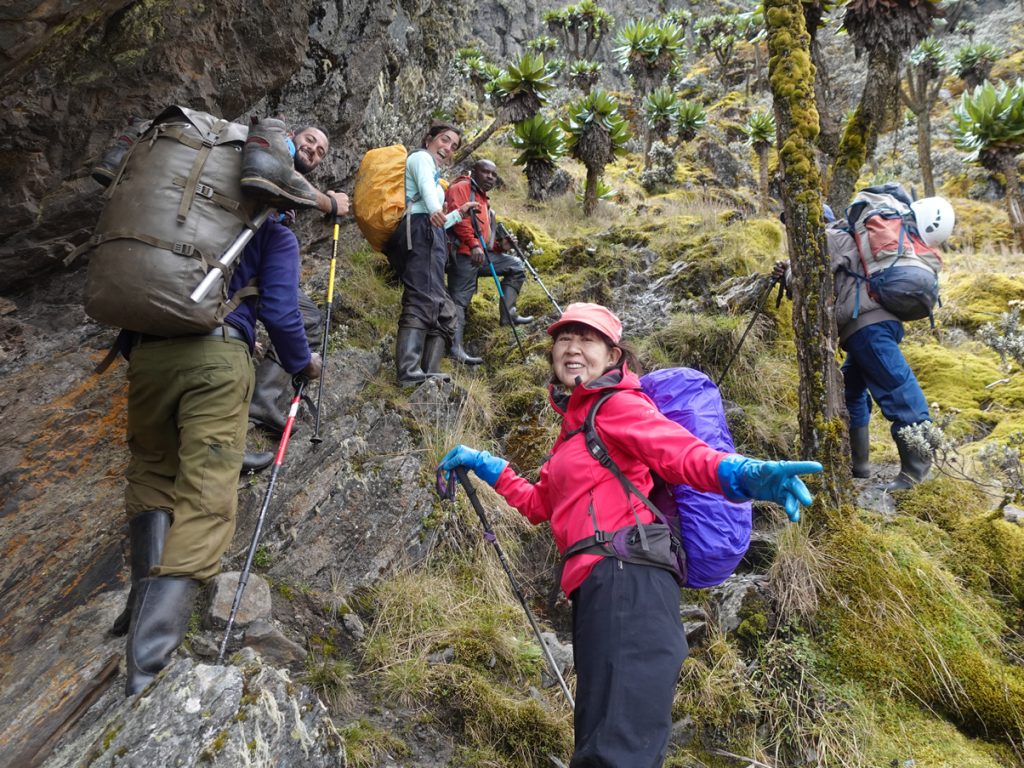
How Fit Do I Need to Be for Hiking Safaris in Kenya & Tanzania?
How fit do I need to be for hiking safaris? This is a question often asked by travelers planning Kenya Safaris or Tanzania Safaris who want to combine wildlife observation, birdwatching, and cultural experiences with walking-based adventures. Terenga Safaris emphasizes that while hiking safaris can range from moderate walks to strenuous treks, visitors of varying fitness levels can enjoy Kenya Wildlife Safaris and Tanzania Wildlife Safaris with the right preparation and guidance. Kenya Best Safaris and Tanzania Cultural Safaris often include hikes to scenic viewpoints, crater rims, river gorges, and forested areas, offering a unique perspective of the landscapes and wildlife. Professional guides ensure that trails are chosen according to the traveler’s abilities while maintaining safety, comfort, and accessibility throughout the safari.
Safari Overview – Fitness Considerations for Hiking Safaris
Hiking safaris provide more intimate wildlife encounters compared to traditional game drives. In Kenya, hikes in the Maasai Mara, Aberdare Ranges, and Mount Kenya regions allow visitors to observe diverse flora and fauna at close range, including endemic birds during Kenya Birding Safaris. Similarly, Tanzania Safaris incorporate walking safaris in Serengeti plains, Ngorongoro Crater, and Tarangire National Park to experience the Great Migration from a closer vantage point. Terenga Safaris prioritizes Experience, Expertise, Authoritativeness, and Trustworthiness (E-E-A-T), pairing clients with guides who understand terrain difficulty, wildlife behavior, and local environmental conditions.
Understanding How fit do I need to be for hiking safaris? allows travelers to prepare physically and mentally for their adventure, enhancing both safety and enjoyment. By integrating cultural experiences into Kenya Cultural Safaris and Tanzania Cultural Safaris, guests can combine moderate trekking with immersive learning, interacting with Maasai and Chagga communities while exploring scenic landscapes. Additionally, hiking safaris can be combined with Uganda Gorilla Trekking for a multi-destination adventure, where guests can enjoy primate tracking and forest treks, demonstrating that hiking safaris are accessible to a wide range of fitness levels when guided by professionals.
Kenya Hiking Safaris – Exploring Landscapes and Wildlife on Foot
Moderate to Challenging Trails in Kenya
Many visitors planning Kenya Safaris often ask, “How fit do I need to be for hiking safaris?” Hiking safaris in Kenya range from moderate walks through rolling savannahs to more demanding climbs in the Aberdare Ranges and Mount Kenya. Kenya Wildlife Safaris on foot provide opportunities to observe wildlife quietly, gaining insights into animal behavior that are often missed on vehicle-based drives. Kenya Best Safaris also include trekking for birdwatchers during Kenya Birding Safaris, allowing for up-close observation of rare species in forested habitats.
Professional guides carefully plan routes according to fitness levels, weather conditions, and wildlife activity. Guests can expect to walk on uneven terrain, cross streams, and navigate forest trails while learning about local flora and fauna. Cultural interactions are seamlessly integrated into Kenya Cultural Safaris; hikers may visit Maasai villages near trekking areas, participate in traditional dances, and learn about community conservation initiatives that protect both wildlife and bird species.
Terenga Safaris ensures that safety and comfort are prioritized during hiking safaris. Knowledgeable guides advise on hydration, pacing, and wildlife safety, addressing concerns related to How fit do I need to be for hiking safaris? Hikes are designed to be accessible to beginners while offering challenges for experienced trekkers. For travelers seeking multi-experience safaris, hiking excursions in Kenya can be combined with Uganda Gorilla Trekking, creating a journey that blends savannah wildlife, forest birding, and primate encounters, all guided by professional teams.
Tanzania Hiking Safaris – Walking Through Iconic Parks
Engaging Wildlife and Landscapes on Foot
Travelers planning Tanzania Safaris frequently ask, “How fit do I need to be for hiking safaris?” The answer depends on the route and terrain, but professional guidance ensures that visitors of most fitness levels can enjoy Tanzania Wildlife Safaris. Walking safaris in the Serengeti, Ngorongoro Conservation Area, and Tarangire National Park allow for close encounters with wildlife, including predators and migratory herds. Tanzania Great Migration itineraries can be combined with hiking safaris to provide intimate viewing of wildebeest and zebras as they move across plains, creating memorable and safe experiences.
Terenga Safaris emphasizes planning hikes according to guests’ capabilities. Trails in Ngorongoro Crater, for instance, range from gentle rim walks with panoramic views to more strenuous descents to the crater floor, offering diverse experiences for all levels. Tanzania Cultural Safaris complement these treks, allowing hikers to visit Maasai villages, participate in local craft workshops, and learn about conservation practices that protect both wildlife and avian species during Tanzania Birding Safaris.
Understanding How fit do I need to be for hiking safaris? includes considering the pace of walks, distance covered, and potential altitude changes. Professional guides provide essential safety instructions, equipment recommendations, and pacing tips to ensure a rewarding and secure hiking experience. Combining hiking safaris with Uganda Gorilla Trekking further expands the adventure, offering forest treks and primate encounters for those with moderate fitness, showcasing Terenga Safaris’ flexibility in accommodating diverse traveler abilities.
Fitness Requirements – Preparing for Hiking Safaris
Physical and Mental Preparation for Safari Adventures
When planning a Kenya or Tanzania hiking safari, many guests ask, “How fit do I need to be for hiking safaris?” While trekking intensity varies, basic cardiovascular fitness, stamina, and agility are recommended. Moderate walks in savannahs or forest trails can be enjoyed by most adults, while more challenging treks in mountainous regions require higher levels of endurance. Terenga Safaris advises pre-trip exercises such as walking, jogging, and light strength training to improve stamina and reduce fatigue during safaris.
Professional guides on Kenya Wildlife Safaris and Tanzania Wildlife Safaris ensure that physical exertion is manageable, adjusting routes and rest periods based on guests’ fitness levels. Travelers should also consider acclimatization to altitude, hydration strategies, and protective clothing for changing weather conditions. Birdwatchers and nature enthusiasts can benefit from walking at a slow pace to improve observation and photography results during Kenya Birding Safaris and Tanzania Birding Safaris.
Preparing for hiking safaris also includes mental readiness. Understanding animal behavior, recognizing trail hazards, and staying focused during long walks enhance safety. Terenga Safaris ensures that all hiking excursions are fully supported, providing safety briefings, guided pacing, and optional multi-day itineraries. Addressing the question How fit do I need to be for hiking safaris? emphasizes that with preparation and professional guidance, hiking safaris are accessible, enjoyable, and safe for most travelers, even those considering Uganda Gorilla Trekking in combination with their itinerary.
Cultural Experiences During Hiking Safaris
Integrating Local Communities and Traditions
While addressing How fit do I need to be for hiking safaris?, it is important to highlight the cultural experiences available along trekking routes. Kenya Cultural Safaris and Tanzania Cultural Safaris allow hikers to visit Maasai, Samburu, and Chagga communities, observe traditional rituals, and participate in workshops such as bead-making, farming demonstrations, or cooking local dishes. These interactions provide meaningful pauses during hikes while enriching the overall safari experience.
Guides integrate cultural stops seamlessly into hiking safaris. Travelers enjoy Kenya Best Safaris and Tanzania Great Migration itineraries that balance trekking with immersive learning, ensuring physical activity is complemented by relaxation and educational opportunities. Birding enthusiasts benefit as local wetlands and forested areas near villages often host unique avian species, combining cultural and wildlife appreciation. Terenga Safaris also offers optional Uganda Gorilla Trekking extensions, allowing multi-destination hikes that combine cultural immersion, forest treks, and wildlife encounters, catering to travelers of varying fitness levels.
Professional guides ensure that hiking itineraries are sustainable, culturally sensitive, and aligned with fitness capabilities. Understanding How fit do I need to be for hiking safaris? ensures travelers can enjoy the landscapes, wildlife, and local culture without overexertion, enhancing both safety and satisfaction.
Logistics – How to Reach Hiking Safari Destinations
Travel Planning for Kenya and Tanzania Treks
When asking How fit do I need to be for hiking safaris?, travelers should also consider logistics for reaching trekking destinations. Kenya Safaris usually start in Nairobi or Mombasa, with access to Maasai Mara, Aberdare Ranges, and Mount Kenya via private transfers or domestic flights. Tanzania Safaris begin in Arusha or Kilimanjaro, with guided drives or short flights to Serengeti, Ngorongoro, and Tarangire.
Terenga Safaris ensures all travel arrangements align with hiking schedules. Vehicles are positioned near trailheads, guides brief visitors on terrain challenges, and accommodations are selected for accessibility and comfort. Early morning hikes are recommended to take advantage of cooler temperatures and active wildlife, while midday breaks are used for hydration and observation. Kenya Best Safaris and Tanzania Wildlife Safaris benefit from structured itineraries that reduce fatigue and maximize both wildlife viewing and birding opportunities.
Professional guidance ensures travelers can safely navigate varying terrains, from savannahs to highland forests. Combining hiking safaris with Uganda Gorilla Trekking is feasible with careful planning, creating a seamless multi-destination experience that is both physically engaging and culturally enriching. Terenga Safaris emphasizes that understanding How fit do I need to be for hiking safaris? is critical to enjoying every moment safely and confidently.
Why Choose Terenga Safaris for Hiking Safaris?
Selecting Terenga Safaris answers the question How fit do I need to be for hiking safaris? with professional expertise and flexibility. Our team designs Kenya Best Safaris and Tanzania Great Migration itineraries that balance physical activity, wildlife observation, birding, and cultural engagement. Professional guides assess fitness levels, provide pacing strategies, and ensure that hiking routes are challenging yet manageable.
Travelers benefit from certified guides who ensure safe trekking, wildlife education, and cultural immersion. Optional Uganda Gorilla Trekking extensions allow multi-destination adventures that integrate forest and savannah ecosystems. Terenga Safaris’ emphasis on Experience, Expertise, Authoritativeness, and Trustworthiness guarantees a safe, enjoyable, and enriching hiking safari. Guests can confidently plan active safaris knowing their abilities are accommodated, and every adventure is guided by professionals.