Does Weather Affect Wildlife Viewing?
January 12, 2026
How do cultural tours support local communities during Kenya and Tanzania safaris?
January 13, 2026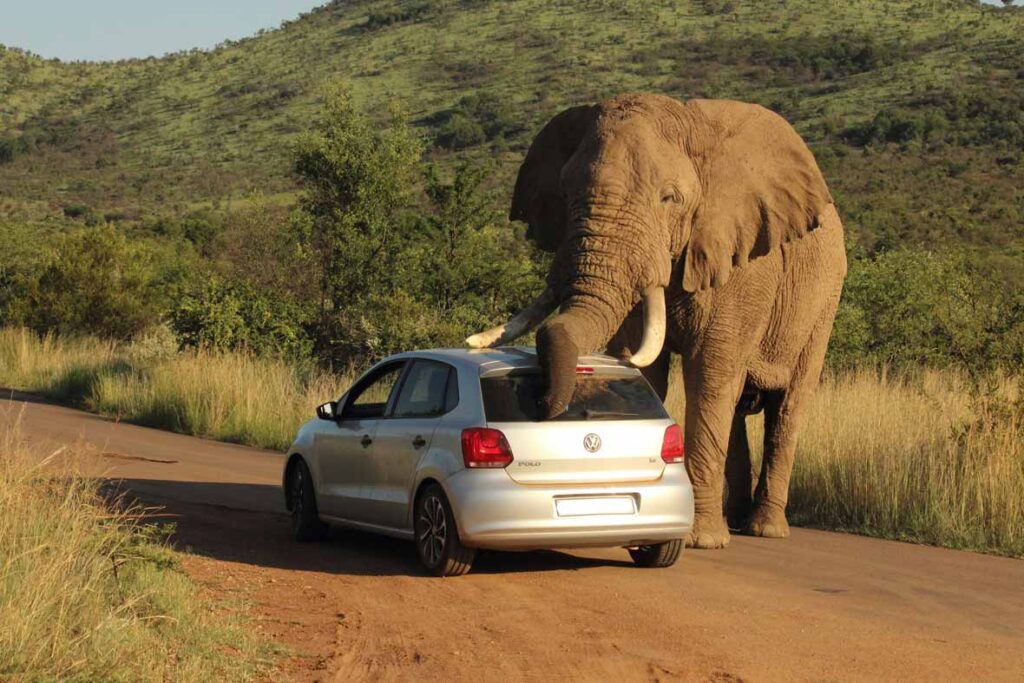
How Close Can Safari Vehicles Get to the Animals?
How Close Can Safari Vehicles Get to the Action? Africa remains the world’s most celebrated safari destination, and Kenya and Tanzania Safaris continue to define authentic wildlife exploration through carefully managed, ethical, and immersive experiences. Travelers choosing these destinations encounter vast savannahs, abundant wildlife, and deeply rooted cultures that make every safari meaningful. Kenya and Tanzania operate under strict conservation guidelines that regulate how safari vehicles approach animals, ensuring safety for both wildlife and guests while still allowing incredibly close and memorable sightings. Terenga Safaris designs itineraries that balance proximity, respect for nature, and responsible tourism, creating unforgettable moments during Kenya Best Safaris and Tanzania Best Safaris.
Adventure seekers can witness the legendary Kenya Great Migration Safaris and Tanzania Great Migration Safaris, where millions of wildebeest and zebra move across the Maasai Mara and Serengeti ecosystems. Cultural enrichment complements wildlife viewing through interactions with the Maasai People, whose traditions and pastoral lifestyle remain central to East Africa’s identity. Bird enthusiasts enjoy exceptional sightings through Kenya Birding Safaris and Tanzania Birding Safaris, where vehicles can safely pause near wetlands and grasslands without disturbing fragile habitats. Terenga Safaris ensures that each journey follows Experience, Expertise, Authoritativeness, and Trustworthiness, positioning the brand as a reliable source for Africa tourism content while offering travelers unparalleled access to nature—always within conservation rules.
How Close Can Safari Vehicles Get During Kenya Safaris?
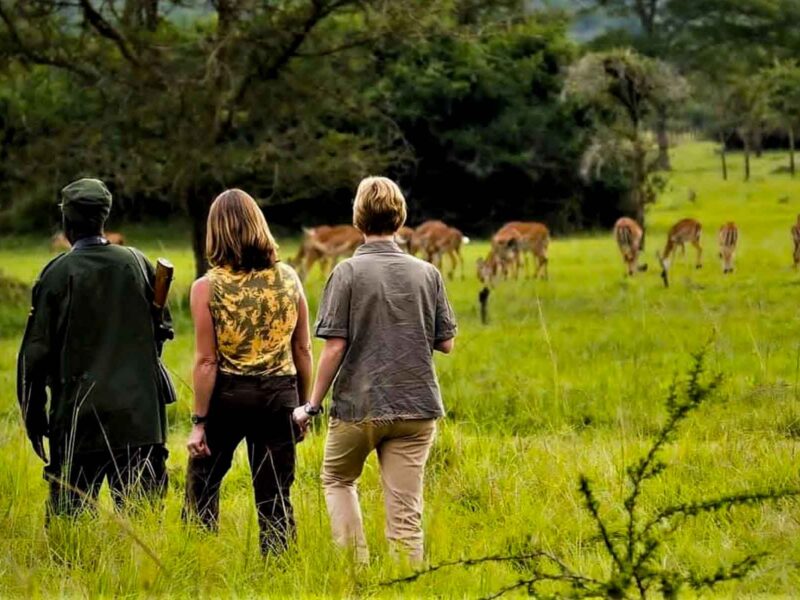
Kenya operates one of the most well-regulated safari systems in Africa, allowing guests on Kenya Safaris to observe wildlife at remarkably close yet responsible distances. National park rules typically permit safari vehicles to approach animals within a safe range of approximately 20 to 30 meters, depending on species behavior and terrain conditions. Experienced guides from Terenga Safaris assess animal comfort constantly, ensuring encounters remain natural and stress-free. Lions, elephants, giraffes, and cheetahs often approach vehicles themselves, creating moments that feel intimate without violating ethical boundaries.
Professional drivers position vehicles carefully to avoid blocking animal movement, especially during Kenya Great Migration Safaris, where wildebeest crossings demand heightened sensitivity. Multiple vehicles are regulated at sightings to prevent overcrowding, preserving the authenticity of Kenya Best Safaris. Birdwatching guests on Kenya Birding Safaris benefit from slow-paced drives and strategic stops near lakes and grasslands, allowing clear photography without disturbing nesting sites. Cultural elements enhance the experience further through Kenya Cultural Safaris, where visits to Maasai villages occur at respectful distances guided by local protocols.
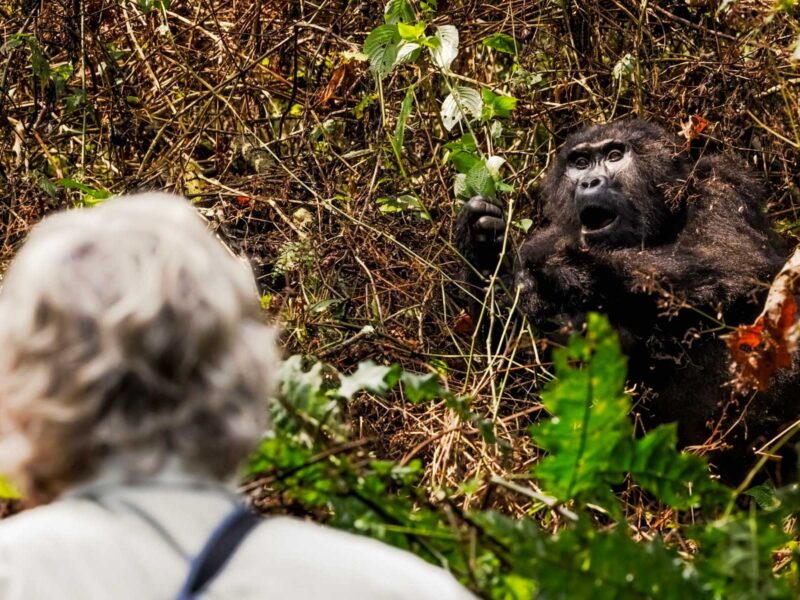
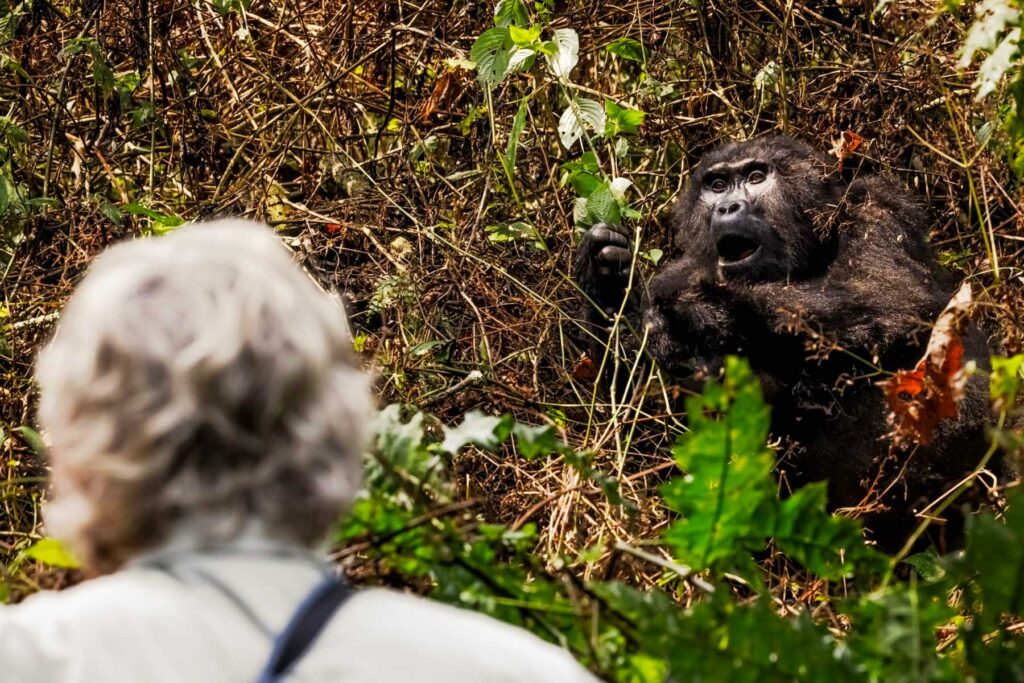
Access to Kenya’s safari destinations is seamless via international flights into Nairobi, followed by short domestic flights or guided road transfers to the Maasai Mara. Visitors should expect close encounters guided by professionalism rather than reckless proximity. Safari costs generally range between USD 2,500 and USD 6,000 depending on lodge category and season. Peak viewing occurs from July to October, aligning with migration activity. Combining Kenya Safaris with Uganda Gorilla Trekking is possible through cross-border itineraries arranged by Terenga Safaris, allowing guests to experience savannah wildlife before transitioning to intimate forest encounters.
How Do Tanzania Safaris Balance Proximity and Conservation?
Tanzania is globally respected for its vast protected landscapes, and Tanzania Safaris provide exceptional wildlife encounters governed by conservation-first principles. Safari vehicles in Tanzania typically maintain similar distances as Kenya, allowing close observation while prioritizing animal welfare. In the Serengeti ecosystem, wildlife often moves freely around vehicles, creating powerful photographic opportunities during Tanzania Great Migration Safaris. Guides trained by Terenga Safaris understand animal behavior deeply, enabling safe positioning during predator sightings, river crossings, and grazing scenes.
Regulations limit off-road driving in most areas, ensuring grasslands and migration corridors remain intact. Birding enthusiasts on Tanzania Birding Safaris benefit from controlled stops near lakes, rivers, and acacia woodlands, where flamingos, raptors, and endemic species thrive. Cultural depth enriches Tanzania Cultural Safaris, where respectful engagement with Maasai communities introduces travelers to traditional dances, beadwork, and storytelling sessions without disrupting daily life.
Travel logistics into Tanzania are efficient through Kilimanjaro International Airport, followed by domestic flights or guided drives into safari regions. Guests should expect well-managed sightings rather than rushed or intrusive approaches. Safari pricing typically ranges from USD 2,800 to USD 6,500 depending on accommodation level and travel period. Optimal travel months run from June to October, offering dry conditions and concentrated wildlife activity. Tanzania Safaris can also be combined with Uganda Gorilla Trekking, creating a diverse itinerary that contrasts open plains with dense rainforest experiences, all coordinated seamlessly by Terenga Safaris.
What Should Travelers Expect and Why Choose Terenga Safaris?
Safari expectations during Kenya and Tanzania Safaris should center on ethical closeness rather than physical intrusion. Wildlife encounters feel incredibly personal because animals remain relaxed, behaving naturally rather than reacting to pressure. Vehicles may stop within safe viewing distance, sometimes with animals approaching voluntarily, which creates unforgettable moments rooted in respect. Photography, learning, and observation become richer when guides prioritize patience over pursuit.
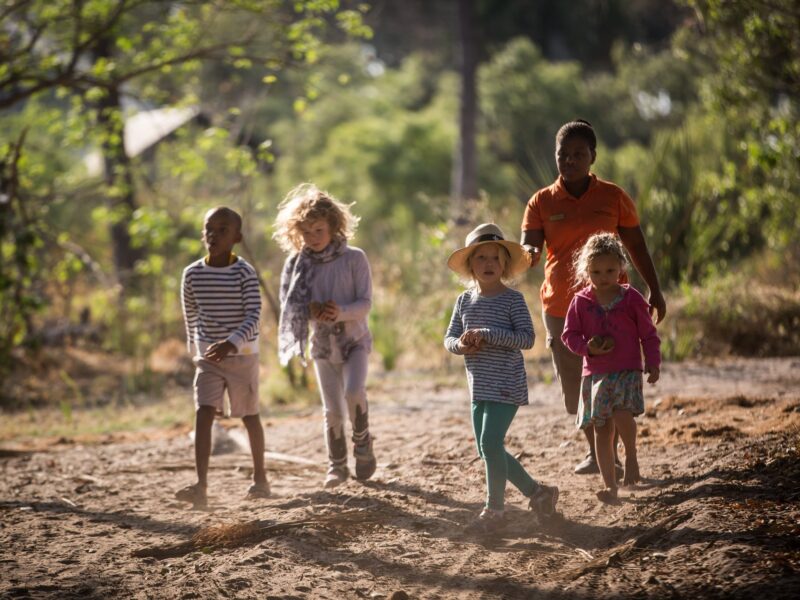
Cultural experiences further deepen safari value through meaningful interaction with the Maasai People, offering insights into coexistence between humans and wildlife. Guests can expect cultural visits arranged responsibly, supporting local livelihoods while preserving traditions. Terenga Safaris integrates conservation education into every journey, reinforcing trust and authority in Africa tourism.
Safari costs vary based on season, accommodation type, and itinerary length, but transparency remains central to every package. Best travel periods align with dry seasons, ensuring wildlife visibility and smooth travel conditions. Combining Kenya Safaris or Tanzania Safaris with Uganda Gorilla Trekking is strongly recommended for travelers seeking contrast and depth, transitioning from open savannah encounters to intimate forest treks.
Choosing Terenga Safaris guarantees expert-guided experiences, ethical wildlife practices, and personalized itineraries that place guest safety and conservation first. Through responsible proximity, cultural respect, and deep regional knowledge, Kenya and Tanzania Safaris become transformative journeys that define authentic African travel while positioning Terenga Safaris as a trusted authority in the safari industry.