Do Hiking Safaris in Kenya & Tanzania Include Camping?
December 8, 2025
Do I Need Malaria Medication for Tanzania or Kenya Safaris?
December 8, 2025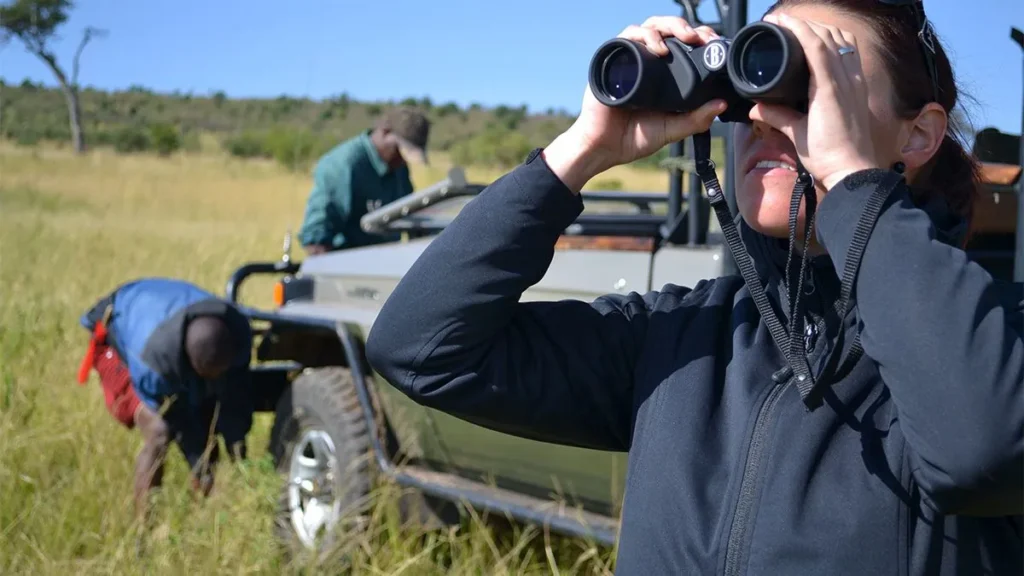
Do I Need Binoculars For a Kenya-Tanzania Safari?
Do I need binoculars? This is one of the most common questions asked by travelers planning Kenya Safaris, Tanzania Safaris, and multi-country adventures that may include Uganda Gorilla Trekking. Binoculars are more than just a convenience—they are an essential tool that can significantly enhance your wildlife viewing experience, particularly during Kenya Wildlife Safaris, Kenya Birding Safaris, Kenya Cultural Safaris, and Tanzania Wildlife Safaris. Whether observing lions, elephants, giraffes, or the spectacular birds of the Maasai Mara and Serengeti, binoculars allow you to appreciate the details, behavior, and interactions of wildlife from a safe distance, thereby promoting responsible and non-intrusive safari practices.
Terenga Safaris emphasizes that having high-quality binoculars is not just about spotting animals—it is about enriching your safari experience. During Kenya Best Safaris or Tanzania Best Safaris, binoculars allow guests to view distant animals across open plains, monitor migratory herds such as the Kenya Great Migration and Tanzania Great Migration, and even spot elusive species that might otherwise go unnoticed. Additionally, for birding enthusiasts, binoculars are indispensable for identifying species, observing mating rituals, and enjoying the vibrant diversity of East Africa’s avian population. Combining Kenya or Tanzania safaris with Uganda Gorilla Trekking can provide contrasting perspectives of wildlife—from open savannahs to dense tropical forests—making binoculars an invaluable tool across multiple ecosystems.
With Terenga Safaris, travelers receive expert guidance on the best binocular types, how to use them effectively, and where to position themselves during game drives. Knowing “Do I need binoculars?” helps visitors plan their packing lists, ensures maximum engagement during safari activities, and supports responsible wildlife viewing practices. This comprehensive guide explores why binoculars are critical, how to choose them, and the ways they enhance cultural experiences, birding safaris, and wildlife observation across Kenya and Tanzania.
The Importance of Binoculars During Kenya Safaris
Maasai Mara National Reserve
Visitors frequently ask, “Do I need binoculars?” when planning Kenya Safaris in the Maasai Mara National Reserve. The answer is an emphatic yes. The Maasai Mara, famous for the Kenya Great Migration, offers expansive plains and dense riverine forests, where large herds of wildebeest, zebra, and gazelle move in dynamic formations. Binoculars allow travelers on Kenya Wildlife Safaris to observe predator-prey interactions from a safe distance, ensuring personal safety while minimizing disturbance to the animals.
Cultural engagement is an integral part of Kenya Cultural Safaris. Binoculars enhance these experiences as well, allowing visitors to view traditional Maasai ceremonies, cattle-herding practices, and village activities from respectful distances. When combined with Uganda Gorilla Trekking, binoculars provide continuity for observing wildlife in both open and forested habitats, enabling a seamless experience across East Africa’s diverse ecosystems. Terenga Safaris ensures guests are equipped with guidance on how to use binoculars effectively, whether scanning for predators on the Mara River, spotting birds in acacia trees, or following migratory herds across the savannah.
Additionally, binoculars are invaluable for Kenya Birding Safaris. Species such as the lilac-breasted roller, African fish eagle, and various raptors can often be distant, perched high in trees or circling above. Guests benefit from binoculars not only for identification but also for appreciating behavioral nuances such as nesting, hunting, or courtship rituals. By incorporating binoculars into their safari gear, travelers elevate the value of Kenya Best Safaris, ensuring a deeper connection with the wildlife and a more meaningful, responsible safari experience.
Amboseli National Park
When asking, “Do I need binoculars?” for safaris in Amboseli National Park, the answer again is a resounding yes. Known for its iconic views of Mount Kilimanjaro and large elephant herds, Amboseli features wide open landscapes that make binoculars essential for detailed wildlife observation. Terenga Safaris guides visitors to locate herds, observe elephants’ social behavior, and identify distant species such as lions, cheetahs, and giraffes from a safe distance.
Visitors on Kenya Best Safaris also gain significant advantages during birding tours. Amboseli hosts over 400 bird species, including flamingos, pelicans, and storks, many of which are best viewed with binoculars. Responsible observation practices require minimal disturbance, and binoculars allow guests to witness intricate behaviors without encroaching on natural habitats. Combining Amboseli visits with Kenya Cultural Safaris enables travelers to appreciate the Maasai pastoralist lifestyle while observing wildlife interactions, ensuring a holistic and immersive safari experience.
Terenga Safaris ensures that binoculars are recommended based on magnification and clarity, helping travelers make informed choices for both daytime game drives and dawn or dusk wildlife observation sessions. Understanding “Do I need binoculars?” allows visitors to maximize their experience, whether exploring the plains, wetlands, or cultural sites, while maintaining a safe and respectful distance from animals and local communities.
Binoculars and Tanzania Wildlife Safaris
Serengeti National Park and the Great Migration
Travelers frequently ask, “Do I need binoculars?” during Tanzania Safaris, especially while observing the Serengeti and the Tanzania Great Migration. Binoculars are indispensable for tracking the movement of massive herds, monitoring predator-prey interactions, and spotting wildlife across vast plains. Observing lions stalking wildebeest or cheetahs pursuing gazelles from a distance enhances the safari experience while maintaining ethical wildlife practices.
Birding enthusiasts on Tanzania Birding Safaris benefit immensely from binoculars, as many species inhabit riverine forests and distant kopjes, making detailed observation challenging without optical assistance. Combining Tanzania Wildlife Safaris with Uganda Gorilla Trekking provides a complete contrast: open savannahs versus dense tropical forests. Binoculars allow travelers to maintain a connection with wildlife across these different habitats, ensuring a seamless and enriched safari experience.
Terenga Safaris emphasizes responsible usage. Guests are trained to avoid disturbing animals, respect territorial boundaries, and observe quietly. For example, during the Tanzania Great Migration, binoculars allow multiple viewing points along migration routes, enabling visitors to observe different stages of the migration without overcrowding specific areas. Incorporating binoculars into daily game drives elevates Tanzania Cultural Safaris as well, allowing for discreet observation of traditional pastoralist communities and enhancing the understanding of human-wildlife coexistence.
Ngorongoro Crater
Visitors planning Tanzania Wildlife Safaris often ask, “Do I need binoculars?” in the Ngorongoro Crater. The crater’s unique ecosystem, home to rhinos, lions, elephants, and large herbivores, spans over 260 square kilometers, making binoculars essential for detailed observation. Guests can observe social interactions, predator behavior, and bird life without disturbing the natural balance.
Cultural encounters complement wildlife viewing. Terenga Safaris ensures that travelers participating in Tanzania Cultural Safaris can observe Maasai villages and traditional activities responsibly, while binoculars allow for close observation without intrusion. Combining Ngorongoro experiences with Kenya Safaris or Uganda Gorilla Trekking further highlights the versatility of binoculars across diverse landscapes—from open savannahs to volcanic craters and dense forests. Understanding “Do I need binoculars?” in such locations helps travelers plan their packing and daily itineraries to optimize both wildlife observation and cultural immersion.
How to Reach Kenya and Tanzania Safaris
Travelers planning Kenya Safaris or Tanzania Safaris frequently ask, “Do I need binoculars?” in conjunction with travel logistics. Most guests fly into Nairobi’s Jomo Kenyatta International Airport or Kilimanjaro International Airport in Tanzania, followed by domestic flights or guided 4×4 transfers to destinations such as Maasai Mara, Amboseli, Serengeti, or Ngorongoro Crater. Binoculars enhance viewing opportunities during transit, roadside wildlife sightings, and en route to remote lodges.
Terenga Safaris arranges eco-conscious transfers, minimizing off-road driving and carbon footprint while maximizing wildlife observation. Guests combining Kenya or Tanzania Safaris with Uganda Gorilla Trekking benefit from binoculars in forested and savannah habitats alike, ensuring continuous engagement with East Africa’s biodiversity. Responsible safari practices, including ethical observation and minimal disturbance, are reinforced through binocular use across all transfers and excursions.
What to Expect During Your Safari
Travelers asking, “Do I need binoculars?” should know what to expect on Kenya Wildlife Safaris, Tanzania Wildlife Safaris, Kenya Birding Safaris, and Tanzania Cultural Safaris. Binoculars allow guests to observe distant predators, subtle bird behaviors, and migratory herds, enhancing the understanding of animal behavior, social structures, and survival strategies. Guests combining these safaris with Uganda Gorilla Trekking gain added benefits by observing primates in dense forests, making binoculars useful for spotting feeding behaviors and social interactions that might otherwise go unnoticed.
Terenga Safaris guides ensure that binoculars are used ethically, helping visitors maintain safe distances, avoid startling animals, and adhere to park regulations. Guests can expect dynamic wildlife encounters, panoramic views, and culturally rich experiences where binoculars provide clarity and enhance appreciation. Understanding “Do I need binoculars?” ensures that travelers arrive prepared, optimizing both comfort and engagement throughout their East African safari journey.
Best Time for Kenya and Tanzania Safaris
Many travelers ask, “When is the best time for Kenya and Tanzania Safaris?” in relation to binocular use. Dry seasons, typically from June to October and December to February, provide optimal visibility for wildlife observation, making binoculars particularly useful for spotting distant herds, predators, and birds. During the Kenya Great Migration or Tanzania Great Migration, binoculars are essential for following the movement of vast herds across plains and river crossings.
Combining Kenya or Tanzania Safaris with Uganda Gorilla Trekking requires flexible planning to ensure optimal conditions across multiple ecosystems. Terenga Safaris provides guidance on seasonal variations, herd behavior, and peak activity periods to maximize both binocular usage and overall safari experiences.
Why Choose Terenga Safaris for Your Safari Adventure
Travelers asking, “Do I need binoculars?” benefit from Terenga Safaris’ expertise in Kenya Safaris, Tanzania Safaris, Kenya Birding Safaris, Kenya Cultural Safaris, Tanzania Wildlife Safaris, and multi-country experiences including Uganda Gorilla Trekking. Our professional guides provide personalized support on the selection and ethical use of binoculars, ensuring optimal wildlife observation while respecting animals and local communities.
Choosing Terenga Safaris ensures guests experience Kenya Best Safaris or Tanzania Best Safaris with enhanced clarity, safety, and engagement. Our commitment to Experience, Expertise, Authoritativeness, and Trustworthiness positions Terenga Safaris as a reliable source for East African safari content, offering visitors transformative wildlife encounters that are both responsible and unforgettable.