Can I See the Great Migration in the Serengeti Year-Round?
December 5, 2025
Do Birders Need a Private Guide for the Great Migration Experience?
December 8, 2025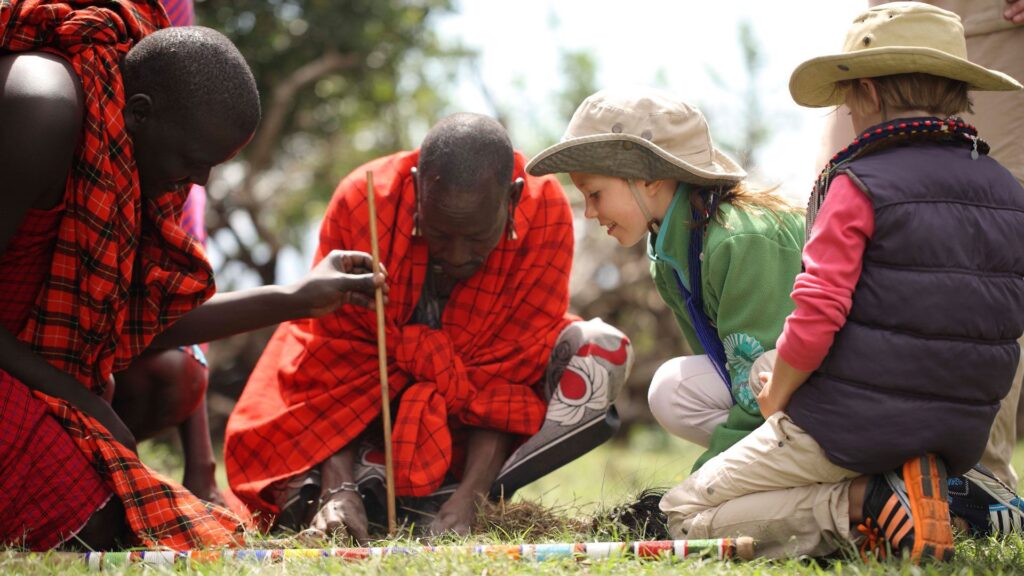
Can I Take Photos During Cultural Visits in a Tanzania or Kenya Safari?
Many travelers planning Kenya Safaris or Tanzania Safaris often ask: Can I Take Photos During Cultural Visits in a Tanzania or Kenya Safari? This question is essential because meaningful cultural interactions require sensitivity, respect, and understanding of community traditions. Terenga Safaris offers deeply immersive cultural journeys that complement wildlife adventures such as Kenya Wildlife Safaris, Kenya Birding Safaris, Kenya Cultural Safaris, Tanzania Wildlife Safaris, and Tanzania Cultural Safaris. When these journeys involve meeting Indigenous groups like the Maasai of Kenya or the Hadzabe and Datoga of Tanzania, photography is a powerful tool for storytelling, but it must be practiced responsibly.
Understanding Photography Etiquette on Cultural Safaris
Every cultural visit provided by Terenga Safaris is designed to foster mutual respect between guests and local communities. The question “Can I take photos during cultural visits?” becomes vital in ensuring travelers do not unintentionally intrude on private moments or sacred practices. Maasai ceremonies, Hadzabe hunting demonstrations, Datoga blacksmithing sessions, and traditional dance gatherings can all be photographed—but only with appropriate permission. Ethical photography builds trust, enhances the experience, and supports community empowerment, values that lie at the heart of Terenga Safaris’ mission.
Cultural visits enrich Kenya Best Safaris and Tanzania Great Migration itineraries by offering human connection alongside wildlife observation. While witnessing the movement of millions of wildebeest during the Kenya Great Migration or Tanzania Great Migration, guests also meet pastoralists whose lives have intertwined with these landscapes for centuries. Terenga Safaris ensures guests are guided on how to take respectful, appropriate photos, making the experience meaningful, memorable, and culturally sensitive.
Cultural Photography Etiquette in Kenya – The Importance of Permission
Respecting local customs is central when asking: Can I take photos during cultural visits? During Kenya Safaris, travelers often visit communities such as the Maasai, Samburu, and Turkana, where traditional attire, lifestyle, and ceremonies captivate visitors. Photography is allowed during most Maasai village tours, but only when individuals or groups willingly consent. Terenga Safaris ensures that every guest is briefed before entering the village so they understand which moments are appropriate to capture.
Photographing the Maasai during traditional dances, bead-making demonstrations, or herding activities adds depth to Kenya Cultural Safaris, but guides explain when photography may be restricted. Sacred rituals, private family gatherings, or mourning ceremonies are not photographed. The question “Can I take photos during cultural visits?” emphasizes responsibility, and Terenga Safaris encourages guests to engage first, ask permission second, and photograph third. This approach strengthens cultural exchange and builds genuine rapport.
Road access from Nairobi makes reaching Maasai communities near the Amboseli region, Maasai Mara borders, or the Ngong Hills straightforward. Terenga Safaris arranges transport, village entry permissions, and translators to enhance communication. Guests can also combine cultural visits with Kenya Wildlife Safaris, observing elephants in Amboseli or predators in the Mara before engaging with local communities. Those seeking bird-focused experiences may pair photography-friendly village tours with Kenya Birding Safaris, capturing both wildlife and culture in a single itinerary. Travelers who desire multi-country experiences may integrate Uganda Gorilla Trekking to create a holistic East African adventure.
Cultural Photography Guidelines in Tanzania – Respecting Indigenous Traditions
The question Can I take photos during cultural visits? becomes even more essential during Tanzania Safaris, where travelers meet the Hadzabe hunter-gatherers near Lake Eyasi or the Datoga blacksmiths in the same region. These groups preserve ancient traditions, and Terenga Safaris ensures all photography is done respectfully. Guides teach guests how to ask permission in local languages or sign through gestures when verbal communication is limited.
Hadzabe communities often allow photography during hunting demonstrations, fire-making lessons, or traditional dance sessions. Datoga blacksmithing workshops also welcome photos, especially during metal forging demonstrations. However, photographing private family moments or spiritual rituals requires strict consent. By constantly referring to “Can I take photos during cultural visits?”, Terenga Safaris reinforces ethical travel values that ensure no guest unintentionally disrespects local customs.
Reaching these communities is seamless through Arusha, which serves as the gateway to Tanzania Wildlife Safaris, Ngorongoro Highlands expeditions, and Serengeti routes. Guests touring the region for the Tanzania Great Migration often integrate cultural photography visits at Karatu or Lake Eyasi, creating a balanced safari that blends wildlife drama with Indigenous heritage. Cultural tours can also complement Tanzania Cultural Safaris, where markets, traditional dances, coffee plantations, and craft villages offer countless photographic opportunities.
What to Expect During Cultural Visits with Photography Opportunities
Guests exploring East Africa with Terenga Safaris frequently ask: Can I take photos during cultural visits? The experience is immersive, engaging, and built on community respect. Travelers can expect warm welcomes from local hosts, traditional greetings, dance performances, and storytelling sessions. Photography is allowed during most parts of the visit when permission is granted, giving guests a chance to capture moments of daily life such as beadwork, cooking, jewelry crafting, pastoral activities, or traditional music.
Every cultural encounter is guided by professionals who explain where and when photography is encouraged. Guides also help visitors understand the significance of certain cultural practices so photos carry deeper meaning. Those on Kenya Birding Safaris or Tanzania Wildlife Safaris can blend cultural photography with wildlife photography, creating a diverse portfolio that narrates the story of East Africa’s people, animals, and landscapes.
Travelers can also expect opportunities to purchase locally crafted items, enjoy meals prepared in traditional ways, and interact with community elders. These interactions offer stories and insights that make every photo more meaningful. The question “Can I take photos during cultural visits?” remains central throughout the experience, shaping every moment to ensure respect and harmony.
How to Reach East Africa’s Cultural Photography Destinations
Reaching cultural destinations in Kenya and Tanzania is simple with Terenga Safaris. Nairobi serves as the main gateway for Kenya Safaris, providing road or short-flight access to Maasai communities near Amboseli, Maasai Mara, and Samburu. Arusha or Kilimanjaro International Airport provides easy entry into Tanzania’s cultural hubs, including Lake Eyasi and Ngorongoro communities.
Terenga Safaris arranges all logistics—transport, translators, cultural entry fees, photography permissions, and accommodation—ensuring guests travel comfortably and confidently as they explore the question: Can I take photos during cultural visits?
Best Time for Cultural Visits and Photography
Cultural visits are available year-round across East Africa. However, the optimal periods align with dry seasons:
Kenya Safaris: June to October and December to March
Tanzania Safaris: June to October and December to February
These months offer pleasant temperatures, accessible roads, and vibrant cultural activities. Travelers visiting during the Kenya Great Migration or Tanzania Great Migration can also integrate cultural photography visits into their itineraries.
Why Choose Terenga Safaris for Cultural and Photography Safaris
Terenga Safaris stands out as a leader in ethical, respectful, and educational cultural tourism. Our guides are trained in cultural etiquette, photography guidelines, and community engagement. Every itinerary ensures travelers asking Can I take photos during cultural visits? receive clear guidance, structured permission protocols, and meaningful interactions that respect local dignity.
We curate highly personalized journeys combining:
✔ Cultural tours
✔ Wildlife adventures
✔ Birding experiences
✔ Migration safaris
✔ Optional Uganda Gorilla Trekking extensions
Our expertise, relationships with local communities, and commitment to responsible tourism make Terenga Safaris a trusted authority in East African travel.
When is the best time for cultural photography safaris?
The best time for cultural visits and photography is during the dry seasons—June to October and December to March—when community activities are vibrant and weather conditions are ideal for travel and photography.
How much does a cultural photography safari cost?
A cultural-focused safari with Terenga Safaris starts from $2,500 per adult for a 7-day itinerary, including guided cultural visits, photography permissions, accommodation, transport, and wildlife excursions. Prices adjust depending on itinerary length and lodging preferences.
Conclusion
Understanding the question Can I take photos during cultural visits? is essential for travelers who wish to capture the beauty of East Africa’s traditions respectfully. Terenga Safaris ensures every guest practices ethical photography while engaging meaningfully with Maasai, Samburu, Hadzabe, and Datoga communities. Whether exploring Kenya Safaris, Tanzania Safaris, the Tanzania Great Migration, or combining cultural journeys with Uganda Gorilla Trekking, visitors gain unforgettable experiences that honor local heritage and preserve cultural integrity.