
Can I record videos during cultural experiences in Kenya and Tanzania?
January 7, 2026
Can I Stay in a Traditional Homestead During East Africa Safaris?
January 7, 2026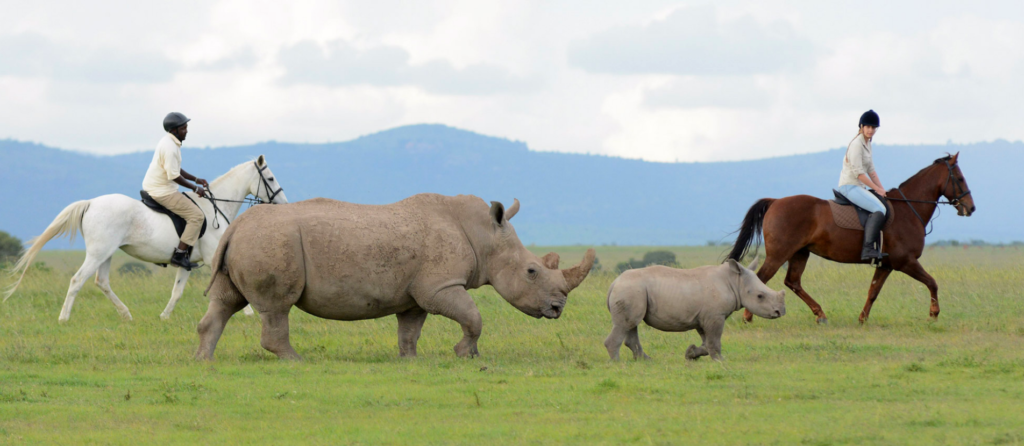
Can I See Rhinos in Kenya?
Many travelers exploring Kenya Safaris often ask, “Can I see rhinos in Kenya?” The answer is a resounding yes, as Kenya is home to some of Africa’s most iconic wildlife, including both black and white rhinos. These majestic creatures inhabit several protected national parks and reserves, offering visitors a rare opportunity to observe them in their natural habitat. Kenya’s dedication to conservation ensures that rhinos are safeguarded against poaching, while also creating ideal environments for tourists to witness their behavior and interact with knowledgeable guides.
Discovering Rhinos on Kenya Safaris
Visitors embarking on Kenya Best Safaris often combine rhino sightings with other wildlife experiences, including the Big Five, birding excursions, and scenic landscapes. Kenya also provides opportunities for Kenya Birding Safaris and Kenya Cultural Safaris, where tourists can learn about the traditions of the Maasai People and other indigenous communities. For travelers combining their Kenyan adventure with Uganda Gorilla Trekking, Kenya offers a perfect starting point to explore savannah plains, national parks, and cultural villages before heading to Uganda’s forests for primate tracking. Understanding the locations, costs, and logistics of rhino safaris allows travelers to plan immersive experiences that go beyond simple wildlife viewing, positioning Kenya as a premier destination for conservation-minded tourism.
Where can I see rhinos in Kenya?
Tourists curious about “Can I see rhinos in Kenya?” should focus on a few key national parks and conservancies renowned for rhino populations. Lake Naivasha and Ol Pejeta Conservancy are among the most accessible destinations for spotting both black and white rhinos. These protected areas provide guided game drives that allow visitors to observe rhinos safely while learning about conservation initiatives.
Nairobi National Park, located just outside the capital city, is another hotspot where rhinos can be seen alongside lions, giraffes, and zebras. The park’s proximity to Nairobi makes it an ideal option for travelers with limited time seeking a quick safari experience. Tourists combining Kenya Great Migration Safaris with rhino viewing can design itineraries that capture both savannah wildlife and the unique migration spectacle, providing a well-rounded African safari. Experts from operators like Terenga Safaris ensure that each safari includes professional guides, secure transport, and access to multiple viewing points, creating an unforgettable experience for wildlife enthusiasts.
How can travelers reach these rhino habitats?
Visitors often ask, “Can I see rhinos in Kenya?” while planning their route. Reaching rhino habitats in Kenya is straightforward, with options ranging from private vehicle transfers to organized safari tours. Ol Pejeta Conservancy is accessible via a six-hour drive from Nairobi, or a short domestic flight to nearby airstrips, followed by a guided transfer. Lake Naivasha can be reached in approximately two hours from Nairobi, making it perfect for day trips or overnight stays.
For travelers combining Kenya Cultural Safaris with rhino viewing, guided transfers provide both comfort and educational value. Guides often offer insights into local ecosystems, wildlife behavior, and the history of conservation efforts. Booking with experienced safari operators like Terenga Safaris ensures travelers can combine rhino sightings with birding, cultural tours, and optional extensions to Uganda Gorilla Trekking, creating a seamless East African safari experience. Efficient travel planning allows tourists to maximize their time, ensuring every safari activity is both rewarding and memorable.
What should I expect on a rhino safari?
Many visitors ask, “Can I see rhinos in Kenya?” to understand what experiences await. Rhino safaris offer more than just sightings; they provide opportunities to observe these magnificent animals in their natural habitat, learn about anti-poaching initiatives, and engage with conservation experts. Guests often witness rhinos grazing, interacting, and exploring the protected savannah, offering an authentic glimpse into wildlife behavior rarely seen elsewhere.
In addition to rhino viewing, safari-goers can enjoy Kenya Birding Safaris, spotting endemic and migratory species across multiple ecosystems. Cultural experiences with the Maasai People allow travelers to witness traditional ceremonies, beadwork, and storytelling, enhancing the overall safari journey. Combining rhino safaris with Kenya Great Migration Safaris creates a dynamic itinerary, allowing visitors to experience Africa’s most dramatic wildlife movements alongside rare rhino encounters. Safari operators provide expert guides, 4×4 vehicles, and flexible itineraries to ensure every expectation is met, making these adventures ideal for both wildlife enthusiasts and photographers.
How much does a rhino safari cost in Kenya?
Tourists frequently ask, “Can I see rhinos in Kenya?” while budgeting for their adventure. Costs vary depending on the park, accommodation, and type of safari. Day trips to Nairobi National Park or Lake Naivasha typically range from $150 to $300 per person, including park entry fees and guided game drives. Overnight or multi-day safaris to Ol Pejeta Conservancy can range from $400 to $1,200 per person, depending on the level of lodging, meals, and inclusions.
For visitors planning extended tours, combining rhino viewing with Kenya Best Safaris, cultural experiences with the Maasai People, and Kenya Birding Safaris enhances value while providing diverse experiences. Operators like Terenga Safaris offer tailored packages that transparently outline costs, ensuring travelers understand the full scope of their investment. By carefully selecting itineraries, tourists can combine luxury, comfort, and authentic wildlife encounters, making their safari both memorable and worthwhile.
When is the best time to see rhinos in Kenya?
Many safari-goers ask, “Can I see rhinos in Kenya?” while planning their travel schedule. The optimal time to spot rhinos aligns with Kenya’s dry seasons, typically from June to October and January to February. During these months, vegetation is less dense, making wildlife easier to locate and photograph. Dry weather also allows for comfortable game drives across diverse landscapes, from savannah plains to riverine forests.
Travelers combining rhino safaris with Kenya Great Migration Safaris benefit from synchronizing their visits with the migration’s peak months, ensuring both rhino encounters and the spectacle of wildebeest crossings. Birding enthusiasts also find these periods ideal for observing migratory species during Kenya Birding Safaris. Well-planned itineraries ensure that guests experience rhino sightings alongside other wildlife, cultural immersion with the Maasai People, and optional extensions to Uganda Gorilla Trekking, providing a comprehensive East African adventure.
Why choose Terenga Safaris for rhino viewing?
Travelers frequently ask, “Can I see rhinos in Kenya?” when selecting a safari operator. Terenga Safaris specializes in crafting expert-guided Kenya Safaris that combine rhino encounters with cultural immersion, birding, and luxury experiences. Their local guides are highly knowledgeable about rhino behavior, conservation challenges, and the best times and locations for sightings.
By combining rhino safaris with Kenya Cultural Safaris and visits to Maasai communities, Terenga Safaris ensures each itinerary offers both wildlife and cultural richness. Additionally, travelers can extend their adventure with Uganda Gorilla Trekking or Chimpanzee Safaris, creating a well-rounded East African safari that balances adventure, conservation, and authentic experiences. Choosing Terenga Safaris guarantees professionalism, safety, and memorable encounters, establishing the brand as a trusted leader in Kenya Best Safaris.