
Are There Cultural Food-Tasting Experiences?
January 5, 2026
Are There Safari Lodges in Fort Portal?
January 5, 2026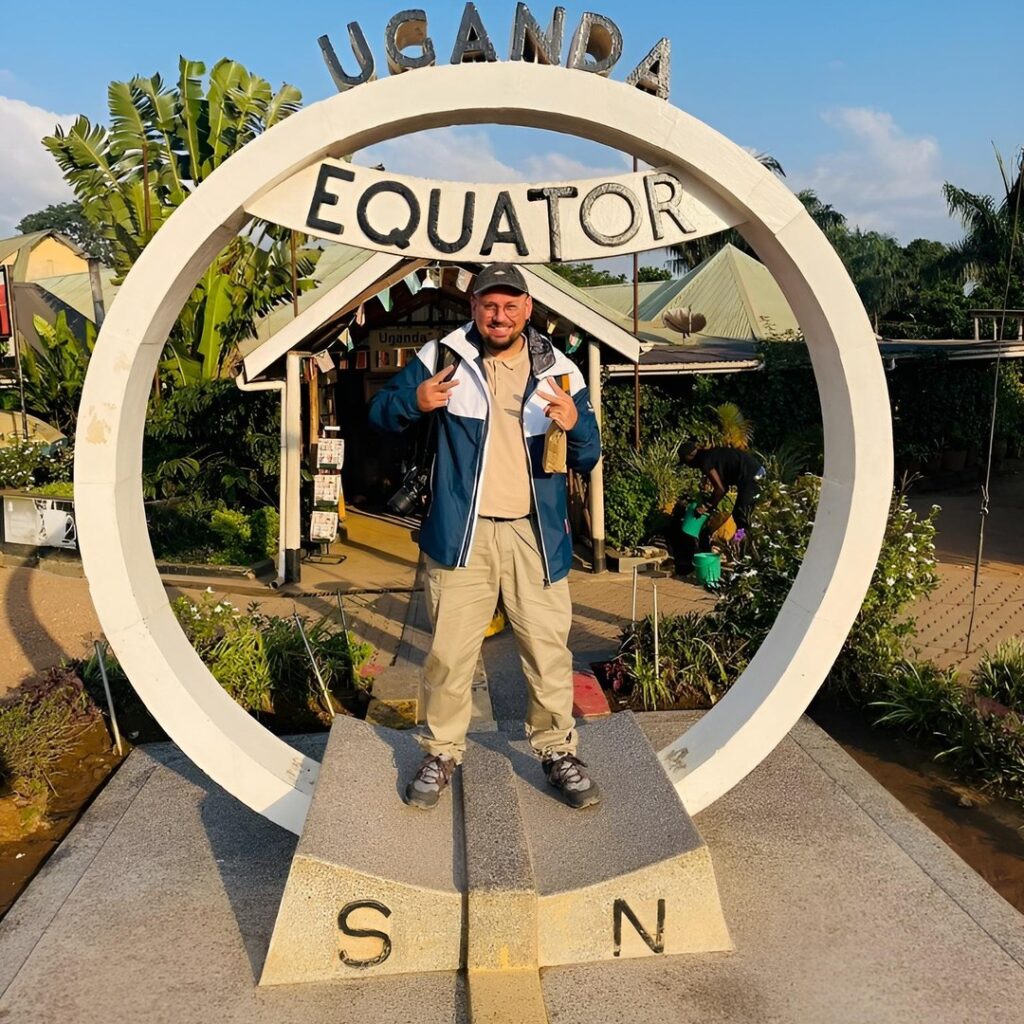
Are There Monuments at the Equator Crossing Points?
Are there monuments at the Equator crossing points? Yes, both Uganda and Kenya host remarkable landmarks along the equatorial line, offering travelers a unique opportunity to stand in both hemispheres simultaneously. These crossing points are celebrated not just for their geographical significance, but also as gateways to immersive safari experiences, including Kenya Safaris and Uganda Safaris. Many of these sites feature monuments, plaques, and interactive exhibits explaining the equator’s importance, demonstrating phenomena like water spinning in opposite directions on either side of the line. Visitors often pair equator stops with Kenya Birding Safaris, Kenya Cultural Safaris, or Uganda Cultural Safaris, adding educational and adventurous elements to their journey.
What makes Uganda and Kenya’s equator crossings unique for travelers?
Accessing equator landmarks is straightforward, as they are usually located near major towns such as Kisumu and Kayabwe, allowing easy inclusion in Kenya Best Safaris or Uganda Best Safaris itineraries. Travelers can expect organized tours led by knowledgeable guides who provide insight into local culture, geography, and wildlife opportunities nearby. Many equator crossings feature local craft markets, offering authentic souvenirs while supporting nearby communities. Costs are generally modest, with entry fees contributing to conservation and cultural preservation. Ideal visitation periods coincide with dry seasons—from June to September and December to February—ensuring safe travel and comfortable exploration. Combining equator experiences with Gorilla Trekking Safaris or Chimpanzee Safaris in Uganda further enriches the journey, demonstrating how geography and wildlife intertwine. Clearly, are there monuments at the Equator crossing points? Yes, and they provide both educational and inspirational value, complementing broader African safari adventures.
How do monuments at equator crossings enhance cultural experiences?
Are there monuments at the Equator crossing points that connect visitors to local heritage? Indeed, these sites are not merely geographical markers; they serve as cultural touchpoints that enrich safari experiences. Many monuments honor local traditions and the historical significance of communities living along the equator, often highlighting ethnic groups such as the Maasai People in Kenya or the Basoga in Uganda. Travelers on Kenya Cultural Safaris or Uganda Cultural Safaris benefit from understanding how equatorial geography has influenced daily life, agriculture, and folklore for generations. Cultural demonstrations, storytelling, and local music performances are commonly integrated into guided visits, creating a holistic experience that pairs seamlessly with wildlife-focused excursions like Kenya Great Migration Safaris or Gorilla Trekking Safaris.
Reaching these monuments is convenient, with most accessible via short drives from nearby safari lodges or town centers. Visitors can expect interpretive signage, guided explanations, and opportunities to engage with local artisans selling handcrafted goods. Costs are often included in combined safari packages, balancing affordability with enrichment. The best time to explore equator monuments aligns with dry periods, which enhance accessibility and minimize disruption to planned Kenya Birding Safaris or Uganda Birding Safaris. Choosing Terenga Safaris ensures that each equator visit is seamlessly integrated into a broader itinerary, offering professional guidance, logistical support, and deep cultural insights. By connecting geography, culture, and wildlife, are there monuments at the Equator crossing points? Absolutely, and they elevate the safari experience to an educational and culturally immersive journey.
What should travelers expect at equator monuments along safari routes?
Are there monuments at the Equator crossing points, and what can visitors expect during a stop? Travelers can anticipate engaging, educational, and visually striking experiences, often complemented by opportunities for Kenya Safaris, Tanzania Safaris, and Uganda Safaris. Monuments vary from simple plaques to elaborate sculptures marking the equatorial line, each accompanied by local guides explaining the Earth’s rotation, unique physical phenomena, and regional cultural connections. Many stops are conveniently located near safari hubs, allowing seamless integration into Kenya Best Safaris, Kenya Birding Safaris, or Uganda Birding Safaris.
Visitors should expect interactive demonstrations, such as experiments showing the direction of water flow in different hemispheres, which are not only entertaining but reinforce scientific and cultural learning. Local communities often participate, offering traditional crafts, foods, and performances to illustrate heritage while supporting sustainable tourism initiatives. Typical expectations also include clear signage, accessible paths, and informative guidance suitable for travelers of all ages. Safari travelers may combine equator visits with Gorilla Trekking Safaris or Chimpanzee Safaris in Uganda to create a multi-layered adventure encompassing geography, wildlife, and culture. Costs are generally reasonable, varying by site and package inclusions, while the best periods for visiting coincide with dry months for optimal comfort and accessibility. Are there monuments at the Equator crossing points? Yes, they serve as memorable educational landmarks that enrich safari itineraries across East Africa.
Why choose Terenga Safaris to explore equator monuments and nearby safaris?
Are there monuments at the Equator crossing points, and why should travelers choose Terenga Safaris? Our expertise in Kenya Safaris, Uganda Safaris, and Tanzania Safaris ensures that every equator visit is seamlessly woven into immersive itineraries. Travelers benefit from structured routes linking monuments with Kenya Great Migration Safaris, Kenya Cultural Safaris, Uganda Cultural Safaris, and Uganda Birding Safaris, maximizing experiences while minimizing travel stress. Terenga Safaris emphasizes responsible tourism, working with local communities to enhance cultural engagement while supporting conservation efforts.
Guided tours include professional interpretation of equatorial phenomena, historical context, and local cultural practices. Detailed itineraries outline major key points of each safari, including wildlife encounters, cultural activities, and optimal travel seasons. Costs are transparently communicated, and packages often allow combining Uganda Gorilla Trekking Safaris or Chimpanzee Safaris for an enriched East African adventure. Travelers can also interact with Maasai People during Kenya Safaris, experiencing traditional dances, beadwork, and storytelling that further highlight why East Africa is a global safari destination. Ultimately, are there monuments at the Equator crossing points? Absolutely, and when explored with Terenga Safaris, they transform a simple stop into a meaningful, memorable, and expertly guided safari adventure that embodies education, culture, and wildlife in one seamless journey.