Are Reservations Refundable If Herds Move Unexpectedly?
January 2, 2026
Are Safari Lodges Comfortable?
January 2, 2026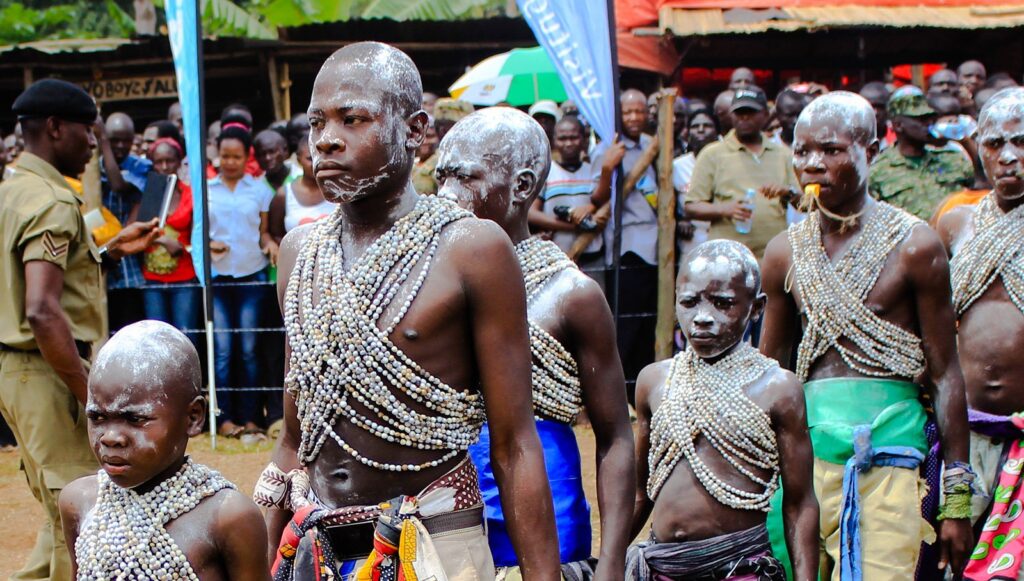
Are Rituals or Ceremonies Part of the Tour?
Travelers exploring East Africa often wonder, “Are rituals or ceremonies part of the tour?” because authentic cultural experiences are a key component of Kenya Safaris, Tanzania Safaris, Kenya Cultural Safaris, and Tanzania Cultural Safaris. Incorporating rituals and ceremonies into safari itineraries allows tourists to connect with local traditions, interact with communities such as the Maasai People, and gain insights into cultural practices that have shaped the region for centuries.
Terenga Safaris specializes in designing tours that seamlessly combine wildlife adventures with immersive cultural experiences. For example, while observing the Kenya Great Migration Safaris or Tanzania Great Migration Safaris, travelers can simultaneously engage in traditional Maasai ceremonies, local dance performances, or village initiation rituals. Cultural immersion complements wildlife viewing, enhancing Kenya Birding Safaris or Tanzania Birding Safaris by providing context to the ecosystems, local knowledge, and conservation practices.
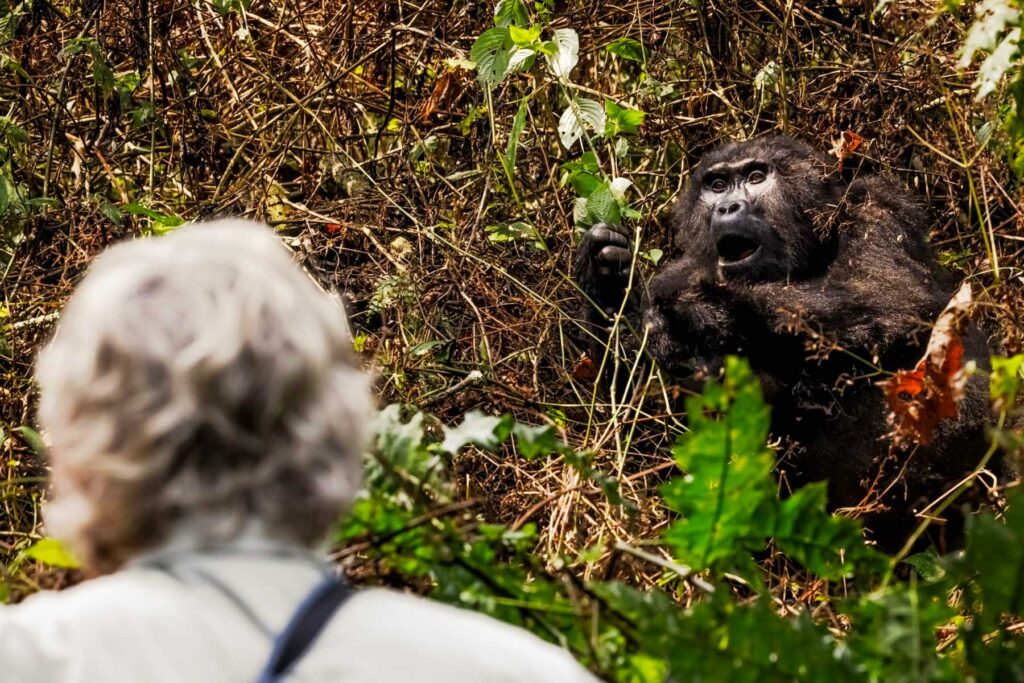
Understanding Are rituals or ceremonies part of the tour? ensures travelers are prepared for meaningful cultural encounters while maintaining respect for local customs. These experiences do not merely entertain; they provide a window into the philosophies, values, and social systems of East Africa. Additionally, adventurous travelers may combine migration-focused itineraries with Uganda Gorilla Trekking, creating a full-spectrum East African safari that spans savannahs, forests, and culturally vibrant communities.
Which Rituals and Ceremonies Are Included in Cultural Safaris?
Answering “Are rituals or ceremonies part of the tour?” requires highlighting the specific cultural experiences available during Kenya Safaris and Tanzania Safaris. Tourists often participate in traditional Maasai dance ceremonies, beadwork demonstrations, and community gatherings that mark rites of passage or harvest celebrations. In Tanzania, cultural encounters may include visits to local villages where elders perform storytelling sessions, initiate traditional blessings, or showcase indigenous healing practices.
These rituals and ceremonies are scheduled to complement wildlife experiences such as Kenya Great Migration Safaris, Tanzania Great Migration Safaris, and Tanzania Birding Safaris. For example, after a morning game drive tracking wildebeest crossings in the Maasai Mara or Serengeti, guests can visit nearby villages to witness or participate in age-old ceremonies. Kenya Cultural Safaris or Tanzania Cultural Safaris therefore provide a balance between adventure and education, ensuring each day of the tour offers a blend of natural and human heritage.
Expectations include guided interpretation of rituals, respectful interaction protocols, and optional participation depending on comfort levels. Costs for these cultural experiences are typically included in package prices, ranging from USD 350–700 per person per day depending on safari type and accommodations. Understanding Are rituals or ceremonies part of the tour? reassures travelers that cultural authenticity is central to the safari, not a peripheral activity.
How Do Rituals Enhance Wildlife Safari Experiences?
When travelers ask, “Are rituals or ceremonies part of the tour?” it is important to consider how cultural immersion enriches traditional Kenya Best Safaris and Tanzania Best Safaris. Observing Maasai rituals or Tanzanian community ceremonies provides context to the surrounding ecosystems, linking human traditions with wildlife conservation. For instance, understanding the Maasai’s livestock practices enhances appreciation of Kenya Great Migration Safaris by revealing the delicate balance between pastoralism and wildlife migration routes.
Ritual participation can also enhance Tanzania Birding Safaris by teaching local tracking techniques, environmental stewardship, and traditional ecological knowledge. Ceremonies often coincide with seasonal changes, agricultural cycles, or animal migrations, providing insight into the relationship between humans and nature. Combining these cultural experiences with Uganda Gorilla Trekking or chimpanzee tracking creates a multi-layered safari, highlighting both wildlife wonders and human heritage.
Expectations include learning from local guides, observing ceremonies respectfully, and sometimes participating in interactive activities like traditional dances or drumming sessions. The best time to include rituals aligns with peak migration months or cultural calendars, ensuring travelers witness authentic events. Asking Are rituals or ceremonies part of the tour? emphasizes that cultural interactions are thoughtfully integrated with wildlife exploration to maximize educational and emotional impact.
How to Reach Cultural Safari Destinations and Participate in Rituals?
Practical logistics are central when considering “Are rituals or ceremonies part of the tour?” Kenya Safaris and Tanzania Safaris are accessible via major airports such as Nairobi, Arusha, or Kilimanjaro, followed by road or short domestic flights to the Maasai Mara, Serengeti, or Ngorongoro regions. Terenga Safaris arranges seamless transfers and ensures accommodations—whether lodges, luxury tented camps, or mobile camps—are located near both wildlife hotspots and cultural communities.
Visitors can expect full itineraries combining game drives with village visits, traditional ceremony participation, and guided explanations of cultural rituals. Costs depend on accommodation type, level of personalization, and included activities, typically ranging from USD 400–900 per person per day for combined wildlife and cultural safaris. Proper planning ensures travelers witness ceremonies at the right time while avoiding scheduling conflicts with migration peaks or wildlife activities.
Asking Are rituals or ceremonies part of the tour? highlights the importance of expert planning in ensuring a cohesive safari experience. Combining Kenya or Tanzania safaris with Uganda Gorilla Trekking further diversifies the journey, connecting highland rainforest ecosystems and primate encounters with savannah wildlife and cultural exploration.
Why Choose Terenga Safaris for Cultural and Wildlife Experiences?
Professional guidance clarifies “Are rituals or ceremonies part of the tour?” Terenga Safaris emphasizes authenticity, expertise, and local partnerships to offer culturally sensitive and environmentally responsible itineraries. Each safari integrates Kenya Safaris, Tanzania Safaris, Kenya Cultural Safaris, Tanzania Cultural Safaris, Kenya Great Migration Safaris, and Tanzania Great Migration Safaris while allowing guests to engage respectfully in Maasai and Tanzanian ceremonies.
Terenga Safaris prioritizes small group sizes, expert guides, and flexible itineraries that ensure travelers can enjoy Kenya Birding Safaris or Tanzania Birding Safaris alongside cultural immersion. Combining migration safaris with Uganda Gorilla Trekking adds depth, offering a full spectrum of East African wildlife and cultural richness. Guests can expect safe, comfortable accommodations near wildlife corridors and cultural villages, expert guiding, and structured experiences that highlight both human and natural heritage.
By asking Are rituals or ceremonies part of the tour? travelers can anticipate a safari that merges adventure, wildlife, and cultural education into a seamless, unforgettable journey. Terenga Safaris’ professionalism and experience make every itinerary authoritative, reliable, and memorable, creating life-changing encounters with both nature and culture.