Are Forest Birding Tours Available? – Terenga Safaris Expert Guide
November 28, 2025
Are Home Visits Part of the Cultural Experience?
November 28, 2025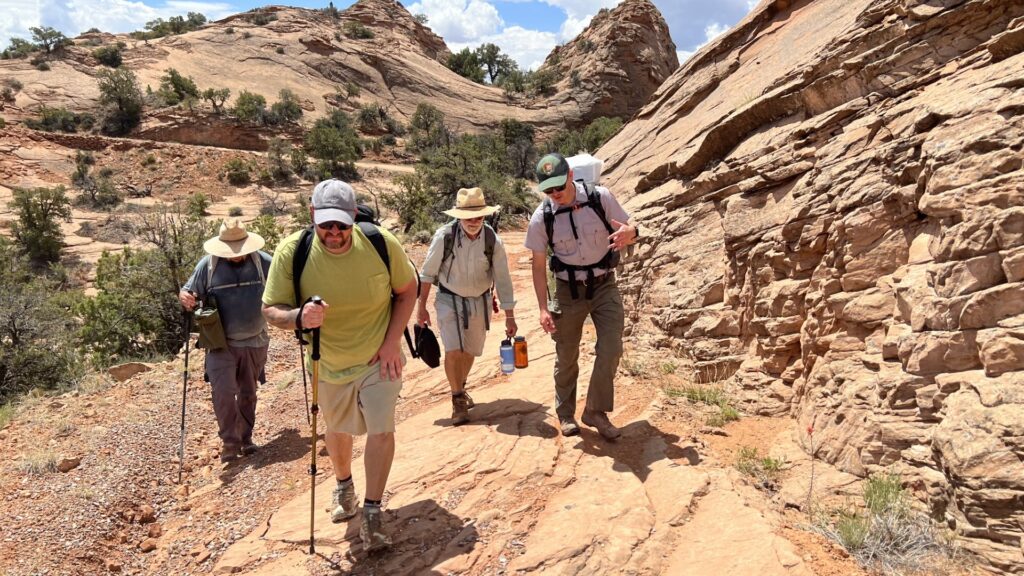
Are Guided Hikes Necessary?
Are guided hikes necessary? This is a question frequently asked by travelers planning Kenya Safaris, Tanzania Safaris, or multi-country adventures that include Uganda Gorilla Trekking. Guided hikes are an essential component of a safe, educational, and immersive safari experience, especially for those exploring Kenya Wildlife Safaris, Kenya Birding Safaris, Kenya Cultural Safaris, and Tanzania Wildlife Safaris. While some visitors may feel confident navigating trails independently, the complexity of East Africa’s landscapes, wildlife behaviors, and cultural contexts makes professional guidance crucial for a rewarding adventure.
Terenga Safaris emphasizes that guided hikes are not only a safety measure but also a way to maximize engagement with the environment. For example, on Kenya Best Safaris or Tanzania Best Safaris, guides provide detailed knowledge about flora and fauna, predator-prey interactions, and migratory patterns such as the Kenya Great Migration and Tanzania Great Migration. Furthermore, guides can integrate cultural experiences into hikes, such as visiting Maasai villages in Kenya or local communities in Tanzania, providing a rich understanding of East African traditions alongside wildlife observation. Combining these guided experiences with Uganda Gorilla Trekking allows travelers to appreciate the contrast between forested ecosystems and open savannah plains, enhancing the depth and diversity of their safari.
The question “Are guided hikes necessary?” reflects broader considerations about safety, educational value, and ecological responsibility. Guided hikes offer structured itineraries, ensure minimal disturbance to wildlife, and provide interpretive insights that elevate the overall safari experience. By following expert guidance, travelers benefit from access to hidden viewpoints, insider knowledge of wildlife behavior, and safe navigation through challenging terrain. This article explores why guided hikes are indispensable, how to plan them, what to expect, and how they complement Kenya and Tanzania Safaris for an unforgettable adventure.
The Role of Guided Hikes in Kenya Safaris
Maasai Mara National Reserve
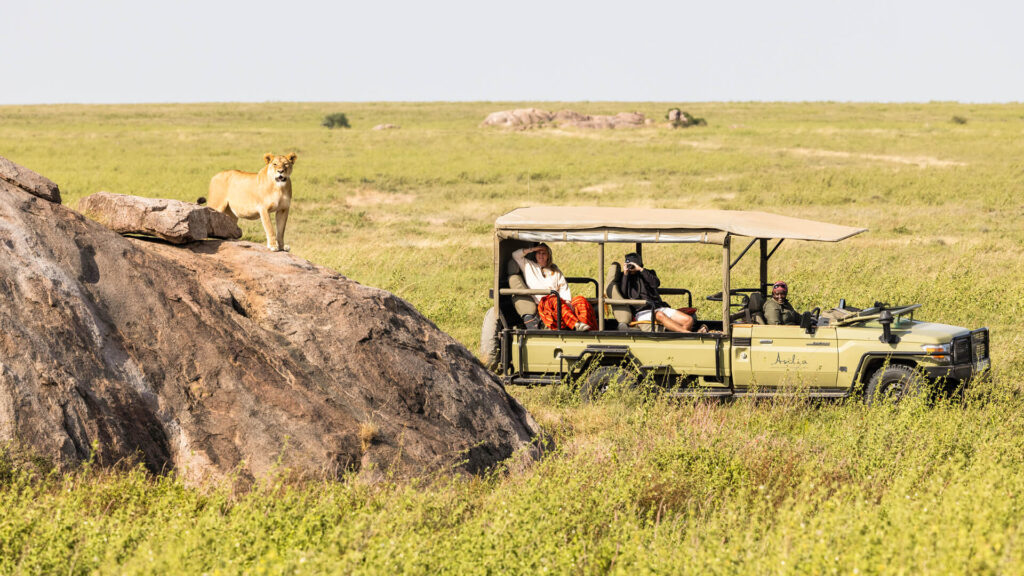
Many travelers ask, “Are guided hikes necessary?” when planning Kenya Safaris in the Maasai Mara National Reserve. Guided hikes in this iconic destination provide unparalleled access to wildlife, including opportunities to track animals on foot under expert supervision. Unlike vehicle-based game drives alone, guided walks allow participants to witness subtle behaviors, discover hidden flora and fauna, and explore areas inaccessible by vehicle. On Kenya Wildlife Safaris, guides help identify animal tracks, explain ecological relationships, and share insights into predator-prey dynamics, offering a more intimate experience than traditional safari routes.
Cultural encounters are integrated seamlessly into guided hikes, making Kenya Cultural Safaris highly enriching. Visitors can engage with Maasai communities, observe traditional rituals, and learn about local land stewardship practices. During these interactions, guides ensure cultural sensitivity and provide interpretive insights that enrich the visitor experience. Combining Maasai Mara hikes with Uganda Gorilla Trekking further enhances the adventure, allowing travelers to experience both open plains and dense tropical forests, emphasizing biodiversity and ecosystem diversity.
Terenga Safaris emphasizes that guided hikes are essential for safety, particularly in areas where large predators roam. Guests on Kenya Best Safaris benefit from guides’ knowledge of safe hiking practices, optimal walking times, and wildlife behavior, reducing the risk of dangerous encounters. Guides also enhance birding experiences on Kenya Birding Safaris, helping participants identify species, locate nests, and observe behaviors that would otherwise be missed. Ultimately, guided hikes ensure that travelers gain a deep, immersive understanding of the Maasai Mara ecosystem while minimizing environmental impact.
Amboseli National Park
When considering the question, “Are guided hikes necessary?”, Amboseli National Park offers a compelling example. The park’s open plains and iconic views of Mount Kilimanjaro create ideal conditions for both game drives and guided hikes. Guided hikes allow visitors to explore wetlands, observe elephants up close, and track smaller wildlife species often overlooked from vehicles. Guides provide detailed explanations about plant species, animal habitats, and the ecological significance of wetlands and swamps, enhancing Tanzania Wildlife Safaris or Kenya Wildlife Safaris.
Birding enthusiasts on Kenya Birding Safaris also gain a unique perspective through guided hikes, as guides help locate elusive species and provide identification tips. Cultural immersion is another key benefit, as guided hikes often include visits to Maasai homesteads, where travelers learn about traditional livelihoods and pastoralist practices. Terenga Safaris ensures guests understand that guided hikes in Amboseli are crucial for both safety and interpretive learning, allowing tourists to enjoy the environment responsibly while capturing meaningful wildlife and cultural experiences.
By integrating guided hikes into Kenya Best Safaris, Terenga Safaris ensures visitors access off-the-beaten-path areas, observe predator-prey interactions, and participate in environmentally responsible tourism. Guided hikes also allow flexibility in combining destinations, making it possible to integrate Uganda Gorilla Trekking into a multi-country itinerary while maintaining a safe and immersive adventure.
Guided Hikes in Tanzania Safaris
Serengeti National Park and the Great Migration
Many safari travelers ask, “Are guided hikes necessary?” in Tanzania, especially in Serengeti National Park during the Tanzania Great Migration. While vehicle-based viewing captures large-scale herd movements, guided hikes provide an intimate understanding of animal behaviors, ecological interactions, and predator-prey dynamics on a smaller scale. Guides assist visitors in safely tracking wildlife on foot, interpret migration patterns, and share insights into species-specific habits that enrich Tanzania Wildlife Safaris and Tanzania Cultural Safaris.
Guided hikes also provide opportunities for cultural interaction. Travelers on Tanzania Cultural Safaris can learn about local communities’ adaptive strategies in coexistence with wildlife, including traditional conservation practices. Incorporating guided hikes into a multi-country safari that includes Uganda Gorilla Trekking highlights the ecological diversity of East Africa, giving participants a holistic view of savannah, forest, and highland ecosystems. Terenga Safaris ensures that all hikes are conducted responsibly, maintaining safe distances from predators and respecting both natural habitats and local communities.
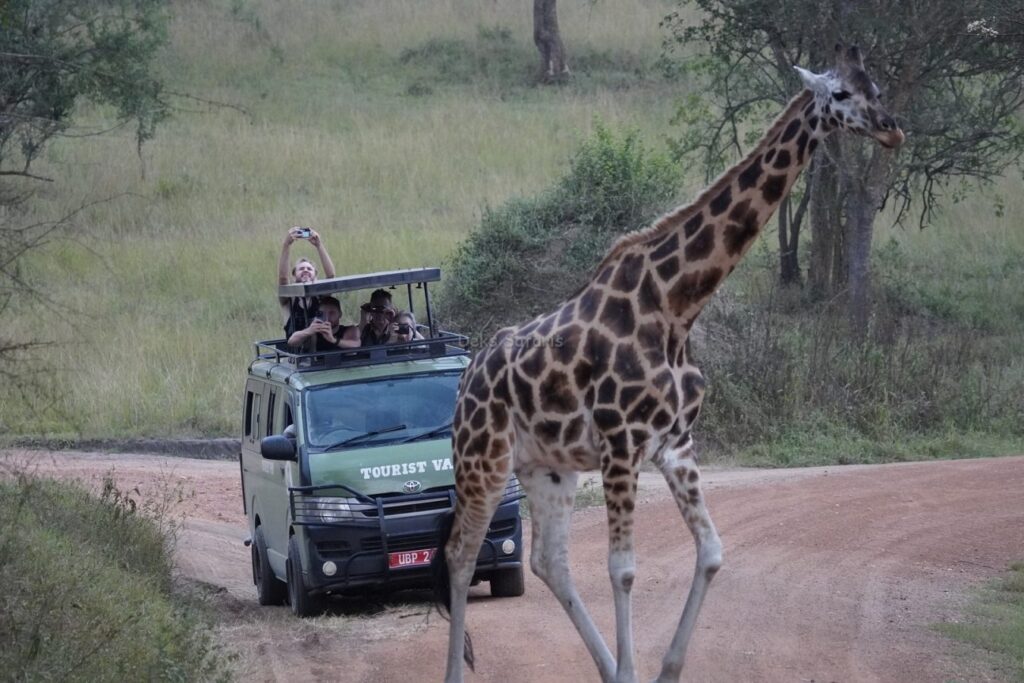
Birding enthusiasts also benefit from guided hikes in the Serengeti, as guides help identify rare or elusive species, observe nesting behavior, and explain seasonal variations in bird activity. Guests combining Tanzania Best Safaris with Kenya Great Migration viewing gain continuous engagement with wildlife, from plains and river crossings to forested regions. Guided hikes complement this experience by offering intimate, close-up observation that cannot be replicated from safari vehicles alone.
Ngorongoro Crater
Visitors frequently ask, “Are guided hikes necessary?” in the Ngorongoro Crater. The crater’s unique ecosystem hosts rhinos, elephants, lions, and a wide variety of herbivores across steep volcanic terrain. Guided hikes provide access to areas that may be inaccessible or unsafe for self-guided exploration, while also offering interpretive education about geology, ecology, and animal behavior.
Cultural insights are another benefit of guided hikes within the crater. Guides facilitate respectful engagement with Maasai communities and explain traditional conservation methods, reinforcing the principles of Tanzania Cultural Safaris. Combining guided hikes in Ngorongoro with Kenya or Tanzania Safaris and Uganda Gorilla Trekking enables travelers to experience diverse habitats, wildlife, and cultures within one seamless itinerary. Terenga Safaris emphasizes that guided hikes ensure maximum safety, in-depth ecological education, and immersive cultural interaction, highlighting why they are a necessary component of any safari experience.
How to Reach Safari Hiking Destinations
Travelers often ask, “Are guided hikes necessary?” alongside planning logistics for Kenya Safaris and Tanzania Safaris. Most participants fly into Nairobi’s Jomo Kenyatta International Airport or Kilimanjaro International Airport and connect to safari lodges via domestic flights or guided 4×4 transfers. Guided hikes are most effective when combined with these well-planned transport arrangements, allowing travelers to arrive rested, safely positioned, and ready for immersive experiences.
Terenga Safaris provides eco-conscious transport, ensuring minimal environmental impact while maximizing wildlife viewing opportunities. Guests combining Kenya or Tanzania Safaris with Uganda Gorilla Trekking benefit from guided hikes across multiple ecosystems, enhancing both safety and interpretive engagement. Understanding “Are guided hikes necessary?” also allows travelers to prepare appropriate clothing, footwear, and gear to optimize both comfort and observational experience while maintaining responsible tourism practices.
What to Expect on Guided Hikes
Visitors frequently ask, “Are guided hikes necessary?” and what to expect during these excursions on Kenya and Tanzania Safaris. Guided hikes offer a structured, educational approach to exploring wildlife habitats, cultural sites, and ecological hotspots. Guests can expect guided identification of animal tracks, detailed explanations of predator-prey interactions, and firsthand observation of flora and fauna that are often missed on vehicle-based drives.
Birding enthusiasts on Kenya Birding Safaris or Tanzania Birding Safaris benefit significantly, as guides enhance identification, behavior observation, and seasonal insights. Hikes also include cultural immersion opportunities, allowing guests to interact respectfully with local communities, observe traditional livelihoods, and gain insight into conservation practices. Combining guided hikes with Uganda Gorilla Trekking creates a complete safari experience, from forest ecosystems to open savannahs, offering unparalleled biodiversity and adventure.
Terenga Safaris ensures guided hikes maintain strict safety protocols, including distance from predators, group coordination, and terrain navigation. Travelers gain an intimate understanding of ecosystems, enhanced wildlife viewing, and enriched cultural perspectives. Guided hikes not only elevate the safari experience but also foster environmental stewardship, supporting responsible tourism and sustainable conservation.
Best Time for Guided Hikes in Kenya and Tanzania
Travelers often ask, “When is the best time for guided hikes?” for Kenya and Tanzania Safaris. Dry seasons, typically from June to October and December to February, are ideal for hiking. Trails are accessible, wildlife congregates near water sources, and bird activity is at its peak, maximizing observational opportunities. During Kenya Great Migration and Tanzania Great Migration periods, guided hikes provide safe access to critical observation points, enhancing overall safari engagement.
Terenga Safaris recommends planning guided hikes with consideration of seasonal variations, herd movements, and ecological conditions to optimize both safety and educational value. Combining guided hikes with Uganda Gorilla Trekking ensures a seamless multi-country safari experience that captures the diversity of East African ecosystems across seasons.
Why Choose Terenga Safaris for Guided Hikes
Travelers asking, “Are guided hikes necessary?” benefit from Terenga Safaris’ expertise in Kenya Safaris, Tanzania Safaris, Kenya Birding Safaris, Kenya Cultural Safaris, Tanzania Wildlife Safaris, and Uganda Gorilla Trekking. Our guides are professionally trained, knowledgeable about flora, fauna, and cultural contexts, and ensure safe, ethical, and immersive hiking experiences.
Choosing Terenga Safaris guarantees participation in Kenya Best Safaris or Tanzania Best Safaris with enriched interpretation, safety, and insider access. Guests gain intimate wildlife encounters, cultural immersion, and multi-ecosystem exploration, reinforcing Terenga Safaris’ authority, trustworthiness, and leadership in East African tourism. Guided hikes allow visitors to engage fully with the environment while respecting wildlife and local communities, making them an indispensable component of any safari itinerary.