How Travel Changes the Way We See the World?
September 16, 2026
The Stories Behind Uganda’s Traditions
September 17, 2026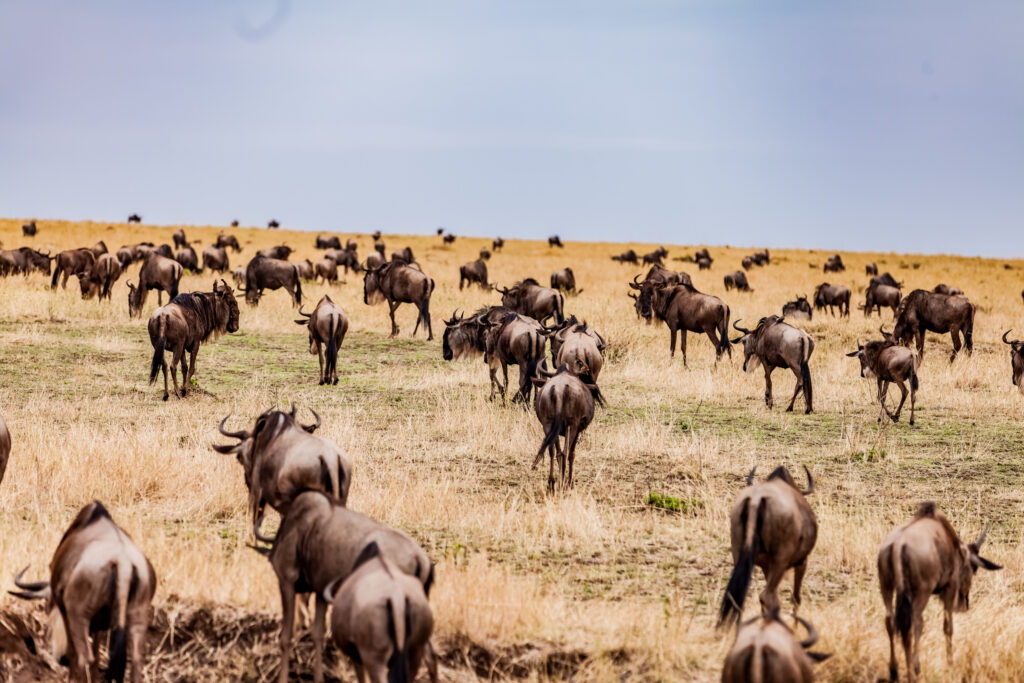
Why the Serengeti Great Migration Is Called the World’s Greatest Wildlife Show?
Why the Serengeti Great Migration Is Called the World’s Greatest Wildlife Show? This question attracts travelers from every corner of the world. The answer lies in its enormous scale, natural drama, and remarkable wildlife movements.
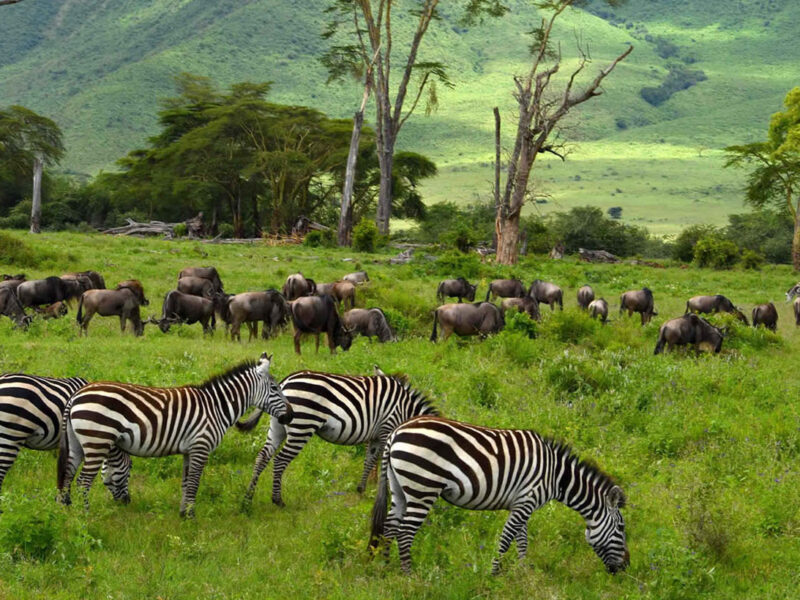
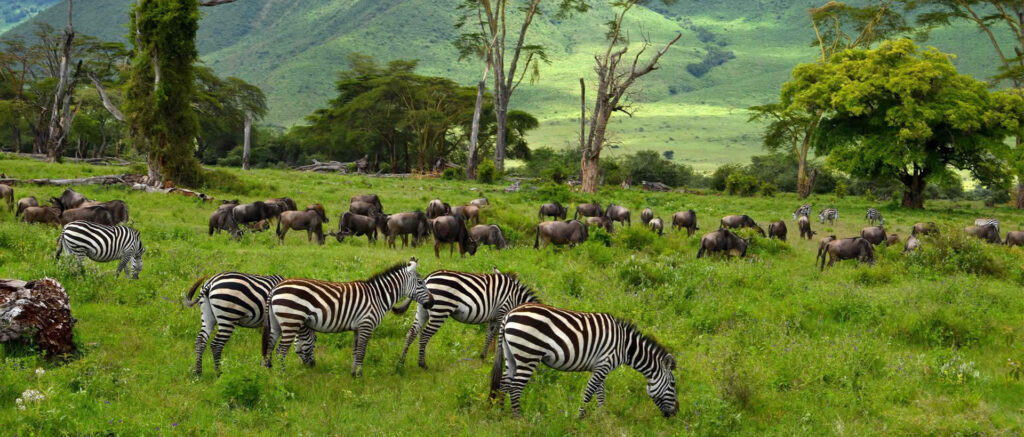
Every year, millions of wildebeest move across the Serengeti ecosystem. Large numbers of zebras and gazelles travel alongside them. Their movement follows rainfall, fresh grass, water, and seasonal conditions.
The migration creates spectacular wildlife encounters across northern Tanzania. Travelers can witness huge herds crossing open plains and navigating challenging river crossings. Predators also follow the herds because migration provides abundant hunting opportunities.
The Serengeti offers much more than a single wildlife event. It provides year-round wildlife experiences across diverse habitats. Visitors can encounter lions, leopards, cheetahs, elephants, giraffes, hippos, and numerous bird species.
Furthermore, the migration connects Tanzania with Kenya’s Maasai Mara ecosystem. The animals move across a vast landscape without recognizing international boundaries.
At Terenga Safaris, we create carefully planned Tanzania safaris around these natural rhythms. Our itineraries balance wildlife viewing, comfortable accommodation, cultural discovery, and scenic exploration.
Understanding Why the Serengeti Great Migration Is Called the World’s Greatest Wildlife Show? begins with understanding nature itself.
What Is the Great Migration?
A Natural Annual Movement
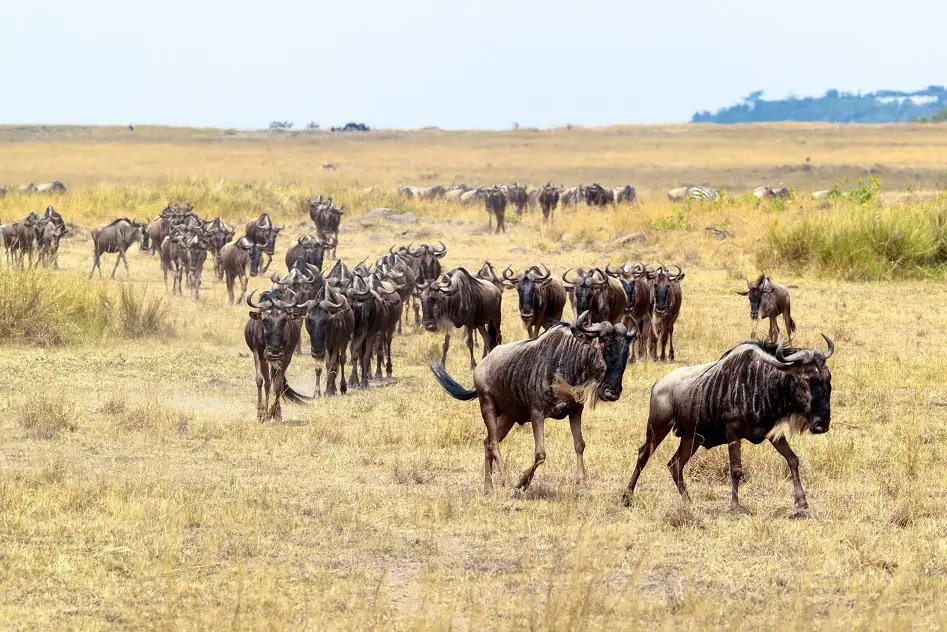
The Great Migration involves the seasonal movement of large herbivore populations. Wildebeest form the largest group within this spectacular movement.
Zebras and gazelles also travel with the herds. Their movement depends heavily on rainfall and the availability of fresh grazing.
The animals continuously search for nutritious grass and reliable water. Consequently, their route changes according to environmental conditions.
This movement creates one of Africa’s most extraordinary natural spectacles. However, it remains a survival journey rather than a planned performance.
Nature Controls the Journey
Rainfall determines where fresh grass becomes available. Water availability also influences the movement of the herds.
Therefore, migration timing can vary between different years. Travelers should understand this natural uncertainty when planning their Tanzania safari.
Why the Serengeti Great Migration Is Called the World’s Greatest Wildlife Show?
The Scale Is Extraordinary
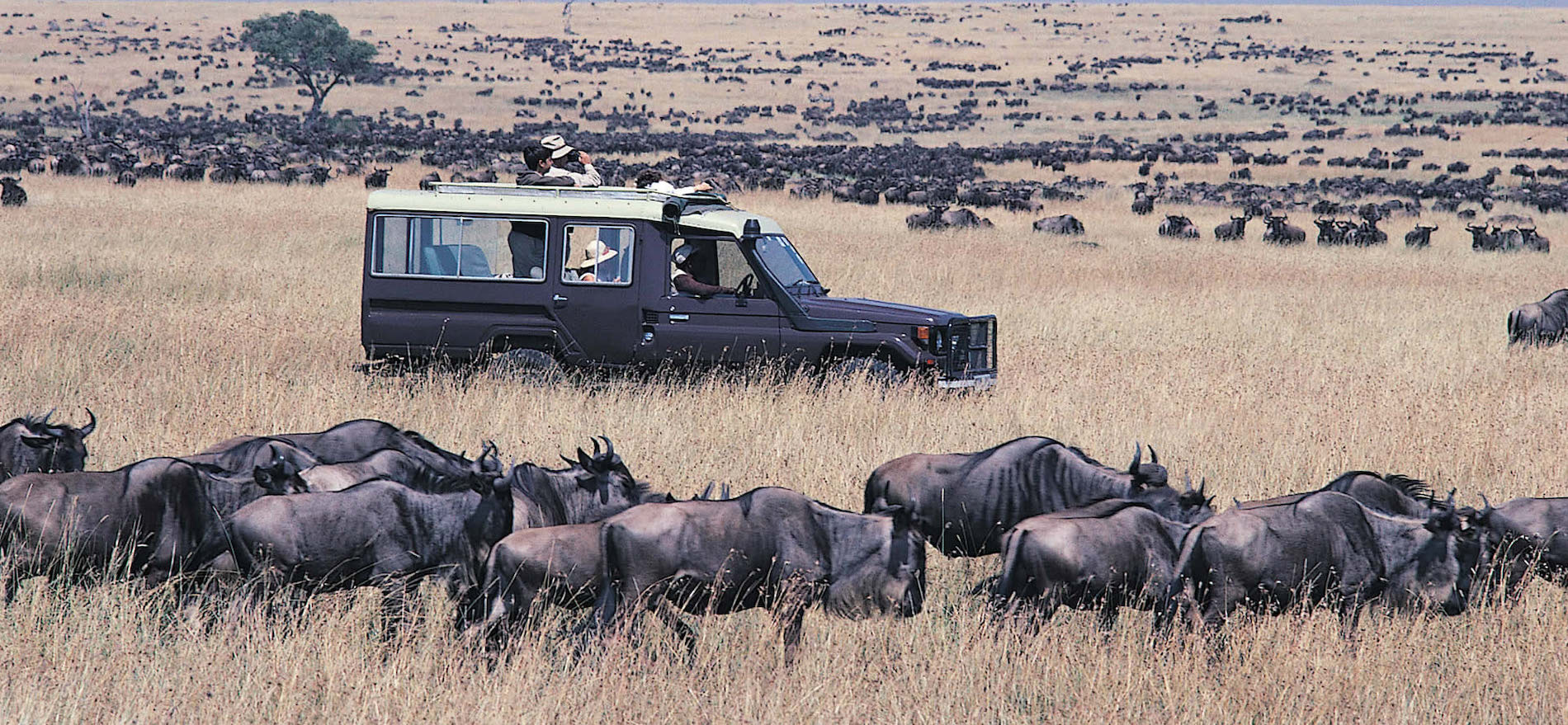
The sheer number of animals makes the migration exceptional. Vast herds can stretch across the horizon during favorable periods.
Watching thousands of wildebeest move together creates an unforgettable visual experience. Zebra herds add contrasting patterns across the golden grasslands.
Gazelles move among the larger animals. Meanwhile, predators remain nearby, creating additional wildlife encounters.
The scale separates the Great Migration from ordinary wildlife sightings. Few safari experiences provide such an immense concentration of moving animals.
The Role of the Serengeti Ecosystem
A Vast Wildlife Landscape
The Serengeti provides an extensive ecosystem for wildlife. Its plains, woodlands, rivers, kopjes, and seasonal wetlands support diverse species.
The landscape changes dramatically across different regions. Each habitat provides unique opportunities for wildlife observation.
Serengeti National Park forms a central part of the broader ecosystem. Neighboring protected areas and conservation landscapes extend the available wildlife habitat.
This connected ecosystem allows animals to follow natural seasonal patterns. Consequently, conservation across the wider landscape remains essential.
Wildlife Beyond the Migration
The Serengeti offers excellent wildlife viewing outside migration periods. Resident animals remain throughout the year.
Lions, leopards, cheetahs, elephants, giraffes, buffaloes, and hippos inhabit different areas. Birdwatchers can also discover numerous species across the ecosystem.
Therefore, Tanzania wildlife safaris do not depend entirely on migration timing.
The Calving Season
New Life on the Plains
The calving season provides one of the migration’s most important stages. Large numbers of wildebeest give birth during favorable grazing conditions.
Young calves quickly become mobile after birth. However, predators remain an immediate threat.
Lions, cheetahs, hyenas, and other predators take advantage of vulnerable young animals. This creates intense wildlife interactions across the plains.
Travelers can observe nurturing behavior alongside predator activity. The experience demonstrates the natural balance between survival and reproduction.
A Season of Wildlife Activity
Calving areas often attract many predators. Consequently, game drives can produce exceptional wildlife sightings.
However, visitors should always maintain appropriate distances from animals. Respectful wildlife viewing protects both animals and visitors.
The Famous River Crossings
A Dramatic Natural Challenge
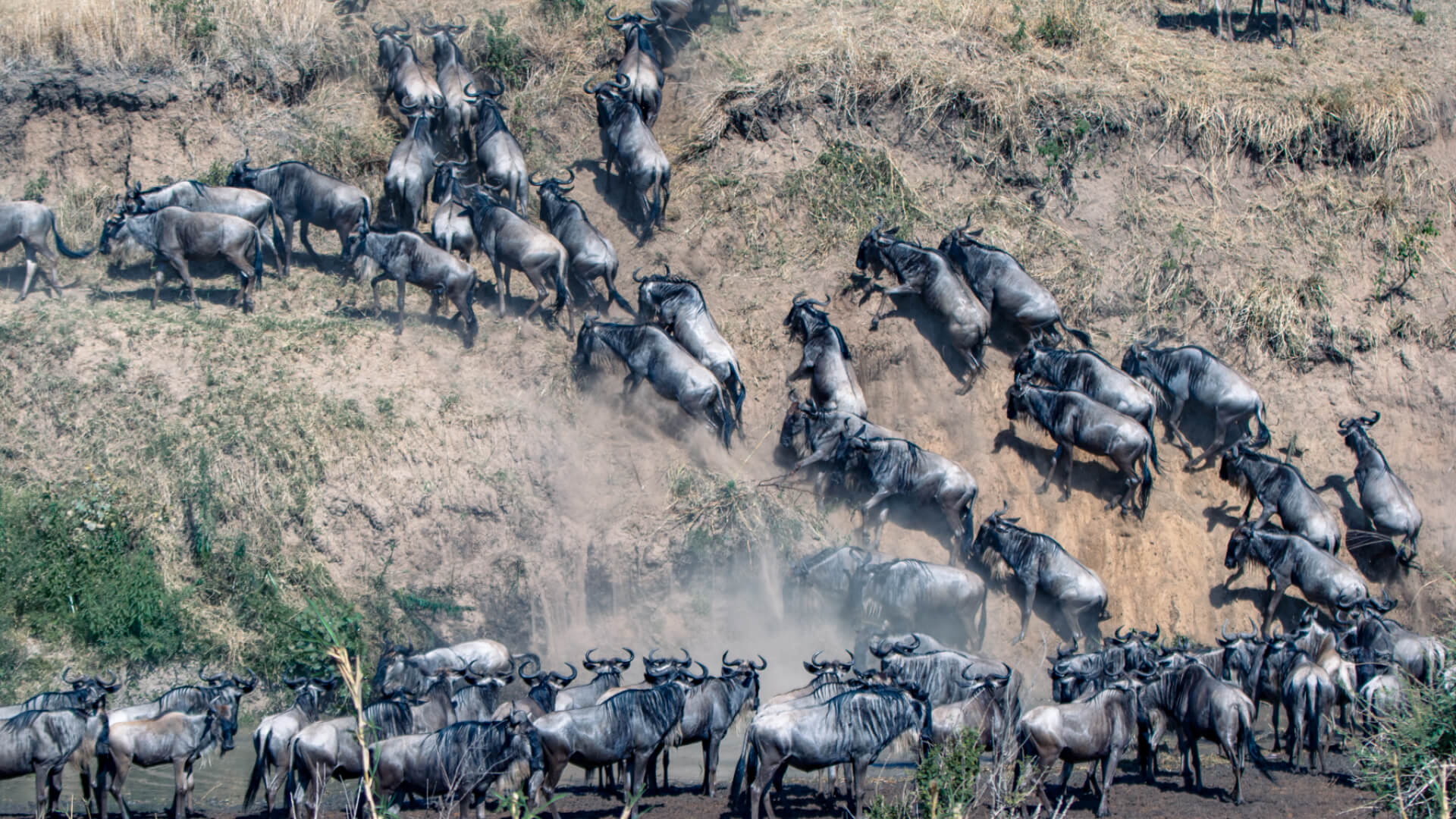
River crossings represent one of the most dramatic migration experiences. Herds may approach rivers and gather along the banks.
The animals face strong currents, steep banks, and waiting predators. Crocodiles can create additional danger within the water.
Crossings do not happen according to a fixed schedule. Therefore, patience remains essential for travelers hoping to witness one.
A responsible guide helps visitors understand animal behavior. Guides also ensure that vehicles follow park regulations during sensitive encounters.
Why River Crossings Matter
River crossings demonstrate the risks involved in migration. The animals must continue moving to reach new grazing areas.
This struggle contributes strongly to Why the Serengeti Great Migration Is Called the World’s Greatest Wildlife Show?
The experience combines movement, uncertainty, survival, and extraordinary wildlife behavior.
Predators and the Great Migration
Lions on the Plains
Lions remain among the most iconic Serengeti predators. They often inhabit areas where prey remains plentiful.
Migration periods can create increased feeding opportunities for predators. However, lions continue hunting resident wildlife throughout the year.
Cheetahs and Leopards
Cheetahs use open plains to pursue fast-moving prey. Their hunting strategy relies heavily on speed and short bursts of acceleration.
Leopards often prefer areas with thicker vegetation. They remain powerful and elusive predators across the ecosystem.
Hyenas also play an important role. Their social behavior and scavenging skills make them important members of the Serengeti ecosystem.
Tanzania Safaris and the Great Migration
Planning Around Seasonal Movements
Tanzania safaris can be designed around different migration stages. Your travel period should match the experience you want.
Some travelers prioritize calving experiences. Others prefer river-crossing opportunities or large herds on the plains.
A professional safari planner can help match your itinerary with seasonal patterns. However, nature always retains the final decision.
Combining Serengeti With Other Parks
A Tanzania wildlife tour can include several remarkable destinations. Ngorongoro Conservation Area offers dramatic scenery and exceptional wildlife.
Tarangire National Park provides large elephant populations and beautiful landscapes. Lake Manyara can add birdwatching and diverse wildlife experiences.
Combining destinations creates a broader Tanzania wildlife safari. It also provides excellent variety beyond the migration itself.
Cultural Experiences Around Serengeti Safari Lodges
Maasai Community Experiences
The Serengeti region provides opportunities to learn about Maasai culture. Travelers can visit communities through responsible cultural tourism programs.
Visitors may experience traditional dancing, crafts, storytelling, and local livelihoods. Some experiences also provide opportunities to learn about traditional pastoral practices.
These interactions should always respect community customs. Travelers should also support legitimate community tourism initiatives.
Local Crafts and Traditional Products
Cultural visits can include opportunities to discover handmade crafts. Beaded jewelry and other traditional products provide memorable souvenirs.
Purchasing directly from community artisans can support local livelihoods. Travelers should choose authentic products and negotiate respectfully.
Cultural Experiences Near Your Safari Lodge
Many safari lodges provide access to community-based activities. Travelers can arrange village visits, cultural performances, and local excursions.
Some experiences focus on traditional food and cooking methods. Others explore farming, livestock keeping, or craft production.
Therefore, Why the Serengeti Great Migration Is Called the World’s Greatest Wildlife Show? also involves the people surrounding this remarkable ecosystem.
Photography During the Great Migration
Capturing Wildlife Responsibly
The migration provides exceptional photography opportunities. Wide landscapes can showcase the scale of the moving herds.
Telephoto lenses help capture animals without approaching too closely. Early morning and late afternoon often provide attractive natural light.
However, photography should never interfere with wildlife behavior. Drivers should follow designated routes and maintain responsible distances.
Patience Produces Better Images
Wildlife photography requires patience. Animals may remain still before suddenly changing direction.
Avoid rushing between sightings. Instead, allow your guide to position the vehicle responsibly.
This approach improves both photography and wildlife viewing.
Responsible Tourism and Conservation
Protecting the Serengeti
The Serengeti supports important wildlife populations and local communities. Conservation requires responsible management and visitor cooperation.
Travelers should follow park regulations throughout their safari. They should avoid littering and unnecessary disturbance.
Responsible tourism also supports local economies. Accommodation, guiding, transport, conservation fees, and cultural experiences create employment opportunities.
Supporting Local Communities
Community tourism can provide additional benefits around protected areas. Travelers can choose legitimate community experiences during their safari.
Such activities can complement wildlife viewing while creating broader tourism value.
Tanzania Adventure Safaris Beyond the Migration
More Than Game Drives
Tanzania adventure safaris can include more than traditional game drives. Travelers can explore cultural destinations, nature areas, and scenic landscapes.
Hot-air balloon experiences can provide a different perspective over selected Serengeti areas. Walking experiences can also provide closer connections with nature.
Mount Kilimanjaro adds another dimension to Tanzania’s adventure opportunities. Zanzibar can extend a safari with coastal relaxation and cultural exploration.
Therefore, travelers can create a diverse Tanzania itinerary around their interests.
How to Plan Your Serengeti Migration Safari
Choose the Right Travel Period
Start by identifying your preferred migration experience. Seasonal movements can influence where the herds gather.
Remain flexible because rainfall affects wildlife movements. Your safari team can adjust plans based on current field conditions.
Select the Right Accommodation
Accommodation should match your route and travel style. Permanent lodges provide comfort throughout the year.
Mobile camps can provide access to seasonal wildlife areas. Your choice should depend on location, comfort, budget, and preferred experience.
Work With Experienced Safari Professionals
A knowledgeable safari operator understands Tanzania’s parks and travel logistics. Professional planning also helps create realistic daily schedules.
Terenga Safaris combines local knowledge with careful itinerary planning. We focus on comfortable travel and meaningful wildlife experiences.
Safari Inclusions
- Airport transfers
- Private safari vehicle
- Professional safari guide
- Accommodation
- Meals
- Drinking water
- Game drives
- Park entrance fees
- Conservation fees
- Cultural experiences
- Community visits
- Applicable government taxes
- Selected activities
- Emergency assistance
Safari Exclusions
- International flights
- Visa fees
- Travel insurance
- Personal expenses
- Alcoholic beverages
- Laundry services
- Tips
- Souvenirs
- Optional activities
- Personal communication costs
- Medical expenses
- Additional accommodation
Why the Serengeti Great Migration Is Called the World’s Greatest Wildlife Show?
Why the Serengeti Great Migration Is Called the World’s Greatest Wildlife Show? The answer lies within nature’s extraordinary combination of scale and survival.
Millions of animals move across a vast ecosystem in search of food and water. Predators follow the herds, while rivers create challenging obstacles.
The experience changes throughout the year. Calving brings new life, while river crossings create dramatic moments.
Nevertheless, the Serengeti offers remarkable wildlife viewing beyond migration periods. Resident wildlife continues to thrive throughout the ecosystem.
Tanzania wildlife safaris therefore provide much more than one seasonal event. Travelers can combine Serengeti experiences with Ngorongoro, Tarangire, and other destinations.
Conclusion: Why the Serengeti Great Migration Is Called the World’s Greatest Wildlife Show?
Why the Serengeti Great Migration Is Called the World’s Greatest Wildlife Show? Its greatness comes from nature’s scale, unpredictability, and remarkable survival story.
The Great Migration provides an opportunity to witness wildlife following ancient ecological patterns. Every season brings different landscapes, animal movements, and viewing opportunities.
For travelers seeking exceptional Tanzania safaris, the Serengeti provides an unforgettable destination. A well-planned Tanzania safari can also include cultural experiences and other national parks.
At Terenga Safaris, we create carefully designed journeys across Tanzania and wider East Africa. Our expertise combines destination knowledge, professional guiding, comfortable transport, and responsible tourism.