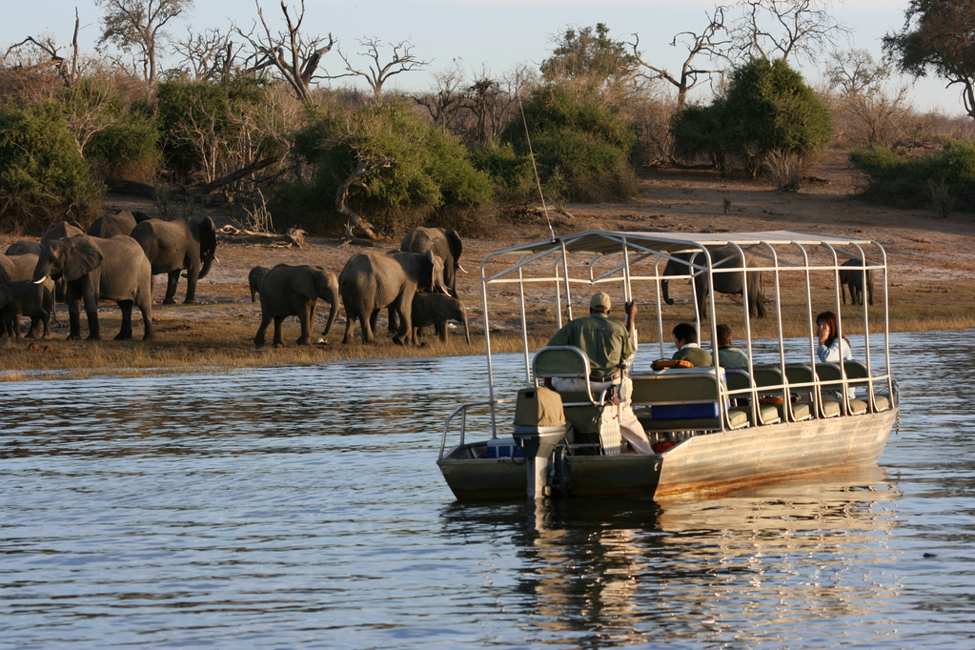

Food Experiences Every Visitor Should Try
September 16, 2026
Why the Serengeti Great Migration Is Called the World’s Greatest Wildlife Show?
September 17, 2026
How Travel Changes the Way We See the World?
How Travel Changes the Way We See the World? Travel creates opportunities to discover places beyond familiar surroundings. It introduces new cultures, landscapes, traditions, wildlife, and ways of life.
Africa offers particularly powerful opportunities for meaningful travel. The continent combines remarkable biodiversity with diverse communities and ancient cultural traditions.
East Africa provides an exceptional setting for transformative journeys. Uganda, Kenya, Tanzania, and Rwanda offer different experiences for curious travelers.
A Uganda safari can introduce you to mountain gorillas, chimpanzees, elephants, lions, hippos, and countless bird species. However, the experience extends beyond wildlife viewing.
Travelers can visit local communities and discover traditional foods. They can explore markets, participate in cultural activities, and meet local artisans.
Furthermore, travel encourages people to experience unfamiliar environments directly. This experience can create greater appreciation for nature and cultural diversity.
At Terenga Safaris, we believe meaningful journeys should combine discovery, comfort, learning, and responsible tourism. Every carefully planned safari can provide opportunities for deeper understanding.
Therefore, How Travel Changes the Way We See the World? begins with curiosity. A journey becomes meaningful when travelers remain open to new experiences.
Travel Expands Cultural Understanding
Discovering Different Ways of Life
Travel introduces you to communities with different traditions. These differences can make destinations more fascinating and memorable.
Visitors exploring Uganda can experience traditional music, dance, food, crafts, and storytelling. Each activity provides another perspective on local life.
Cultural experiences also help travelers understand the connection between communities and their environment. Farming, fishing, crafts, and food traditions often reflect local geography.
Consequently, travel can turn unfamiliar traditions into meaningful experiences.
Learning Through Direct Experience
Books provide useful information about different cultures. However, visiting a community creates a more direct learning opportunity.
A traveler can watch traditional crafts being made. They can taste local food and participate in cultural activities.
Such experiences create stronger memories. Therefore, How Travel Changes the Way We See the World? involves learning through participation.
How Travel Changes the Way We See the World Through Nature
Experiencing Africa’s Landscapes
Africa contains extraordinary landscapes. Uganda alone offers rainforests, savannahs, wetlands, lakes, rivers, and mountains.
A Uganda wildlife tour can move between completely different ecosystems. Each environment supports unique plants and wildlife.
Bwindi offers dense tropical forest and mountain terrain. Queen Elizabeth National Park provides savannah, wetlands, forests, and lakes.
Murchison Falls combines powerful river scenery with expansive savannah landscapes. Kibale offers lush forests and exceptional primate experiences.
These environments create powerful connections with nature. Travelers often gain a greater appreciation for ecological diversity through direct exploration.
Understanding the Importance of Conservation
Wildlife experiences can make conservation more personal. Seeing elephants or gorillas in their natural environment creates a direct connection with nature.
Uganda wildlife safaris also introduce travelers to protected ecosystems. These experiences demonstrate why habitats require long-term protection.
Responsible tourism can contribute to conservation efforts. Travelers can support protected areas through park fees and responsible tourism activities.
How Travel Changes the Way We See the World Through Wildlife
Observing Animals in Their Natural Habitat
Wildlife encounters can challenge expectations created by documentaries and photographs. Seeing animals in their natural environment provides a different perspective.
A lion resting beneath a tree tells a different story from a photograph. Watching elephants interact creates an even deeper experience.
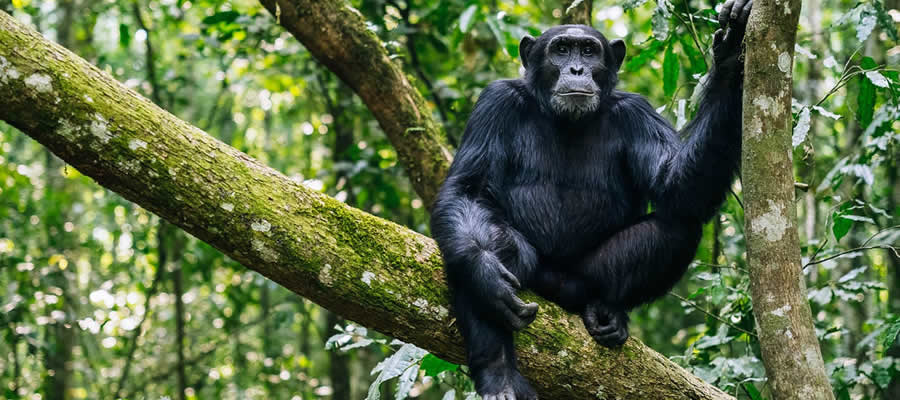
Chimpanzee trekking provides another remarkable opportunity. Visitors can observe primates moving through forest habitats.
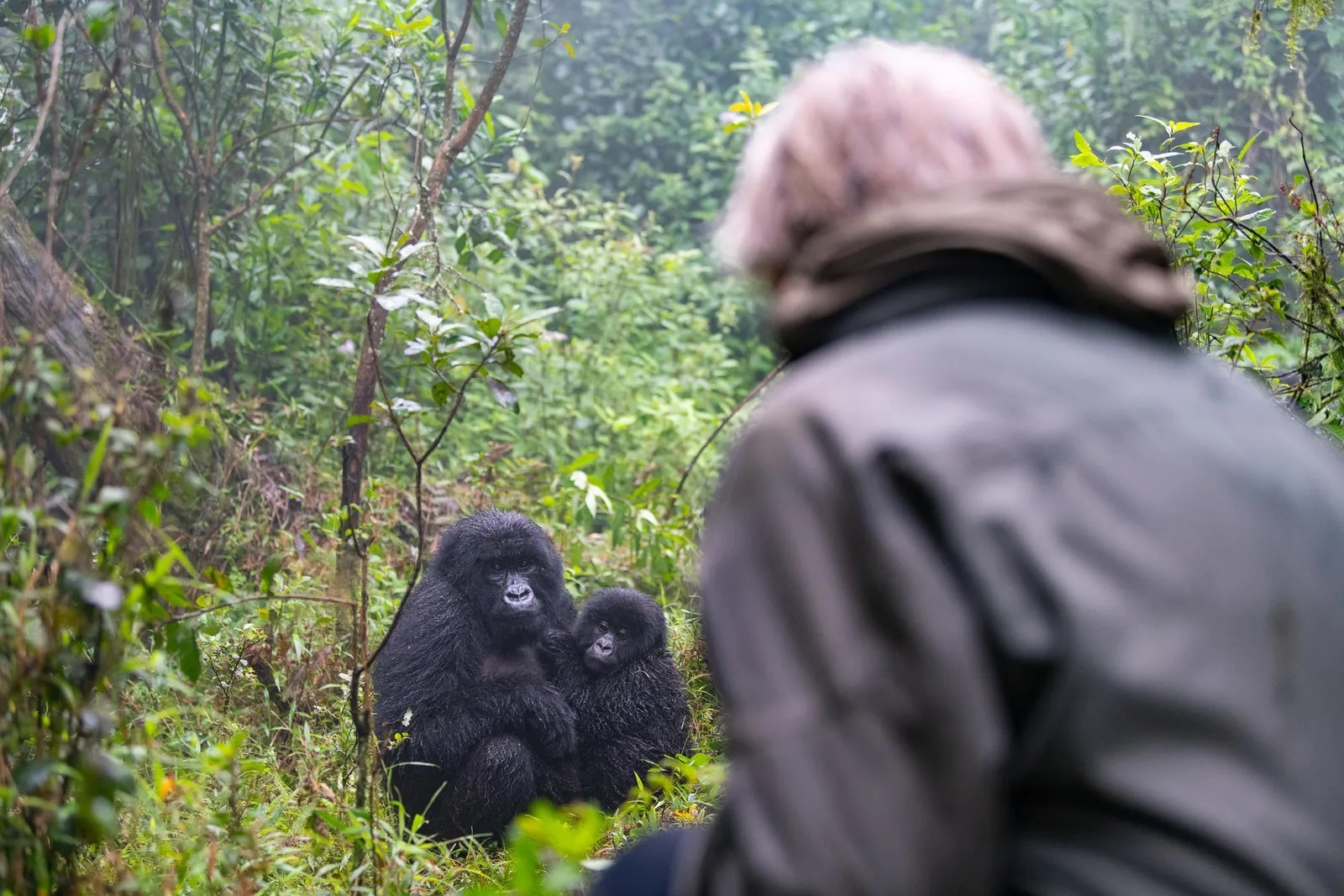
Gorilla trekking offers an especially powerful wildlife experience. Travelers can observe mountain gorillas while respecting strict conservation guidelines.
Therefore, How Travel Changes the Way We See the World? becomes clear through direct encounters with wildlife.
Patience and Observation
Safari experiences teach patience. Wildlife does not perform according to a fixed schedule.
Animals move when conditions suit them. Birds appear unexpectedly, while predators may remain hidden for hours.
Travelers therefore learn to observe carefully. This patience can influence how they appreciate nature beyond the safari.
Travel Builds Appreciation for Local Communities
Meeting People Beyond Tourist Areas
Travel becomes more meaningful when visitors explore communities responsibly. Local interactions can provide valuable insights into everyday life.
Uganda adventure safaris can include community visits alongside wildlife activities. Travelers can visit villages, farms, craft centers, and cultural sites.
These experiences create opportunities for respectful cultural exchange. They also provide economic benefits for participating communities.
Supporting Local Tourism
Tourism supports many livelihoods across Africa. Guides, drivers, artisans, lodge staff, farmers, and community operators all contribute to tourism.
Choosing local experiences can help distribute tourism income. Buying locally made crafts can also support individual artisans.
Consequently, responsible travel can become a positive force for communities.
Cultural Experiences Around Safari Lodges
Bwindi Area
Safari lodges around Bwindi provide access to several community experiences. Travelers can participate in cultural walks and traditional performances.
Local craft centers offer opportunities to discover handmade products. Visitors can also learn about traditional food preparation.
Community visits can complement gorilla trekking. They provide additional experiences before or after exploring the forest.
Queen Elizabeth Area
Lodges around Queen Elizabeth National Park offer access to local communities. Travelers can visit fishing villages around Lake Edward.
Visitors can explore traditional fishing activities and local livelihoods. Cultural walks can also provide insight into community life.
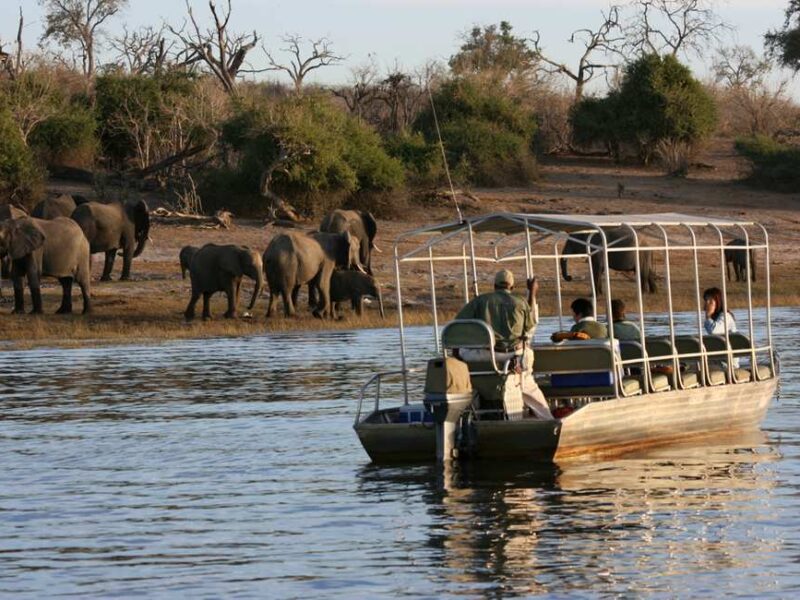
A boat cruise can complement these experiences. Together, they create a broader understanding of the region.
Murchison Falls Area
Communities near Murchison Falls provide opportunities for cultural exploration. Travelers can discover traditional crafts, farming activities, music, and dance.
Local experiences can fit naturally around game drives and Nile activities. This balance creates a more complete safari.
How Travel Changes the Way We See the World Through Food
Discovering Traditional Cuisine
Food provides another gateway into culture. Uganda offers a diverse culinary tradition shaped by different communities.
Travelers can try matoke, luwombo, Rolex, groundnut sauce, cassava, sweet potatoes, and fresh fish.
Coffee experiences also provide opportunities to understand local agriculture. Uganda produces coffee across several regions.
A food experience can therefore become part of a Uganda safari itinerary. Travelers can explore local cuisine alongside wildlife and cultural attractions.
Sharing Meals
Meals can create opportunities for human connection. Sharing food allows travelers to experience local hospitality.
Traditional dining experiences can also introduce unfamiliar ingredients and cooking methods.
Consequently, food helps answer How Travel Changes the Way We See the World?
Travel Encourages Personal Growth
Becoming More Adaptable
Travel places people in unfamiliar situations. New environments encourage travelers to become flexible and observant.
Different transport systems, foods, languages, and customs require adaptation. These experiences can build confidence during future journeys.
Developing Curiosity
Travel encourages questions about places and people. Curiosity helps visitors understand destinations rather than simply photograph them.
A thoughtful traveler explores beyond major attractions. They notice landscapes, conversations, traditions, and everyday activities.
Therefore, travel can influence how people approach unfamiliar experiences.
Travel Creates Global Connections
Connecting Different Perspectives
Modern travel brings people from different backgrounds together. These encounters can create meaningful human connections.
A traveler from Europe can experience Ugandan culture directly. Another visitor from Asia or North America can discover East African traditions.
These shared experiences demonstrate the diversity of human life. They also create opportunities for mutual understanding.
Seeing Similarities
Travel reveals differences, but it also highlights similarities. Families everywhere value community, food, celebration, and meaningful relationships.
These similarities can create stronger connections between visitors and host communities.
How Travel Changes the Way We See the World Through Responsible Tourism
Traveling With Purpose
Responsible travel considers environmental and community impacts. Travelers can make thoughtful decisions throughout their journeys.
Choose accommodations that support local communities. Follow wildlife guidelines and avoid disturbing animals.
Reduce unnecessary plastic use during safari activities. Respect cultural traditions and ask permission before taking photographs.
These simple actions contribute to responsible tourism.
Choosing Sustainable Experiences
Travelers can support conservation areas and community tourism initiatives. They can also choose local guides and locally owned experiences.
Uganda safaris provide many opportunities for responsible travel. Visitors can combine wildlife conservation with cultural exploration.
Planning a Meaningful African Safari
Choose Experiences That Matter
Start by identifying your main interests. Wildlife lovers may prioritize national parks and primate experiences.
Culture enthusiasts can include village visits and community activities. Adventure travelers may choose trekking, hiking, boating, or nature walks.
Avoid Overloaded Itineraries
A meaningful safari requires enough time at each destination. Avoid packing too many attractions into a short itinerary.
Allow time for rest between major activities. This approach creates a comfortable and rewarding journey.
Work With Local Experts
Local safari professionals understand destinations, roads, communities, seasons, and accommodation options.
Terenga Safaris uses destination knowledge to create practical safari itineraries. Our approach focuses on comfort, authenticity, safety, and responsible exploration.
Safari Inclusions
- Airport transfers
- Private safari vehicle
- Professional safari guide
- Accommodation
- Meals
- Drinking water
- Game drives
- Boat cruises
- Nature walks
- Cultural experiences
- Community visits
- Park entrance fees
- Gorilla trekking permits
- Chimpanzee trekking permits
- Applicable government taxes
- Emergency assistance
Safari Exclusions
- International flights
- Visa fees
- Travel insurance
- Personal expenses
- Alcoholic beverages
- Laundry services
- Tips
- Souvenirs
- Optional activities
- Personal communication costs
- Medical expenses
- Additional accommodation
How Travel Changes the Way We See the World?
How Travel Changes the Way We See the World? Travel changes perspectives through direct experience.
It introduces travelers to different cultures, environments, communities, and wildlife. Each journey provides opportunities to learn beyond familiar surroundings.
Uganda provides particularly diverse opportunities for meaningful travel. Uganda wildlife safaris combine exceptional wildlife with forests, lakes, rivers, and cultural experiences.
A Uganda wildlife tour can include gorilla trekking, chimpanzee tracking, game drives, and boat cruises. Visitors can also explore communities surrounding major tourism destinations.
Meanwhile, Uganda adventure safaris can introduce travelers to hiking, nature walks, cultural activities, and scenic landscapes.
The same principle applies across East Africa. Kenya, Tanzania, and Rwanda each provide distinct experiences.
Conclusion: How Travel Changes the Way We See the World?
How Travel Changes the Way We See the World? Travel creates opportunities to discover more than destinations.
It encourages curiosity, cultural understanding, environmental appreciation, and meaningful human connection. It also creates memories that continue beyond the journey.
Africa provides extraordinary opportunities for this kind of transformative travel. From Uganda’s forests to Tanzania’s savannahs, every destination offers something different.
At Terenga Safaris, we create journeys that connect travelers with Africa’s wildlife, landscapes, and communities. Our goal remains simple: create comfortable journeys with meaningful experiences.
How Travel Changes the Way We See the World? The answer lies in experiencing places with curiosity and respect.