
Why Storytelling Is Uganda’s Untapped Economic Asset
June 13, 2026Is Uganda Safe for Tourists?
June 15, 2026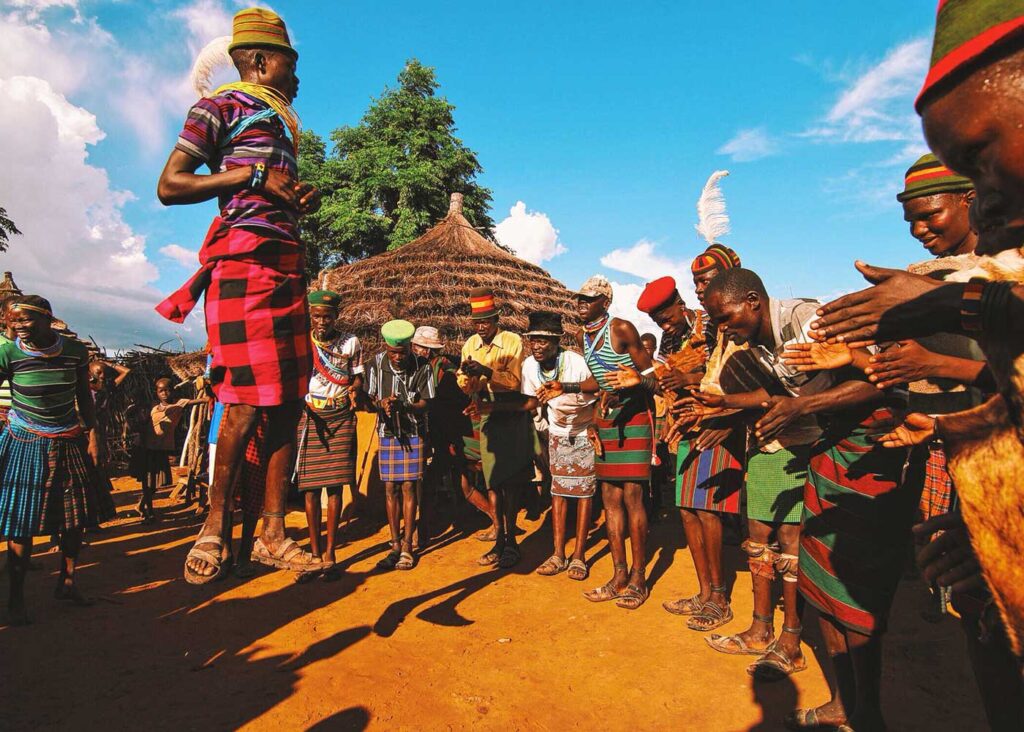
The Business of Experiences: Why Tourism Is More Than Leisure
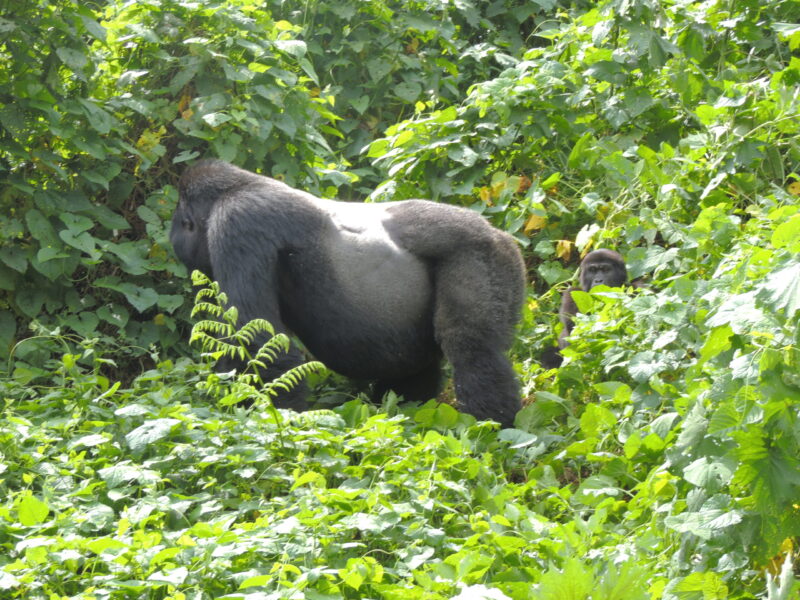
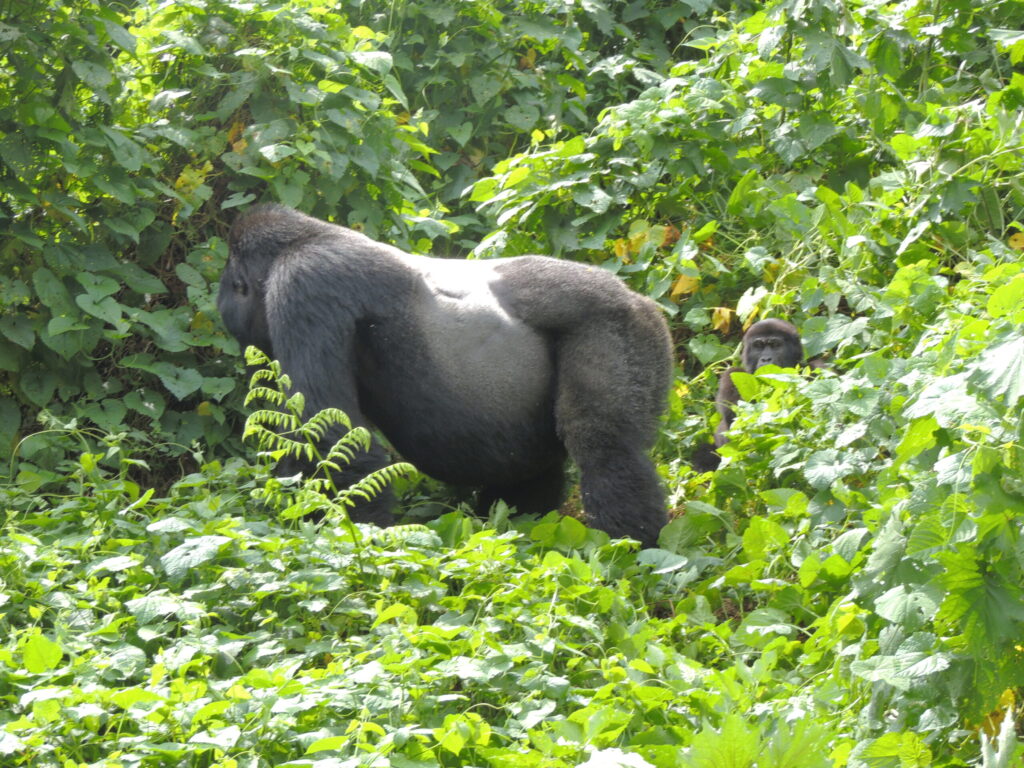
Picture a traveller sitting quietly on a wooden platform at the edge of Bwindi Impenetrable Forest. Below, barely ten metres away, a family of mountain gorillas moves through the undergrowth — an infant clinging to its mother’s back, a silverback pausing to glance upward with unhurried calm. The traveller’s hands are trembling slightly, not from fear but from the weight of the moment. Later, around a campfire, they will struggle to describe exactly what happened. It was not simply exciting. It felt, somehow, important.
Is that experience leisure? Technically, yes. But something considerably more significant is also taking place. An ecosystem is being funded. A community is earning a livelihood. A culture is being shared. And a human being is being quietly changed by an encounter they did not anticipate.
This is the business of experiences — and it sits at the heart of why tourism is far more than leisure. In this article, we explore how tourism functions as an economic force, a conservation mechanism, a cultural bridge, and a driver of genuine human transformation. We also examine what businesses, travellers, and policymakers can draw from this understanding, with particular attention to Uganda’s remarkable position within the global experience economy.
What Is the Business of Experiences?
In 1998, economists B. Joseph Pine II and James H. Gilmore introduced the concept of the experience economy in a landmark Harvard Business Review essay. Their central argument was that economies evolve: from extracting commodities, to manufacturing goods, to delivering services — and finally to staging experiences. At each stage, the value created becomes more personal, more emotional, and harder to commoditise.
We are now living in the experience economy’s maturity. Research consistently shows that younger consumers and affluent travellers increasingly prioritise experiences over possessions. A weekend in a forest lodge, a morning trekking through volcanic highland mist, a conversation with a Bakiga elder about the history of the land — these moments generate something that a new car or a luxury watch cannot: memory, meaning, and personal growth.
Tourism sits at the very centre of this shift. It is, by its nature, an experience industry. It sells not things, but feelings, perspectives, and encounters. And because the best experiences are rooted in specific places, people, and moments, tourism is also inherently local — which is precisely what makes it such a powerful vehicle for community development.
| “Tourism sells not things, but feelings, perspectives, and encounters. That is what makes it one of the most powerful industries any economy can develop.” |
Why Is Tourism More Than Just Leisure?
| Featured Answer
Why is tourism more than just leisure? Tourism is more than leisure because it simultaneously creates employment, supports conservation, strengthens local communities, preserves cultural heritage, stimulates entrepreneurship, generates foreign exchange, and facilitates meaningful human connection. While travel begins as a personal pursuit of pleasure or adventure, its economic and social consequences extend far beyond the individual traveller — shaping ecosystems, livelihoods, and cultural identity across entire regions. |
That concise answer, however, deserves expansion — because each of those outcomes is worth understanding in its own right.
The Economic Power of Tourism
Tourism is among the world’s largest industries by employment and revenue. Globally, it supports hundreds of millions of jobs — directly in hotels, guiding, transport, and catering, and indirectly through supply chains that reach farmers, craft producers, and construction workers. In many developing economies, tourism represents one of the most accessible pathways to foreign exchange earnings and sustainable employment growth.
In Uganda, the sector has steadily grown as a proportion of national export earnings, driven significantly by wildlife tourism. A single gorilla trekking permit generates US$700 in direct revenue, of which a meaningful share flows to the Uganda Wildlife Authority for ranger salaries and conservation management. But the economic circle extends further: the lodge employs local staff, sources food from nearby farms, purchases crafts from village cooperatives, and pays community levies that fund local infrastructure.
This is the local multiplier effect in practice — and it is one of tourism’s most compelling economic arguments. Unlike extractive industries, well-managed tourism can generate revenue from a resource without depleting it. A mountain gorilla is worth vastly more alive and wild than any alternative. That economic logic, when properly structured, aligns conservation incentives with community prosperity.
The caveat matters, however. These benefits do not materialise automatically. Poorly structured tourism — dominated by foreign-owned operators, offshore booking platforms, and imported supplies — can drain revenue from local economies just as quickly as it generates it. The difference between tourism that enriches communities and tourism that merely passes through them lies in ownership, procurement, and reinvestment decisions made by operators and policymakers.
Experiences as a Competitive Advantage
Modern travellers are increasingly sophisticated consumers. They research destinations in depth before booking, read peer reviews with scepticism, and have a well-developed sense of what constitutes authentic versus manufactured. A wildlife park with genuine biodiversity, knowledgeable local guides, and a connection to living culture will consistently outperform a destination built on infrastructure and spectacle alone.
This is why destinations now compete not only on attractions but on the quality, depth, and authenticity of the experiences they enable. And it is why the most respected safari operators are not those with the largest marketing budgets, but those who can consistently deliver encounters that feel real, personal, and rooted in genuine expertise.
For tourism businesses, this competitive reality translates into a clear strategic imperative: design experiences deliberately. Train staff not simply to perform tasks but to create moments. Listen carefully to what travellers actually want from a journey — which is rarely just scenery and wildlife photographs, but insight, connection, and a sense of having been somewhere that genuinely changed them.
Conservation Through Experience
The relationship between tourism and conservation is neither simple nor automatically positive. Overtourism — the concentration of excessive visitor numbers in fragile ecosystems — has damaged coral reefs, eroded mountain trails, and disturbed wildlife in destinations across the world. Honest advocacy for tourism’s role in conservation requires acknowledging these risks rather than glossing over them.
When managed responsibly, however, tourism creates economic incentives for conservation that few other mechanisms can match. Uganda’s mountain gorilla population has grown from approximately 620 individuals in 2008 to over 1,000 today — a conservation outcome that no one would have thought possible forty years ago, when habitat destruction and poaching had brought the species to the edge of extinction. That recovery has been driven by a combination of law enforcement, scientific monitoring, community engagement, and tourism revenue.
The critical design principle is that local communities must perceive wildlife as more valuable than the agricultural or extractive alternatives it competes with. Tourism, structured to direct meaningful revenue to community benefit funds, ranger employment, and local enterprise, creates that perception. It converts a gorilla family from a nuisance or a subsistence resource into a community asset — one worth protecting because its protection directly improves people’s lives.
This logic extends to forests, wetlands, bird habitats, and marine ecosystems across Uganda and East Africa. The experience of encountering them is what creates the economic argument for their survival.
Culture, Identity, and Human Connection
Tourism also performs a role that economics alone cannot capture: it sustains culture. When travellers visit a Bakiga community near Bwindi, participate in a cooking demonstration in a Kampala neighbourhood, or hear a traditional musician explain the stories embedded in their songs, something passes between visitor and host that has genuine value on both sides.
For host communities, thoughtful tourism creates an economic case for maintaining traditions that might otherwise be abandoned as younger generations migrate to cities. Craftsmanship, storytelling, cuisine, ceremonial practice, and ecological knowledge all find new relevance when they become part of an experience that visitors will travel far and pay well to encounter.
For travellers, the encounter with another way of living — a different set of assumptions about land, community, and time — is often the most transformative part of any journey. It is not comfortable in the way that a swimming pool is comfortable. But it is valuable in ways that last considerably longer.
The important qualifier is that cultural exchange must be built on respect and equity. Tourism that treats culture as entertainment, that extracts traditions from their context for performance without community agency, or that benefits visitors at the expense of hosts represents a failure of design, not an argument against cultural tourism itself. The responsibility lies with operators who structure these encounters honestly.
The Ugandan Opportunity
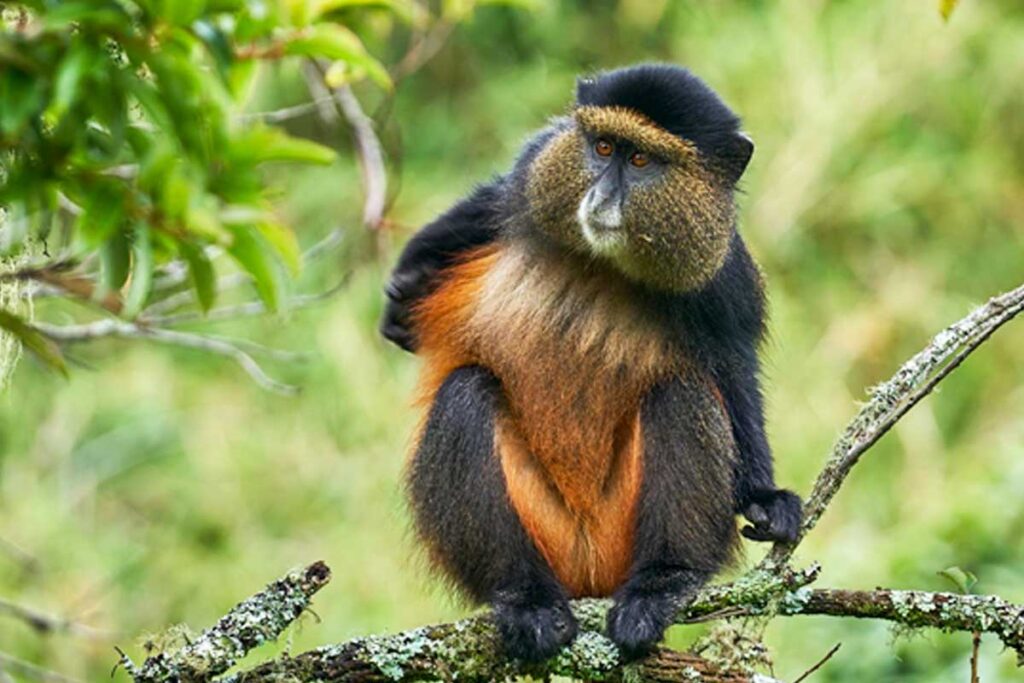
Uganda occupies a genuinely exceptional position within the global experience economy. Within an area smaller than the United Kingdom, it contains more primate species than any country on earth, five of Africa’s Ramsar wetland sites, over 1,000 bird species, and extraordinary human cultural diversity across more than 50 distinct ethnic groups. The physical landscape — from the Rwenzori glaciers to the shores of Lake Victoria, from the savanna of Kidepo to the papyrus swamps of Mabamba — offers a range of environments that few destinations can match.
Uganda is frequently described as a ‘hidden gem’ of African tourism, a phrase that captures both its genuine distinctiveness and the under-investment in visibility and infrastructure that has historically limited its reach. The label will become less accurate as international arrivals grow — which they are. But it also reflects something worth preserving: a tourism sector that has not yet sacrificed authenticity for volume.
The opportunity for Uganda is not simply to grow tourist numbers, but to grow them strategically — developing the infrastructure, training the guides, empowering the communities, and building the international brand that allows Uganda to compete on experience quality rather than price alone. This requires investment, policy coherence, and a clear articulation of what makes Uganda different: not just the gorillas, but the texture of the entire encounter with this country and its people.
What Tourism Businesses Can Learn
The principles of the experience economy have implications for every tourism operator, from small community lodges to large hotel groups. A few practical lessons stand out.
- Design for emotional outcomes, not just logistics. A safari that runs on time means little if the guide has no stories to tell. The quality of interpretation — the ability to make a traveller feel that they genuinely understand what they are seeing — is what separates a good safari from a great one.
- Train staff as experience creators, not just service providers. A receptionist who greets guests with knowledge of their itinerary and genuine curiosity about their interests creates a qualitatively different arrival experience from one who merely processes paperwork.
- Listen systematically to what travellers remember. Post-trip feedback consistently shows that the moments travellers describe most vividly are rarely the five-star meals or the luxury bedding. They are the unexpected wildlife encounter, the conversation with a local elder, the moment when a bird’s call was identified and explained. Design around these moments.
- Innovate continuously. The experience economy rewards novelty — not gimmickry, but genuine new ways of engaging with a place. Night drives, walking safaris, community immersion programmes, photography workshops guided by specialists: these create differentiation that price competition cannot replicate.
What Travellers Take Home
The return from a well-designed safari or cultural journey is rarely what the traveller expected when they booked it. Travellers arrive curious about wildlife and scenery. They return home with something harder to categorise: a changed sense of perspective, a felt understanding that the world is larger and stranger and more interconnected than their daily life suggests.
New relationships — with travel companions, with guides, sometimes with communities — form in compressed, intense circumstances and prove remarkably durable. A greater appreciation for ecosystems that had previously been abstractions — forests, wetlands, migratory routes — translates into different consumer choices, different political priorities, different conversations at dinner tables far from Uganda.
This is tourism’s least measurable but perhaps most significant contribution. The experiences we have while travelling do not stay in those destinations. They travel home with us, quietly reshaping the people we are and the choices we make.
Why Terenga Safaris
Terenga Safaris was founded on the conviction that safari travel should generate lasting value — for guests, for the communities surrounding Uganda’s parks, and for the wildlife that makes these experiences possible. We are a Uganda-based operator, guided by Ugandans who have grown up alongside these landscapes and who understand, without romanticism, both their extraordinary worth and their genuine fragility.
Our itineraries are designed with attention to the emotional arc of a journey, not only its logistical efficiency. We work with accommodation partners who are invested in their communities and in conservation. Our guides are not simply drivers; they are naturalists, storytellers, and cultural interpreters who understand that what a traveller carries home matters as much as the game drives they complete.
We believe that responsible tourism, practised thoughtfully, is one of the most constructive things a visitor can do in Uganda. We design safaris to reflect that belief.
The Business of Experiences: A Final Word
Tourism is not merely about escaping everyday life. At its best, it is about creating experiences that shape people, sustain communities, and provide economic incentives for protecting the natural world. The business of experiences is, in this sense, one of the most consequential industries any economy can cultivate — provided it is designed with care, distributed with fairness, and measured not only in revenue but in impact.
Uganda’s extraordinary diversity of landscapes, wildlife, and cultures places it in a remarkable position within this global shift. The country has the raw material for an experience economy of genuine depth and distinction. What it requires — and what the best operators within it are working to provide — is the craft, the honesty, and the long-term thinking to develop it well.
| “Long after souvenirs fade and photographs are stored away, the experiences we share continue shaping how we see the world — and each other.” |
If that prospect interests you — if you are curious about what it means to travel somewhere and truly encounter it — we invite you to explore Uganda with Terenga Safaris. We would be glad to design an experience that leaves something worth carrying home.
| Explore Uganda with Terenga Safaris
Enquire about our safari packages, gorilla trekking permits, cultural experiences, and tailor-made itineraries.
Email: info@terengasafaris.com Website: www.terengas afaris.com Office: Makindye, Kampala, Uganda |